mirror of
https://github.com/langgenius/dify.git
synced 2025-12-23 15:57:29 +00:00
Compare commits
1 Commits
deploy/tri
...
bai
| Author | SHA1 | Date | |
|---|---|---|---|

|
2bfcd227e8 |
@@ -1,19 +0,0 @@
|
||||
{
|
||||
"permissions": {
|
||||
"allow": [],
|
||||
"deny": []
|
||||
},
|
||||
"env": {
|
||||
"__comment": "Environment variables for MCP servers. Override in .claude/settings.local.json with actual values.",
|
||||
"GITHUB_PERSONAL_ACCESS_TOKEN": "ghp_xxxxxxxxxxxxxxxxxxxxxxxxxxxxxxxxxxxx"
|
||||
},
|
||||
"enabledMcpjsonServers": [
|
||||
"context7",
|
||||
"sequential-thinking",
|
||||
"github",
|
||||
"fetch",
|
||||
"playwright",
|
||||
"ide"
|
||||
],
|
||||
"enableAllProjectMcpServers": true
|
||||
}
|
||||
@@ -1,6 +0,0 @@
|
||||
# Cursor Rules for Dify Project
|
||||
|
||||
## Automated Test Generation
|
||||
|
||||
- Use `web/testing/testing.md` as the canonical instruction set for generating frontend automated tests.
|
||||
- When proposing or saving tests, re-read that document and follow every requirement.
|
||||
@@ -1,4 +1,8 @@
|
||||
FROM mcr.microsoft.com/devcontainers/python:3.12-bookworm
|
||||
FROM mcr.microsoft.com/devcontainers/python:3.10
|
||||
|
||||
RUN apt-get update && export DEBIAN_FRONTEND=noninteractive \
|
||||
&& apt-get -y install libgmp-dev libmpfr-dev libmpc-dev
|
||||
COPY . .
|
||||
|
||||
|
||||
# [Optional] Uncomment this section to install additional OS packages.
|
||||
# RUN apt-get update && export DEBIAN_FRONTEND=noninteractive \
|
||||
# && apt-get -y install --no-install-recommends <your-package-list-here>
|
||||
@@ -1,26 +1,23 @@
|
||||
# Development with devcontainer
|
||||
|
||||
# Devlopment with devcontainer
|
||||
This project includes a devcontainer configuration that allows you to open the project in a container with a fully configured development environment.
|
||||
Both frontend and backend environments are initialized when the container is started.
|
||||
|
||||
## GitHub Codespaces
|
||||
|
||||
[](https://codespaces.new/langgenius/dify)
|
||||
|
||||
you can simply click the button above to open this project in GitHub Codespaces.
|
||||
|
||||
For more info, check out the [GitHub documentation](https://docs.github.com/en/free-pro-team@latest/github/developing-online-with-codespaces/creating-a-codespace#creating-a-codespace).
|
||||
|
||||
## VS Code Dev Containers
|
||||
|
||||
## VS Code Dev Containers
|
||||
[](https://vscode.dev/redirect?url=vscode://ms-vscode-remote.remote-containers/cloneInVolume?url=https://github.com/langgenius/dify)
|
||||
|
||||
if you have VS Code installed, you can click the button above to open this project in VS Code Dev Containers.
|
||||
|
||||
You can learn more in the [Dev Containers documentation](https://code.visualstudio.com/docs/devcontainers/containers).
|
||||
|
||||
## Pros of Devcontainer
|
||||
|
||||
## Pros of Devcontainer
|
||||
Unified Development Environment: By using devcontainers, you can ensure that all developers are developing in the same environment, reducing the occurrence of "it works on my machine" type of issues.
|
||||
|
||||
Quick Start: New developers can set up their development environment in a few simple steps, without spending a lot of time on environment configuration.
|
||||
@@ -28,15 +25,13 @@ Quick Start: New developers can set up their development environment in a few si
|
||||
Isolation: Devcontainers isolate your project from your host operating system, reducing the chance of OS updates or other application installations impacting the development environment.
|
||||
|
||||
## Cons of Devcontainer
|
||||
|
||||
Learning Curve: For developers unfamiliar with Docker and VS Code, using devcontainers may be somewhat complex.
|
||||
|
||||
Performance Impact: While usually minimal, programs running inside a devcontainer may be slightly slower than those running directly on the host.
|
||||
|
||||
## Troubleshooting
|
||||
|
||||
if you see such error message when you open this project in codespaces:
|
||||

|
||||
|
||||
a simple workaround is change `/signin` endpoint into another one, then login with GitHub account and close the tab, then change it back to `/signin` endpoint. Then all things will be fine.
|
||||
The reason is `signin` endpoint is not allowed in codespaces, details can be found [here](https://github.com/orgs/community/discussions/5204)
|
||||
a simple workaround is change `/signin` endpoint into another one, then login with github account and close the tab, then change it back to `/signin` endpoint. Then all things will be fine.
|
||||
The reason is `signin` endpoint is not allowed in codespaces, details can be found [here](https://github.com/orgs/community/discussions/5204)
|
||||
@@ -1,8 +1,8 @@
|
||||
// For format details, see https://aka.ms/devcontainer.json. For config options, see the
|
||||
// README at: https://github.com/devcontainers/templates/tree/main/src/anaconda
|
||||
{
|
||||
"name": "Python 3.12",
|
||||
"build": {
|
||||
"name": "Python 3.10",
|
||||
"build": {
|
||||
"context": "..",
|
||||
"dockerfile": "Dockerfile"
|
||||
},
|
||||
@@ -11,7 +11,7 @@
|
||||
"nodeGypDependencies": true,
|
||||
"version": "lts"
|
||||
},
|
||||
"ghcr.io/devcontainers-extra/features/npm-package:1": {
|
||||
"ghcr.io/devcontainers-contrib/features/npm-package:1": {
|
||||
"package": "typescript",
|
||||
"version": "latest"
|
||||
},
|
||||
@@ -32,8 +32,8 @@
|
||||
]
|
||||
}
|
||||
},
|
||||
"postStartCommand": "./.devcontainer/post_start_command.sh",
|
||||
"postCreateCommand": "./.devcontainer/post_create_command.sh"
|
||||
"postStartCommand": "cd api && pip install -r requirements.txt",
|
||||
"postCreateCommand": "cd web && npm install"
|
||||
|
||||
// Features to add to the dev container. More info: https://containers.dev/features.
|
||||
// "features": {},
|
||||
|
||||
@@ -1,3 +1,3 @@
|
||||
This file copied into the container along with environment.yml* from the parent
|
||||
folder. This file is included to prevents the Dockerfile COPY instruction from
|
||||
failing if no environment.yml is found.
|
||||
folder. This file is included to prevents the Dockerfile COPY instruction from
|
||||
failing if no environment.yml is found.
|
||||
@@ -1,15 +0,0 @@
|
||||
#!/bin/bash
|
||||
WORKSPACE_ROOT=$(pwd)
|
||||
|
||||
corepack enable
|
||||
cd web && pnpm install
|
||||
pipx install uv
|
||||
|
||||
echo "alias start-api=\"cd $WORKSPACE_ROOT/api && uv run python -m flask run --host 0.0.0.0 --port=5001 --debug\"" >> ~/.bashrc
|
||||
echo "alias start-worker=\"cd $WORKSPACE_ROOT/api && uv run python -m celery -A app.celery worker -P threads -c 1 --loglevel INFO -Q dataset,priority_dataset,priority_pipeline,pipeline,mail,ops_trace,app_deletion,plugin,workflow_storage,conversation,workflow,schedule_poller,schedule_executor,triggered_workflow_dispatcher,trigger_refresh_executor\"" >> ~/.bashrc
|
||||
echo "alias start-web=\"cd $WORKSPACE_ROOT/web && pnpm dev\"" >> ~/.bashrc
|
||||
echo "alias start-web-prod=\"cd $WORKSPACE_ROOT/web && pnpm build && pnpm start\"" >> ~/.bashrc
|
||||
echo "alias start-containers=\"cd $WORKSPACE_ROOT/docker && docker-compose -f docker-compose.middleware.yaml -p dify --env-file middleware.env up -d\"" >> ~/.bashrc
|
||||
echo "alias stop-containers=\"cd $WORKSPACE_ROOT/docker && docker-compose -f docker-compose.middleware.yaml -p dify --env-file middleware.env down\"" >> ~/.bashrc
|
||||
|
||||
source /home/vscode/.bashrc
|
||||
@@ -1,3 +0,0 @@
|
||||
#!/bin/bash
|
||||
|
||||
cd api && uv sync
|
||||
@@ -1,39 +0,0 @@
|
||||
# EditorConfig is awesome: https://EditorConfig.org
|
||||
|
||||
# top-most EditorConfig file
|
||||
root = true
|
||||
|
||||
# Unix-style newlines with a newline ending every file
|
||||
[*]
|
||||
charset = utf-8
|
||||
end_of_line = lf
|
||||
insert_final_newline = true
|
||||
trim_trailing_whitespace = true
|
||||
|
||||
[*.py]
|
||||
indent_size = 4
|
||||
indent_style = space
|
||||
|
||||
[*.{yml,yaml}]
|
||||
indent_style = space
|
||||
indent_size = 2
|
||||
|
||||
[*.toml]
|
||||
indent_size = 4
|
||||
indent_style = space
|
||||
|
||||
# Markdown and MDX are whitespace sensitive languages.
|
||||
# Do not remove trailing spaces.
|
||||
[*.{md,mdx}]
|
||||
trim_trailing_whitespace = false
|
||||
|
||||
# Matches multiple files with brace expansion notation
|
||||
# Set default charset
|
||||
[*.{js,jsx,ts,tsx,mjs}]
|
||||
indent_style = space
|
||||
indent_size = 2
|
||||
|
||||
# Matches the exact files package.json
|
||||
[package.json]
|
||||
indent_style = space
|
||||
indent_size = 2
|
||||
7
.gitattributes
vendored
7
.gitattributes
vendored
@@ -1,7 +0,0 @@
|
||||
# Ensure that .sh scripts use LF as line separator, even if they are checked out
|
||||
# to Windows(NTFS) file-system, by a user of Docker for Windows.
|
||||
# These .sh scripts will be run from the Container after `docker compose up -d`.
|
||||
# If they appear to be CRLF style, Dash from the Container will fail to execute
|
||||
# them.
|
||||
|
||||
*.sh text eol=lf
|
||||
226
.github/CODEOWNERS
vendored
226
.github/CODEOWNERS
vendored
@@ -1,226 +0,0 @@
|
||||
# CODEOWNERS
|
||||
# This file defines code ownership for the Dify project.
|
||||
# Each line is a file pattern followed by one or more owners.
|
||||
# Owners can be @username, @org/team-name, or email addresses.
|
||||
# For more information, see: https://docs.github.com/en/repositories/managing-your-repositorys-settings-and-features/customizing-your-repository/about-code-owners
|
||||
|
||||
* @crazywoola @laipz8200 @Yeuoly
|
||||
|
||||
# Backend (default owner, more specific rules below will override)
|
||||
api/ @QuantumGhost
|
||||
|
||||
# Backend - Workflow - Engine (Core graph execution engine)
|
||||
api/core/workflow/graph_engine/ @laipz8200 @QuantumGhost
|
||||
api/core/workflow/runtime/ @laipz8200 @QuantumGhost
|
||||
api/core/workflow/graph/ @laipz8200 @QuantumGhost
|
||||
api/core/workflow/graph_events/ @laipz8200 @QuantumGhost
|
||||
api/core/workflow/node_events/ @laipz8200 @QuantumGhost
|
||||
api/core/model_runtime/ @laipz8200 @QuantumGhost
|
||||
|
||||
# Backend - Workflow - Nodes (Agent, Iteration, Loop, LLM)
|
||||
api/core/workflow/nodes/agent/ @Nov1c444
|
||||
api/core/workflow/nodes/iteration/ @Nov1c444
|
||||
api/core/workflow/nodes/loop/ @Nov1c444
|
||||
api/core/workflow/nodes/llm/ @Nov1c444
|
||||
|
||||
# Backend - RAG (Retrieval Augmented Generation)
|
||||
api/core/rag/ @JohnJyong
|
||||
api/services/rag_pipeline/ @JohnJyong
|
||||
api/services/dataset_service.py @JohnJyong
|
||||
api/services/knowledge_service.py @JohnJyong
|
||||
api/services/external_knowledge_service.py @JohnJyong
|
||||
api/services/hit_testing_service.py @JohnJyong
|
||||
api/services/metadata_service.py @JohnJyong
|
||||
api/services/vector_service.py @JohnJyong
|
||||
api/services/entities/knowledge_entities/ @JohnJyong
|
||||
api/services/entities/external_knowledge_entities/ @JohnJyong
|
||||
api/controllers/console/datasets/ @JohnJyong
|
||||
api/controllers/service_api/dataset/ @JohnJyong
|
||||
api/models/dataset.py @JohnJyong
|
||||
api/tasks/rag_pipeline/ @JohnJyong
|
||||
api/tasks/add_document_to_index_task.py @JohnJyong
|
||||
api/tasks/batch_clean_document_task.py @JohnJyong
|
||||
api/tasks/clean_document_task.py @JohnJyong
|
||||
api/tasks/clean_notion_document_task.py @JohnJyong
|
||||
api/tasks/document_indexing_task.py @JohnJyong
|
||||
api/tasks/document_indexing_sync_task.py @JohnJyong
|
||||
api/tasks/document_indexing_update_task.py @JohnJyong
|
||||
api/tasks/duplicate_document_indexing_task.py @JohnJyong
|
||||
api/tasks/recover_document_indexing_task.py @JohnJyong
|
||||
api/tasks/remove_document_from_index_task.py @JohnJyong
|
||||
api/tasks/retry_document_indexing_task.py @JohnJyong
|
||||
api/tasks/sync_website_document_indexing_task.py @JohnJyong
|
||||
api/tasks/batch_create_segment_to_index_task.py @JohnJyong
|
||||
api/tasks/create_segment_to_index_task.py @JohnJyong
|
||||
api/tasks/delete_segment_from_index_task.py @JohnJyong
|
||||
api/tasks/disable_segment_from_index_task.py @JohnJyong
|
||||
api/tasks/disable_segments_from_index_task.py @JohnJyong
|
||||
api/tasks/enable_segment_to_index_task.py @JohnJyong
|
||||
api/tasks/enable_segments_to_index_task.py @JohnJyong
|
||||
api/tasks/clean_dataset_task.py @JohnJyong
|
||||
api/tasks/deal_dataset_index_update_task.py @JohnJyong
|
||||
api/tasks/deal_dataset_vector_index_task.py @JohnJyong
|
||||
|
||||
# Backend - Plugins
|
||||
api/core/plugin/ @Mairuis @Yeuoly @Stream29
|
||||
api/services/plugin/ @Mairuis @Yeuoly @Stream29
|
||||
api/controllers/console/workspace/plugin.py @Mairuis @Yeuoly @Stream29
|
||||
api/controllers/inner_api/plugin/ @Mairuis @Yeuoly @Stream29
|
||||
api/tasks/process_tenant_plugin_autoupgrade_check_task.py @Mairuis @Yeuoly @Stream29
|
||||
|
||||
# Backend - Trigger/Schedule/Webhook
|
||||
api/controllers/trigger/ @Mairuis @Yeuoly
|
||||
api/controllers/console/app/workflow_trigger.py @Mairuis @Yeuoly
|
||||
api/controllers/console/workspace/trigger_providers.py @Mairuis @Yeuoly
|
||||
api/core/trigger/ @Mairuis @Yeuoly
|
||||
api/core/app/layers/trigger_post_layer.py @Mairuis @Yeuoly
|
||||
api/services/trigger/ @Mairuis @Yeuoly
|
||||
api/models/trigger.py @Mairuis @Yeuoly
|
||||
api/fields/workflow_trigger_fields.py @Mairuis @Yeuoly
|
||||
api/repositories/workflow_trigger_log_repository.py @Mairuis @Yeuoly
|
||||
api/repositories/sqlalchemy_workflow_trigger_log_repository.py @Mairuis @Yeuoly
|
||||
api/libs/schedule_utils.py @Mairuis @Yeuoly
|
||||
api/services/workflow/scheduler.py @Mairuis @Yeuoly
|
||||
api/schedule/trigger_provider_refresh_task.py @Mairuis @Yeuoly
|
||||
api/schedule/workflow_schedule_task.py @Mairuis @Yeuoly
|
||||
api/tasks/trigger_processing_tasks.py @Mairuis @Yeuoly
|
||||
api/tasks/trigger_subscription_refresh_tasks.py @Mairuis @Yeuoly
|
||||
api/tasks/workflow_schedule_tasks.py @Mairuis @Yeuoly
|
||||
api/tasks/workflow_cfs_scheduler/ @Mairuis @Yeuoly
|
||||
api/events/event_handlers/sync_plugin_trigger_when_app_created.py @Mairuis @Yeuoly
|
||||
api/events/event_handlers/update_app_triggers_when_app_published_workflow_updated.py @Mairuis @Yeuoly
|
||||
api/events/event_handlers/sync_workflow_schedule_when_app_published.py @Mairuis @Yeuoly
|
||||
api/events/event_handlers/sync_webhook_when_app_created.py @Mairuis @Yeuoly
|
||||
|
||||
# Backend - Async Workflow
|
||||
api/services/async_workflow_service.py @Mairuis @Yeuoly
|
||||
api/tasks/async_workflow_tasks.py @Mairuis @Yeuoly
|
||||
|
||||
# Backend - Billing
|
||||
api/services/billing_service.py @hj24 @zyssyz123
|
||||
api/controllers/console/billing/ @hj24 @zyssyz123
|
||||
|
||||
# Backend - Enterprise
|
||||
api/configs/enterprise/ @GarfieldDai @GareArc
|
||||
api/services/enterprise/ @GarfieldDai @GareArc
|
||||
api/services/feature_service.py @GarfieldDai @GareArc
|
||||
api/controllers/console/feature.py @GarfieldDai @GareArc
|
||||
api/controllers/web/feature.py @GarfieldDai @GareArc
|
||||
|
||||
# Backend - Database Migrations
|
||||
api/migrations/ @snakevash @laipz8200
|
||||
|
||||
# Frontend
|
||||
web/ @iamjoel
|
||||
|
||||
# Frontend - App - Orchestration
|
||||
web/app/components/workflow/ @iamjoel @zxhlyh
|
||||
web/app/components/workflow-app/ @iamjoel @zxhlyh
|
||||
web/app/components/app/configuration/ @iamjoel @zxhlyh
|
||||
web/app/components/app/app-publisher/ @iamjoel @zxhlyh
|
||||
|
||||
# Frontend - WebApp - Chat
|
||||
web/app/components/base/chat/ @iamjoel @zxhlyh
|
||||
|
||||
# Frontend - WebApp - Completion
|
||||
web/app/components/share/text-generation/ @iamjoel @zxhlyh
|
||||
|
||||
# Frontend - App - List and Creation
|
||||
web/app/components/apps/ @JzoNgKVO @iamjoel
|
||||
web/app/components/app/create-app-dialog/ @JzoNgKVO @iamjoel
|
||||
web/app/components/app/create-app-modal/ @JzoNgKVO @iamjoel
|
||||
web/app/components/app/create-from-dsl-modal/ @JzoNgKVO @iamjoel
|
||||
|
||||
# Frontend - App - API Documentation
|
||||
web/app/components/develop/ @JzoNgKVO @iamjoel
|
||||
|
||||
# Frontend - App - Logs and Annotations
|
||||
web/app/components/app/workflow-log/ @JzoNgKVO @iamjoel
|
||||
web/app/components/app/log/ @JzoNgKVO @iamjoel
|
||||
web/app/components/app/log-annotation/ @JzoNgKVO @iamjoel
|
||||
web/app/components/app/annotation/ @JzoNgKVO @iamjoel
|
||||
|
||||
# Frontend - App - Monitoring
|
||||
web/app/(commonLayout)/app/(appDetailLayout)/\[appId\]/overview/ @JzoNgKVO @iamjoel
|
||||
web/app/components/app/overview/ @JzoNgKVO @iamjoel
|
||||
|
||||
# Frontend - App - Settings
|
||||
web/app/components/app-sidebar/ @JzoNgKVO @iamjoel
|
||||
|
||||
# Frontend - RAG - Hit Testing
|
||||
web/app/components/datasets/hit-testing/ @JzoNgKVO @iamjoel
|
||||
|
||||
# Frontend - RAG - List and Creation
|
||||
web/app/components/datasets/list/ @iamjoel @WTW0313
|
||||
web/app/components/datasets/create/ @iamjoel @WTW0313
|
||||
web/app/components/datasets/create-from-pipeline/ @iamjoel @WTW0313
|
||||
web/app/components/datasets/external-knowledge-base/ @iamjoel @WTW0313
|
||||
|
||||
# Frontend - RAG - Orchestration (general rule first, specific rules below override)
|
||||
web/app/components/rag-pipeline/ @iamjoel @WTW0313
|
||||
web/app/components/rag-pipeline/components/rag-pipeline-main.tsx @iamjoel @zxhlyh
|
||||
web/app/components/rag-pipeline/store/ @iamjoel @zxhlyh
|
||||
|
||||
# Frontend - RAG - Documents List
|
||||
web/app/components/datasets/documents/list.tsx @iamjoel @WTW0313
|
||||
web/app/components/datasets/documents/create-from-pipeline/ @iamjoel @WTW0313
|
||||
|
||||
# Frontend - RAG - Segments List
|
||||
web/app/components/datasets/documents/detail/ @iamjoel @WTW0313
|
||||
|
||||
# Frontend - RAG - Settings
|
||||
web/app/components/datasets/settings/ @iamjoel @WTW0313
|
||||
|
||||
# Frontend - Ecosystem - Plugins
|
||||
web/app/components/plugins/ @iamjoel @zhsama
|
||||
|
||||
# Frontend - Ecosystem - Tools
|
||||
web/app/components/tools/ @iamjoel @Yessenia-d
|
||||
|
||||
# Frontend - Ecosystem - MarketPlace
|
||||
web/app/components/plugins/marketplace/ @iamjoel @Yessenia-d
|
||||
|
||||
# Frontend - Login and Registration
|
||||
web/app/signin/ @douxc @iamjoel
|
||||
web/app/signup/ @douxc @iamjoel
|
||||
web/app/reset-password/ @douxc @iamjoel
|
||||
web/app/install/ @douxc @iamjoel
|
||||
web/app/init/ @douxc @iamjoel
|
||||
web/app/forgot-password/ @douxc @iamjoel
|
||||
web/app/account/ @douxc @iamjoel
|
||||
|
||||
# Frontend - Service Authentication
|
||||
web/service/base.ts @douxc @iamjoel
|
||||
|
||||
# Frontend - WebApp Authentication and Access Control
|
||||
web/app/(shareLayout)/components/ @douxc @iamjoel
|
||||
web/app/(shareLayout)/webapp-signin/ @douxc @iamjoel
|
||||
web/app/(shareLayout)/webapp-reset-password/ @douxc @iamjoel
|
||||
web/app/components/app/app-access-control/ @douxc @iamjoel
|
||||
|
||||
# Frontend - Explore Page
|
||||
web/app/components/explore/ @CodingOnStar @iamjoel
|
||||
|
||||
# Frontend - Personal Settings
|
||||
web/app/components/header/account-setting/ @CodingOnStar @iamjoel
|
||||
web/app/components/header/account-dropdown/ @CodingOnStar @iamjoel
|
||||
|
||||
# Frontend - Analytics
|
||||
web/app/components/base/ga/ @CodingOnStar @iamjoel
|
||||
|
||||
# Frontend - Base Components
|
||||
web/app/components/base/ @iamjoel @zxhlyh
|
||||
|
||||
# Frontend - Utils and Hooks
|
||||
web/utils/classnames.ts @iamjoel @zxhlyh
|
||||
web/utils/time.ts @iamjoel @zxhlyh
|
||||
web/utils/format.ts @iamjoel @zxhlyh
|
||||
web/utils/clipboard.ts @iamjoel @zxhlyh
|
||||
web/hooks/use-document-title.ts @iamjoel @zxhlyh
|
||||
|
||||
# Frontend - Billing and Education
|
||||
web/app/components/billing/ @iamjoel @zxhlyh
|
||||
web/app/education-apply/ @iamjoel @zxhlyh
|
||||
|
||||
# Frontend - Workspace
|
||||
web/app/components/header/account-dropdown/workplace-selector/ @iamjoel @zxhlyh
|
||||
22
.github/CODE_OF_CONDUCT.md
vendored
22
.github/CODE_OF_CONDUCT.md
vendored
@@ -17,25 +17,27 @@ diverse, inclusive, and healthy community.
|
||||
Examples of behavior that contributes to a positive environment for our
|
||||
community include:
|
||||
|
||||
- Demonstrating empathy and kindness toward other people
|
||||
- Being respectful of differing opinions, viewpoints, and experiences
|
||||
- Giving and gracefully accepting constructive feedback
|
||||
- Accepting responsibility and apologizing to those affected by our mistakes,
|
||||
* Demonstrating empathy and kindness toward other people
|
||||
* Being respectful of differing opinions, viewpoints, and experiences
|
||||
* Giving and gracefully accepting constructive feedback
|
||||
* Accepting responsibility and apologizing to those affected by our mistakes,
|
||||
and learning from the experience
|
||||
- Focusing on what is best not just for us as individuals, but for the
|
||||
* Focusing on what is best not just for us as individuals, but for the
|
||||
overall community
|
||||
|
||||
Examples of unacceptable behavior include:
|
||||
|
||||
- The use of sexualized language or imagery, and sexual attention or
|
||||
* The use of sexualized language or imagery, and sexual attention or
|
||||
advances of any kind
|
||||
- Trolling, insulting or derogatory comments, and personal or political attacks
|
||||
- Public or private harassment
|
||||
- Publishing others' private information, such as a physical or email
|
||||
* Trolling, insulting or derogatory comments, and personal or political attacks
|
||||
* Public or private harassment
|
||||
* Publishing others' private information, such as a physical or email
|
||||
address, without their explicit permission
|
||||
- Other conduct which could reasonably be considered inappropriate in a
|
||||
* Other conduct which could reasonably be considered inappropriate in a
|
||||
professional setting
|
||||
|
||||
## Language Policy
|
||||
|
||||
To facilitate clear and effective communication, all discussions, comments, documentation, and pull requests in this project should be conducted in English. This ensures that all contributors can participate and collaborate effectively.
|
||||
|
||||
|
||||
|
||||
24
.github/DISCUSSION_TEMPLATE/general.yml
vendored
24
.github/DISCUSSION_TEMPLATE/general.yml
vendored
@@ -1,24 +0,0 @@
|
||||
title: "General Discussion"
|
||||
body:
|
||||
- type: checkboxes
|
||||
attributes:
|
||||
label: Self Checks
|
||||
description: "To make sure we get to you in time, please check the following :)"
|
||||
options:
|
||||
- label: I have searched for existing issues [search for existing issues](https://github.com/langgenius/dify/issues), including closed ones.
|
||||
required: true
|
||||
- label: I confirm that I am using English to submit this report (我已阅读并同意 [Language Policy](https://github.com/langgenius/dify/issues/1542)).
|
||||
required: true
|
||||
- label: "[FOR CHINESE USERS] 请务必使用英文提交 Issue,否则会被关闭。谢谢!:)"
|
||||
required: true
|
||||
- label: "Please do not modify this template :) and fill in all the required fields."
|
||||
required: true
|
||||
- type: textarea
|
||||
attributes:
|
||||
label: Content
|
||||
placeholder: Please describe the content you would like to discuss.
|
||||
validations:
|
||||
required: true
|
||||
- type: markdown
|
||||
attributes:
|
||||
value: Please limit one request per issue.
|
||||
30
.github/DISCUSSION_TEMPLATE/help.yml
vendored
30
.github/DISCUSSION_TEMPLATE/help.yml
vendored
@@ -1,30 +0,0 @@
|
||||
title: "Help"
|
||||
body:
|
||||
- type: checkboxes
|
||||
attributes:
|
||||
label: Self Checks
|
||||
description: "To make sure we get to you in time, please check the following :)"
|
||||
options:
|
||||
- label: I have searched for existing issues [search for existing issues](https://github.com/langgenius/dify/issues), including closed ones.
|
||||
required: true
|
||||
- label: I confirm that I am using English to submit this report (我已阅读并同意 [Language Policy](https://github.com/langgenius/dify/issues/1542)).
|
||||
required: true
|
||||
- label: "[FOR CHINESE USERS] 请务必使用英文提交 Issue,否则会被关闭。谢谢!:)"
|
||||
required: true
|
||||
- label: "Please do not modify this template :) and fill in all the required fields."
|
||||
required: true
|
||||
- type: textarea
|
||||
attributes:
|
||||
label: 1. Is this request related to a challenge you're experiencing? Tell me about your story.
|
||||
placeholder: Please describe the specific scenario or problem you're facing as clearly as possible. For instance "I was trying to use [feature] for [specific task], and [what happened]... It was frustrating because...."
|
||||
validations:
|
||||
required: true
|
||||
- type: textarea
|
||||
attributes:
|
||||
label: 2. Additional context or comments
|
||||
placeholder: (Any other information, comments, documentations, links, or screenshots that would provide more clarity. This is the place to add anything else not covered above.)
|
||||
validations:
|
||||
required: false
|
||||
- type: markdown
|
||||
attributes:
|
||||
value: Please limit one request per issue.
|
||||
37
.github/DISCUSSION_TEMPLATE/suggestion.yml
vendored
37
.github/DISCUSSION_TEMPLATE/suggestion.yml
vendored
@@ -1,37 +0,0 @@
|
||||
title: Suggestions for New Features
|
||||
body:
|
||||
- type: checkboxes
|
||||
attributes:
|
||||
label: Self Checks
|
||||
description: "To make sure we get to you in time, please check the following :)"
|
||||
options:
|
||||
- label: I have searched for existing issues [search for existing issues](https://github.com/langgenius/dify/issues), including closed ones.
|
||||
required: true
|
||||
- label: I confirm that I am using English to submit this report (我已阅读并同意 [Language Policy](https://github.com/langgenius/dify/issues/1542)).
|
||||
required: true
|
||||
- label: "[FOR CHINESE USERS] 请务必使用英文提交 Issue,否则会被关闭。谢谢!:)"
|
||||
required: true
|
||||
- label: "Please do not modify this template :) and fill in all the required fields."
|
||||
required: true
|
||||
- type: textarea
|
||||
attributes:
|
||||
label: 1. Is this request related to a challenge you're experiencing? Tell me about your story.
|
||||
placeholder: Please describe the specific scenario or problem you're facing as clearly as possible. For instance "I was trying to use [feature] for [specific task], and [what happened]... It was frustrating because...."
|
||||
validations:
|
||||
required: true
|
||||
- type: textarea
|
||||
attributes:
|
||||
label: 2. Additional context or comments
|
||||
placeholder: (Any other information, comments, documentations, links, or screenshots that would provide more clarity. This is the place to add anything else not covered above.)
|
||||
validations:
|
||||
required: false
|
||||
- type: checkboxes
|
||||
attributes:
|
||||
label: 3. Can you help us with this feature?
|
||||
description: Let us know! This is not a commitment, but a starting point for collaboration.
|
||||
options:
|
||||
- label: I am interested in contributing to this feature.
|
||||
required: false
|
||||
- type: markdown
|
||||
attributes:
|
||||
value: Please limit one request per issue.
|
||||
23
.github/ISSUE_TEMPLATE/bug_report.yml
vendored
23
.github/ISSUE_TEMPLATE/bug_report.yml
vendored
@@ -8,22 +8,17 @@ body:
|
||||
label: Self Checks
|
||||
description: "To make sure we get to you in time, please check the following :)"
|
||||
options:
|
||||
- label: I have read the [Contributing Guide](https://github.com/langgenius/dify/blob/main/CONTRIBUTING.md) and [Language Policy](https://github.com/langgenius/dify/issues/1542).
|
||||
required: true
|
||||
- label: This is only for bug report, if you would like to ask a question, please head to [Discussions](https://github.com/langgenius/dify/discussions/categories/general).
|
||||
required: true
|
||||
- label: I have searched for existing issues [search for existing issues](https://github.com/langgenius/dify/issues), including closed ones.
|
||||
required: true
|
||||
- label: I confirm that I am using English to submit this report, otherwise it will be closed.
|
||||
- label: I confirm that I am using English to submit this report (我已阅读并同意 [Language Policy](https://github.com/langgenius/dify/issues/1542)).
|
||||
required: true
|
||||
- label: 【中文用户 & Non English User】请使用英语提交,否则会被关闭 :)
|
||||
required: true
|
||||
- label: "Please do not modify this template :) and fill in all the required fields."
|
||||
- label: "Pleas do not modify this template :) and fill in all the required fields."
|
||||
required: true
|
||||
|
||||
- type: input
|
||||
attributes:
|
||||
label: Dify version
|
||||
placeholder: 0.3.21
|
||||
description: See about section in Dify console
|
||||
validations:
|
||||
required: true
|
||||
@@ -43,23 +38,21 @@ body:
|
||||
- type: textarea
|
||||
attributes:
|
||||
label: Steps to reproduce
|
||||
description: We highly suggest including screenshots and a bug report log. Please use the right markdown syntax for code blocks.
|
||||
placeholder: Having detailed steps helps us reproduce the bug. If you have logs, please use fenced code blocks (triple backticks ```) to format them.
|
||||
description: We highly suggest including screenshots and a bug report log.
|
||||
placeholder: Having detailed steps helps us reproduce the bug.
|
||||
validations:
|
||||
required: true
|
||||
|
||||
- type: textarea
|
||||
attributes:
|
||||
label: ✔️ Expected Behavior
|
||||
description: Describe what you expected to happen.
|
||||
placeholder: What were you expecting? Please do not copy and paste the steps to reproduce here.
|
||||
placeholder: What were you expecting?
|
||||
validations:
|
||||
required: true
|
||||
required: false
|
||||
|
||||
- type: textarea
|
||||
attributes:
|
||||
label: ❌ Actual Behavior
|
||||
description: Describe what actually happened.
|
||||
placeholder: What happened instead? Please do not copy and paste the steps to reproduce here.
|
||||
placeholder: What happened instead?
|
||||
validations:
|
||||
required: false
|
||||
|
||||
18
.github/ISSUE_TEMPLATE/config.yml
vendored
18
.github/ISSUE_TEMPLATE/config.yml
vendored
@@ -1,14 +1,8 @@
|
||||
blank_issues_enabled: false
|
||||
contact_links:
|
||||
- name: "\U0001F510 Security Vulnerabilities"
|
||||
url: "https://github.com/langgenius/dify/security/advisories/new"
|
||||
about: Report security vulnerabilities through GitHub Security Advisories to ensure responsible disclosure. 💡 Please do not report security vulnerabilities in public issues.
|
||||
- name: "\U0001F4A1 Model Providers & Plugins"
|
||||
url: "https://github.com/langgenius/dify-official-plugins/issues/new/choose"
|
||||
about: Report issues with official plugins or model providers, you will need to provide the plugin version and other relevant details.
|
||||
- name: "\U0001F4AC Documentation Issues"
|
||||
url: "https://github.com/langgenius/dify-docs/issues/new"
|
||||
about: Report issues with the documentation, such as typos, outdated information, or missing content. Please provide the specific section and details of the issue.
|
||||
- name: "\U0001F4E7 Discussions"
|
||||
url: https://github.com/langgenius/dify/discussions/categories/general
|
||||
about: General discussions and seek help from the community
|
||||
- name: "\U0001F4DA Dify user documentation"
|
||||
url: https://docs.dify.ai/getting-started/readme
|
||||
about: Documentation for users of Dify
|
||||
- name: "\U0001F4DA Dify dev documentation"
|
||||
url: https://docs.dify.ai/getting-started/install-self-hosted
|
||||
about: Documentation for people interested in developing and contributing for Dify
|
||||
|
||||
22
.github/ISSUE_TEMPLATE/document_issue.yml
vendored
Normal file
22
.github/ISSUE_TEMPLATE/document_issue.yml
vendored
Normal file
@@ -0,0 +1,22 @@
|
||||
name: "📚 Documentation Issue"
|
||||
description: Report issues in our documentation
|
||||
labels:
|
||||
- ducumentation
|
||||
body:
|
||||
- type: checkboxes
|
||||
attributes:
|
||||
label: Self Checks
|
||||
description: "To make sure we get to you in time, please check the following :)"
|
||||
options:
|
||||
- label: I have searched for existing issues [search for existing issues](https://github.com/langgenius/dify/issues), including closed ones.
|
||||
required: true
|
||||
- label: I confirm that I am using English to submit report (我已阅读并同意 [Language Policy](https://github.com/langgenius/dify/issues/1542)).
|
||||
required: true
|
||||
- label: "Pleas do not modify this template :) and fill in all the required fields."
|
||||
required: true
|
||||
- type: textarea
|
||||
attributes:
|
||||
label: Provide a description of requested docs changes
|
||||
placeholder: Briefly describe which document needs to be corrected and why.
|
||||
validations:
|
||||
required: true
|
||||
24
.github/ISSUE_TEMPLATE/feature_request.yml
vendored
24
.github/ISSUE_TEMPLATE/feature_request.yml
vendored
@@ -8,29 +8,39 @@ body:
|
||||
label: Self Checks
|
||||
description: "To make sure we get to you in time, please check the following :)"
|
||||
options:
|
||||
- label: I have read the [Contributing Guide](https://github.com/langgenius/dify/blob/main/CONTRIBUTING.md) and [Language Policy](https://github.com/langgenius/dify/issues/1542).
|
||||
required: true
|
||||
- label: I have searched for existing issues [search for existing issues](https://github.com/langgenius/dify/issues), including closed ones.
|
||||
required: true
|
||||
- label: I confirm that I am using English to submit this report, otherwise it will be closed.
|
||||
- label: I confirm that I am using English to submit this report (我已阅读并同意 [Language Policy](https://github.com/langgenius/dify/issues/1542)).
|
||||
required: true
|
||||
- label: "Please do not modify this template :) and fill in all the required fields."
|
||||
- label: "Pleas do not modify this template :) and fill in all the required fields."
|
||||
required: true
|
||||
- type: textarea
|
||||
attributes:
|
||||
label: 1. Is this request related to a challenge you're experiencing? Tell me about your story.
|
||||
label: 1. Is this request related to a challenge you're experiencing?
|
||||
placeholder: Please describe the specific scenario or problem you're facing as clearly as possible. For instance "I was trying to use [feature] for [specific task], and [what happened]... It was frustrating because...."
|
||||
validations:
|
||||
required: true
|
||||
- type: textarea
|
||||
attributes:
|
||||
label: 2. Additional context or comments
|
||||
label: 2. Describe the feature you'd like to see
|
||||
placeholder: Think about what you want to achieve and how this feature will help you. Sketches, flow diagrams, or any visual representation will be a major plus.
|
||||
validations:
|
||||
required: true
|
||||
- type: textarea
|
||||
attributes:
|
||||
label: 3. How will this feature improve your workflow or experience?
|
||||
placeholder: Tell us how this change will benefit your work. This helps us prioritize based on user impact.
|
||||
validations:
|
||||
required: true
|
||||
- type: textarea
|
||||
attributes:
|
||||
label: 4. Additional context or comments
|
||||
placeholder: (Any other information, comments, documentations, links, or screenshots that would provide more clarity. This is the place to add anything else not covered above.)
|
||||
validations:
|
||||
required: false
|
||||
- type: checkboxes
|
||||
attributes:
|
||||
label: 3. Can you help us with this feature?
|
||||
label: 5. Can you help us with this feature?
|
||||
description: Let us know! This is not a commitment, but a starting point for collaboration.
|
||||
options:
|
||||
- label: I am interested in contributing to this feature.
|
||||
|
||||
22
.github/ISSUE_TEMPLATE/help_wanted.yml
vendored
Normal file
22
.github/ISSUE_TEMPLATE/help_wanted.yml
vendored
Normal file
@@ -0,0 +1,22 @@
|
||||
name: "🤝 Help Wanted"
|
||||
description: "Request help from the community [please use English :)]"
|
||||
labels:
|
||||
- help-wanted
|
||||
body:
|
||||
- type: checkboxes
|
||||
attributes:
|
||||
label: Self Checks
|
||||
description: "To make sure we get to you in time, please check the following :)"
|
||||
options:
|
||||
- label: I have searched for existing issues [search for existing issues](https://github.com/langgenius/dify/issues), including closed ones.
|
||||
required: true
|
||||
- label: I confirm that I am using English to submit this report (我已阅读并同意 [Language Policy](https://github.com/langgenius/dify/issues/1542)).
|
||||
required: true
|
||||
- label: "Pleas do not modify this template :) and fill in all the required fields."
|
||||
required: true
|
||||
- type: textarea
|
||||
attributes:
|
||||
label: Provide a description of the help you need
|
||||
placeholder: Briefly describe what you need help with.
|
||||
validations:
|
||||
required: true
|
||||
44
.github/ISSUE_TEMPLATE/refactor.yml
vendored
44
.github/ISSUE_TEMPLATE/refactor.yml
vendored
@@ -1,44 +0,0 @@
|
||||
name: "✨ Refactor"
|
||||
description: Refactor existing code for improved readability and maintainability.
|
||||
title: "[Chore/Refactor] "
|
||||
labels:
|
||||
- refactor
|
||||
body:
|
||||
- type: checkboxes
|
||||
attributes:
|
||||
label: Self Checks
|
||||
description: "To make sure we get to you in time, please check the following :)"
|
||||
options:
|
||||
- label: I have read the [Contributing Guide](https://github.com/langgenius/dify/blob/main/CONTRIBUTING.md) and [Language Policy](https://github.com/langgenius/dify/issues/1542).
|
||||
required: true
|
||||
- label: This is only for refactoring, if you would like to ask a question, please head to [Discussions](https://github.com/langgenius/dify/discussions/categories/general).
|
||||
required: true
|
||||
- label: I have searched for existing issues [search for existing issues](https://github.com/langgenius/dify/issues), including closed ones.
|
||||
required: true
|
||||
- label: I confirm that I am using English to submit this report, otherwise it will be closed.
|
||||
required: true
|
||||
- label: 【中文用户 & Non English User】请使用英语提交,否则会被关闭 :)
|
||||
required: true
|
||||
- label: "Please do not modify this template :) and fill in all the required fields."
|
||||
required: true
|
||||
- type: textarea
|
||||
id: description
|
||||
attributes:
|
||||
label: Description
|
||||
placeholder: "Describe the refactor you are proposing."
|
||||
validations:
|
||||
required: true
|
||||
- type: textarea
|
||||
id: motivation
|
||||
attributes:
|
||||
label: Motivation
|
||||
placeholder: "Explain why this refactor is necessary."
|
||||
validations:
|
||||
required: false
|
||||
- type: textarea
|
||||
id: additional-context
|
||||
attributes:
|
||||
label: Additional Context
|
||||
placeholder: "Add any other context or screenshots about the request here."
|
||||
validations:
|
||||
required: false
|
||||
13
.github/ISSUE_TEMPLATE/tracker.yml
vendored
13
.github/ISSUE_TEMPLATE/tracker.yml
vendored
@@ -1,13 +0,0 @@
|
||||
name: "👾 Tracker"
|
||||
description: For inner usages, please do not use this template.
|
||||
title: "[Tracker] "
|
||||
labels:
|
||||
- tracker
|
||||
body:
|
||||
- type: textarea
|
||||
id: content
|
||||
attributes:
|
||||
label: Blockers
|
||||
placeholder: "- [ ] ..."
|
||||
validations:
|
||||
required: true
|
||||
54
.github/ISSUE_TEMPLATE/translation_issue.yml
vendored
Normal file
54
.github/ISSUE_TEMPLATE/translation_issue.yml
vendored
Normal file
@@ -0,0 +1,54 @@
|
||||
name: "🌐 Localization/Translation issue"
|
||||
description: Report incorrect translations. [please use English :)]
|
||||
labels:
|
||||
- translation
|
||||
body:
|
||||
- type: checkboxes
|
||||
attributes:
|
||||
label: Self Checks
|
||||
description: "To make sure we get to you in time, please check the following :)"
|
||||
options:
|
||||
- label: I have searched for existing issues [search for existing issues](https://github.com/langgenius/dify/issues), including closed ones.
|
||||
required: true
|
||||
- label: I confirm that I am using English to submit this report (我已阅读并同意 [Language Policy](https://github.com/langgenius/dify/issues/1542)).
|
||||
required: true
|
||||
- label: "Pleas do not modify this template :) and fill in all the required fields."
|
||||
required: true
|
||||
- type: input
|
||||
attributes:
|
||||
label: Dify version
|
||||
placeholder: 0.3.21
|
||||
description: Hover over system tray icon or look at Settings
|
||||
validations:
|
||||
required: true
|
||||
- type: input
|
||||
attributes:
|
||||
label: Utility with translation issue
|
||||
placeholder: Some area
|
||||
description: Please input here the utility with the translation issue
|
||||
validations:
|
||||
required: true
|
||||
- type: input
|
||||
attributes:
|
||||
label: 🌐 Language affected
|
||||
placeholder: "German"
|
||||
validations:
|
||||
required: true
|
||||
- type: textarea
|
||||
attributes:
|
||||
label: ❌ Actual phrase(s)
|
||||
placeholder: What is there? Please include a screenshot as that is extremely helpful.
|
||||
validations:
|
||||
required: true
|
||||
- type: textarea
|
||||
attributes:
|
||||
label: ✔️ Expected phrase(s)
|
||||
placeholder: What was expected?
|
||||
validations:
|
||||
required: true
|
||||
- type: textarea
|
||||
attributes:
|
||||
label: ℹ Why is the current translation wrong
|
||||
placeholder: Why do you feel this is incorrect?
|
||||
validations:
|
||||
required: true
|
||||
12
.github/copilot-instructions.md
vendored
12
.github/copilot-instructions.md
vendored
@@ -1,12 +0,0 @@
|
||||
# Copilot Instructions
|
||||
|
||||
GitHub Copilot must follow the unified frontend testing requirements documented in `web/testing/testing.md`.
|
||||
|
||||
Key reminders:
|
||||
|
||||
- Generate tests using the mandated tech stack, naming, and code style (AAA pattern, `fireEvent`, descriptive test names, cleans up mocks).
|
||||
- Cover rendering, prop combinations, and edge cases by default; extend coverage for hooks, routing, async flows, and domain-specific components when applicable.
|
||||
- Target >95% line and branch coverage and 100% function/statement coverage.
|
||||
- Apply the project's mocking conventions for i18n, toast notifications, and Next.js utilities.
|
||||
|
||||
Any suggestions from Copilot that conflict with `web/testing/testing.md` should be revised before acceptance.
|
||||
12
.github/dependabot.yml
vendored
12
.github/dependabot.yml
vendored
@@ -1,12 +0,0 @@
|
||||
version: 2
|
||||
updates:
|
||||
- package-ecosystem: "npm"
|
||||
directory: "/web"
|
||||
schedule:
|
||||
interval: "weekly"
|
||||
open-pull-requests-limit: 2
|
||||
- package-ecosystem: "uv"
|
||||
directory: "/api"
|
||||
schedule:
|
||||
interval: "weekly"
|
||||
open-pull-requests-limit: 2
|
||||
22
.github/linters/editorconfig-checker.json
vendored
22
.github/linters/editorconfig-checker.json
vendored
@@ -1,22 +0,0 @@
|
||||
{
|
||||
"Verbose": false,
|
||||
"Debug": false,
|
||||
"IgnoreDefaults": false,
|
||||
"SpacesAfterTabs": false,
|
||||
"NoColor": false,
|
||||
"Exclude": [
|
||||
"^web/public/vs/",
|
||||
"^web/public/pdf.worker.min.mjs$",
|
||||
"web/app/components/base/icons/src/vender/"
|
||||
],
|
||||
"AllowedContentTypes": [],
|
||||
"PassedFiles": [],
|
||||
"Disable": {
|
||||
"EndOfLine": false,
|
||||
"Indentation": false,
|
||||
"IndentSize": true,
|
||||
"InsertFinalNewline": false,
|
||||
"TrimTrailingWhitespace": false,
|
||||
"MaxLineLength": false
|
||||
}
|
||||
}
|
||||
41
.github/pull_request_template.md
vendored
41
.github/pull_request_template.md
vendored
@@ -1,23 +1,30 @@
|
||||
> [!IMPORTANT]
|
||||
>
|
||||
> 1. Make sure you have read our [contribution guidelines](https://github.com/langgenius/dify/blob/main/CONTRIBUTING.md)
|
||||
> 1. Ensure there is an associated issue and you have been assigned to it
|
||||
> 1. Use the correct syntax to link this PR: `Fixes #<issue number>`.
|
||||
# Description
|
||||
|
||||
## Summary
|
||||
Please include a summary of the change and which issue is fixed. Please also include relevant motivation and context. List any dependencies that are required for this change.
|
||||
|
||||
<!-- Please include a summary of the change and which issue is fixed. Please also include relevant motivation and context. List any dependencies that are required for this change. -->
|
||||
Fixes # (issue)
|
||||
|
||||
## Screenshots
|
||||
## Type of Change
|
||||
|
||||
| Before | After |
|
||||
|--------|-------|
|
||||
| ... | ... |
|
||||
|
||||
## Checklist
|
||||
Please delete options that are not relevant.
|
||||
|
||||
- [ ] Bug fix (non-breaking change which fixes an issue)
|
||||
- [ ] New feature (non-breaking change which adds functionality)
|
||||
- [ ] Breaking change (fix or feature that would cause existing functionality to not work as expected)
|
||||
- [ ] This change requires a documentation update, included: [Dify Document](https://github.com/langgenius/dify-docs)
|
||||
- [x] I understand that this PR may be closed in case there was no previous discussion or issues. (This doesn't apply to typos!)
|
||||
- [x] I've added a test for each change that was introduced, and I tried as much as possible to make a single atomic change.
|
||||
- [x] I've updated the documentation accordingly.
|
||||
- [x] I ran `dev/reformat`(backend) and `cd web && npx lint-staged`(frontend) to appease the lint gods
|
||||
|
||||
# How Has This Been Tested?
|
||||
|
||||
Please describe the tests that you ran to verify your changes. Provide instructions so we can reproduce. Please also list any relevant details for your test configuration
|
||||
|
||||
- [ ] TODO
|
||||
|
||||
# Suggested Checklist:
|
||||
|
||||
- [ ] I have performed a self-review of my own code
|
||||
- [ ] I have commented my code, particularly in hard-to-understand areas
|
||||
- [ ] My changes generate no new warnings
|
||||
- [ ] I ran `dev/reformat`(backend) and `cd web && npx lint-staged`(frontend) to appease the lint gods
|
||||
- [ ] `optional` I have made corresponding changes to the documentation
|
||||
- [ ] `optional` I have added tests that prove my fix is effective or that my feature works
|
||||
- [ ] `optional` New and existing unit tests pass locally with my changes
|
||||
|
||||
45
.github/workflows/api-model-runtime-tests.yml
vendored
Normal file
45
.github/workflows/api-model-runtime-tests.yml
vendored
Normal file
@@ -0,0 +1,45 @@
|
||||
name: Run Pytest
|
||||
|
||||
on:
|
||||
pull_request:
|
||||
branches:
|
||||
- main
|
||||
|
||||
jobs:
|
||||
test:
|
||||
runs-on: ubuntu-latest
|
||||
|
||||
env:
|
||||
OPENAI_API_KEY: sk-IamNotARealKeyJustForMockTestKawaiiiiiiiiii
|
||||
AZURE_OPENAI_API_BASE: https://difyai-openai.openai.azure.com
|
||||
AZURE_OPENAI_API_KEY: xxxxb1707exxxxxxxxxxaaxxxxxf94
|
||||
ANTHROPIC_API_KEY: sk-ant-api11-IamNotARealKeyJustForMockTestKawaiiiiiiiiii-NotBaka-ASkksz
|
||||
CHATGLM_API_BASE: http://a.abc.com:11451
|
||||
XINFERENCE_SERVER_URL: http://a.abc.com:11451
|
||||
XINFERENCE_GENERATION_MODEL_UID: generate
|
||||
XINFERENCE_CHAT_MODEL_UID: chat
|
||||
XINFERENCE_EMBEDDINGS_MODEL_UID: embedding
|
||||
XINFERENCE_RERANK_MODEL_UID: rerank
|
||||
GOOGLE_API_KEY: abcdefghijklmnopqrstuvwxyz
|
||||
HUGGINGFACE_API_KEY: hf-awuwuwuwuwuwuwuwuwuwuwuwuwuwuwuwuwu
|
||||
HUGGINGFACE_TEXT_GEN_ENDPOINT_URL: a
|
||||
HUGGINGFACE_TEXT2TEXT_GEN_ENDPOINT_URL: b
|
||||
HUGGINGFACE_EMBEDDINGS_ENDPOINT_URL: c
|
||||
MOCK_SWITCH: true
|
||||
|
||||
steps:
|
||||
- name: Checkout code
|
||||
uses: actions/checkout@v4
|
||||
|
||||
- name: Set up Python
|
||||
uses: actions/setup-python@v5
|
||||
with:
|
||||
python-version: '3.10'
|
||||
cache: 'pip'
|
||||
cache-dependency-path: ./api/requirements.txt
|
||||
|
||||
- name: Install dependencies
|
||||
run: pip install -r ./api/requirements.txt
|
||||
|
||||
- name: Run pytest
|
||||
run: pytest api/tests/integration_tests/model_runtime/anthropic api/tests/integration_tests/model_runtime/azure_openai api/tests/integration_tests/model_runtime/openai api/tests/integration_tests/model_runtime/chatglm api/tests/integration_tests/model_runtime/google api/tests/integration_tests/model_runtime/xinference api/tests/integration_tests/model_runtime/huggingface_hub/test_llm.py
|
||||
97
.github/workflows/api-tests.yml
vendored
97
.github/workflows/api-tests.yml
vendored
@@ -1,97 +0,0 @@
|
||||
name: Run Pytest
|
||||
|
||||
on:
|
||||
workflow_call:
|
||||
|
||||
concurrency:
|
||||
group: api-tests-${{ github.head_ref || github.run_id }}
|
||||
cancel-in-progress: true
|
||||
|
||||
jobs:
|
||||
test:
|
||||
name: API Tests
|
||||
runs-on: ubuntu-latest
|
||||
defaults:
|
||||
run:
|
||||
shell: bash
|
||||
strategy:
|
||||
matrix:
|
||||
python-version:
|
||||
- "3.11"
|
||||
- "3.12"
|
||||
|
||||
steps:
|
||||
- name: Checkout code
|
||||
uses: actions/checkout@v4
|
||||
with:
|
||||
persist-credentials: false
|
||||
|
||||
- name: Setup UV and Python
|
||||
uses: astral-sh/setup-uv@v6
|
||||
with:
|
||||
enable-cache: true
|
||||
python-version: ${{ matrix.python-version }}
|
||||
cache-dependency-glob: api/uv.lock
|
||||
|
||||
- name: Check UV lockfile
|
||||
run: uv lock --project api --check
|
||||
|
||||
- name: Install dependencies
|
||||
run: uv sync --project api --dev
|
||||
|
||||
- name: Run pyrefly check
|
||||
run: |
|
||||
cd api
|
||||
uv add --dev pyrefly
|
||||
uv run pyrefly check || true
|
||||
|
||||
- name: Run dify config tests
|
||||
run: uv run --project api dev/pytest/pytest_config_tests.py
|
||||
|
||||
- name: Set up dotenvs
|
||||
run: |
|
||||
cp docker/.env.example docker/.env
|
||||
cp docker/middleware.env.example docker/middleware.env
|
||||
|
||||
- name: Expose Service Ports
|
||||
run: sh .github/workflows/expose_service_ports.sh
|
||||
|
||||
- name: Set up Sandbox
|
||||
uses: hoverkraft-tech/compose-action@v2.0.2
|
||||
with:
|
||||
compose-file: |
|
||||
docker/docker-compose.middleware.yaml
|
||||
services: |
|
||||
db_postgres
|
||||
redis
|
||||
sandbox
|
||||
ssrf_proxy
|
||||
|
||||
- name: setup test config
|
||||
run: |
|
||||
cp api/tests/integration_tests/.env.example api/tests/integration_tests/.env
|
||||
|
||||
- name: Run Workflow
|
||||
run: uv run --project api bash dev/pytest/pytest_workflow.sh
|
||||
|
||||
- name: Run Tool
|
||||
run: uv run --project api bash dev/pytest/pytest_tools.sh
|
||||
|
||||
- name: Run TestContainers
|
||||
run: uv run --project api bash dev/pytest/pytest_testcontainers.sh
|
||||
|
||||
- name: Run Unit tests
|
||||
run: |
|
||||
uv run --project api bash dev/pytest/pytest_unit_tests.sh
|
||||
|
||||
- name: Coverage Summary
|
||||
run: |
|
||||
set -x
|
||||
# Extract coverage percentage and create a summary
|
||||
TOTAL_COVERAGE=$(python -c 'import json; print(json.load(open("coverage.json"))["totals"]["percent_covered_display"])')
|
||||
|
||||
# Create a detailed coverage summary
|
||||
echo "### Test Coverage Summary :test_tube:" >> $GITHUB_STEP_SUMMARY
|
||||
echo "Total Coverage: ${TOTAL_COVERAGE}%" >> $GITHUB_STEP_SUMMARY
|
||||
uv run --project api coverage report --format=markdown >> $GITHUB_STEP_SUMMARY
|
||||
|
||||
90
.github/workflows/autofix.yml
vendored
90
.github/workflows/autofix.yml
vendored
@@ -1,90 +0,0 @@
|
||||
name: autofix.ci
|
||||
on:
|
||||
pull_request:
|
||||
branches: ["main"]
|
||||
push:
|
||||
branches: ["main"]
|
||||
permissions:
|
||||
contents: read
|
||||
|
||||
jobs:
|
||||
autofix:
|
||||
if: github.repository == 'langgenius/dify'
|
||||
runs-on: ubuntu-latest
|
||||
steps:
|
||||
- uses: actions/checkout@v4
|
||||
|
||||
# Use uv to ensure we have the same ruff version in CI and locally.
|
||||
- uses: astral-sh/setup-uv@v6
|
||||
with:
|
||||
python-version: "3.11"
|
||||
- run: |
|
||||
cd api
|
||||
uv sync --dev
|
||||
# fmt first to avoid line too long
|
||||
uv run ruff format ..
|
||||
# Fix lint errors
|
||||
uv run ruff check --fix .
|
||||
# Format code
|
||||
uv run ruff format ..
|
||||
|
||||
- name: count migration progress
|
||||
run: |
|
||||
cd api
|
||||
./cnt_base.sh
|
||||
|
||||
- name: ast-grep
|
||||
run: |
|
||||
uvx --from ast-grep-cli sg --pattern 'db.session.query($WHATEVER).filter($HERE)' --rewrite 'db.session.query($WHATEVER).where($HERE)' -l py --update-all
|
||||
uvx --from ast-grep-cli sg --pattern 'session.query($WHATEVER).filter($HERE)' --rewrite 'session.query($WHATEVER).where($HERE)' -l py --update-all
|
||||
uvx --from ast-grep-cli sg -p '$A = db.Column($$$B)' -r '$A = mapped_column($$$B)' -l py --update-all
|
||||
uvx --from ast-grep-cli sg -p '$A : $T = db.Column($$$B)' -r '$A : $T = mapped_column($$$B)' -l py --update-all
|
||||
# Convert Optional[T] to T | None (ignoring quoted types)
|
||||
cat > /tmp/optional-rule.yml << 'EOF'
|
||||
id: convert-optional-to-union
|
||||
language: python
|
||||
rule:
|
||||
kind: generic_type
|
||||
all:
|
||||
- has:
|
||||
kind: identifier
|
||||
pattern: Optional
|
||||
- has:
|
||||
kind: type_parameter
|
||||
has:
|
||||
kind: type
|
||||
pattern: $T
|
||||
fix: $T | None
|
||||
EOF
|
||||
uvx --from ast-grep-cli sg scan --inline-rules "$(cat /tmp/optional-rule.yml)" --update-all
|
||||
# Fix forward references that were incorrectly converted (Python doesn't support "Type" | None syntax)
|
||||
find . -name "*.py" -type f -exec sed -i.bak -E 's/"([^"]+)" \| None/Optional["\1"]/g; s/'"'"'([^'"'"']+)'"'"' \| None/Optional['"'"'\1'"'"']/g' {} \;
|
||||
find . -name "*.py.bak" -type f -delete
|
||||
|
||||
- name: mdformat
|
||||
run: |
|
||||
uvx mdformat .
|
||||
|
||||
- name: Install pnpm
|
||||
uses: pnpm/action-setup@v4
|
||||
with:
|
||||
package_json_file: web/package.json
|
||||
run_install: false
|
||||
|
||||
- name: Setup NodeJS
|
||||
uses: actions/setup-node@v4
|
||||
with:
|
||||
node-version: 22
|
||||
cache: pnpm
|
||||
cache-dependency-path: ./web/package.json
|
||||
|
||||
- name: Web dependencies
|
||||
working-directory: ./web
|
||||
run: pnpm install --frozen-lockfile
|
||||
|
||||
- name: oxlint
|
||||
working-directory: ./web
|
||||
run: |
|
||||
pnpx oxlint --fix
|
||||
|
||||
- uses: autofix-ci/action@635ffb0c9798bd160680f18fd73371e355b85f27
|
||||
60
.github/workflows/build-api-image.yml
vendored
Normal file
60
.github/workflows/build-api-image.yml
vendored
Normal file
@@ -0,0 +1,60 @@
|
||||
name: Build and Push API Image
|
||||
|
||||
on:
|
||||
push:
|
||||
branches:
|
||||
- 'main'
|
||||
- 'deploy/dev'
|
||||
release:
|
||||
types: [ published ]
|
||||
|
||||
jobs:
|
||||
build-and-push:
|
||||
runs-on: ubuntu-latest
|
||||
if: github.event.pull_request.draft == false
|
||||
steps:
|
||||
- name: Set up QEMU
|
||||
uses: docker/setup-qemu-action@v3
|
||||
|
||||
- name: Set up Docker Buildx
|
||||
uses: docker/setup-buildx-action@v3
|
||||
|
||||
- name: Login to Docker Hub
|
||||
uses: docker/login-action@v2
|
||||
with:
|
||||
username: ${{ secrets.DOCKERHUB_USER }}
|
||||
password: ${{ secrets.DOCKERHUB_TOKEN }}
|
||||
|
||||
- name: Extract metadata (tags, labels) for Docker
|
||||
id: meta
|
||||
uses: docker/metadata-action@v5
|
||||
with:
|
||||
images: langgenius/dify-api
|
||||
tags: |
|
||||
type=raw,value=latest,enable=${{ startsWith(github.ref, 'refs/tags/') }}
|
||||
type=ref,event=branch
|
||||
type=sha,enable=true,priority=100,prefix=,suffix=,format=long
|
||||
type=raw,value=${{ github.ref_name }},enable=${{ startsWith(github.ref, 'refs/tags/') }}
|
||||
|
||||
- name: Build and push
|
||||
uses: docker/build-push-action@v5
|
||||
with:
|
||||
context: "{{defaultContext}}:api"
|
||||
platforms: ${{ startsWith(github.ref, 'refs/tags/') && 'linux/amd64,linux/arm64' || 'linux/amd64' }}
|
||||
build-args: |
|
||||
COMMIT_SHA=${{ fromJSON(steps.meta.outputs.json).labels['org.opencontainers.image.revision'] }}
|
||||
push: true
|
||||
tags: ${{ steps.meta.outputs.tags }}
|
||||
labels: ${{ steps.meta.outputs.labels }}
|
||||
cache-from: type=gha
|
||||
cache-to: type=gha,mode=max
|
||||
|
||||
- name: Deploy to server
|
||||
if: github.ref == 'refs/heads/deploy/dev'
|
||||
uses: appleboy/ssh-action@v0.1.8
|
||||
with:
|
||||
host: ${{ secrets.SSH_HOST }}
|
||||
username: ${{ secrets.SSH_USER }}
|
||||
key: ${{ secrets.SSH_PRIVATE_KEY }}
|
||||
script: |
|
||||
${{ secrets.SSH_SCRIPT }}
|
||||
151
.github/workflows/build-push.yml
vendored
151
.github/workflows/build-push.yml
vendored
@@ -1,151 +0,0 @@
|
||||
name: Build and Push API & Web
|
||||
|
||||
on:
|
||||
push:
|
||||
branches:
|
||||
- "main"
|
||||
- "deploy/**"
|
||||
- "build/**"
|
||||
- "release/e-*"
|
||||
- "hotfix/**"
|
||||
tags:
|
||||
- "*"
|
||||
|
||||
concurrency:
|
||||
group: build-push-${{ github.head_ref || github.run_id }}
|
||||
cancel-in-progress: true
|
||||
|
||||
env:
|
||||
DOCKERHUB_USER: ${{ secrets.DOCKERHUB_USER }}
|
||||
DOCKERHUB_TOKEN: ${{ secrets.DOCKERHUB_TOKEN }}
|
||||
DIFY_WEB_IMAGE_NAME: ${{ vars.DIFY_WEB_IMAGE_NAME || 'langgenius/dify-web' }}
|
||||
DIFY_API_IMAGE_NAME: ${{ vars.DIFY_API_IMAGE_NAME || 'langgenius/dify-api' }}
|
||||
|
||||
jobs:
|
||||
build:
|
||||
runs-on: ${{ matrix.platform == 'linux/arm64' && 'arm64_runner' || 'ubuntu-latest' }}
|
||||
if: github.repository == 'langgenius/dify'
|
||||
strategy:
|
||||
matrix:
|
||||
include:
|
||||
- service_name: "build-api-amd64"
|
||||
image_name_env: "DIFY_API_IMAGE_NAME"
|
||||
context: "api"
|
||||
platform: linux/amd64
|
||||
- service_name: "build-api-arm64"
|
||||
image_name_env: "DIFY_API_IMAGE_NAME"
|
||||
context: "api"
|
||||
platform: linux/arm64
|
||||
- service_name: "build-web-amd64"
|
||||
image_name_env: "DIFY_WEB_IMAGE_NAME"
|
||||
context: "web"
|
||||
platform: linux/amd64
|
||||
- service_name: "build-web-arm64"
|
||||
image_name_env: "DIFY_WEB_IMAGE_NAME"
|
||||
context: "web"
|
||||
platform: linux/arm64
|
||||
|
||||
steps:
|
||||
- name: Prepare
|
||||
run: |
|
||||
platform=${{ matrix.platform }}
|
||||
echo "PLATFORM_PAIR=${platform//\//-}" >> $GITHUB_ENV
|
||||
|
||||
- name: Login to Docker Hub
|
||||
uses: docker/login-action@v3
|
||||
with:
|
||||
username: ${{ env.DOCKERHUB_USER }}
|
||||
password: ${{ env.DOCKERHUB_TOKEN }}
|
||||
|
||||
- name: Set up QEMU
|
||||
uses: docker/setup-qemu-action@v3
|
||||
|
||||
- name: Set up Docker Buildx
|
||||
uses: docker/setup-buildx-action@v3
|
||||
|
||||
- name: Extract metadata for Docker
|
||||
id: meta
|
||||
uses: docker/metadata-action@v5
|
||||
with:
|
||||
images: ${{ env[matrix.image_name_env] }}
|
||||
|
||||
- name: Build Docker image
|
||||
id: build
|
||||
uses: docker/build-push-action@v6
|
||||
with:
|
||||
context: "{{defaultContext}}:${{ matrix.context }}"
|
||||
platforms: ${{ matrix.platform }}
|
||||
build-args: COMMIT_SHA=${{ fromJSON(steps.meta.outputs.json).labels['org.opencontainers.image.revision'] }}
|
||||
labels: ${{ steps.meta.outputs.labels }}
|
||||
outputs: type=image,name=${{ env[matrix.image_name_env] }},push-by-digest=true,name-canonical=true,push=true
|
||||
cache-from: type=gha,scope=${{ matrix.service_name }}
|
||||
cache-to: type=gha,mode=max,scope=${{ matrix.service_name }}
|
||||
|
||||
- name: Export digest
|
||||
env:
|
||||
DIGEST: ${{ steps.build.outputs.digest }}
|
||||
run: |
|
||||
mkdir -p /tmp/digests
|
||||
sanitized_digest=${DIGEST#sha256:}
|
||||
touch "/tmp/digests/${sanitized_digest}"
|
||||
|
||||
- name: Upload digest
|
||||
uses: actions/upload-artifact@v4
|
||||
with:
|
||||
name: digests-${{ matrix.context }}-${{ env.PLATFORM_PAIR }}
|
||||
path: /tmp/digests/*
|
||||
if-no-files-found: error
|
||||
retention-days: 1
|
||||
|
||||
create-manifest:
|
||||
needs: build
|
||||
runs-on: ubuntu-latest
|
||||
if: github.repository == 'langgenius/dify'
|
||||
strategy:
|
||||
matrix:
|
||||
include:
|
||||
- service_name: "merge-api-images"
|
||||
image_name_env: "DIFY_API_IMAGE_NAME"
|
||||
context: "api"
|
||||
- service_name: "merge-web-images"
|
||||
image_name_env: "DIFY_WEB_IMAGE_NAME"
|
||||
context: "web"
|
||||
steps:
|
||||
- name: Download digests
|
||||
uses: actions/download-artifact@v4
|
||||
with:
|
||||
path: /tmp/digests
|
||||
pattern: digests-${{ matrix.context }}-*
|
||||
merge-multiple: true
|
||||
|
||||
- name: Login to Docker Hub
|
||||
uses: docker/login-action@v3
|
||||
with:
|
||||
username: ${{ env.DOCKERHUB_USER }}
|
||||
password: ${{ env.DOCKERHUB_TOKEN }}
|
||||
|
||||
- name: Extract metadata for Docker
|
||||
id: meta
|
||||
uses: docker/metadata-action@v5
|
||||
with:
|
||||
images: ${{ env[matrix.image_name_env] }}
|
||||
tags: |
|
||||
type=raw,value=latest,enable=${{ startsWith(github.ref, 'refs/tags/') && !contains(github.ref, '-') }}
|
||||
type=ref,event=branch
|
||||
type=sha,enable=true,priority=100,prefix=,suffix=,format=long
|
||||
type=raw,value=${{ github.ref_name }},enable=${{ startsWith(github.ref, 'refs/tags/') }}
|
||||
|
||||
- name: Create manifest list and push
|
||||
working-directory: /tmp/digests
|
||||
env:
|
||||
IMAGE_NAME: ${{ env[matrix.image_name_env] }}
|
||||
run: |
|
||||
docker buildx imagetools create $(jq -cr '.tags | map("-t " + .) | join(" ")' <<< "$DOCKER_METADATA_OUTPUT_JSON") \
|
||||
$(printf "$IMAGE_NAME@sha256:%s " *)
|
||||
|
||||
- name: Inspect image
|
||||
env:
|
||||
IMAGE_NAME: ${{ env[matrix.image_name_env] }}
|
||||
IMAGE_VERSION: ${{ steps.meta.outputs.version }}
|
||||
run: |
|
||||
docker buildx imagetools inspect "$IMAGE_NAME:$IMAGE_VERSION"
|
||||
60
.github/workflows/build-web-image.yml
vendored
Normal file
60
.github/workflows/build-web-image.yml
vendored
Normal file
@@ -0,0 +1,60 @@
|
||||
name: Build and Push WEB Image
|
||||
|
||||
on:
|
||||
push:
|
||||
branches:
|
||||
- 'main'
|
||||
- 'deploy/dev'
|
||||
release:
|
||||
types: [ published ]
|
||||
|
||||
jobs:
|
||||
build-and-push:
|
||||
runs-on: ubuntu-latest
|
||||
if: github.event.pull_request.draft == false
|
||||
steps:
|
||||
- name: Set up QEMU
|
||||
uses: docker/setup-qemu-action@v3
|
||||
|
||||
- name: Set up Docker Buildx
|
||||
uses: docker/setup-buildx-action@v3
|
||||
|
||||
- name: Login to Docker Hub
|
||||
uses: docker/login-action@v2
|
||||
with:
|
||||
username: ${{ secrets.DOCKERHUB_USER }}
|
||||
password: ${{ secrets.DOCKERHUB_TOKEN }}
|
||||
|
||||
- name: Extract metadata (tags, labels) for Docker
|
||||
id: meta
|
||||
uses: docker/metadata-action@v5
|
||||
with:
|
||||
images: langgenius/dify-web
|
||||
tags: |
|
||||
type=raw,value=latest,enable=${{ startsWith(github.ref, 'refs/tags/') }}
|
||||
type=ref,event=branch
|
||||
type=sha,enable=true,priority=100,prefix=,suffix=,format=long
|
||||
type=raw,value=${{ github.ref_name }},enable=${{ startsWith(github.ref, 'refs/tags/') }}
|
||||
|
||||
- name: Build and push
|
||||
uses: docker/build-push-action@v5
|
||||
with:
|
||||
context: "{{defaultContext}}:web"
|
||||
platforms: ${{ startsWith(github.ref, 'refs/tags/') && 'linux/amd64,linux/arm64' || 'linux/amd64' }}
|
||||
build-args: |
|
||||
COMMIT_SHA=${{ fromJSON(steps.meta.outputs.json).labels['org.opencontainers.image.revision'] }}
|
||||
push: true
|
||||
tags: ${{ steps.meta.outputs.tags }}
|
||||
labels: ${{ steps.meta.outputs.labels }}
|
||||
cache-from: type=gha
|
||||
cache-to: type=gha,mode=max
|
||||
|
||||
- name: Deploy to server
|
||||
if: github.ref == 'refs/heads/deploy/dev'
|
||||
uses: appleboy/ssh-action@v0.1.8
|
||||
with:
|
||||
host: ${{ secrets.SSH_HOST }}
|
||||
username: ${{ secrets.SSH_USER }}
|
||||
key: ${{ secrets.SSH_PRIVATE_KEY }}
|
||||
script: |
|
||||
${{ secrets.SSH_SCRIPT }}
|
||||
116
.github/workflows/db-migration-test.yml
vendored
116
.github/workflows/db-migration-test.yml
vendored
@@ -1,116 +0,0 @@
|
||||
name: DB Migration Test
|
||||
|
||||
on:
|
||||
workflow_call:
|
||||
|
||||
concurrency:
|
||||
group: db-migration-test-${{ github.ref }}
|
||||
cancel-in-progress: true
|
||||
|
||||
jobs:
|
||||
db-migration-test-postgres:
|
||||
runs-on: ubuntu-latest
|
||||
|
||||
steps:
|
||||
- name: Checkout code
|
||||
uses: actions/checkout@v4
|
||||
with:
|
||||
fetch-depth: 0
|
||||
persist-credentials: false
|
||||
|
||||
- name: Setup UV and Python
|
||||
uses: astral-sh/setup-uv@v6
|
||||
with:
|
||||
enable-cache: true
|
||||
python-version: "3.12"
|
||||
cache-dependency-glob: api/uv.lock
|
||||
|
||||
- name: Install dependencies
|
||||
run: uv sync --project api
|
||||
- name: Ensure Offline migration are supported
|
||||
run: |
|
||||
# upgrade
|
||||
uv run --directory api flask db upgrade 'base:head' --sql
|
||||
# downgrade
|
||||
uv run --directory api flask db downgrade 'head:base' --sql
|
||||
|
||||
- name: Prepare middleware env
|
||||
run: |
|
||||
cd docker
|
||||
cp middleware.env.example middleware.env
|
||||
|
||||
- name: Set up Middlewares
|
||||
uses: hoverkraft-tech/compose-action@v2.0.2
|
||||
with:
|
||||
compose-file: |
|
||||
docker/docker-compose.middleware.yaml
|
||||
services: |
|
||||
db_postgres
|
||||
redis
|
||||
|
||||
- name: Prepare configs
|
||||
run: |
|
||||
cd api
|
||||
cp .env.example .env
|
||||
|
||||
- name: Run DB Migration
|
||||
env:
|
||||
DEBUG: true
|
||||
run: uv run --directory api flask upgrade-db
|
||||
|
||||
db-migration-test-mysql:
|
||||
runs-on: ubuntu-latest
|
||||
|
||||
steps:
|
||||
- name: Checkout code
|
||||
uses: actions/checkout@v4
|
||||
with:
|
||||
fetch-depth: 0
|
||||
persist-credentials: false
|
||||
|
||||
- name: Setup UV and Python
|
||||
uses: astral-sh/setup-uv@v6
|
||||
with:
|
||||
enable-cache: true
|
||||
python-version: "3.12"
|
||||
cache-dependency-glob: api/uv.lock
|
||||
|
||||
- name: Install dependencies
|
||||
run: uv sync --project api
|
||||
- name: Ensure Offline migration are supported
|
||||
run: |
|
||||
# upgrade
|
||||
uv run --directory api flask db upgrade 'base:head' --sql
|
||||
# downgrade
|
||||
uv run --directory api flask db downgrade 'head:base' --sql
|
||||
|
||||
- name: Prepare middleware env for MySQL
|
||||
run: |
|
||||
cd docker
|
||||
cp middleware.env.example middleware.env
|
||||
sed -i 's/DB_TYPE=postgresql/DB_TYPE=mysql/' middleware.env
|
||||
sed -i 's/DB_HOST=db_postgres/DB_HOST=db_mysql/' middleware.env
|
||||
sed -i 's/DB_PORT=5432/DB_PORT=3306/' middleware.env
|
||||
sed -i 's/DB_USERNAME=postgres/DB_USERNAME=mysql/' middleware.env
|
||||
|
||||
- name: Set up Middlewares
|
||||
uses: hoverkraft-tech/compose-action@v2.0.2
|
||||
with:
|
||||
compose-file: |
|
||||
docker/docker-compose.middleware.yaml
|
||||
services: |
|
||||
db_mysql
|
||||
redis
|
||||
|
||||
- name: Prepare configs for MySQL
|
||||
run: |
|
||||
cd api
|
||||
cp .env.example .env
|
||||
sed -i 's/DB_TYPE=postgresql/DB_TYPE=mysql/' .env
|
||||
sed -i 's/DB_PORT=5432/DB_PORT=3306/' .env
|
||||
sed -i 's/DB_USERNAME=postgres/DB_USERNAME=root/' .env
|
||||
|
||||
- name: Run DB Migration
|
||||
env:
|
||||
DEBUG: true
|
||||
run: uv run --directory api flask upgrade-db
|
||||
25
.github/workflows/deploy-dev.yml
vendored
25
.github/workflows/deploy-dev.yml
vendored
@@ -1,25 +0,0 @@
|
||||
name: Deploy Dev
|
||||
|
||||
on:
|
||||
workflow_run:
|
||||
workflows: ["Build and Push API & Web"]
|
||||
branches:
|
||||
- "deploy/dev"
|
||||
types:
|
||||
- completed
|
||||
|
||||
jobs:
|
||||
deploy:
|
||||
runs-on: ubuntu-latest
|
||||
if: |
|
||||
github.event.workflow_run.conclusion == 'success' &&
|
||||
github.event.workflow_run.head_branch == 'deploy/dev'
|
||||
steps:
|
||||
- name: Deploy to server
|
||||
uses: appleboy/ssh-action@v0.1.8
|
||||
with:
|
||||
host: ${{ secrets.SSH_HOST }}
|
||||
username: ${{ secrets.SSH_USER }}
|
||||
key: ${{ secrets.SSH_PRIVATE_KEY }}
|
||||
script: |
|
||||
${{ vars.SSH_SCRIPT || secrets.SSH_SCRIPT }}
|
||||
41
.github/workflows/deploy-enterprise.yml
vendored
41
.github/workflows/deploy-enterprise.yml
vendored
@@ -1,41 +0,0 @@
|
||||
name: Deploy Enterprise
|
||||
|
||||
permissions:
|
||||
contents: read
|
||||
|
||||
on:
|
||||
workflow_run:
|
||||
workflows: ["Build and Push API & Web"]
|
||||
branches:
|
||||
- "deploy/enterprise"
|
||||
types:
|
||||
- completed
|
||||
|
||||
jobs:
|
||||
deploy:
|
||||
runs-on: ubuntu-latest
|
||||
if: |
|
||||
github.event.workflow_run.conclusion == 'success' &&
|
||||
github.event.workflow_run.head_branch == 'deploy/enterprise'
|
||||
|
||||
steps:
|
||||
- name: trigger deployments
|
||||
env:
|
||||
DEV_ENV_ADDRS: ${{ vars.DEV_ENV_ADDRS }}
|
||||
DEPLOY_SECRET: ${{ secrets.DEPLOY_SECRET }}
|
||||
run: |
|
||||
IFS=',' read -ra ENDPOINTS <<< "${DEV_ENV_ADDRS:-}"
|
||||
BODY='{"project":"dify-api","tag":"deploy-enterprise"}'
|
||||
|
||||
for ENDPOINT in "${ENDPOINTS[@]}"; do
|
||||
ENDPOINT="$(echo "$ENDPOINT" | xargs)"
|
||||
[ -z "$ENDPOINT" ] && continue
|
||||
|
||||
API_SIGNATURE=$(printf '%s' "$BODY" | openssl dgst -sha256 -hmac "$DEPLOY_SECRET" | awk '{print "sha256="$2}')
|
||||
|
||||
curl -sSf -X POST \
|
||||
-H "Content-Type: application/json" \
|
||||
-H "X-Hub-Signature-256: $API_SIGNATURE" \
|
||||
-d "$BODY" \
|
||||
"$ENDPOINT"
|
||||
done
|
||||
28
.github/workflows/deploy-trigger-dev.yml
vendored
28
.github/workflows/deploy-trigger-dev.yml
vendored
@@ -1,28 +0,0 @@
|
||||
name: Deploy Trigger Dev
|
||||
|
||||
permissions:
|
||||
contents: read
|
||||
|
||||
on:
|
||||
workflow_run:
|
||||
workflows: ["Build and Push API & Web"]
|
||||
branches:
|
||||
- "deploy/trigger-dev"
|
||||
types:
|
||||
- completed
|
||||
|
||||
jobs:
|
||||
deploy:
|
||||
runs-on: ubuntu-latest
|
||||
if: |
|
||||
github.event.workflow_run.conclusion == 'success' &&
|
||||
github.event.workflow_run.head_branch == 'deploy/trigger-dev'
|
||||
steps:
|
||||
- name: Deploy to server
|
||||
uses: appleboy/ssh-action@v0.1.8
|
||||
with:
|
||||
host: ${{ secrets.TRIGGER_SSH_HOST }}
|
||||
username: ${{ secrets.SSH_USER }}
|
||||
key: ${{ secrets.SSH_PRIVATE_KEY }}
|
||||
script: |
|
||||
${{ vars.SSH_SCRIPT || secrets.SSH_SCRIPT }}
|
||||
48
.github/workflows/docker-build.yml
vendored
48
.github/workflows/docker-build.yml
vendored
@@ -1,48 +0,0 @@
|
||||
name: Build docker image
|
||||
|
||||
on:
|
||||
pull_request:
|
||||
branches:
|
||||
- "main"
|
||||
paths:
|
||||
- api/Dockerfile
|
||||
- web/Dockerfile
|
||||
|
||||
concurrency:
|
||||
group: docker-build-${{ github.head_ref || github.run_id }}
|
||||
cancel-in-progress: true
|
||||
|
||||
jobs:
|
||||
build-docker:
|
||||
runs-on: ubuntu-latest
|
||||
strategy:
|
||||
matrix:
|
||||
include:
|
||||
- service_name: "api-amd64"
|
||||
platform: linux/amd64
|
||||
context: "api"
|
||||
- service_name: "api-arm64"
|
||||
platform: linux/arm64
|
||||
context: "api"
|
||||
- service_name: "web-amd64"
|
||||
platform: linux/amd64
|
||||
context: "web"
|
||||
- service_name: "web-arm64"
|
||||
platform: linux/arm64
|
||||
context: "web"
|
||||
steps:
|
||||
- name: Set up QEMU
|
||||
uses: docker/setup-qemu-action@v3
|
||||
|
||||
- name: Set up Docker Buildx
|
||||
uses: docker/setup-buildx-action@v3
|
||||
|
||||
- name: Build Docker Image
|
||||
uses: docker/build-push-action@v6
|
||||
with:
|
||||
push: false
|
||||
context: "{{defaultContext}}:${{ matrix.context }}"
|
||||
file: "${{ matrix.file }}"
|
||||
platforms: ${{ matrix.platform }}
|
||||
cache-from: type=gha
|
||||
cache-to: type=gha,mode=max
|
||||
17
.github/workflows/expose_service_ports.sh
vendored
17
.github/workflows/expose_service_ports.sh
vendored
@@ -1,17 +0,0 @@
|
||||
#!/bin/bash
|
||||
|
||||
yq eval '.services.weaviate.ports += ["8080:8080"]' -i docker/docker-compose.yaml
|
||||
yq eval '.services.weaviate.ports += ["50051:50051"]' -i docker/docker-compose.yaml
|
||||
yq eval '.services.qdrant.ports += ["6333:6333"]' -i docker/docker-compose.yaml
|
||||
yq eval '.services.chroma.ports += ["8000:8000"]' -i docker/docker-compose.yaml
|
||||
yq eval '.services["milvus-standalone"].ports += ["19530:19530"]' -i docker/docker-compose.yaml
|
||||
yq eval '.services.pgvector.ports += ["5433:5432"]' -i docker/docker-compose.yaml
|
||||
yq eval '.services["pgvecto-rs"].ports += ["5431:5432"]' -i docker/docker-compose.yaml
|
||||
yq eval '.services["elasticsearch"].ports += ["9200:9200"]' -i docker/docker-compose.yaml
|
||||
yq eval '.services.couchbase-server.ports += ["8091-8096:8091-8096"]' -i docker/docker-compose.yaml
|
||||
yq eval '.services.couchbase-server.ports += ["11210:11210"]' -i docker/docker-compose.yaml
|
||||
yq eval '.services.tidb.ports += ["4000:4000"]' -i docker/tidb/docker-compose.yaml
|
||||
yq eval '.services.oceanbase.ports += ["2881:2881"]' -i docker/docker-compose.yaml
|
||||
yq eval '.services.opengauss.ports += ["6600:6600"]' -i docker/docker-compose.yaml
|
||||
|
||||
echo "Ports exposed for sandbox, weaviate (HTTP 8080, gRPC 50051), tidb, qdrant, chroma, milvus, pgvector, pgvecto-rs, elasticsearch, couchbase, opengauss"
|
||||
78
.github/workflows/main-ci.yml
vendored
78
.github/workflows/main-ci.yml
vendored
@@ -1,78 +0,0 @@
|
||||
name: Main CI Pipeline
|
||||
|
||||
on:
|
||||
pull_request:
|
||||
branches: ["main"]
|
||||
push:
|
||||
branches: ["main"]
|
||||
|
||||
permissions:
|
||||
contents: write
|
||||
pull-requests: write
|
||||
checks: write
|
||||
statuses: write
|
||||
|
||||
concurrency:
|
||||
group: main-ci-${{ github.head_ref || github.run_id }}
|
||||
cancel-in-progress: true
|
||||
|
||||
jobs:
|
||||
# Check which paths were changed to determine which tests to run
|
||||
check-changes:
|
||||
name: Check Changed Files
|
||||
runs-on: ubuntu-latest
|
||||
outputs:
|
||||
api-changed: ${{ steps.changes.outputs.api }}
|
||||
web-changed: ${{ steps.changes.outputs.web }}
|
||||
vdb-changed: ${{ steps.changes.outputs.vdb }}
|
||||
migration-changed: ${{ steps.changes.outputs.migration }}
|
||||
steps:
|
||||
- uses: actions/checkout@v4
|
||||
- uses: dorny/paths-filter@v3
|
||||
id: changes
|
||||
with:
|
||||
filters: |
|
||||
api:
|
||||
- 'api/**'
|
||||
- 'docker/**'
|
||||
- '.github/workflows/api-tests.yml'
|
||||
web:
|
||||
- 'web/**'
|
||||
vdb:
|
||||
- 'api/core/rag/datasource/**'
|
||||
- 'docker/**'
|
||||
- '.github/workflows/vdb-tests.yml'
|
||||
- 'api/uv.lock'
|
||||
- 'api/pyproject.toml'
|
||||
migration:
|
||||
- 'api/migrations/**'
|
||||
- '.github/workflows/db-migration-test.yml'
|
||||
|
||||
# Run tests in parallel
|
||||
api-tests:
|
||||
name: API Tests
|
||||
needs: check-changes
|
||||
if: needs.check-changes.outputs.api-changed == 'true'
|
||||
uses: ./.github/workflows/api-tests.yml
|
||||
|
||||
web-tests:
|
||||
name: Web Tests
|
||||
needs: check-changes
|
||||
if: needs.check-changes.outputs.web-changed == 'true'
|
||||
uses: ./.github/workflows/web-tests.yml
|
||||
|
||||
style-check:
|
||||
name: Style Check
|
||||
uses: ./.github/workflows/style.yml
|
||||
|
||||
vdb-tests:
|
||||
name: VDB Tests
|
||||
needs: check-changes
|
||||
if: needs.check-changes.outputs.vdb-changed == 'true'
|
||||
uses: ./.github/workflows/vdb-tests.yml
|
||||
|
||||
db-migration-test:
|
||||
name: DB Migration Test
|
||||
needs: check-changes
|
||||
if: needs.check-changes.outputs.migration-changed == 'true'
|
||||
uses: ./.github/workflows/db-migration-test.yml
|
||||
178
.github/workflows/style.yml
vendored
178
.github/workflows/style.yml
vendored
@@ -1,17 +1,14 @@
|
||||
name: Style check
|
||||
|
||||
on:
|
||||
workflow_call:
|
||||
pull_request:
|
||||
branches:
|
||||
- main
|
||||
|
||||
concurrency:
|
||||
group: style-${{ github.head_ref || github.run_id }}
|
||||
group: dep-${{ github.head_ref || github.run_id }}
|
||||
cancel-in-progress: true
|
||||
|
||||
permissions:
|
||||
checks: write
|
||||
statuses: write
|
||||
contents: read
|
||||
|
||||
jobs:
|
||||
python-style:
|
||||
name: Python Style
|
||||
@@ -20,163 +17,60 @@ jobs:
|
||||
steps:
|
||||
- name: Checkout code
|
||||
uses: actions/checkout@v4
|
||||
|
||||
- name: Set up Python
|
||||
uses: actions/setup-python@v5
|
||||
with:
|
||||
persist-credentials: false
|
||||
python-version: '3.10'
|
||||
|
||||
- name: Check changed files
|
||||
id: changed-files
|
||||
uses: tj-actions/changed-files@v46
|
||||
with:
|
||||
files: |
|
||||
api/**
|
||||
.github/workflows/style.yml
|
||||
- name: Python dependencies
|
||||
run: pip install ruff
|
||||
|
||||
- name: Setup UV and Python
|
||||
if: steps.changed-files.outputs.any_changed == 'true'
|
||||
uses: astral-sh/setup-uv@v6
|
||||
with:
|
||||
enable-cache: false
|
||||
python-version: "3.12"
|
||||
cache-dependency-glob: api/uv.lock
|
||||
- name: Ruff check
|
||||
run: ruff check ./api
|
||||
|
||||
- name: Install dependencies
|
||||
if: steps.changed-files.outputs.any_changed == 'true'
|
||||
run: uv sync --project api --dev
|
||||
- name: Lint hints
|
||||
if: failure()
|
||||
run: echo "Please run 'dev/reformat' to fix the fixable linting errors."
|
||||
|
||||
- name: Run Import Linter
|
||||
if: steps.changed-files.outputs.any_changed == 'true'
|
||||
run: uv run --directory api --dev lint-imports
|
||||
|
||||
- name: Run Basedpyright Checks
|
||||
if: steps.changed-files.outputs.any_changed == 'true'
|
||||
run: dev/basedpyright-check
|
||||
|
||||
- name: Run Mypy Type Checks
|
||||
if: steps.changed-files.outputs.any_changed == 'true'
|
||||
run: uv --directory api run mypy --exclude-gitignore --exclude 'tests/' --exclude 'migrations/' --check-untyped-defs --disable-error-code=import-untyped .
|
||||
|
||||
- name: Dotenv check
|
||||
if: steps.changed-files.outputs.any_changed == 'true'
|
||||
run: uv run --project api dotenv-linter ./api/.env.example ./web/.env.example
|
||||
|
||||
web-style:
|
||||
name: Web Style
|
||||
runs-on: ubuntu-latest
|
||||
defaults:
|
||||
run:
|
||||
working-directory: ./web
|
||||
|
||||
steps:
|
||||
- name: Checkout code
|
||||
uses: actions/checkout@v4
|
||||
with:
|
||||
persist-credentials: false
|
||||
|
||||
- name: Check changed files
|
||||
id: changed-files
|
||||
uses: tj-actions/changed-files@v46
|
||||
with:
|
||||
files: web/**
|
||||
|
||||
- name: Install pnpm
|
||||
uses: pnpm/action-setup@v4
|
||||
with:
|
||||
package_json_file: web/package.json
|
||||
run_install: false
|
||||
|
||||
- name: Setup NodeJS
|
||||
uses: actions/setup-node@v4
|
||||
if: steps.changed-files.outputs.any_changed == 'true'
|
||||
with:
|
||||
node-version: 22
|
||||
cache: pnpm
|
||||
cache-dependency-path: ./web/package.json
|
||||
|
||||
- name: Web dependencies
|
||||
if: steps.changed-files.outputs.any_changed == 'true'
|
||||
working-directory: ./web
|
||||
run: pnpm install --frozen-lockfile
|
||||
|
||||
- name: Web style check
|
||||
if: steps.changed-files.outputs.any_changed == 'true'
|
||||
working-directory: ./web
|
||||
run: |
|
||||
pnpm run lint
|
||||
|
||||
- name: Web type check
|
||||
if: steps.changed-files.outputs.any_changed == 'true'
|
||||
working-directory: ./web
|
||||
run: pnpm run type-check
|
||||
|
||||
docker-compose-template:
|
||||
name: Docker Compose Template
|
||||
runs-on: ubuntu-latest
|
||||
|
||||
steps:
|
||||
- name: Checkout code
|
||||
uses: actions/checkout@v4
|
||||
with:
|
||||
persist-credentials: false
|
||||
|
||||
- name: Check changed files
|
||||
id: changed-files
|
||||
uses: tj-actions/changed-files@v46
|
||||
with:
|
||||
files: |
|
||||
docker/generate_docker_compose
|
||||
docker/.env.example
|
||||
docker/docker-compose-template.yaml
|
||||
docker/docker-compose.yaml
|
||||
|
||||
- name: Generate Docker Compose
|
||||
if: steps.changed-files.outputs.any_changed == 'true'
|
||||
run: |
|
||||
cd docker
|
||||
./generate_docker_compose
|
||||
|
||||
- name: Check for changes
|
||||
if: steps.changed-files.outputs.any_changed == 'true'
|
||||
run: git diff --exit-code
|
||||
|
||||
superlinter:
|
||||
name: SuperLinter
|
||||
test:
|
||||
name: ESLint and SuperLinter
|
||||
runs-on: ubuntu-latest
|
||||
needs: python-style
|
||||
|
||||
steps:
|
||||
- name: Checkout code
|
||||
uses: actions/checkout@v4
|
||||
with:
|
||||
fetch-depth: 0
|
||||
persist-credentials: false
|
||||
|
||||
- name: Check changed files
|
||||
id: changed-files
|
||||
uses: tj-actions/changed-files@v46
|
||||
- name: Setup NodeJS
|
||||
uses: actions/setup-node@v4
|
||||
with:
|
||||
files: |
|
||||
**.sh
|
||||
**.yaml
|
||||
**.yml
|
||||
**Dockerfile
|
||||
dev/**
|
||||
.editorconfig
|
||||
node-version: 20
|
||||
cache: yarn
|
||||
cache-dependency-path: ./web/package.json
|
||||
|
||||
- name: Web dependencies
|
||||
run: |
|
||||
cd ./web
|
||||
yarn install --frozen-lockfile
|
||||
|
||||
- name: Web style check
|
||||
run: |
|
||||
cd ./web
|
||||
yarn run lint
|
||||
|
||||
- name: Super-linter
|
||||
uses: super-linter/super-linter/slim@v8
|
||||
if: steps.changed-files.outputs.any_changed == 'true'
|
||||
uses: super-linter/super-linter/slim@v6
|
||||
env:
|
||||
BASH_SEVERITY: warning
|
||||
DEFAULT_BRANCH: origin/main
|
||||
EDITORCONFIG_FILE_NAME: editorconfig-checker.json
|
||||
FILTER_REGEX_INCLUDE: pnpm-lock.yaml
|
||||
DEFAULT_BRANCH: main
|
||||
GITHUB_TOKEN: ${{ secrets.GITHUB_TOKEN }}
|
||||
IGNORE_GENERATED_FILES: true
|
||||
IGNORE_GITIGNORED_FILES: true
|
||||
VALIDATE_BASH: true
|
||||
VALIDATE_BASH_EXEC: true
|
||||
# FIXME: temporarily disabled until api-docker.yaml's run script is fixed for shellcheck
|
||||
# VALIDATE_GITHUB_ACTIONS: true
|
||||
VALIDATE_GITHUB_ACTIONS: true
|
||||
VALIDATE_DOCKERFILE_HADOLINT: true
|
||||
VALIDATE_EDITORCONFIG: true
|
||||
VALIDATE_XML: true
|
||||
VALIDATE_YAML: true
|
||||
|
||||
17
.github/workflows/tool-test-sdks.yaml
vendored
17
.github/workflows/tool-test-sdks.yaml
vendored
@@ -4,13 +4,6 @@ on:
|
||||
pull_request:
|
||||
branches:
|
||||
- main
|
||||
paths:
|
||||
- sdks/**
|
||||
|
||||
concurrency:
|
||||
group: sdk-tests-${{ github.head_ref || github.run_id }}
|
||||
cancel-in-progress: true
|
||||
|
||||
jobs:
|
||||
build:
|
||||
name: unit test for Node.js SDK
|
||||
@@ -18,7 +11,7 @@ jobs:
|
||||
|
||||
strategy:
|
||||
matrix:
|
||||
node-version: [16, 18, 20, 22]
|
||||
node-version: [16, 18, 20]
|
||||
|
||||
defaults:
|
||||
run:
|
||||
@@ -26,18 +19,16 @@ jobs:
|
||||
|
||||
steps:
|
||||
- uses: actions/checkout@v4
|
||||
with:
|
||||
persist-credentials: false
|
||||
|
||||
- name: Use Node.js ${{ matrix.node-version }}
|
||||
uses: actions/setup-node@v4
|
||||
with:
|
||||
node-version: ${{ matrix.node-version }}
|
||||
cache: ''
|
||||
cache-dependency-path: 'pnpm-lock.yaml'
|
||||
cache-dependency-path: 'yarn.lock'
|
||||
|
||||
- name: Install Dependencies
|
||||
run: pnpm install --frozen-lockfile
|
||||
run: yarn install
|
||||
|
||||
- name: Test
|
||||
run: pnpm test
|
||||
run: yarn test
|
||||
|
||||
26
.github/workflows/tool-tests.yaml
vendored
Normal file
26
.github/workflows/tool-tests.yaml
vendored
Normal file
@@ -0,0 +1,26 @@
|
||||
name: Run Tool Pytest
|
||||
|
||||
on:
|
||||
pull_request:
|
||||
branches:
|
||||
- main
|
||||
|
||||
jobs:
|
||||
test:
|
||||
runs-on: ubuntu-latest
|
||||
steps:
|
||||
- name: Checkout code
|
||||
uses: actions/checkout@v4
|
||||
|
||||
- name: Set up Python
|
||||
uses: actions/setup-python@v5
|
||||
with:
|
||||
python-version: '3.10'
|
||||
cache: 'pip'
|
||||
cache-dependency-path: ./api/requirements.txt
|
||||
|
||||
- name: Install dependencies
|
||||
run: pip install -r ./api/requirements.txt
|
||||
|
||||
- name: Run pytest
|
||||
run: pytest ./api/tests/integration_tests/tools/test_all_provider.py
|
||||
@@ -1,91 +0,0 @@
|
||||
name: Check i18n Files and Create PR
|
||||
|
||||
on:
|
||||
push:
|
||||
branches: [main]
|
||||
paths:
|
||||
- 'web/i18n/en-US/*.ts'
|
||||
|
||||
permissions:
|
||||
contents: write
|
||||
pull-requests: write
|
||||
|
||||
jobs:
|
||||
check-and-update:
|
||||
if: github.repository == 'langgenius/dify'
|
||||
runs-on: ubuntu-latest
|
||||
defaults:
|
||||
run:
|
||||
working-directory: web
|
||||
steps:
|
||||
- uses: actions/checkout@v4
|
||||
with:
|
||||
fetch-depth: 0
|
||||
token: ${{ secrets.GITHUB_TOKEN }}
|
||||
|
||||
- name: Check for file changes in i18n/en-US
|
||||
id: check_files
|
||||
run: |
|
||||
git fetch origin "${{ github.event.before }}" || true
|
||||
git fetch origin "${{ github.sha }}" || true
|
||||
changed_files=$(git diff --name-only "${{ github.event.before }}" "${{ github.sha }}" -- 'i18n/en-US/*.ts')
|
||||
echo "Changed files: $changed_files"
|
||||
if [ -n "$changed_files" ]; then
|
||||
echo "FILES_CHANGED=true" >> $GITHUB_ENV
|
||||
file_args=""
|
||||
for file in $changed_files; do
|
||||
filename=$(basename "$file" .ts)
|
||||
file_args="$file_args --file $filename"
|
||||
done
|
||||
echo "FILE_ARGS=$file_args" >> $GITHUB_ENV
|
||||
echo "File arguments: $file_args"
|
||||
else
|
||||
echo "FILES_CHANGED=false" >> $GITHUB_ENV
|
||||
fi
|
||||
|
||||
- name: Install pnpm
|
||||
uses: pnpm/action-setup@v4
|
||||
with:
|
||||
package_json_file: web/package.json
|
||||
run_install: false
|
||||
|
||||
- name: Set up Node.js
|
||||
if: env.FILES_CHANGED == 'true'
|
||||
uses: actions/setup-node@v4
|
||||
with:
|
||||
node-version: 'lts/*'
|
||||
cache: pnpm
|
||||
cache-dependency-path: ./web/package.json
|
||||
|
||||
- name: Install dependencies
|
||||
if: env.FILES_CHANGED == 'true'
|
||||
working-directory: ./web
|
||||
run: pnpm install --frozen-lockfile
|
||||
|
||||
- name: Generate i18n translations
|
||||
if: env.FILES_CHANGED == 'true'
|
||||
working-directory: ./web
|
||||
run: pnpm run auto-gen-i18n ${{ env.FILE_ARGS }}
|
||||
|
||||
- name: Generate i18n type definitions
|
||||
if: env.FILES_CHANGED == 'true'
|
||||
working-directory: ./web
|
||||
run: pnpm run gen:i18n-types
|
||||
|
||||
- name: Create Pull Request
|
||||
if: env.FILES_CHANGED == 'true'
|
||||
uses: peter-evans/create-pull-request@v6
|
||||
with:
|
||||
token: ${{ secrets.GITHUB_TOKEN }}
|
||||
commit-message: 'chore(i18n): update translations based on en-US changes'
|
||||
title: 'chore(i18n): translate i18n files and update type definitions'
|
||||
body: |
|
||||
This PR was automatically created to update i18n files and TypeScript type definitions based on changes in en-US locale.
|
||||
|
||||
**Triggered by:** ${{ github.sha }}
|
||||
|
||||
**Changes included:**
|
||||
- Updated translation files for all locales
|
||||
- Regenerated TypeScript type definitions for type safety
|
||||
branch: chore/automated-i18n-updates-${{ github.sha }}
|
||||
delete-branch: true
|
||||
90
.github/workflows/vdb-tests.yml
vendored
90
.github/workflows/vdb-tests.yml
vendored
@@ -1,90 +0,0 @@
|
||||
name: Run VDB Tests
|
||||
|
||||
on:
|
||||
workflow_call:
|
||||
|
||||
concurrency:
|
||||
group: vdb-tests-${{ github.head_ref || github.run_id }}
|
||||
cancel-in-progress: true
|
||||
|
||||
jobs:
|
||||
test:
|
||||
name: VDB Tests
|
||||
runs-on: ubuntu-latest
|
||||
strategy:
|
||||
matrix:
|
||||
python-version:
|
||||
- "3.11"
|
||||
- "3.12"
|
||||
|
||||
steps:
|
||||
- name: Checkout code
|
||||
uses: actions/checkout@v4
|
||||
with:
|
||||
persist-credentials: false
|
||||
|
||||
- name: Free Disk Space
|
||||
uses: endersonmenezes/free-disk-space@v2
|
||||
with:
|
||||
remove_dotnet: true
|
||||
remove_haskell: true
|
||||
remove_tool_cache: true
|
||||
|
||||
- name: Setup UV and Python
|
||||
uses: astral-sh/setup-uv@v6
|
||||
with:
|
||||
enable-cache: true
|
||||
python-version: ${{ matrix.python-version }}
|
||||
cache-dependency-glob: api/uv.lock
|
||||
|
||||
- name: Check UV lockfile
|
||||
run: uv lock --project api --check
|
||||
|
||||
- name: Install dependencies
|
||||
run: uv sync --project api --dev
|
||||
|
||||
- name: Set up dotenvs
|
||||
run: |
|
||||
cp docker/.env.example docker/.env
|
||||
cp docker/middleware.env.example docker/middleware.env
|
||||
|
||||
- name: Expose Service Ports
|
||||
run: sh .github/workflows/expose_service_ports.sh
|
||||
|
||||
# - name: Set up Vector Store (TiDB)
|
||||
# uses: hoverkraft-tech/compose-action@v2.0.2
|
||||
# with:
|
||||
# compose-file: docker/tidb/docker-compose.yaml
|
||||
# services: |
|
||||
# tidb
|
||||
# tiflash
|
||||
|
||||
- name: Set up Vector Stores (Weaviate, Qdrant, PGVector, Milvus, PgVecto-RS, Chroma, MyScale, ElasticSearch, Couchbase, OceanBase)
|
||||
uses: hoverkraft-tech/compose-action@v2.0.2
|
||||
with:
|
||||
compose-file: |
|
||||
docker/docker-compose.yaml
|
||||
services: |
|
||||
weaviate
|
||||
qdrant
|
||||
couchbase-server
|
||||
etcd
|
||||
minio
|
||||
milvus-standalone
|
||||
pgvecto-rs
|
||||
pgvector
|
||||
chroma
|
||||
elasticsearch
|
||||
oceanbase
|
||||
|
||||
- name: setup test config
|
||||
run: |
|
||||
echo $(pwd)
|
||||
ls -lah .
|
||||
cp api/tests/integration_tests/.env.example api/tests/integration_tests/.env
|
||||
|
||||
# - name: Check VDB Ready (TiDB)
|
||||
# run: uv run --project api python api/tests/integration_tests/vdb/tidb_vector/check_tiflash_ready.py
|
||||
|
||||
- name: Test Vector Stores
|
||||
run: uv run --project api bash dev/pytest/pytest_vdb.sh
|
||||
58
.github/workflows/web-tests.yml
vendored
58
.github/workflows/web-tests.yml
vendored
@@ -1,58 +0,0 @@
|
||||
name: Web Tests
|
||||
|
||||
on:
|
||||
workflow_call:
|
||||
|
||||
concurrency:
|
||||
group: web-tests-${{ github.head_ref || github.run_id }}
|
||||
cancel-in-progress: true
|
||||
|
||||
jobs:
|
||||
test:
|
||||
name: Web Tests
|
||||
runs-on: ubuntu-latest
|
||||
defaults:
|
||||
run:
|
||||
working-directory: ./web
|
||||
|
||||
steps:
|
||||
- name: Checkout code
|
||||
uses: actions/checkout@v4
|
||||
with:
|
||||
persist-credentials: false
|
||||
|
||||
- name: Check changed files
|
||||
id: changed-files
|
||||
uses: tj-actions/changed-files@v46
|
||||
with:
|
||||
files: web/**
|
||||
|
||||
- name: Install pnpm
|
||||
if: steps.changed-files.outputs.any_changed == 'true'
|
||||
uses: pnpm/action-setup@v4
|
||||
with:
|
||||
package_json_file: web/package.json
|
||||
run_install: false
|
||||
|
||||
- name: Setup Node.js
|
||||
uses: actions/setup-node@v4
|
||||
if: steps.changed-files.outputs.any_changed == 'true'
|
||||
with:
|
||||
node-version: 22
|
||||
cache: pnpm
|
||||
cache-dependency-path: ./web/package.json
|
||||
|
||||
- name: Install dependencies
|
||||
if: steps.changed-files.outputs.any_changed == 'true'
|
||||
working-directory: ./web
|
||||
run: pnpm install --frozen-lockfile
|
||||
|
||||
- name: Check i18n types synchronization
|
||||
if: steps.changed-files.outputs.any_changed == 'true'
|
||||
working-directory: ./web
|
||||
run: pnpm run check:i18n-types
|
||||
|
||||
- name: Run tests
|
||||
if: steps.changed-files.outputs.any_changed == 'true'
|
||||
working-directory: ./web
|
||||
run: pnpm test
|
||||
98
.gitignore
vendored
98
.gitignore
vendored
@@ -6,9 +6,6 @@ __pycache__/
|
||||
# C extensions
|
||||
*.so
|
||||
|
||||
# *db files
|
||||
*.db
|
||||
|
||||
# Distribution / packaging
|
||||
.Python
|
||||
build/
|
||||
@@ -49,7 +46,6 @@ htmlcov/
|
||||
.cache
|
||||
nosetests.xml
|
||||
coverage.xml
|
||||
coverage.json
|
||||
*.cover
|
||||
*.py,cover
|
||||
.hypothesis/
|
||||
@@ -100,7 +96,6 @@ __pypackages__/
|
||||
|
||||
# Celery stuff
|
||||
celerybeat-schedule
|
||||
celerybeat-schedule.db
|
||||
celerybeat.pid
|
||||
|
||||
# SageMath parsed files
|
||||
@@ -108,7 +103,6 @@ celerybeat.pid
|
||||
|
||||
# Environments
|
||||
.env
|
||||
.env-local
|
||||
.venv
|
||||
env/
|
||||
venv/
|
||||
@@ -127,12 +121,10 @@ venv.bak/
|
||||
# mkdocs documentation
|
||||
/site
|
||||
|
||||
# type checking
|
||||
# mypy
|
||||
.mypy_cache/
|
||||
.dmypy.json
|
||||
dmypy.json
|
||||
pyrightconfig.json
|
||||
!api/pyrightconfig.json
|
||||
|
||||
# Pyre type checker
|
||||
.pyre/
|
||||
@@ -142,105 +134,21 @@ pyrightconfig.json
|
||||
web/.vscode/settings.json
|
||||
|
||||
# Intellij IDEA Files
|
||||
.idea/*
|
||||
!.idea/vcs.xml
|
||||
!.idea/icon.png
|
||||
.idea/
|
||||
.ideaDataSources/
|
||||
*.iml
|
||||
api/.idea
|
||||
|
||||
api/.env
|
||||
api/storage/*
|
||||
|
||||
docker-legacy/volumes/app/storage/*
|
||||
docker-legacy/volumes/db/data/*
|
||||
docker-legacy/volumes/redis/data/*
|
||||
docker-legacy/volumes/weaviate/*
|
||||
docker-legacy/volumes/qdrant/*
|
||||
docker-legacy/volumes/etcd/*
|
||||
docker-legacy/volumes/minio/*
|
||||
docker-legacy/volumes/milvus/*
|
||||
docker-legacy/volumes/chroma/*
|
||||
docker-legacy/volumes/opensearch/data/*
|
||||
docker-legacy/volumes/pgvectors/data/*
|
||||
docker-legacy/volumes/pgvector/data/*
|
||||
|
||||
docker/volumes/app/storage/*
|
||||
docker/volumes/certbot/*
|
||||
docker/volumes/db/data/*
|
||||
docker/volumes/redis/data/*
|
||||
docker/volumes/weaviate/*
|
||||
docker/volumes/qdrant/*
|
||||
docker/tidb/volumes/*
|
||||
docker/volumes/etcd/*
|
||||
docker/volumes/minio/*
|
||||
docker/volumes/milvus/*
|
||||
docker/volumes/chroma/*
|
||||
docker/volumes/opensearch/data/*
|
||||
docker/volumes/myscale/data/*
|
||||
docker/volumes/myscale/log/*
|
||||
docker/volumes/unstructured/*
|
||||
docker/volumes/pgvector/data/*
|
||||
docker/volumes/pgvecto_rs/data/*
|
||||
docker/volumes/couchbase/*
|
||||
docker/volumes/oceanbase/*
|
||||
docker/volumes/plugin_daemon/*
|
||||
docker/volumes/matrixone/*
|
||||
docker/volumes/mysql/*
|
||||
docker/volumes/seekdb/*
|
||||
!docker/volumes/oceanbase/init.d
|
||||
|
||||
docker/nginx/conf.d/default.conf
|
||||
docker/nginx/ssl/*
|
||||
!docker/nginx/ssl/.gitkeep
|
||||
docker/middleware.env
|
||||
docker/docker-compose.override.yaml
|
||||
|
||||
sdks/python-client/build
|
||||
sdks/python-client/dist
|
||||
sdks/python-client/dify_client.egg-info
|
||||
|
||||
.vscode/*
|
||||
!.vscode/launch.json.template
|
||||
!.vscode/README.md
|
||||
api/.vscode
|
||||
web/.vscode
|
||||
# vscode Code History Extension
|
||||
.history
|
||||
|
||||
.idea/
|
||||
|
||||
# pnpm
|
||||
/.pnpm-store
|
||||
|
||||
# plugin migrate
|
||||
plugins.jsonl
|
||||
|
||||
# mise
|
||||
mise.toml
|
||||
|
||||
# Next.js build output
|
||||
.next/
|
||||
|
||||
# PWA generated files
|
||||
web/public/sw.js
|
||||
web/public/sw.js.map
|
||||
web/public/workbox-*.js
|
||||
web/public/workbox-*.js.map
|
||||
web/public/fallback-*.js
|
||||
|
||||
# AI Assistant
|
||||
.roo/
|
||||
api/.env.backup
|
||||
/clickzetta
|
||||
|
||||
# Benchmark
|
||||
scripts/stress-test/setup/config/
|
||||
scripts/stress-test/reports/
|
||||
|
||||
# mcp
|
||||
.playwright-mcp/
|
||||
.serena/
|
||||
|
||||
# settings
|
||||
*.local.json
|
||||
!.vscode/launch.json
|
||||
34
.mcp.json
34
.mcp.json
@@ -1,34 +0,0 @@
|
||||
{
|
||||
"mcpServers": {
|
||||
"context7": {
|
||||
"type": "http",
|
||||
"url": "https://mcp.context7.com/mcp"
|
||||
},
|
||||
"sequential-thinking": {
|
||||
"type": "stdio",
|
||||
"command": "npx",
|
||||
"args": ["-y", "@modelcontextprotocol/server-sequential-thinking"],
|
||||
"env": {}
|
||||
},
|
||||
"github": {
|
||||
"type": "stdio",
|
||||
"command": "npx",
|
||||
"args": ["-y", "@modelcontextprotocol/server-github"],
|
||||
"env": {
|
||||
"GITHUB_PERSONAL_ACCESS_TOKEN": "${GITHUB_PERSONAL_ACCESS_TOKEN}"
|
||||
}
|
||||
},
|
||||
"fetch": {
|
||||
"type": "stdio",
|
||||
"command": "uvx",
|
||||
"args": ["mcp-server-fetch"],
|
||||
"env": {}
|
||||
},
|
||||
"playwright": {
|
||||
"type": "stdio",
|
||||
"command": "npx",
|
||||
"args": ["-y", "@playwright/mcp@latest"],
|
||||
"env": {}
|
||||
}
|
||||
}
|
||||
}
|
||||
14
.vscode/README.md
vendored
14
.vscode/README.md
vendored
@@ -1,14 +0,0 @@
|
||||
# Debugging with VS Code
|
||||
|
||||
This `launch.json.template` file provides various debug configurations for the Dify project within VS Code / Cursor. To use these configurations, you should copy the contents of this file into a new file named `launch.json` in the same `.vscode` directory.
|
||||
|
||||
## How to Use
|
||||
|
||||
1. **Create `launch.json`**: If you don't have one, create a file named `launch.json` inside the `.vscode` directory.
|
||||
1. **Copy Content**: Copy the entire content from `launch.json.template` into your newly created `launch.json` file.
|
||||
1. **Select Debug Configuration**: Go to the Run and Debug view in VS Code / Cursor (Ctrl+Shift+D or Cmd+Shift+D).
|
||||
1. **Start Debugging**: Select the desired configuration from the dropdown menu and click the green play button.
|
||||
|
||||
## Tips
|
||||
|
||||
- If you need to debug with Edge browser instead of Chrome, modify the `serverReadyAction` configuration in the "Next.js: debug full stack" section, change `"debugWithChrome"` to `"debugWithEdge"` to use Microsoft Edge for debugging.
|
||||
65
.vscode/launch.json.template
vendored
65
.vscode/launch.json.template
vendored
@@ -1,65 +0,0 @@
|
||||
{
|
||||
"version": "0.2.0",
|
||||
"configurations": [
|
||||
{
|
||||
"name": "Python: Flask API",
|
||||
"type": "debugpy",
|
||||
"request": "launch",
|
||||
"module": "flask",
|
||||
"env": {
|
||||
"FLASK_APP": "app.py",
|
||||
"FLASK_ENV": "development"
|
||||
},
|
||||
"args": [
|
||||
"run",
|
||||
"--host=0.0.0.0",
|
||||
"--port=5001",
|
||||
"--no-debugger",
|
||||
"--no-reload"
|
||||
],
|
||||
"jinja": true,
|
||||
"justMyCode": true,
|
||||
"cwd": "${workspaceFolder}/api",
|
||||
"python": "${workspaceFolder}/api/.venv/bin/python"
|
||||
},
|
||||
{
|
||||
"name": "Python: Celery Worker (Solo)",
|
||||
"type": "debugpy",
|
||||
"request": "launch",
|
||||
"module": "celery",
|
||||
"env": {},
|
||||
"args": [
|
||||
"-A",
|
||||
"app.celery",
|
||||
"worker",
|
||||
"-P",
|
||||
"solo",
|
||||
"-c",
|
||||
"1",
|
||||
"-Q",
|
||||
"dataset,priority_dataset,priority_pipeline,pipeline,mail,ops_trace,app_deletion,plugin,workflow_storage,conversation,workflow,schedule_poller,schedule_executor,triggered_workflow_dispatcher,trigger_refresh_executor",
|
||||
"--loglevel",
|
||||
"INFO"
|
||||
],
|
||||
"justMyCode": false,
|
||||
"cwd": "${workspaceFolder}/api",
|
||||
"python": "${workspaceFolder}/api/.venv/bin/python"
|
||||
},
|
||||
{
|
||||
"name": "Next.js: debug full stack",
|
||||
"type": "node",
|
||||
"request": "launch",
|
||||
"program": "${workspaceFolder}/web/node_modules/next/dist/bin/next",
|
||||
"runtimeArgs": ["--inspect"],
|
||||
"skipFiles": ["<node_internals>/**"],
|
||||
"serverReadyAction": {
|
||||
"action": "debugWithChrome",
|
||||
"killOnServerStop": true,
|
||||
"pattern": "- Local:.+(https?://.+)",
|
||||
"uriFormat": "%s",
|
||||
"webRoot": "${workspaceFolder}/web"
|
||||
},
|
||||
"cwd": "${workspaceFolder}/web"
|
||||
}
|
||||
]
|
||||
}
|
||||
@@ -1,5 +0,0 @@
|
||||
# Windsurf Testing Rules
|
||||
|
||||
- Use `web/testing/testing.md` as the single source of truth for frontend automated testing.
|
||||
- Honor every requirement in that document when generating or accepting tests.
|
||||
- When proposing or saving tests, re-read that document and follow every requirement.
|
||||
54
AGENTS.md
54
AGENTS.md
@@ -1,54 +0,0 @@
|
||||
# AGENTS.md
|
||||
|
||||
## Project Overview
|
||||
|
||||
Dify is an open-source platform for developing LLM applications with an intuitive interface combining agentic AI workflows, RAG pipelines, agent capabilities, and model management.
|
||||
|
||||
The codebase is split into:
|
||||
|
||||
- **Backend API** (`/api`): Python Flask application organized with Domain-Driven Design
|
||||
- **Frontend Web** (`/web`): Next.js 15 application using TypeScript and React 19
|
||||
- **Docker deployment** (`/docker`): Containerized deployment configurations
|
||||
|
||||
## Backend Workflow
|
||||
|
||||
- Run backend CLI commands through `uv run --project api <command>`.
|
||||
|
||||
- Before submission, all backend modifications must pass local checks: `make lint`, `make type-check`, and `uv run --project api --dev dev/pytest/pytest_unit_tests.sh`.
|
||||
|
||||
- Use Makefile targets for linting and formatting; `make lint` and `make type-check` cover the required checks.
|
||||
|
||||
- Integration tests are CI-only and are not expected to run in the local environment.
|
||||
|
||||
## Frontend Workflow
|
||||
|
||||
```bash
|
||||
cd web
|
||||
pnpm lint
|
||||
pnpm lint:fix
|
||||
pnpm test
|
||||
```
|
||||
|
||||
## Testing & Quality Practices
|
||||
|
||||
- Follow TDD: red → green → refactor.
|
||||
- Use `pytest` for backend tests with Arrange-Act-Assert structure.
|
||||
- Enforce strong typing; avoid `Any` and prefer explicit type annotations.
|
||||
- Write self-documenting code; only add comments that explain intent.
|
||||
|
||||
## Language Style
|
||||
|
||||
- **Python**: Keep type hints on functions and attributes, and implement relevant special methods (e.g., `__repr__`, `__str__`).
|
||||
- **TypeScript**: Use the strict config, lean on ESLint + Prettier workflows, and avoid `any` types.
|
||||
|
||||
## General Practices
|
||||
|
||||
- Prefer editing existing files; add new documentation only when requested.
|
||||
- Inject dependencies through constructors and preserve clean architecture boundaries.
|
||||
- Handle errors with domain-specific exceptions at the correct layer.
|
||||
|
||||
## Project Conventions
|
||||
|
||||
- Backend architecture adheres to DDD and Clean Architecture principles.
|
||||
- Async work runs through Celery with Redis as the broker.
|
||||
- Frontend user-facing strings must use `web/i18n/en-US/`; avoid hardcoded text.
|
||||
199
CONTRIBUTING.md
199
CONTRIBUTING.md
@@ -1,99 +1,158 @@
|
||||
# CONTRIBUTING
|
||||
|
||||
So you're looking to contribute to Dify - that's awesome, we can't wait to see what you do. As a startup with limited headcount and funding, we have grand ambitions to design the most intuitive workflow for building and managing LLM applications. Any help from the community counts, truly.
|
||||
|
||||
We need to be nimble and ship fast given where we are, but we also want to make sure that contributors like you get as smooth an experience at contributing as possible. We've assembled this contribution guide for that purpose, aiming at getting you familiarized with the codebase & how we work with contributors, so you could quickly jump to the fun part.
|
||||
We need to be nimble and ship fast given where we are, but we also want to make sure that contributors like you get as smooth an experience at contributing as possible. We've assembled this contribution guide for that purpose, aiming at getting you familiarized with the codebase & how we work with contributors, so you could quickly jump to the fun part.
|
||||
|
||||
This guide, like Dify itself, is a constant work in progress. We highly appreciate your understanding if at times it lags behind the actual project, and welcome any feedback for us to improve.
|
||||
|
||||
In terms of licensing, please take a minute to read our short [License and Contributor Agreement](./LICENSE). The community also adheres to the [code of conduct](https://github.com/langgenius/.github/blob/main/CODE_OF_CONDUCT.md).
|
||||
In terms of licensing, please take a minute to read our short [License and Contributor Agreement](./license). The community also adheres to the [code of conduct](https://github.com/langgenius/.github/blob/main/CODE_OF_CONDUCT.md).
|
||||
|
||||
## Before you jump in
|
||||
|
||||
Looking for something to tackle? Browse our [good first issues](https://github.com/langgenius/dify/issues?q=is%3Aissue%20state%3Aopen%20label%3A%22good%20first%20issue%22) and pick one to get started!
|
||||
[Find](https://github.com/langgenius/dify/issues?q=is:issue+is:closed) an existing issue, or [open](https://github.com/langgenius/dify/issues/new/choose) a new one. We categorize issues into 2 types:
|
||||
|
||||
Got a cool new model runtime or tool to add? Open a PR in our [plugin repo](https://github.com/langgenius/dify-plugins) and show us what you've built.
|
||||
### Feature requests:
|
||||
|
||||
Need to update an existing model runtime, tool, or squash some bugs? Head over to our [official plugin repo](https://github.com/langgenius/dify-official-plugins) and make your magic happen!
|
||||
* If you're opening a new feature request, we'd like you to explain what the proposed feature achieves, and include as much context as possible. [@perzeusss](https://github.com/perzeuss) has made a solid [Feature Request Copilot](https://udify.app/chat/MK2kVSnw1gakVwMX) that helps you draft out your needs. Feel free to give it a try.
|
||||
|
||||
Join the fun, contribute, and let's build something awesome together! 💡✨
|
||||
* If you want to pick one up from the existing issues, simply drop a comment below it saying so.
|
||||
|
||||
Don't forget to link an existing issue or open a new issue in the PR's description.
|
||||
|
||||
|
||||
### Bug reports
|
||||
A team member working in the related direction will be looped in. If all looks good, they will give the go-ahead for you to start coding. We ask that you hold off working on the feature until then, so none of your work goes to waste should we propose changes.
|
||||
|
||||
> [!IMPORTANT]
|
||||
> Please make sure to include the following information when submitting a bug report:
|
||||
Depending on whichever area the proposed feature falls under, you might talk to different team members. Here's rundown of the areas each our team members are working on at the moment:
|
||||
|
||||
- A clear and descriptive title
|
||||
- A detailed description of the bug, including any error messages
|
||||
- Steps to reproduce the bug
|
||||
- Expected behavior
|
||||
- **Logs**, if available, for backend issues, this is really important, you can find them in docker-compose logs
|
||||
- Screenshots or videos, if applicable
|
||||
| Member | Scope |
|
||||
| ------------------------------------------------------------ | ---------------------------------------------------- |
|
||||
| [@yeuoly](https://github.com/Yeuoly) | Architecting Agents |
|
||||
| [@jyong](https://github.com/JohnJyong) | RAG pipeline design |
|
||||
| [@GarfieldDai](https://github.com/GarfieldDai) | Building workflow orchestrations |
|
||||
| [@iamjoel](https://github.com/iamjoel) & [@zxhlyh](https://github.com/zxhlyh) | Making our frontend a breeze to use |
|
||||
| [@guchenhe](https://github.com/guchenhe) & [@crazywoola](https://github.com/crazywoola) | Developer experience, points of contact for anything |
|
||||
| [@takatost](https://github.com/takatost) | Overall product direction and architecture |
|
||||
|
||||
How we prioritize:
|
||||
How we prioritize:
|
||||
|
||||
| Issue Type | Priority |
|
||||
| ------------------------------------------------------------ | --------------- |
|
||||
| Bugs in core functions (cloud service, cannot login, applications not working, security loopholes) | Critical |
|
||||
| Non-critical bugs, performance boosts | Medium Priority |
|
||||
| Minor fixes (typos, confusing but working UI) | Low Priority |
|
||||
| Feature Type | Priority |
|
||||
| ------------------------------------------------------------ | --------------- |
|
||||
| High-Priority Features as being labeled by a team member | High Priority |
|
||||
| Popular feature requests from our [community feedback board](https://feedback.dify.ai/) | Medium Priority |
|
||||
| Non-core features and minor enhancements | Low Priority |
|
||||
| Valuable but not immediate | Future-Feature |
|
||||
|
||||
### Feature requests
|
||||
### Anything else (e.g. bug report, performance optimization, typo correction):
|
||||
|
||||
> [!NOTE]
|
||||
> Please make sure to include the following information when submitting a feature request:
|
||||
* Start coding right away.
|
||||
|
||||
- A clear and descriptive title
|
||||
- A detailed description of the feature
|
||||
- A use case for the feature
|
||||
- Any other context or screenshots about the feature request
|
||||
How we prioritize:
|
||||
|
||||
How we prioritize:
|
||||
| Issue Type | Priority |
|
||||
| ------------------------------------------------------------ | --------------- |
|
||||
| Bugs in core functions (cannot login, applications not working, security loopholes) | Critical |
|
||||
| Non-critical bugs, performance boosts | Medium Priority |
|
||||
| Minor fixes (typos, confusing but working UI) | Low Priority |
|
||||
|
||||
| Feature Type | Priority |
|
||||
| ------------------------------------------------------------ | --------------- |
|
||||
| High-Priority Features as being labeled by a team member | High Priority |
|
||||
| Popular feature requests from our [community feedback board](https://github.com/langgenius/dify/discussions/categories/feedbacks) | Medium Priority |
|
||||
| Non-core features and minor enhancements | Low Priority |
|
||||
| Valuable but not immediate | Future-Feature |
|
||||
|
||||
## Installing
|
||||
|
||||
Here are the steps to set up Dify for development:
|
||||
|
||||
### 1. Fork this repository
|
||||
|
||||
### 2. Clone the repo
|
||||
|
||||
Clone the forked repository from your terminal:
|
||||
|
||||
```
|
||||
git clone git@github.com:<github_username>/dify.git
|
||||
```
|
||||
|
||||
### 3. Verify dependencies
|
||||
|
||||
Dify requires the following dependencies to build, make sure they're installed on your system:
|
||||
|
||||
- [Docker](https://www.docker.com/)
|
||||
- [Docker Compose](https://docs.docker.com/compose/install/)
|
||||
- [Node.js v18.x (LTS)](http://nodejs.org)
|
||||
- [npm](https://www.npmjs.com/) version 8.x.x or [Yarn](https://yarnpkg.com/)
|
||||
- [Python](https://www.python.org/) version 3.10.x
|
||||
|
||||
### 4. Installations
|
||||
|
||||
Dify is composed of a backend and a frontend. Navigate to the backend directory by `cd api/`, then follow the [Backend README](api/README.md) to install it. In a separate terminal, navigate to the frontend directory by `cd web/`, then follow the [Frontend README](web/README.md) to install.
|
||||
|
||||
Check the [installation FAQ](https://docs.dify.ai/getting-started/faq/install-faq) for a list of common issues and steps to troubleshoot.
|
||||
|
||||
### 5. Visit dify in your browser
|
||||
|
||||
To validate your set up, head over to [http://localhost:3000](http://localhost:3000) (the default, or your self-configured URL and port) in your browser. You should now see Dify up and running.
|
||||
|
||||
## Developing
|
||||
|
||||
If you are adding a model provider, [this guide](https://github.com/langgenius/dify/blob/main/api/core/model_runtime/README.md) is for you.
|
||||
|
||||
If you are adding a tool provider to Agent or Workflow, [this guide](./api/core/tools/README.md) is for you.
|
||||
|
||||
To help you quickly navigate where your contribution fits, a brief, annotated outline of Dify's backend & frontend is as follows:
|
||||
|
||||
### Backend
|
||||
|
||||
Dify’s backend is written in Python using [Flask](https://flask.palletsprojects.com/en/3.0.x/). It uses [SQLAlchemy](https://www.sqlalchemy.org/) for ORM and [Celery](https://docs.celeryq.dev/en/stable/getting-started/introduction.html) for task queueing. Authorization logic goes via Flask-login.
|
||||
|
||||
```
|
||||
[api/]
|
||||
├── constants // Constant settings used throughout code base.
|
||||
├── controllers // API route definitions and request handling logic.
|
||||
├── core // Core application orchestration, model integrations, and tools.
|
||||
├── docker // Docker & containerization related configurations.
|
||||
├── events // Event handling and processing
|
||||
├── extensions // Extensions with 3rd party frameworks/platforms.
|
||||
├── fields // field definitions for serialization/marshalling.
|
||||
├── libs // Reusable libraries and helpers.
|
||||
├── migrations // Scripts for database migration.
|
||||
├── models // Database models & schema definitions.
|
||||
├── services // Specifies business logic.
|
||||
├── storage // Private key storage.
|
||||
├── tasks // Handling of async tasks and background jobs.
|
||||
└── tests
|
||||
```
|
||||
|
||||
### Frontend
|
||||
|
||||
The website is bootstrapped on [Next.js](https://nextjs.org/) boilerplate in Typescript and uses [Tailwind CSS](https://tailwindcss.com/) for styling. [React-i18next](https://react.i18next.com/) is used for internationalization.
|
||||
|
||||
```
|
||||
[web/]
|
||||
├── app // layouts, pages, and components
|
||||
│ ├── (commonLayout) // common layout used throughout the app
|
||||
│ ├── (shareLayout) // layouts specifically shared across token-specific sessions
|
||||
│ ├── activate // activate page
|
||||
│ ├── components // shared by pages and layouts
|
||||
│ ├── install // install page
|
||||
│ ├── signin // signin page
|
||||
│ └── styles // globally shared styles
|
||||
├── assets // Static assets
|
||||
├── bin // scripts ran at build step
|
||||
├── config // adjustable settings and options
|
||||
├── context // shared contexts used by different portions of the app
|
||||
├── dictionaries // Language-specific translate files
|
||||
├── docker // container configurations
|
||||
├── hooks // Reusable hooks
|
||||
├── i18n // Internationalization configuration
|
||||
├── models // describes data models & shapes of API responses
|
||||
├── public // meta assets like favicon
|
||||
├── service // specifies shapes of API actions
|
||||
├── test
|
||||
├── types // descriptions of function params and return values
|
||||
└── utils // Shared utility functions
|
||||
```
|
||||
|
||||
## Submitting your PR
|
||||
|
||||
### Pull Request Process
|
||||
At last, time to open a pull request (PR) to our repo. For major features, we first merge them into the `deploy/dev` branch for testing, before they go into the `main` branch. If you run into issues like merge conflicts or don't know how to open a pull request, check out [GitHub's pull request tutorial](https://docs.github.com/en/pull-requests/collaborating-with-pull-requests).
|
||||
|
||||
1. Fork the repository
|
||||
1. Before you draft a PR, please create an issue to discuss the changes you want to make
|
||||
1. Create a new branch for your changes
|
||||
1. Please add tests for your changes accordingly
|
||||
1. Ensure your code passes the existing tests
|
||||
1. Please link the issue in the PR description, `fixes #<issue_number>`
|
||||
1. Get merged!
|
||||
|
||||
### Setup the project
|
||||
|
||||
#### Frontend
|
||||
|
||||
For setting up the frontend service, please refer to our comprehensive [guide](https://github.com/langgenius/dify/blob/main/web/README.md) in the `web/README.md` file. This document provides detailed instructions to help you set up the frontend environment properly.
|
||||
|
||||
**Testing**: All React components must have comprehensive test coverage. See [web/testing/testing.md](https://github.com/langgenius/dify/blob/main/web/testing/testing.md) for the canonical frontend testing guidelines and follow every requirement described there.
|
||||
|
||||
#### Backend
|
||||
|
||||
For setting up the backend service, kindly refer to our detailed [instructions](https://github.com/langgenius/dify/blob/main/api/README.md) in the `api/README.md` file. This document contains step-by-step guidance to help you get the backend up and running smoothly.
|
||||
|
||||
#### Other things to note
|
||||
|
||||
We recommend reviewing this document carefully before proceeding with the setup, as it contains essential information about:
|
||||
|
||||
- Prerequisites and dependencies
|
||||
- Installation steps
|
||||
- Configuration details
|
||||
- Common troubleshooting tips
|
||||
|
||||
Feel free to reach out if you encounter any issues during the setup process.
|
||||
And that's it! Once your PR is merged, you will be featured as a contributor in our [README](https://github.com/langgenius/dify/blob/main/README.md).
|
||||
|
||||
## Getting Help
|
||||
|
||||
If you ever get stuck or get a burning question while contributing, simply shoot your queries our way via the related GitHub issue, or hop onto our [Discord](https://discord.gg/8Tpq4AcN9c) for a quick chat.
|
||||
If you ever get stuck or got a burning question while contributing, simply shoot your queries our way via the related GitHub issue, or hop onto our [Discord](https://discord.gg/AhzKf7dNgk) for a quick chat.
|
||||
|
||||
155
CONTRIBUTING_CN.md
Normal file
155
CONTRIBUTING_CN.md
Normal file
@@ -0,0 +1,155 @@
|
||||
所以你想为 Dify 做贡献 - 这太棒了,我们迫不及待地想看到你的贡献。作为一家人员和资金有限的初创公司,我们有着雄心勃勃的目标,希望设计出最直观的工作流程来构建和管理 LLM 应用程序。社区的任何帮助都是宝贵的。
|
||||
|
||||
考虑到我们的现状,我们需要灵活快速地交付,但我们也希望确保像你这样的贡献者在贡献过程中获得尽可能顺畅的体验。我们为此编写了这份贡献指南,旨在让你熟悉代码库和我们与贡献者的合作方式,以便你能快速进入有趣的部分。
|
||||
|
||||
这份指南,就像 Dify 本身一样,是一个不断改进的工作。如果有时它落后于实际项目,我们非常感谢你的理解,并欢迎任何反馈以供我们改进。
|
||||
|
||||
在许可方面,请花一分钟阅读我们简短的[许可证和贡献者协议](./license)。社区还遵守[行为准则](https://github.com/langgenius/.github/blob/main/CODE_OF_CONDUCT.md)。
|
||||
|
||||
## 在开始之前
|
||||
|
||||
[查找](https://github.com/langgenius/dify/issues?q=is:issue+is:closed)现有问题,或[创建](https://github.com/langgenius/dify/issues/new/choose)一个新问题。我们将问题分为两类:
|
||||
|
||||
### 功能请求:
|
||||
|
||||
* 如果您要提出新的功能请求,请解释所提议的功能的目标,并尽可能提供详细的上下文。[@perzeusss](https://github.com/perzeuss)制作了一个很好的[功能请求助手](https://udify.app/chat/MK2kVSnw1gakVwMX),可以帮助您起草需求。随时尝试一下。
|
||||
|
||||
* 如果您想从现有问题中选择一个,请在其下方留下评论表示您的意愿。
|
||||
|
||||
相关方向的团队成员将参与其中。如果一切顺利,他们将批准您开始编码。在此之前,请不要开始工作,以免我们提出更改导致您的工作付诸东流。
|
||||
|
||||
根据所提议的功能所属的领域不同,您可能需要与不同的团队成员交流。以下是我们团队成员目前正在从事的各个领域的概述:
|
||||
|
||||
| Member | Scope |
|
||||
| ------------------------------------------------------------ | ---------------------------------------------------- |
|
||||
| [@yeuoly](https://github.com/Yeuoly) | Architecting Agents |
|
||||
| [@jyong](https://github.com/JohnJyong) | RAG pipeline design |
|
||||
| [@GarfieldDai](https://github.com/GarfieldDai) | Building workflow orchestrations |
|
||||
| [@iamjoel](https://github.com/iamjoel) & [@zxhlyh](https://github.com/zxhlyh) | Making our frontend a breeze to use |
|
||||
| [@guchenhe](https://github.com/guchenhe) & [@crazywoola](https://github.com/crazywoola) | Developer experience, points of contact for anything |
|
||||
| [@takatost](https://github.com/takatost) | Overall product direction and architecture |
|
||||
|
||||
How we prioritize:
|
||||
|
||||
| Feature Type | Priority |
|
||||
| ------------------------------------------------------------ | --------------- |
|
||||
| High-Priority Features as being labeled by a team member | High Priority |
|
||||
| Popular feature requests from our [community feedback board](https://feedback.dify.ai/) | Medium Priority |
|
||||
| Non-core features and minor enhancements | Low Priority |
|
||||
| Valuable but not immediate | Future-Feature |
|
||||
|
||||
### 其他任何事情(例如bug报告、性能优化、拼写错误更正):
|
||||
* 立即开始编码。
|
||||
|
||||
How we prioritize:
|
||||
|
||||
| Issue Type | Priority |
|
||||
| ------------------------------------------------------------ | --------------- |
|
||||
| Bugs in core functions (cannot login, applications not working, security loopholes) | Critical |
|
||||
| Non-critical bugs, performance boosts | Medium Priority |
|
||||
| Minor fixes (typos, confusing but working UI) | Low Priority |
|
||||
|
||||
|
||||
## 安装
|
||||
|
||||
以下是设置Dify进行开发的步骤:
|
||||
|
||||
### 1. Fork该仓库
|
||||
|
||||
### 2. 克隆仓库
|
||||
|
||||
从终端克隆fork的仓库:
|
||||
|
||||
```
|
||||
git clone git@github.com:<github_username>/dify.git
|
||||
```
|
||||
|
||||
### 3. 验证依赖项
|
||||
|
||||
Dify 依赖以下工具和库:
|
||||
|
||||
- [Docker](https://www.docker.com/)
|
||||
- [Docker Compose](https://docs.docker.com/compose/install/)
|
||||
- [Node.js v18.x (LTS)](http://nodejs.org)
|
||||
- [npm](https://www.npmjs.com/) version 8.x.x or [Yarn](https://yarnpkg.com/)
|
||||
- [Python](https://www.python.org/) version 3.10.x
|
||||
|
||||
### 4. 安装
|
||||
|
||||
Dify由后端和前端组成。通过`cd api/`导航到后端目录,然后按照[后端README](api/README.md)进行安装。在另一个终端中,通过`cd web/`导航到前端目录,然后按照[前端README](web/README.md)进行安装。
|
||||
|
||||
查看[安装常见问题解答](https://docs.dify.ai/getting-started/faq/install-faq)以获取常见问题列表和故障排除步骤。
|
||||
|
||||
### 5. 在浏览器中访问Dify
|
||||
|
||||
为了验证您的设置,打开浏览器并访问[http://localhost:3000](http://localhost:3000)(默认或您自定义的URL和端口)。现在您应该看到Dify正在运行。
|
||||
|
||||
## 开发
|
||||
|
||||
如果您要添加模型提供程序,请参考[此指南](https://github.com/langgenius/dify/blob/main/api/core/model_runtime/README.md)。
|
||||
|
||||
如果您要向Agent或Workflow添加工具提供程序,请参考[此指南](./api/core/tools/README.md)。
|
||||
|
||||
为了帮助您快速了解您的贡献在哪个部分,以下是Dify后端和前端的简要注释大纲:
|
||||
|
||||
### 后端
|
||||
|
||||
Dify的后端使用Python编写,使用[Flask](https://flask.palletsprojects.com/en/3.0.x/)框架。它使用[SQLAlchemy](https://www.sqlalchemy.org/)作为ORM,使用[Celery](https://docs.celeryq.dev/en/stable/getting-started/introduction.html)作为任务队列。授权逻辑通过Flask-login进行处理。
|
||||
|
||||
```
|
||||
[api/]
|
||||
├── constants // Constant settings used throughout code base.
|
||||
├── controllers // API route definitions and request handling logic.
|
||||
├── core // Core application orchestration, model integrations, and tools.
|
||||
├── docker // Docker & containerization related configurations.
|
||||
├── events // Event handling and processing
|
||||
├── extensions // Extensions with 3rd party frameworks/platforms.
|
||||
├── fields // field definitions for serialization/marshalling.
|
||||
├── libs // Reusable libraries and helpers.
|
||||
├── migrations // Scripts for database migration.
|
||||
├── models // Database models & schema definitions.
|
||||
├── services // Specifies business logic.
|
||||
├── storage // Private key storage.
|
||||
├── tasks // Handling of async tasks and background jobs.
|
||||
└── tests
|
||||
```
|
||||
|
||||
### 前端
|
||||
|
||||
该网站使用基于Typescript的[Next.js](https://nextjs.org/)模板进行引导,并使用[Tailwind CSS](https://tailwindcss.com/)进行样式设计。[React-i18next](https://react.i18next.com/)用于国际化。
|
||||
|
||||
```
|
||||
[web/]
|
||||
├── app // layouts, pages, and components
|
||||
│ ├── (commonLayout) // common layout used throughout the app
|
||||
│ ├── (shareLayout) // layouts specifically shared across token-specific sessions
|
||||
│ ├── activate // activate page
|
||||
│ ├── components // shared by pages and layouts
|
||||
│ ├── install // install page
|
||||
│ ├── signin // signin page
|
||||
│ └── styles // globally shared styles
|
||||
├── assets // Static assets
|
||||
├── bin // scripts ran at build step
|
||||
├── config // adjustable settings and options
|
||||
├── context // shared contexts used by different portions of the app
|
||||
├── dictionaries // Language-specific translate files
|
||||
├── docker // container configurations
|
||||
├── hooks // Reusable hooks
|
||||
├── i18n // Internationalization configuration
|
||||
├── models // describes data models & shapes of API responses
|
||||
├── public // meta assets like favicon
|
||||
├── service // specifies shapes of API actions
|
||||
├── test
|
||||
├── types // descriptions of function params and return values
|
||||
└── utils // Shared utility functions
|
||||
```
|
||||
|
||||
## 提交你的 PR
|
||||
|
||||
最后,是时候向我们的仓库提交一个拉取请求(PR)了。对于重要的功能,我们首先将它们合并到 `deploy/dev` 分支进行测试,然后再合并到 `main` 分支。如果你遇到合并冲突或者不知道如何提交拉取请求的问题,请查看 [GitHub 的拉取请求教程](https://docs.github.com/en/pull-requests/collaborating-with-pull-requests)。
|
||||
|
||||
就是这样!一旦你的 PR 被合并,你将成为我们 [README](https://github.com/langgenius/dify/blob/main/README.md) 中的贡献者。
|
||||
|
||||
## 获取帮助
|
||||
|
||||
如果你在贡献过程中遇到困难或者有任何问题,可以通过相关的 GitHub 问题提出你的疑问,或者加入我们的 [Discord](https://discord.gg/AhzKf7dNgk) 进行快速交流。
|
||||
26
LICENSE
26
LICENSE
@@ -1,14 +1,15 @@
|
||||
# Open Source License
|
||||
|
||||
Dify is licensed under a modified version of the Apache License 2.0, with the following additional conditions:
|
||||
Dify is licensed under the Apache License 2.0, with the following additional conditions:
|
||||
|
||||
1. Dify may be utilized commercially, including as a backend service for other applications or as an application development platform for enterprises. Should the conditions below be met, a commercial license must be obtained from the producer:
|
||||
|
||||
a. Multi-tenant service: Unless explicitly authorized by Dify in writing, you may not use the Dify source code to operate a multi-tenant environment.
|
||||
a. Multi-tenant SaaS service: Unless explicitly authorized by Dify in writing, you may not use the Dify source code to operate a multi-tenant environment.
|
||||
- Tenant Definition: Within the context of Dify, one tenant corresponds to one workspace. The workspace provides a separated area for each tenant's data and configurations.
|
||||
|
||||
b. LOGO and copyright information: In the process of using Dify's frontend, you may not remove or modify the LOGO or copyright information in the Dify console or applications. This restriction is inapplicable to uses of Dify that do not involve its frontend.
|
||||
- Frontend Definition: For the purposes of this license, the "frontend" of Dify includes all components located in the `web/` directory when running Dify from the raw source code, or the "web" image when running Dify with Docker.
|
||||
b. LOGO and copyright information: In the process of using Dify's frontend components, you may not remove or modify the LOGO or copyright information in the Dify console or applications. This restriction is inapplicable to uses of Dify that do not involve its frontend components.
|
||||
|
||||
Please contact business@dify.ai by email to inquire about licensing matters.
|
||||
|
||||
2. As a contributor, you should agree that:
|
||||
|
||||
@@ -19,4 +20,19 @@ Apart from the specific conditions mentioned above, all other rights and restric
|
||||
|
||||
The interactive design of this product is protected by appearance patent.
|
||||
|
||||
© 2025 LangGenius, Inc.
|
||||
© 2024 LangGenius, Inc.
|
||||
|
||||
|
||||
----------
|
||||
|
||||
Licensed under the Apache License, Version 2.0 (the "License");
|
||||
you may not use this file except in compliance with the License.
|
||||
You may obtain a copy of the License at
|
||||
|
||||
http://www.apache.org/licenses/LICENSE-2.0
|
||||
|
||||
Unless required by applicable law or agreed to in writing, software
|
||||
distributed under the License is distributed on an "AS IS" BASIS,
|
||||
WITHOUT WARRANTIES OR CONDITIONS OF ANY KIND, either express or implied.
|
||||
See the License for the specific language governing permissions and
|
||||
limitations under the License.
|
||||
|
||||
137
Makefile
137
Makefile
@@ -1,137 +0,0 @@
|
||||
# Variables
|
||||
DOCKER_REGISTRY=langgenius
|
||||
WEB_IMAGE=$(DOCKER_REGISTRY)/dify-web
|
||||
API_IMAGE=$(DOCKER_REGISTRY)/dify-api
|
||||
VERSION=latest
|
||||
|
||||
# Default target - show help
|
||||
.DEFAULT_GOAL := help
|
||||
|
||||
# Backend Development Environment Setup
|
||||
.PHONY: dev-setup prepare-docker prepare-web prepare-api
|
||||
|
||||
# Dev setup target
|
||||
dev-setup: prepare-docker prepare-web prepare-api
|
||||
@echo "✅ Backend development environment setup complete!"
|
||||
|
||||
# Step 1: Prepare Docker middleware
|
||||
prepare-docker:
|
||||
@echo "🐳 Setting up Docker middleware..."
|
||||
@cp -n docker/middleware.env.example docker/middleware.env 2>/dev/null || echo "Docker middleware.env already exists"
|
||||
@cd docker && docker compose -f docker-compose.middleware.yaml --env-file middleware.env -p dify-middlewares-dev up -d
|
||||
@echo "✅ Docker middleware started"
|
||||
|
||||
# Step 2: Prepare web environment
|
||||
prepare-web:
|
||||
@echo "🌐 Setting up web environment..."
|
||||
@cp -n web/.env.example web/.env 2>/dev/null || echo "Web .env already exists"
|
||||
@cd web && pnpm install
|
||||
@echo "✅ Web environment prepared (not started)"
|
||||
|
||||
# Step 3: Prepare API environment
|
||||
prepare-api:
|
||||
@echo "🔧 Setting up API environment..."
|
||||
@cp -n api/.env.example api/.env 2>/dev/null || echo "API .env already exists"
|
||||
@cd api && uv sync --dev
|
||||
@cd api && uv run flask db upgrade
|
||||
@echo "✅ API environment prepared (not started)"
|
||||
|
||||
# Clean dev environment
|
||||
dev-clean:
|
||||
@echo "⚠️ Stopping Docker containers..."
|
||||
@cd docker && docker compose -f docker-compose.middleware.yaml --env-file middleware.env -p dify-middlewares-dev down
|
||||
@echo "🗑️ Removing volumes..."
|
||||
@rm -rf docker/volumes/db
|
||||
@rm -rf docker/volumes/redis
|
||||
@rm -rf docker/volumes/plugin_daemon
|
||||
@rm -rf docker/volumes/weaviate
|
||||
@rm -rf api/storage
|
||||
@echo "✅ Cleanup complete"
|
||||
|
||||
# Backend Code Quality Commands
|
||||
format:
|
||||
@echo "🎨 Running ruff format..."
|
||||
@uv run --project api --dev ruff format ./api
|
||||
@echo "✅ Code formatting complete"
|
||||
|
||||
check:
|
||||
@echo "🔍 Running ruff check..."
|
||||
@uv run --project api --dev ruff check ./api
|
||||
@echo "✅ Code check complete"
|
||||
|
||||
lint:
|
||||
@echo "🔧 Running ruff format, check with fixes, and import linter..."
|
||||
@uv run --project api --dev sh -c 'ruff format ./api && ruff check --fix ./api'
|
||||
@uv run --directory api --dev lint-imports
|
||||
@echo "✅ Linting complete"
|
||||
|
||||
type-check:
|
||||
@echo "📝 Running type check with basedpyright..."
|
||||
@uv run --directory api --dev basedpyright
|
||||
@echo "✅ Type check complete"
|
||||
|
||||
test:
|
||||
@echo "🧪 Running backend unit tests..."
|
||||
@uv run --project api --dev dev/pytest/pytest_unit_tests.sh
|
||||
@echo "✅ Tests complete"
|
||||
|
||||
# Build Docker images
|
||||
build-web:
|
||||
@echo "Building web Docker image: $(WEB_IMAGE):$(VERSION)..."
|
||||
docker build -t $(WEB_IMAGE):$(VERSION) ./web
|
||||
@echo "Web Docker image built successfully: $(WEB_IMAGE):$(VERSION)"
|
||||
|
||||
build-api:
|
||||
@echo "Building API Docker image: $(API_IMAGE):$(VERSION)..."
|
||||
docker build -t $(API_IMAGE):$(VERSION) ./api
|
||||
@echo "API Docker image built successfully: $(API_IMAGE):$(VERSION)"
|
||||
|
||||
# Push Docker images
|
||||
push-web:
|
||||
@echo "Pushing web Docker image: $(WEB_IMAGE):$(VERSION)..."
|
||||
docker push $(WEB_IMAGE):$(VERSION)
|
||||
@echo "Web Docker image pushed successfully: $(WEB_IMAGE):$(VERSION)"
|
||||
|
||||
push-api:
|
||||
@echo "Pushing API Docker image: $(API_IMAGE):$(VERSION)..."
|
||||
docker push $(API_IMAGE):$(VERSION)
|
||||
@echo "API Docker image pushed successfully: $(API_IMAGE):$(VERSION)"
|
||||
|
||||
# Build all images
|
||||
build-all: build-web build-api
|
||||
|
||||
# Push all images
|
||||
push-all: push-web push-api
|
||||
|
||||
build-push-api: build-api push-api
|
||||
build-push-web: build-web push-web
|
||||
|
||||
# Build and push all images
|
||||
build-push-all: build-all push-all
|
||||
@echo "All Docker images have been built and pushed."
|
||||
|
||||
# Help target
|
||||
help:
|
||||
@echo "Development Setup Targets:"
|
||||
@echo " make dev-setup - Run all setup steps for backend dev environment"
|
||||
@echo " make prepare-docker - Set up Docker middleware"
|
||||
@echo " make prepare-web - Set up web environment"
|
||||
@echo " make prepare-api - Set up API environment"
|
||||
@echo " make dev-clean - Stop Docker middleware containers"
|
||||
@echo ""
|
||||
@echo "Backend Code Quality:"
|
||||
@echo " make format - Format code with ruff"
|
||||
@echo " make check - Check code with ruff"
|
||||
@echo " make lint - Format and fix code with ruff"
|
||||
@echo " make type-check - Run type checking with basedpyright"
|
||||
@echo " make test - Run backend unit tests"
|
||||
@echo ""
|
||||
@echo "Docker Build Targets:"
|
||||
@echo " make build-web - Build web Docker image"
|
||||
@echo " make build-api - Build API Docker image"
|
||||
@echo " make build-all - Build all Docker images"
|
||||
@echo " make push-all - Push all Docker images"
|
||||
@echo " make build-push-all - Build and push all Docker images"
|
||||
|
||||
# Phony targets
|
||||
.PHONY: build-web build-api push-web push-api build-all push-all build-push-all dev-setup prepare-docker prepare-web prepare-api dev-clean help format check lint type-check test
|
||||
293
README.md
293
README.md
@@ -1,222 +1,165 @@
|
||||

|
||||
|
||||
[](https://dify.ai)
|
||||
<p align="center">
|
||||
📌 <a href="https://dify.ai/blog/introducing-dify-workflow-file-upload-a-demo-on-ai-podcast">Introducing Dify Workflow File Upload: Recreate Google NotebookLM Podcast</a>
|
||||
</p>
|
||||
|
||||
<p align="center">
|
||||
<a href="https://cloud.dify.ai">Dify Cloud</a> ·
|
||||
<a href="https://docs.dify.ai/getting-started/install-self-hosted">Self-hosting</a> ·
|
||||
<a href="https://docs.dify.ai">Documentation</a> ·
|
||||
<a href="https://dify.ai/pricing">Dify edition overview</a>
|
||||
<a href="./README.md">English</a> |
|
||||
<a href="./README_CN.md">简体中文</a> |
|
||||
<a href="./README_JA.md">日本語</a> |
|
||||
<a href="./README_ES.md">Español</a> |
|
||||
<a href="./README_KL.md">Klingon</a> |
|
||||
<a href="./README_FR.md">Français</a>
|
||||
</p>
|
||||
|
||||
<p align="center">
|
||||
<a href="https://dify.ai" target="_blank">
|
||||
<img alt="Static Badge" src="https://img.shields.io/badge/Product-F04438"></a>
|
||||
<a href="https://dify.ai/pricing" target="_blank">
|
||||
<img alt="Static Badge" src="https://img.shields.io/badge/free-pricing?logo=free&color=%20%23155EEF&label=pricing&labelColor=%20%23528bff"></a>
|
||||
<img alt="Static Badge" src="https://img.shields.io/badge/AI-Dify?logo=AI&logoColor=%20%23f5f5f5&label=Dify&labelColor=%20%23155EEF&color=%23EAECF0"></a>
|
||||
<a href="https://discord.gg/FngNHpbcY7" target="_blank">
|
||||
<img src="https://img.shields.io/discord/1082486657678311454?logo=discord&labelColor=%20%235462eb&logoColor=%20%23f5f5f5&color=%20%235462eb"
|
||||
<img src="https://img.shields.io/discord/1082486657678311454?logo=discord"
|
||||
alt="chat on Discord"></a>
|
||||
<a href="https://reddit.com/r/difyai" target="_blank">
|
||||
<img src="https://img.shields.io/reddit/subreddit-subscribers/difyai?style=plastic&logo=reddit&label=r%2Fdifyai&labelColor=white"
|
||||
alt="join Reddit"></a>
|
||||
<a href="https://twitter.com/intent/follow?screen_name=dify_ai" target="_blank">
|
||||
<img src="https://img.shields.io/twitter/follow/dify_ai?logo=X&color=%20%23f5f5f5"
|
||||
alt="follow on X(Twitter)"></a>
|
||||
<a href="https://www.linkedin.com/company/langgenius/" target="_blank">
|
||||
<img src="https://custom-icon-badges.demolab.com/badge/LinkedIn-0A66C2?logo=linkedin-white&logoColor=fff"
|
||||
alt="follow on LinkedIn"></a>
|
||||
<img src="https://img.shields.io/twitter/follow/dify_ai?style=social&logo=X"
|
||||
alt="follow on Twitter"></a>
|
||||
<a href="https://hub.docker.com/u/langgenius" target="_blank">
|
||||
<img alt="Docker Pulls" src="https://img.shields.io/docker/pulls/langgenius/dify-web?labelColor=%20%23FDB062&color=%20%23f79009"></a>
|
||||
<a href="https://github.com/langgenius/dify/graphs/commit-activity" target="_blank">
|
||||
<img alt="Commits last month" src="https://img.shields.io/github/commit-activity/m/langgenius/dify?labelColor=%20%2332b583&color=%20%2312b76a"></a>
|
||||
<a href="https://github.com/langgenius/dify/" target="_blank">
|
||||
<img alt="Issues closed" src="https://img.shields.io/github/issues-search?query=repo%3Alanggenius%2Fdify%20is%3Aclosed&label=issues%20closed&labelColor=%20%237d89b0&color=%20%235d6b98"></a>
|
||||
<a href="https://github.com/langgenius/dify/discussions/" target="_blank">
|
||||
<img alt="Discussion posts" src="https://img.shields.io/github/discussions/langgenius/dify?labelColor=%20%239b8afb&color=%20%237a5af8"></a>
|
||||
<a href="https://insights.linuxfoundation.org/project/langgenius-dify" target="_blank">
|
||||
<img alt="LFX Health Score" src="https://insights.linuxfoundation.org/api/badge/health-score?project=langgenius-dify"></a>
|
||||
<a href="https://insights.linuxfoundation.org/project/langgenius-dify" target="_blank">
|
||||
<img alt="LFX Contributors" src="https://insights.linuxfoundation.org/api/badge/contributors?project=langgenius-dify"></a>
|
||||
<a href="https://insights.linuxfoundation.org/project/langgenius-dify" target="_blank">
|
||||
<img alt="LFX Active Contributors" src="https://insights.linuxfoundation.org/api/badge/active-contributors?project=langgenius-dify"></a>
|
||||
<img alt="Docker Pulls" src="https://img.shields.io/docker/pulls/langgenius/dify-web"></a>
|
||||
</p>
|
||||
|
||||
<p align="center">
|
||||
<a href="./README.md"><img alt="README in English" src="https://img.shields.io/badge/English-d9d9d9"></a>
|
||||
<a href="./docs/zh-TW/README.md"><img alt="繁體中文文件" src="https://img.shields.io/badge/繁體中文-d9d9d9"></a>
|
||||
<a href="./docs/zh-CN/README.md"><img alt="简体中文文件" src="https://img.shields.io/badge/简体中文-d9d9d9"></a>
|
||||
<a href="./docs/ja-JP/README.md"><img alt="日本語のREADME" src="https://img.shields.io/badge/日本語-d9d9d9"></a>
|
||||
<a href="./docs/es-ES/README.md"><img alt="README en Español" src="https://img.shields.io/badge/Español-d9d9d9"></a>
|
||||
<a href="./docs/fr-FR/README.md"><img alt="README en Français" src="https://img.shields.io/badge/Français-d9d9d9"></a>
|
||||
<a href="./docs/tlh/README.md"><img alt="README tlhIngan Hol" src="https://img.shields.io/badge/Klingon-d9d9d9"></a>
|
||||
<a href="./docs/ko-KR/README.md"><img alt="README in Korean" src="https://img.shields.io/badge/한국어-d9d9d9"></a>
|
||||
<a href="./docs/ar-SA/README.md"><img alt="README بالعربية" src="https://img.shields.io/badge/العربية-d9d9d9"></a>
|
||||
<a href="./docs/tr-TR/README.md"><img alt="Türkçe README" src="https://img.shields.io/badge/Türkçe-d9d9d9"></a>
|
||||
<a href="./docs/vi-VN/README.md"><img alt="README Tiếng Việt" src="https://img.shields.io/badge/Ti%E1%BA%BFng%20Vi%E1%BB%87t-d9d9d9"></a>
|
||||
<a href="./docs/de-DE/README.md"><img alt="README in Deutsch" src="https://img.shields.io/badge/German-d9d9d9"></a>
|
||||
<a href="./docs/bn-BD/README.md"><img alt="README in বাংলা" src="https://img.shields.io/badge/বাংলা-d9d9d9"></a>
|
||||
<a href="https://discord.com/events/1082486657678311454/1211724120996188220" target="_blank">
|
||||
Dify.AI Upcoming Meetup Event [👉 Click to Join the Event Here 👈]
|
||||
</a>
|
||||
<ul align="center" style="text-decoration: none; list-style: none;">
|
||||
<li> US EST: 09:00 (9:00 AM)</li>
|
||||
<li> CET: 15:00 (3:00 PM)</li>
|
||||
<li> CST: 22:00 (10:00 PM)</li>
|
||||
</ul>
|
||||
</p>
|
||||
|
||||
Dify is an open-source platform for developing LLM applications. Its intuitive interface combines agentic AI workflows, RAG pipelines, agent capabilities, model management, observability features, and more—allowing you to quickly move from prototype to production.
|
||||
<p align="center">
|
||||
<a href="https://dify.ai/blog/dify-ai-unveils-ai-agent-creating-gpts-and-assistants-with-various-llms" target="_blank">
|
||||
Dify.AI Unveils AI Agent: Creating GPTs and Assistants with Various LLMs
|
||||
</a>
|
||||
</p>
|
||||
|
||||
## Quick start
|
||||
**Dify** is an LLM application development platform that has helped built over **100,000** applications. It integrates BaaS and LLMOps, covering the essential tech stack for building generative AI-native applications, including a built-in RAG engine. Dify allows you to **deploy your own version of Assistants API and GPTs, based on any LLMs.**
|
||||
|
||||
> Before installing Dify, make sure your machine meets the following minimum system requirements:
|
||||
>
|
||||
> - CPU >= 2 Core
|
||||
> - RAM >= 4 GiB
|
||||

|
||||
|
||||
<br/>
|
||||
|
||||
The easiest way to start the Dify server is through [Docker Compose](docker/docker-compose.yaml). Before running Dify with the following commands, make sure that [Docker](https://docs.docker.com/get-docker/) and [Docker Compose](https://docs.docker.com/compose/install/) are installed on your machine:
|
||||
|
||||
## Using our Cloud Services
|
||||
|
||||
You can try out [Dify.AI Cloud](https://dify.ai) now. It provides all the capabilities of the self-deployed version, and includes 200 free requests to OpenAI GPT-3.5.
|
||||
|
||||
## Dify vs. LangChain vs. Assistants API
|
||||
|
||||
| Feature | Dify.AI | Assistants API | LangChain |
|
||||
|---------|---------|----------------|-----------|
|
||||
| **Programming Approach** | API-oriented | API-oriented | Python Code-oriented |
|
||||
| **Ecosystem Strategy** | Open Source | Close Source | Open Source |
|
||||
| **RAG Engine** | Supported | Supported | Not Supported |
|
||||
| **Prompt IDE** | Included | Included | None |
|
||||
| **Supported LLMs** | Rich Variety | OpenAI-only | Rich Variety |
|
||||
| **Local Deployment** | Supported | Not Supported | Not Applicable |
|
||||
|
||||
|
||||
|
||||
## Features
|
||||
|
||||

|
||||
|
||||
**1. LLM Support**: Integration with OpenAI's GPT family of models, or the open-source Llama2 family models. In fact, Dify supports mainstream commercial models and open-source models (locally deployed or based on MaaS).
|
||||
|
||||
**2. Prompt IDE**: Visual orchestration of applications and services based on LLMs with your team.
|
||||
|
||||
**3. RAG Engine**: Includes various RAG capabilities based on full-text indexing or vector database embeddings, allowing direct upload of PDFs, TXTs, and other text formats.
|
||||
|
||||
**4. AI Agent**: Based on Function Calling and ReAct, the Agent inference framework allows users to customize tools, what you see is what you get. Dify provides more than a dozen built-in tool calling capabilities, such as Google Search, DELL·E, Stable Diffusion, WolframAlpha, etc.
|
||||
|
||||
|
||||
**5. Continuous Operations**: Monitor and analyze application logs and performance, continuously improving Prompts, datasets, or models using production data.
|
||||
|
||||
## Before You Start
|
||||
|
||||
**Star us on GitHub, and be instantly notified for new releases!**
|
||||
|
||||

|
||||
|
||||
- [Website](https://dify.ai)
|
||||
- [Docs](https://docs.dify.ai)
|
||||
- [Deployment Docs](https://docs.dify.ai/getting-started/install-self-hosted)
|
||||
- [FAQ](https://docs.dify.ai/getting-started/faq)
|
||||
|
||||
|
||||
## Install the Community Edition
|
||||
|
||||
### System Requirements
|
||||
|
||||
Before installing Dify, make sure your machine meets the following minimum system requirements:
|
||||
|
||||
- CPU >= 2 Core
|
||||
- RAM >= 4GB
|
||||
|
||||
### Quick Start
|
||||
|
||||
The easiest way to start the Dify server is to run our [docker-compose.yml](docker/docker-compose.yaml) file. Before running the installation command, make sure that [Docker](https://docs.docker.com/get-docker/) and [Docker Compose](https://docs.docker.com/compose/install/) are installed on your machine:
|
||||
|
||||
```bash
|
||||
cd dify
|
||||
cd docker
|
||||
cp .env.example .env
|
||||
docker compose up -d
|
||||
```
|
||||
|
||||
After running, you can access the Dify dashboard in your browser at [http://localhost/install](http://localhost/install) and start the initialization process.
|
||||
After running, you can access the Dify dashboard in your browser at [http://localhost/install](http://localhost/install) and start the initialization installation process.
|
||||
|
||||
#### Seeking help
|
||||
### Helm Chart
|
||||
|
||||
Please refer to our [FAQ](https://docs.dify.ai/getting-started/install-self-hosted/faqs) if you encounter problems setting up Dify. Reach out to [the community and us](#community--contact) if you are still having issues.
|
||||
Big thanks to @BorisPolonsky for providing us with a [Helm Chart](https://helm.sh/) version, which allows Dify to be deployed on Kubernetes.
|
||||
You can go to https://github.com/BorisPolonsky/dify-helm for deployment information.
|
||||
|
||||
> If you'd like to contribute to Dify or do additional development, refer to our [guide to deploying from source code](https://docs.dify.ai/getting-started/install-self-hosted/local-source-code)
|
||||
### Configuration
|
||||
|
||||
## Key features
|
||||
If you need to customize the configuration, please refer to the comments in our [docker-compose.yml](docker/docker-compose.yaml) file and manually set the environment configuration. After making the changes, please run `docker-compose up -d` again. You can see the full list of environment variables in our [docs](https://docs.dify.ai/getting-started/install-self-hosted/environments).
|
||||
|
||||
**1. Workflow**:
|
||||
Build and test powerful AI workflows on a visual canvas, leveraging all the following features and beyond.
|
||||
|
||||
**2. Comprehensive model support**:
|
||||
Seamless integration with hundreds of proprietary / open-source LLMs from dozens of inference providers and self-hosted solutions, covering GPT, Mistral, Llama3, and any OpenAI API-compatible models. A full list of supported model providers can be found [here](https://docs.dify.ai/getting-started/readme/model-providers).
|
||||
## Star History
|
||||
|
||||

|
||||
|
||||
**3. Prompt IDE**:
|
||||
Intuitive interface for crafting prompts, comparing model performance, and adding additional features such as text-to-speech to a chat-based app.
|
||||
|
||||
**4. RAG Pipeline**:
|
||||
Extensive RAG capabilities that cover everything from document ingestion to retrieval, with out-of-box support for text extraction from PDFs, PPTs, and other common document formats.
|
||||
|
||||
**5. Agent capabilities**:
|
||||
You can define agents based on LLM Function Calling or ReAct, and add pre-built or custom tools for the agent. Dify provides 50+ built-in tools for AI agents, such as Google Search, DALL·E, Stable Diffusion and WolframAlpha.
|
||||
|
||||
**6. LLMOps**:
|
||||
Monitor and analyze application logs and performance over time. You could continuously improve prompts, datasets, and models based on production data and annotations.
|
||||
|
||||
**7. Backend-as-a-Service**:
|
||||
All of Dify's offerings come with corresponding APIs, so you could effortlessly integrate Dify into your own business logic.
|
||||
|
||||
## Using Dify
|
||||
|
||||
- **Cloud <br/>**
|
||||
We host a [Dify Cloud](https://dify.ai) service for anyone to try with zero setup. It provides all the capabilities of the self-deployed version, and includes 200 free GPT-4 calls in the sandbox plan.
|
||||
|
||||
- **Self-hosting Dify Community Edition<br/>**
|
||||
Quickly get Dify running in your environment with this [starter guide](#quick-start).
|
||||
Use our [documentation](https://docs.dify.ai) for further references and more in-depth instructions.
|
||||
|
||||
- **Dify for enterprise / organizations<br/>**
|
||||
We provide additional enterprise-centric features. [Send us an email](mailto:business@dify.ai?subject=%5BGitHub%5DBusiness%20License%20Inquiry) to discuss your enterprise needs. <br/>
|
||||
|
||||
> For startups and small businesses using AWS, check out [Dify Premium on AWS Marketplace](https://aws.amazon.com/marketplace/pp/prodview-t22mebxzwjhu6) and deploy it to your own AWS VPC with one click. It's an affordable AMI offering with the option to create apps with custom logo and branding.
|
||||
|
||||
## Staying ahead
|
||||
|
||||
Star Dify on GitHub and be instantly notified of new releases.
|
||||
|
||||

|
||||
|
||||
## Advanced Setup
|
||||
|
||||
### Custom configurations
|
||||
|
||||
If you need to customize the configuration, please refer to the comments in our [.env.example](docker/.env.example) file and update the corresponding values in your `.env` file. Additionally, you might need to make adjustments to the `docker-compose.yaml` file itself, such as changing image versions, port mappings, or volume mounts, based on your specific deployment environment and requirements. After making any changes, please re-run `docker-compose up -d`. You can find the full list of available environment variables [here](https://docs.dify.ai/getting-started/install-self-hosted/environments).
|
||||
|
||||
### Metrics Monitoring with Grafana
|
||||
|
||||
Import the dashboard to Grafana, using Dify's PostgreSQL database as data source, to monitor metrics in granularity of apps, tenants, messages, and more.
|
||||
|
||||
- [Grafana Dashboard by @bowenliang123](https://github.com/bowenliang123/dify-grafana-dashboard)
|
||||
|
||||
### Deployment with Kubernetes
|
||||
|
||||
If you'd like to configure a highly-available setup, there are community-contributed [Helm Charts](https://helm.sh/) and YAML files which allow Dify to be deployed on Kubernetes.
|
||||
|
||||
- [Helm Chart by @LeoQuote](https://github.com/douban/charts/tree/master/charts/dify)
|
||||
- [Helm Chart by @BorisPolonsky](https://github.com/BorisPolonsky/dify-helm)
|
||||
- [Helm Chart by @magicsong](https://github.com/magicsong/ai-charts)
|
||||
- [YAML file by @Winson-030](https://github.com/Winson-030/dify-kubernetes)
|
||||
- [YAML file by @wyy-holding](https://github.com/wyy-holding/dify-k8s)
|
||||
- [🚀 NEW! YAML files (Supports Dify v1.6.0) by @Zhoneym](https://github.com/Zhoneym/DifyAI-Kubernetes)
|
||||
|
||||
#### Using Terraform for Deployment
|
||||
|
||||
Deploy Dify to Cloud Platform with a single click using [terraform](https://www.terraform.io/)
|
||||
|
||||
##### Azure Global
|
||||
|
||||
- [Azure Terraform by @nikawang](https://github.com/nikawang/dify-azure-terraform)
|
||||
|
||||
##### Google Cloud
|
||||
|
||||
- [Google Cloud Terraform by @sotazum](https://github.com/DeNA/dify-google-cloud-terraform)
|
||||
|
||||
#### Using AWS CDK for Deployment
|
||||
|
||||
Deploy Dify to AWS with [CDK](https://aws.amazon.com/cdk/)
|
||||
|
||||
##### AWS
|
||||
|
||||
- [AWS CDK by @KevinZhao (EKS based)](https://github.com/aws-samples/solution-for-deploying-dify-on-aws)
|
||||
- [AWS CDK by @tmokmss (ECS based)](https://github.com/aws-samples/dify-self-hosted-on-aws)
|
||||
|
||||
#### Using Alibaba Cloud Computing Nest
|
||||
|
||||
Quickly deploy Dify to Alibaba cloud with [Alibaba Cloud Computing Nest](https://computenest.console.aliyun.com/service/instance/create/default?type=user&ServiceName=Dify%E7%A4%BE%E5%8C%BA%E7%89%88)
|
||||
|
||||
#### Using Alibaba Cloud Data Management
|
||||
|
||||
One-Click deploy Dify to Alibaba Cloud with [Alibaba Cloud Data Management](https://www.alibabacloud.com/help/en/dms/dify-in-invitational-preview/)
|
||||
|
||||
#### Deploy to AKS with Azure Devops Pipeline
|
||||
|
||||
One-Click deploy Dify to AKS with [Azure Devops Pipeline Helm Chart by @LeoZhang](https://github.com/Ruiruiz30/Dify-helm-chart-AKS)
|
||||
[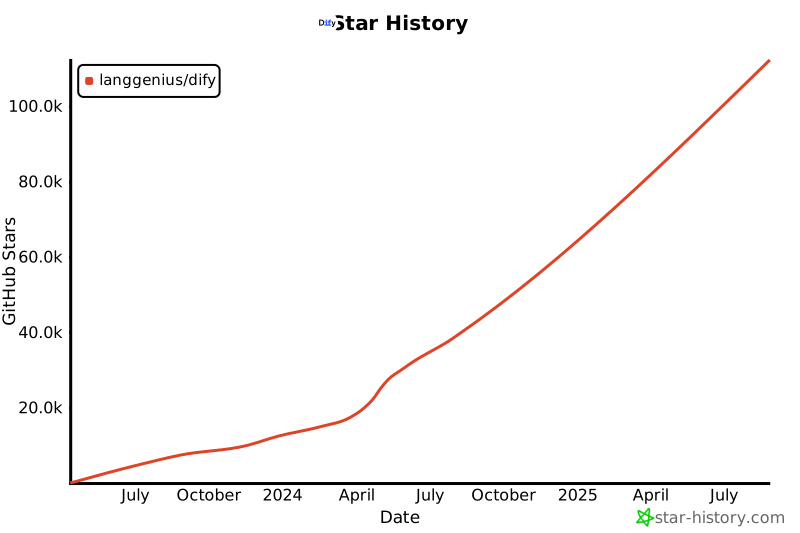](https://star-history.com/#langgenius/dify&Date)
|
||||
|
||||
## Contributing
|
||||
|
||||
For those who'd like to contribute code, see our [Contribution Guide](https://github.com/langgenius/dify/blob/main/CONTRIBUTING.md).
|
||||
For those who'd like to contribute code, see our [Contribution Guide](https://github.com/langgenius/dify/blob/main/CONTRIBUTING.md).
|
||||
|
||||
At the same time, please consider supporting Dify by sharing it on social media and at events and conferences.
|
||||
|
||||
> We are looking for contributors to help translate Dify into languages other than Mandarin or English. If you are interested in helping, please see the [i18n README](https://github.com/langgenius/dify/blob/main/web/i18n-config/README.md) for more information, and leave us a comment in the `global-users` channel of our [Discord Community Server](https://discord.gg/8Tpq4AcN9c).
|
||||
|
||||
## Community & contact
|
||||
|
||||
- [GitHub Discussion](https://github.com/langgenius/dify/discussions). Best for: sharing feedback and asking questions.
|
||||
- [GitHub Issues](https://github.com/langgenius/dify/issues). Best for: bugs you encounter using Dify.AI, and feature proposals. See our [Contribution Guide](https://github.com/langgenius/dify/blob/main/CONTRIBUTING.md).
|
||||
- [Discord](https://discord.gg/FngNHpbcY7). Best for: sharing your applications and hanging out with the community.
|
||||
- [X(Twitter)](https://twitter.com/dify_ai). Best for: sharing your applications and hanging out with the community.
|
||||
|
||||
**Contributors**
|
||||
### Contributors
|
||||
|
||||
<a href="https://github.com/langgenius/dify/graphs/contributors">
|
||||
<img src="https://contrib.rocks/image?repo=langgenius/dify" />
|
||||
</a>
|
||||
|
||||
## Star history
|
||||
### Translations
|
||||
|
||||
[](https://star-history.com/#langgenius/dify&Date)
|
||||
We are looking for contributors to help with translating Dify to languages other than Mandarin or English. If you are interested in helping, please see the [i18n README](https://github.com/langgenius/dify/blob/main/web/i18n/README_EN.md) for more information, and leave us a comment in the `global-users` channel of our [Discord Community Server](https://discord.gg/AhzKf7dNgk).
|
||||
|
||||
## Security disclosure
|
||||
## Community & Support
|
||||
|
||||
To protect your privacy, please avoid posting security issues on GitHub. Instead, report issues to security@dify.ai, and our team will respond with detailed answer.
|
||||
* [Canny](https://feedback.dify.ai/). Best for: sharing feedback and checking out our feature roadmap.
|
||||
* [GitHub Issues](https://github.com/langgenius/dify/issues). Best for: bugs you encounter using Dify.AI, and feature proposals. See our [Contribution Guide](https://github.com/langgenius/dify/blob/main/CONTRIBUTING.md).
|
||||
* [Email Support](mailto:hello@dify.ai?subject=[GitHub]Questions%20About%20Dify). Best for: questions you have about using Dify.AI.
|
||||
* [Discord](https://discord.gg/FngNHpbcY7). Best for: sharing your applications and hanging out with the community.
|
||||
* [Twitter](https://twitter.com/dify_ai). Best for: sharing your applications and hanging out with the community.
|
||||
* [Business Contact](mailto:business@dify.ai?subject=[GitHub]Business%20License%20Inquiry). Best for: business inquiries of licensing Dify.AI for commercial use.
|
||||
|
||||
### Direct Meetings
|
||||
|
||||
**Help us make Dify better. Reach out directly to us**.
|
||||
|
||||
| Point of Contact | Purpose |
|
||||
| :----------------------------------------------------------: | :----------------------------------------------------------: |
|
||||
| <a href='https://cal.com/guchenhe/15min' target='_blank'><img src='https://i.postimg.cc/fWBqSmjP/Git-Hub-README-Button-3x.png' border='0' alt='Git-Hub-README-Button-3x' height="60" width="214"/></a> | Product design feedback, user experience discussions, feature planning and roadmaps. |
|
||||
| <a href='https://cal.com/pinkbanana' target='_blank'><img src='https://i.postimg.cc/LsRTh87D/Git-Hub-README-Button-2x.png' border='0' alt='Git-Hub-README-Button-2x' height="60" width="225"/></a> | Technical support, issues, or feature requests |
|
||||
|
||||
## Security Disclosure
|
||||
|
||||
To protect your privacy, please avoid posting security issues on GitHub. Instead, send your questions to security@dify.ai and we will provide you with a more detailed answer.
|
||||
|
||||
## License
|
||||
|
||||
This repository is licensed under the [Dify Open Source License](LICENSE), based on Apache 2.0 with additional conditions.
|
||||
This repository is available under the [Dify Open Source License](LICENSE), which is essentially Apache 2.0 with a few additional restrictions.
|
||||
|
||||
129
README_CN.md
Normal file
129
README_CN.md
Normal file
@@ -0,0 +1,129 @@
|
||||
[](https://dify.ai)
|
||||
<p align="center">
|
||||
<a href="./README.md">English</a> |
|
||||
<a href="./README_CN.md">简体中文</a> |
|
||||
<a href="./README_JA.md">日本語</a> |
|
||||
<a href="./README_ES.md">Español</a> |
|
||||
<a href="./README_KL.md">Klingon</a> |
|
||||
<a href="./README_FR.md">Français</a>
|
||||
</p>
|
||||
|
||||
<p align="center">
|
||||
<a href="https://dify.ai" target="_blank">
|
||||
<img alt="Static Badge" src="https://img.shields.io/badge/AI-Dify?logo=AI&logoColor=%20%23f5f5f5&label=Dify&labelColor=%20%23155EEF&color=%23EAECF0"></a>
|
||||
<a href="https://discord.gg/FngNHpbcY7" target="_blank">
|
||||
<img src="https://img.shields.io/discord/1082486657678311454?logo=discord"
|
||||
alt="chat on Discord"></a>
|
||||
<a href="https://twitter.com/intent/follow?screen_name=dify_ai" target="_blank">
|
||||
<img src="https://img.shields.io/twitter/follow/dify_ai?style=social&logo=X"
|
||||
alt="follow on Twitter"></a>
|
||||
<a href="https://hub.docker.com/u/langgenius" target="_blank">
|
||||
<img alt="Docker Pulls" src="https://img.shields.io/docker/pulls/langgenius/dify-web"></a>
|
||||
</p>
|
||||
|
||||
<p align="center">
|
||||
<a href="https://mp.weixin.qq.com/s/TnyfIuH-tPi9o1KNjwVArw" target="_blank">
|
||||
Dify 发布 AI Agent 能力:基于不同的大型语言模型构建 GPTs 和 Assistants
|
||||
</a>
|
||||
</p>
|
||||
|
||||
Dify 是一个 LLM 应用开发平台,已经有超过 10 万个应用基于 Dify.AI 构建。它融合了 Backend as Service 和 LLMOps 的理念,涵盖了构建生成式 AI 原生应用所需的核心技术栈,包括一个内置 RAG 引擎。使用 Dify,你可以基于任何模型自部署类似 Assistants API 和 GPTs 的能力。
|
||||
|
||||

|
||||
|
||||
## 使用云端服务
|
||||
|
||||
使用 [Dify.AI Cloud](https://dify.ai) 提供开源版本的所有功能,并包含 200 次 GPT 试用额度。
|
||||
|
||||
## 为什么选择 Dify
|
||||
|
||||
Dify 具有模型中立性,相较 LangChain 等硬编码开发库 Dify 是一个完整的、工程化的技术栈,而相较于 OpenAI 的 Assistants API 你可以完全将服务部署在本地。
|
||||
|
||||
| 功能 | Dify.AI | Assistants API | LangChain |
|
||||
| --- | --- | --- | --- |
|
||||
| 编程方式 | 面向 API | 面向 API | 面向 Python 代码 |
|
||||
| 生态策略 | 开源 | 封闭且商用 | 开源 |
|
||||
| RAG 引擎 | 支持 | 支持 | 不支持 |
|
||||
| Prompt IDE | 包含 | 包含 | 没有 |
|
||||
| 支持的 LLMs | 丰富 | 仅 GPT | 丰富 |
|
||||
| 本地部署 | 支持 | 不支持 | 不适用 |
|
||||
|
||||
|
||||
## 特点
|
||||
|
||||

|
||||
|
||||
**1. LLM支持**:与 OpenAI 的 GPT 系列模型集成,或者与开源的 Llama2 系列模型集成。事实上,Dify支持主流的商业模型和开源模型(本地部署或基于 MaaS)。
|
||||
|
||||
**2. Prompt IDE**:和团队一起在 Dify 协作,通过可视化的 Prompt 和应用编排工具开发 AI 应用。 支持无缝切换多种大型语言模型。
|
||||
|
||||
**3. RAG引擎**:包括各种基于全文索引或向量数据库嵌入的 RAG 能力,允许直接上传 PDF、TXT 等各种文本格式。
|
||||
|
||||
**4. AI Agent**:基于 Function Calling 和 ReAct 的 Agent 推理框架,允许用户自定义工具,所见即所得。Dify 提供了十多种内置工具调用能力,如谷歌搜索、DELL·E、Stable Diffusion、WolframAlpha 等。
|
||||
|
||||
**5. 持续运营**:监控和分析应用日志和性能,使用生产数据持续改进 Prompt、数据集或模型。
|
||||
|
||||
## 在开始之前
|
||||
|
||||
**关注我们,您将立即收到 GitHub 上所有新发布版本的通知!**
|
||||
|
||||

|
||||
|
||||
- [网站](https://dify.ai)
|
||||
- [文档](https://docs.dify.ai)
|
||||
- [部署文档](https://docs.dify.ai/getting-started/install-self-hosted)
|
||||
- [常见问题](https://docs.dify.ai/getting-started/faq)
|
||||
|
||||
## 安装社区版
|
||||
|
||||
### 系统要求
|
||||
|
||||
在安装 Dify 之前,请确保您的机器满足以下最低系统要求:
|
||||
|
||||
- CPU >= 2 Core
|
||||
- RAM >= 4GB
|
||||
|
||||
### 快速启动
|
||||
|
||||
启动 Dify 服务器的最简单方法是运行我们的 [docker-compose.yml](docker/docker-compose.yaml) 文件。在运行安装命令之前,请确保您的机器上安装了 [Docker](https://docs.docker.com/get-docker/) 和 [Docker Compose](https://docs.docker.com/compose/install/):
|
||||
|
||||
```bash
|
||||
cd docker
|
||||
docker compose up -d
|
||||
```
|
||||
|
||||
运行后,可以在浏览器上访问 [http://localhost/install](http://localhost/install) 进入 Dify 控制台并开始初始化安装操作。
|
||||
|
||||
### Helm Chart
|
||||
|
||||
非常感谢 @BorisPolonsky 为我们提供了一个 [Helm Chart](https://helm.sh/) 版本,可以在 Kubernetes 上部署 Dify。
|
||||
您可以前往 https://github.com/BorisPolonsky/dify-helm 来获取部署信息。
|
||||
|
||||
### 配置
|
||||
|
||||
如果您需要自定义配置,请参考我们的 [docker-compose.yml](docker/docker-compose.yaml) 文件中的注释,并手动设置环境配置。更改后,请再次运行 `docker-compose up -d`。您可以在我们的[文档](https://docs.dify.ai/getting-started/install-self-hosted/environments)中查看所有环境变量的完整列表。
|
||||
|
||||
## Star History
|
||||
|
||||
[](https://star-history.com/#langgenius/dify&Date)
|
||||
|
||||
|
||||
## 社区与支持
|
||||
|
||||
我们欢迎您为 Dify 做出贡献,以帮助改善 Dify。包括:提交代码、问题、新想法,或分享您基于 Dify 创建的有趣且有用的 AI 应用程序。同时,我们也欢迎您在不同的活动、会议和社交媒体上分享 Dify。
|
||||
|
||||
- [GitHub Issues](https://github.com/langgenius/dify/issues)。👉:使用 Dify.AI 时遇到的错误和问题,请参阅[贡献指南](CONTRIBUTING.md)。
|
||||
- [电子邮件支持](mailto:hello@dify.ai?subject=[GitHub]Questions%20About%20Dify)。👉:关于使用 Dify.AI 的问题。
|
||||
- [Discord](https://discord.gg/FngNHpbcY7)。👉:分享您的应用程序并与社区交流。
|
||||
- [Twitter](https://twitter.com/dify_ai)。👉:分享您的应用程序并与社区交流。
|
||||
- [商业许可](mailto:business@dify.ai?subject=[GitHub]Business%20License%20Inquiry)。👉:有关商业用途许可 Dify.AI 的商业咨询。
|
||||
- [微信]() 👉:扫描下方二维码,添加微信好友,备注 Dify,我们将邀请您加入 Dify 社区。
|
||||
<img src="./images/wechat.png" alt="wechat" width="100"/>
|
||||
|
||||
## 安全问题
|
||||
|
||||
为了保护您的隐私,请避免在 GitHub 上发布安全问题。发送问题至 security@dify.ai,我们将为您做更细致的解答。
|
||||
|
||||
## License
|
||||
|
||||
本仓库遵循 [Dify Open Source License](LICENSE) 开源协议,该许可证本质上是 Apache 2.0,但有一些额外的限制。
|
||||
124
README_ES.md
Normal file
124
README_ES.md
Normal file
@@ -0,0 +1,124 @@
|
||||
[](https://dify.ai)
|
||||
<p align="center">
|
||||
<a href="./README.md">English</a> |
|
||||
<a href="./README_CN.md">简体中文</a> |
|
||||
<a href="./README_JA.md">日本語</a> |
|
||||
<a href="./README_ES.md">Español</a> |
|
||||
<a href="./README_KL.md">Klingon</a> |
|
||||
<a href="./README_FR.md">Français</a>
|
||||
</p>
|
||||
|
||||
<p align="center">
|
||||
<a href="https://dify.ai" target="_blank">
|
||||
<img alt="Static Badge" src="https://img.shields.io/badge/AI-Dify?logo=AI&logoColor=%20%23f5f5f5&label=Dify&labelColor=%20%23155EEF&color=%23EAECF0"></a>
|
||||
<a href="https://discord.gg/FngNHpbcY7" target="_blank">
|
||||
<img src="https://img.shields.io/discord/1082486657678311454?logo=discord"
|
||||
alt="chat on Discord"></a>
|
||||
<a href="https://twitter.com/intent/follow?screen_name=dify_ai" target="_blank">
|
||||
<img src="https://img.shields.io/twitter/follow/dify_ai?style=social&logo=X"
|
||||
alt="follow on Twitter"></a>
|
||||
<a href="https://hub.docker.com/u/langgenius" target="_blank">
|
||||
<img alt="Docker Pulls" src="https://img.shields.io/docker/pulls/langgenius/dify-web"></a>
|
||||
</p>
|
||||
|
||||
<p align="center">
|
||||
<a href="https://dify.ai/blog/dify-ai-unveils-ai-agent-creating-gpts-and-assistants-with-various-llms" target="_blank">
|
||||
Dify.AI Unveils AI Agent: Creating GPTs and Assistants with Various LLMs
|
||||
</a>
|
||||
</p>
|
||||
|
||||
**Dify** es una plataforma de desarrollo de aplicaciones para modelos de lenguaje de gran tamaño (LLM) que ya ha visto la creación de más de **100,000** aplicaciones basadas en Dify.AI. Integra los conceptos de Backend como Servicio y LLMOps, cubriendo el conjunto de tecnologías esenciales requerido para construir aplicaciones nativas de inteligencia artificial generativa, incluyendo un motor RAG incorporado. Con Dify, **puedes auto-desplegar capacidades similares a las de Assistants API y GPTs basadas en cualquier LLM.**
|
||||
|
||||

|
||||
|
||||
## Utilizar Servicios en la Nube
|
||||
|
||||
Usar [Dify.AI Cloud](https://dify.ai) proporciona todas las capacidades de la versión de código abierto, e incluye un complemento de 200 créditos de prueba para GPT.
|
||||
|
||||
## Por qué Dify
|
||||
|
||||
Dify se caracteriza por su neutralidad de modelo y es un conjunto tecnológico completo e ingenierizado, en comparación con las bibliotecas de desarrollo codificadas como LangChain. A diferencia de la API de Assistants de OpenAI, Dify permite el despliegue local completo de los servicios.
|
||||
|
||||
| Característica | Dify.AI | API de Assistants | LangChain |
|
||||
|----------------|---------|------------------|-----------|
|
||||
| **Enfoque de Programación** | Orientado a API | Orientado a API | Orientado a Código en Python |
|
||||
| **Estrategia del Ecosistema** | Código Abierto | Cerrado y Comercial | Código Abierto |
|
||||
| **Motor RAG** | Soportado | Soportado | No Soportado |
|
||||
| **IDE de Prompts** | Incluido | Incluido | Ninguno |
|
||||
| **LLMs Soportados** | Gran Variedad | Solo GPT | Gran Variedad |
|
||||
| **Despliegue Local** | Soportado | No Soportado | No Aplicable |
|
||||
|
||||
## Características
|
||||
|
||||

|
||||
|
||||
**1. Soporte LLM**: Integración con la familia de modelos GPT de OpenAI, o los modelos de la familia Llama2 de código abierto. De hecho, Dify soporta modelos comerciales convencionales y modelos de código abierto (desplegados localmente o basados en MaaS).
|
||||
|
||||
**2. IDE de Prompts**: Orquestación visual de aplicaciones y servicios basados en LLMs con tu equipo.
|
||||
|
||||
**3. Motor RAG**: Incluye varias capacidades RAG basadas en indexación de texto completo o incrustaciones de base de datos vectoriales, permitiendo la carga directa de PDFs, TXTs y otros formatos de texto.
|
||||
|
||||
**4. Agente de IA**: Basado en la llamada de funciones y ReAct, el marco de inferencia del Agente permite a los usuarios personalizar las herramientas, lo que ves es lo que obtienes. Dify proporciona más de una docena de capacidades de llamada de herramientas incorporadas, como Búsqueda de Google, DELL·E, Difusión Estable, WolframAlpha, etc.
|
||||
|
||||
**5. Operaciones Continuas**: Monitorear y analizar registros de aplicaciones y rendimiento, mejorando continuamente Prompts, conjuntos de datos o modelos usando datos de producción.
|
||||
|
||||
## Antes de Empezar
|
||||
|
||||
**¡Danos una estrella, y recibirás notificaciones instantáneas de todos los nuevos lanzamientos en GitHub!**
|
||||
|
||||

|
||||
|
||||
- [Sitio web](https://dify.ai)
|
||||
- [Documentación](https://docs.dify.ai)
|
||||
- [Documentación de Implementación](https://docs.dify.ai/getting-started/install-self-hosted)
|
||||
- [Preguntas Frecuentes](https://docs.dify.ai/getting-started/faq)
|
||||
|
||||
## Instalar la Edición Comunitaria
|
||||
|
||||
### Requisitos del Sistema
|
||||
|
||||
Antes de instalar Dify, asegúrate de que tu máquina cumpla con los siguientes requisitos mínimos del sistema:
|
||||
|
||||
- CPU >= 2 núcleos
|
||||
- RAM >= 4GB
|
||||
|
||||
### Inicio Rápido
|
||||
|
||||
La forma más sencilla de iniciar el servidor de Dify es ejecutar nuestro archivo [docker-compose.yml](docker/docker-compose.yaml). Antes de ejecutar el comando de instalación, asegúrate de que [Docker](https://docs.docker.com/get-docker/) y [Docker Compose](https://docs.docker.com/compose/install/) estén instalados en tu máquina:
|
||||
|
||||
```bash
|
||||
cd docker
|
||||
docker compose up -d
|
||||
```
|
||||
|
||||
Después de ejecutarlo, puedes acceder al panel de control de Dify en tu navegador en [http://localhost/install](http://localhost/install) y comenzar el proceso de instalación de inicialización.
|
||||
|
||||
### Gráfico Helm
|
||||
|
||||
Un gran agradecimiento a @BorisPolonsky por proporcionarnos una versión del [Gráfico Helm](https://helm.sh/), que permite implementar Dify en Kubernetes. Puedes visitar https://github.com/BorisPolonsky/dify-helm para obtener información sobre la implementación.
|
||||
|
||||
### Configuración
|
||||
|
||||
Si necesitas personalizar la configuración, consulta los comentarios en nuestro archivo [docker-compose.yml](docker/docker-compose.yaml) y configura manualmente la configuración del entorno. Después de realizar los cambios, ejecuta nuevamente `docker-compose up -d`. Puedes ver la lista completa de variables de entorno en nuestra [documentación](https://docs.dify.ai/getting-started/install-self-hosted/environments).
|
||||
|
||||
## Historial de Estrellas
|
||||
|
||||
[](https://star-history.com/#langgenius/dify&Date)
|
||||
|
||||
## Comunidad y Soporte
|
||||
|
||||
Te damos la bienvenida a contribuir a Dify para ayudar a hacer que Dify sea mejor de diversas maneras, enviando código, informando problemas, proponiendo nuevas ideas o compartiendo las aplicaciones de inteligencia artificial interesantes y útiles que hayas creado basadas en Dify. Al mismo tiempo, también te invitamos a compartir Dify en diferentes eventos, conferencias y redes sociales.
|
||||
|
||||
- [Problemas en GitHub](https://github.com/langgenius/dify/issues). Lo mejor para: errores y problemas que encuentres al usar Dify.AI, consulta la [Guía de Contribución](CONTRIBUTING.md).
|
||||
- [Soporte por Correo Electrónico](mailto:hello@dify.ai?subject=[GitHub]Preguntas%20sobre%20Dify). Lo mejor para: preguntas que tengas sobre el uso de Dify.AI.
|
||||
- [Discord](https://discord.gg/FngNHpbcY7). Lo mejor para: compartir tus aplicaciones y socializar con la comunidad.
|
||||
- [Twitter](https://twitter.com/dify_ai). Lo mejor para: compartir tus aplicaciones y socializar con la comunidad.
|
||||
- [Licencia Comercial](mailto:business@dify.ai?subject=[GitHub]Consulta%20de%20Licencia%20Comercial). Lo mejor para: consultas comerciales sobre la licencia de Dify.AI para uso comercial.
|
||||
|
||||
## Divulgación de Seguridad
|
||||
|
||||
Para proteger tu privacidad, evita publicar problemas de seguridad en GitHub. En su lugar, envía tus preguntas a security@dify.ai y te proporcionaremos una respuesta más detallada.
|
||||
|
||||
## Licencia
|
||||
|
||||
Este repositorio está disponible bajo la [Licencia de Código Abierto Dify](LICENSE), que es esencialmente Apache 2.0 con algunas restricciones adicionales.
|
||||
127
README_FR.md
Normal file
127
README_FR.md
Normal file
@@ -0,0 +1,127 @@
|
||||
[](https://dify.ai)
|
||||
<p align="center">
|
||||
<a href="./README.md">English</a> |
|
||||
<a href="./README_CN.md">简体中文</a> |
|
||||
<a href="./README_JA.md">日本語</a> |
|
||||
<a href="./README_ES.md">Español</a> |
|
||||
<a href="./README_KL.md">Klingon</a> |
|
||||
<a href="./README_FR.md">Français</a>
|
||||
</p>
|
||||
|
||||
<p align="center">
|
||||
<a href="https://dify.ai" target="_blank">
|
||||
<img alt="Static Badge" src="https://img.shields.io/badge/AI-Dify?logo=AI&logoColor=%20%23f5f5f5&label=Dify&labelColor=%20%23155EEF&color=%23EAECF0"></a>
|
||||
<a href="https://discord.gg/FngNHpbcY7" target="_blank">
|
||||
<img src="https://img.shields.io/discord/1082486657678311454?logo=discord"
|
||||
alt="chat on Discord"></a>
|
||||
<a href="https://twitter.com/intent/follow?screen_name=dify_ai" target="_blank">
|
||||
<img src="https://img.shields.io/twitter/follow/dify_ai?style=social&logo=X"
|
||||
alt="follow on Twitter"></a>
|
||||
<a href="https://hub.docker.com/u/langgenius" target="_blank">
|
||||
<img alt="Docker Pulls" src="https://img.shields.io/docker/pulls/langgenius/dify-web"></a>
|
||||
</p>
|
||||
|
||||
<p align="center">
|
||||
<a href="https://dify.ai/blog/dify-ai-unveils-ai-agent-creating-gpts-and-assistants-with-various-llms" target="_blank">
|
||||
Dify.AI Unveils AI Agent: Creating GPTs and Assistants with Various LLMs
|
||||
</a>
|
||||
</p>
|
||||
|
||||
|
||||
**Dify** est une plateforme de développement d'applications LLM qui a déjà vu plus de **100,000** applications construites sur Dify.AI. Elle intègre les concepts de Backend as a Service et LLMOps, couvrant la pile technologique de base requise pour construire des applications natives d'IA générative, y compris un moteur RAG intégré. Avec Dify, **vous pouvez auto-déployer des capacités similaires aux API Assistants et GPT basées sur n'importe quels LLM.**
|
||||
|
||||

|
||||
|
||||
## Utiliser les services cloud
|
||||
|
||||
L'utilisation de [Dify.AI Cloud](https://dify.ai) fournit toutes les capacités de la version open source, et comprend un essai gratuit de 200 crédits GPT.
|
||||
|
||||
## Pourquoi Dify
|
||||
|
||||
Dify présente une neutralité de modèle et est une pile technologique complète et conçue par rapport à des bibliothèques de développement codées en dur comme LangChain. Contrairement à l'API Assistants d'OpenAI, Dify permet un déploiement local complet des services.
|
||||
|
||||
| Fonctionnalité | Dify.AI | API Assistants | LangChain |
|
||||
|---------------|----------|-----------------|------------|
|
||||
| **Approche de programmation** | Orientée API | Orientée API | Orientée code Python |
|
||||
| **Stratégie écosystème** | Open source | Fermé et commercial | Open source |
|
||||
| **Moteur RAG** | Pris en charge | Pris en charge | Non pris en charge |
|
||||
| **IDE d'invite** | Inclus | Inclus | Aucun |
|
||||
| **LLM pris en charge** | Grande variété | Seulement GPT | Grande variété |
|
||||
| **Déploiement local** | Pris en charge | Non pris en charge | Non applicable |
|
||||
|
||||
## Fonctionnalités
|
||||
|
||||

|
||||
|
||||
**1\. Support LLM**: Intégration avec la famille de modèles GPT d'OpenAI, ou les modèles de la famille open source Llama2. En fait, Dify prend en charge les modèles commerciaux grand public et les modèles open source (déployés localement ou basés sur MaaS).
|
||||
|
||||
**2\. IDE d'invite**: Orchestration visuelle d'applications et de services basés sur LLMs avec votre équipe.
|
||||
|
||||
**3\. Moteur RAG**: Comprend diverses capacités RAG basées sur l'indexation de texte intégral ou les embeddings de base de données vectorielles, permettant le chargement direct de PDF, TXT et autres formats de texte.
|
||||
|
||||
**4\. AI Agent**: Basé sur l'appel de fonction et ReAct, le framework d'inférence de l'Agent permet aux utilisateurs de personnaliser les outils, ce que vous voyez est ce que vous obtenez. Dify propose plus d'une douzaine de capacités d'appel d'outils intégrées, telles que la recherche Google, DELL·E, Diffusion Stable, WolframAlpha, etc.
|
||||
|
||||
**5\. Opérations continues**: Surveillez et analysez les journaux et les performances des applications, améliorez en continu les invites, les datasets ou les modèles à l'aide de données de production.
|
||||
|
||||
## Avant de commencer
|
||||
|
||||
**Étoilez-nous, et vous recevrez des notifications instantanées pour toutes les nouvelles sorties sur GitHub !**
|
||||

|
||||
|
||||
- [Site web](https://dify.ai)
|
||||
- [Documentation](https://docs.dify.ai)
|
||||
- [Documentation de déploiement](https://docs.dify.ai/getting-started/install-self-hosted)
|
||||
- [FAQ](https://docs.dify.ai/getting-started/faq)
|
||||
|
||||
|
||||
## Installer la version Communauté
|
||||
|
||||
### Configuration système
|
||||
|
||||
Avant d'installer Dify, assurez-vous que votre machine répond aux exigences minimales suivantes:
|
||||
|
||||
- CPU >= 2 cœurs
|
||||
- RAM >= 4 Go
|
||||
|
||||
### Démarrage rapide
|
||||
|
||||
La façon la plus simple de démarrer le serveur Dify est d'exécuter notre fichier [docker-compose.yml](docker/docker-compose.yaml). Avant d'exécuter la commande d'installation, assurez-vous que [Docker](https://docs.docker.com/get-docker/) et [Docker Compose](https://docs.docker.com/compose/install/) sont installés sur votre machine:
|
||||
|
||||
```bash
|
||||
cd docker
|
||||
docker compose up -d
|
||||
```
|
||||
|
||||
Après l'exécution, vous pouvez accéder au tableau de bord Dify dans votre navigateur à l'adresse [http://localhost/install](http://localhost/install) et démarrer le processus d'installation initiale.
|
||||
|
||||
### Chart Helm
|
||||
|
||||
Un grand merci à @BorisPolonsky pour nous avoir fourni une version [Helm Chart](https://helm.sh/) qui permet le déploiement de Dify sur Kubernetes.
|
||||
Vous pouvez accéder à https://github.com/BorisPolonsky/dify-helm pour des informations de déploiement.
|
||||
|
||||
### Configuration
|
||||
|
||||
Si vous avez besoin de personnaliser la configuration, veuillez vous référer aux commentaires de notre fichier [docker-compose.yml](docker/docker-compose.yaml) et définir manuellement la configuration de l'environnement. Après avoir apporté les modifications, veuillez exécuter à nouveau `docker-compose up -d`. Vous trouverez la liste complète des variables d'environnement dans notre [documentation](https://docs.dify.ai/getting-started/install-self-hosted/environments).
|
||||
|
||||
## Historique d'étoiles
|
||||
|
||||
[](https://star-history.com/#langgenius/dify&Date)
|
||||
|
||||
|
||||
## Communauté & Support
|
||||
|
||||
Nous vous invitons à contribuer à Dify pour aider à améliorer Dify de diverses manières, en soumettant du code, des problèmes, de nouvelles idées ou en partageant les applications d'IA intéressantes et utiles que vous avez créées sur la base de Dify. En même temps, nous vous invitons également à partager Dify lors de différents événements, conférences et réseaux sociaux.
|
||||
|
||||
- [Problèmes GitHub](https://github.com/langgenius/dify/issues). Idéal pour : les bogues et les erreurs que vous rencontrez en utilisant Dify.AI, voir le [Guide de contribution](CONTRIBUTING.md).
|
||||
- [Support par courriel](mailto:hello@dify.ai?subject=[GitHub]Questions%20About%20Dify). Idéal pour : les questions que vous avez au sujet de l'utilisation de Dify.AI.
|
||||
- [Discord](https://discord.gg/FngNHpbcY7). Idéal pour : partager vos applications et discuter avec la communauté.
|
||||
- [Twitter](https://twitter.com/dify_ai). Idéal pour : partager vos applications et discuter avec la communauté.
|
||||
- [Licence commerciale](mailto:business@dify.ai?subject=[GitHub]Business%20License%20Inquiry). Idéal pour : les demandes commerciales de licence de Dify.AI pour un usage commercial.
|
||||
|
||||
## Divulgation de la sécurité
|
||||
|
||||
Pour protéger votre vie privée, veuillez éviter de publier des problèmes de sécurité sur GitHub. Envoyez plutôt vos questions à security@dify.ai et nous vous fournirons une réponse plus détaillée.
|
||||
|
||||
## Licence
|
||||
|
||||
Ce référentiel est disponible sous la [Licence open source Dify](LICENSE), qui est essentiellement Apache 2.0 avec quelques restrictions supplémentaires.
|
||||
130
README_JA.md
Normal file
130
README_JA.md
Normal file
@@ -0,0 +1,130 @@
|
||||
[](https://dify.ai)
|
||||
<p align="center">
|
||||
<a href="./README.md">English</a> |
|
||||
<a href="./README_CN.md">简体中文</a> |
|
||||
<a href="./README_JA.md">日本語</a> |
|
||||
<a href="./README_ES.md">Español</a> |
|
||||
<a href="./README_KL.md">Klingon</a> |
|
||||
<a href="./README_FR.md">Français</a>
|
||||
</p>
|
||||
|
||||
<p align="center">
|
||||
<a href="https://dify.ai" target="_blank">
|
||||
<img alt="Static Badge" src="https://img.shields.io/badge/AI-Dify?logo=AI&logoColor=%20%23f5f5f5&label=Dify&labelColor=%20%23155EEF&color=%23EAECF0"></a>
|
||||
<a href="https://discord.gg/FngNHpbcY7" target="_blank">
|
||||
<img src="https://img.shields.io/discord/1082486657678311454?logo=discord"
|
||||
alt="chat on Discord"></a>
|
||||
<a href="https://twitter.com/intent/follow?screen_name=dify_ai" target="_blank">
|
||||
<img src="https://img.shields.io/twitter/follow/dify_ai?style=social&logo=X"
|
||||
alt="follow on Twitter"></a>
|
||||
<a href="https://hub.docker.com/u/langgenius" target="_blank">
|
||||
<img alt="Docker Pulls" src="https://img.shields.io/docker/pulls/langgenius/dify-web"></a>
|
||||
</p>
|
||||
|
||||
<p align="center">
|
||||
<a href="https://dify.ai/blog/dify-ai-unveils-ai-agent-creating-gpts-and-assistants-with-various-llms" target="_blank">
|
||||
Dify.AI Unveils AI Agent: Creating GPTs and Assistants with Various LLMs
|
||||
</a>
|
||||
</p>
|
||||
|
||||
|
||||
"Difyは、既にDify.AI上で10万以上のアプリケーションが構築されているLLMアプリケーション開発プラットフォームです。バックエンド・アズ・ア・サービスとLLMOpsの概念を統合し、組み込みのRAGエンジンを含む、生成AIネイティブアプリケーションを構築するためのコアテックスタックをカバーしています。Difyを使用すると、どのLLMに基づいても、Assistants APIやGPTのような機能を自己デプロイすることができます。"
|
||||
|
||||
Please note that translating complex technical terms can sometimes result in slight variations in meaning due to differences in language nuances.
|
||||
|
||||

|
||||
|
||||
## クラウドサービスの利用
|
||||
|
||||
[Dify.AI Cloud](https://dify.ai) を使用すると、オープンソース版の全機能を利用でき、さらに200GPTのトライアルクレジットが無料で提供されます。
|
||||
|
||||
## Difyの利点
|
||||
|
||||
Difyはモデルニュートラルであり、LangChainのようなハードコードされた開発ライブラリと比較して、完全にエンジニアリングされた技術スタックを特徴としています。OpenAIのAssistants APIとは異なり、Difyではサービスの完全なローカルデプロイメントが可能です。
|
||||
|
||||
| 機能 | Dify.AI | Assistants API | LangChain |
|
||||
|---------|---------|----------------|-----------|
|
||||
| **プログラミングアプローチ** | API指向 | API指向 | Pythonコード指向 |
|
||||
| **エコシステム戦略** | オープンソース | 閉鎖的かつ商業的 | オープンソース |
|
||||
| **RAGエンジン** | サポート済み | サポート済み | 非サポート |
|
||||
| **プロンプトIDE** | 含まれる | 含まれる | なし |
|
||||
| **サポートされるLLMs** | 豊富な種類 | GPTのみ | 豊富な種類 |
|
||||
| **ローカルデプロイメント** | サポート済み | 非サポート | 該当なし |
|
||||
|
||||
## 機能
|
||||
|
||||

|
||||
|
||||
**1\. LLMサポート**: OpenAIのGPTファミリーモデルやLlama2ファミリーのオープンソースモデルとの統合。 実際、Difyは主要な商用モデルとオープンソースモデル(ローカルでデプロイまたはMaaSベース)をサポートしています。
|
||||
|
||||
**2\. プロンプトIDE**: チームとのLLMベースのアプリケーションとサービスの視覚的なオーケストレーション。
|
||||
|
||||
**3\. RAGエンジン**: フルテキストインデックスまたはベクトルデータベース埋め込みに基づくさまざまなRAG機能を含み、PDF、TXT、その他のテキストフォーマットの直接アップロードを可能にします。
|
||||
|
||||
**4. AIエージェント**: 関数呼び出しとReActに基づくAgent推論フレームワークにより、ユーザーはツールをカスタマイズすることができます。Difyは、Google検索、DELL·E、Stable Diffusion、WolframAlphaなど、十数種類の組み込みツール呼び出し機能を提供しています。
|
||||
|
||||
**5\. 継続的運用**: アプリケーションログとパフォーマンスを監視および分析し、運用データを使用してプロンプト、データセット、またはモデルを継続的に改善します。
|
||||
|
||||
## 開始する前に
|
||||
|
||||
**私たちをスターして、GitHub上でのすべての新しいリリースに対する即時通知を受け取ります!**
|
||||
|
||||

|
||||
|
||||
- [Website](https://dify.ai)
|
||||
- [Docs](https://docs.dify.ai)
|
||||
- [Deployment Docs](https://docs.dify.ai/getting-started/install-self-hosted)
|
||||
- [FAQ](https://docs.dify.ai/getting-started/faq)
|
||||
|
||||
|
||||
## コミュニティエディションのインストール
|
||||
|
||||
### システム要件
|
||||
|
||||
Difyをインストールする前に、以下の最低限のシステム要件を満たしていることを確認してください:
|
||||
|
||||
- CPU >= 2コア
|
||||
- RAM >= 4GB
|
||||
|
||||
### クイックスタート
|
||||
|
||||
Difyサーバーを始める最も簡単な方法は、[docker-compose.yml](docker/docker-compose.yaml) ファイルを実行することです。インストールコマンドを実行する前に、マシンに [Docker](https://docs.docker.com/get-docker/) と [Docker Compose](https://docs.docker.com/compose/install/) がインストールされていることを確認してください:
|
||||
|
||||
```bash
|
||||
cd docker
|
||||
docker compose up -d
|
||||
```
|
||||
|
||||
実行後、ブラウザで [http://localhost/install](http://localhost/install) にアクセスし、初期化インストールプロセスを開始できます。
|
||||
|
||||
### Helm Chart
|
||||
|
||||
@BorisPolonskyによる[Helm Chart](https://helm.sh/) バージョンを提供してくれて、大変感謝しています。これにより、DifyはKubernetes上にデプロイすることができます。
|
||||
デプロイ情報については、https://github.com/BorisPolonsky/dify-helm をご覧ください。
|
||||
|
||||
### 設定
|
||||
|
||||
設定をカスタマイズする必要がある場合は、[docker-compose.yml](docker/docker-compose.yaml) ファイルのコメントを参照し、環境設定を手動で行ってください。変更を行った後は、もう一度 `docker-compose up -d` を実行してください。環境変数の完全なリストは、[ドキュメント](https://docs.dify.ai/getting-started/install-self-hosted/environments)で確認できます。
|
||||
|
||||
|
||||
## スターヒストリー
|
||||
|
||||
[](https://star-history.com/#langgenius/dify&Date)
|
||||
|
||||
## コミュニティとサポート
|
||||
|
||||
Difyに貢献していただき、コードの提出、問題の報告、新しいアイデアの提供、またはDifyを基に作成した興味深く有用なAIアプリケーションの共有により、Difyをより良いものにするお手伝いを歓迎します。同時に、さまざまなイベント、会議、ソーシャルメディアでDifyを共有することも歓迎します。
|
||||
|
||||
- [GitHub Issues](https://github.com/langgenius/dify/issues)。最適な使用法:Dify.AIの使用中に遭遇するバグやエラー、[貢献ガイド](CONTRIBUTING.md)を参照。
|
||||
- [Email サポート](mailto:hello@dify.ai?subject=[GitHub]Questions%20About%20Dify)。最適な使用法:Dify.AIの使用に関する質問。
|
||||
- [Discord](https://discord.gg/FngNHpbcY7)。最適な使用法:アプリケーションの共有とコミュニティとの交流。
|
||||
- [Twitter](https://twitter.com/dify_ai)。最適な使用法:アプリケーションの共有とコミュニティとの交流。
|
||||
- [ビジネスライセンス](mailto:business@dify.ai?subject=[GitHub]Business%20License%20Inquiry)。最適な使用法:Dify.AIを商業利用するためのビジネス関連の問い合わせ。
|
||||
|
||||
## セキュリティ
|
||||
|
||||
プライバシー保護のため、GitHub へのセキュリティ問題の投稿は避けてください。代わりに、あなたの質問を security@dify.ai に送ってください。より詳細な回答を提供します。
|
||||
|
||||
## ライセンス
|
||||
|
||||
このリポジトリは、基本的にApache 2.0にいくつかの追加制限を加えた[Difyオープンソースライセンス](LICENSE)の下で利用できます。
|
||||
119
README_KL.md
Normal file
119
README_KL.md
Normal file
@@ -0,0 +1,119 @@
|
||||
[](https://dify.ai)
|
||||
<p align="center">
|
||||
<a href="./README.md">English</a> |
|
||||
<a href="./README_CN.md">简体中文</a> |
|
||||
<a href="./README_JA.md">日本語</a> |
|
||||
<a href="./README_ES.md">Español</a> |
|
||||
<a href="./README_KL.md">Klingon</a> |
|
||||
<a href="./README_FR.md">Français</a>
|
||||
</p>
|
||||
|
||||
<p align="center">
|
||||
<a href="https://dify.ai" target="_blank">
|
||||
<img alt="Static Badge" src="https://img.shields.io/badge/AI-Dify?logo=AI&logoColor=%20%23f5f5f5&label=Dify&labelColor=%20%23155EEF&color=%23EAECF0"></a>
|
||||
<a href="https://discord.gg/FngNHpbcY7" target="_blank">
|
||||
<img src="https://img.shields.io/discord/1082486657678311454?logo=discord"
|
||||
alt="chat on Discord"></a>
|
||||
<a href="https://twitter.com/intent/follow?screen_name=dify_ai" target="_blank">
|
||||
<img src="https://img.shields.io/twitter/follow/dify_ai?style=social&logo=X"
|
||||
alt="follow on Twitter"></a>
|
||||
<a href="https://hub.docker.com/u/langgenius" target="_blank">
|
||||
<img alt="Docker Pulls" src="https://img.shields.io/docker/pulls/langgenius/dify-web"></a>
|
||||
</p>
|
||||
|
||||
**Dify** Hoch LLM qorwI' pIqoDvam pagh laHta' je **100,000** pIqoDvamvam Dify.AI De'wI'. Dify leghpu' Backend chu' a Service teH LLMOps vItlhutlh, generative AI-native pIqoD teq wa'vam, vIyoD Built-in RAG engine. Dify, **'ej chenmoHmoH Hoch 'oHna' Assistant API 'ej GPTmey HoStaHbogh LLMmey.**
|
||||
|
||||

|
||||
|
||||
## ngIl QaQ
|
||||
|
||||
[Dify.AI ngIl](https://dify.ai) pIm neHlaH 'ej ghaH. cha'logh wa' DIvI' 200 GPT trial credits.
|
||||
|
||||
## Dify WovmoH
|
||||
|
||||
Dify Daq rIn neutrality 'ej Hoch, LangChain tInHar HubwI'. maH Daqbe'law' Qawqar, OpenAI's Assistant API Daq local neH deployment.
|
||||
|
||||
| Qo'logh | Dify.AI | Assistants API | LangChain |
|
||||
|---------|---------|----------------|-----------|
|
||||
| **qet QaS** | API-oriented | API-oriented | Python Code-oriented |
|
||||
| **Ecosystem Strategy** | Open Source | Closed and Commercial | Open Source |
|
||||
| **RAG Engine** | Ha'qu' | Ha'qu' | ghoS Ha'qu' |
|
||||
| **Prompt IDE** | jaH Include | jaH Include | qeylIS qaq |
|
||||
| **qet LLMmey** | bo'Degh Hoch | GPTmey tIn | bo'Degh Hoch |
|
||||
| **local deployment** | Ha'qu' | tInHa'qu' | tInHa'qu' ghogh |
|
||||
|
||||
## ruch
|
||||
|
||||

|
||||
|
||||
**1. LLM tIq**: OpenAI's GPT Hur nISmoHvam neH vIngeH, wa' Llama2 Hur nISmoHvam. Heghlu'lu'pu' Dify mIw 'oH choH qay'be'.Daq commercial Hurmey 'ej Open Source Hurmey (maqtaHvIS pagh locally neH neH deployment HoSvam).
|
||||
|
||||
**2. Prompt IDE**: cha'logh wa' LLMmey Hoch janlu'pu' 'ej lughpu' choH qay'be'.
|
||||
|
||||
**3. RAG Engine**: RAG vaD tIqpu' lo'taH indexing qor neH vector database wa' embeddings wIj, PDFs, TXTs, 'ej ghojmoHmoH HIq qorlIj je upload.
|
||||
|
||||
**4. AI Agent**: Function Calling 'ej ReAct Daq Hurmey, Agent inference framework Hoch users customize tools, vaj 'oH QaQ. Dify Hoch loS ghaH 'ej wa'vatlh built-in tool calling capabilities, Google Search, DELL·E, Stable Diffusion, WolframAlpha, 'ej.
|
||||
|
||||
**5. QaS muDHa'wI': cha'logh wa' pIq mI' logs 'ej quv yIn, vItlhutlh tIq 'e'wIj lo'taHmoHmoH Prompts, vItlhutlh, Hurmey ghaH production data jatlh.
|
||||
|
||||
## Do'wI' qabmey lo'taH
|
||||
|
||||
**maHvaD jatlhchugh, GitHub Daq Hoch chu' ghompu'vam tIqel yInob!**
|
||||
|
||||

|
||||
|
||||
- [Website](https://dify.ai)
|
||||
- [Docs](https://docs.dify.ai)
|
||||
- [lo'taHmoH Docs](https://docs.dify.ai/getting-started/install-self-hosted)
|
||||
- [FAQ](https://docs.dify.ai/getting-started/faq)
|
||||
|
||||
## Community Edition tu' yo'
|
||||
|
||||
### System Qab
|
||||
|
||||
Dify yo' yo' qaqmeH SuS chenmoH 'oH qech!
|
||||
|
||||
- CPU >= 2 Cores
|
||||
- RAM >= 4GB
|
||||
|
||||
### Quick Start
|
||||
|
||||
Dify server luHoHtaHlu' vIngeH lo'laHbe'chugh vIyoD [docker-compose.yml](docker/docker-compose.yaml) QorwI'ghach. toH yItlhutlh chenmoH luH!chugh 'ay' vaj vIneHmeH, 'ej [Docker](https://docs.docker.com/get-docker/) 'ej [Docker Compose](https://docs.docker.com/compose/install/) vaj 'oH 'e' vIneHmeH:
|
||||
|
||||
```bash
|
||||
cd docker
|
||||
docker compose up -d
|
||||
```
|
||||
|
||||
luHoHtaHmeH HoHtaHvIS, Dify dashboard vIneHmeH vIngeH lI'wI' [http://localhost/install](http://localhost/install) 'ej 'oH initialization 'e' vIneHmeH.
|
||||
|
||||
### Helm Chart
|
||||
|
||||
@BorisPolonsky Dify wIq tIq ['ay'var (Helm Chart)](https://helm.sh/) version Hur yIn chu' Dify luHoHchu'. Heghlu'lu' vIneHmeH [https://github.com/BorisPolonsky/dify-helm](https://github.com/BorisPolonsky/dify-helm) 'ej vaj QaS deployment information.
|
||||
|
||||
### veS config
|
||||
|
||||
chenmoHDI' config lo'taH ghaH, vItlhutlh HIq wIgharghbe'lu'pu'. toH lo'taHvIS pagh vay' vIneHmeH, 'ej `docker-compose up -d` wa'DIch. tIqmoHmeH list full wa' lo'taHvo'lu'pu' ghaH [docs](https://docs.dify.ai/getting-started/install-self-hosted/environments).
|
||||
|
||||
## tIng qem
|
||||
|
||||
[](https://star-history.com/#langgenius/dify&Date)
|
||||
|
||||
## choHmoH 'ej vItlhutlh
|
||||
|
||||
Dify choHmoH je mIw Dify puqloD, Dify ghaHta'bogh vItlhutlh, HurDI' code, ghItlh, ghItlh qo'lu'pu'pu' qej. tIqmeH, Hurmey je, Dify Hur tIqDI' woDDaj, DuD QangmeH 'ej HInobDaq vItlhutlh HImej Dify'e'.
|
||||
|
||||
- [GitHub vItlhutlh](https://github.com/langgenius/dify/issues). Hurmey: bugs 'ej errors Dify.AI tIqmeH. yImej [Contribution Guide](CONTRIBUTING.md).
|
||||
- [Email QaH](mailto:hello@dify.ai?subject=[GitHub]Questions%20About%20Dify). Hurmey: questions vItlhutlh Dify.AI chaw'.
|
||||
- [Discord](https://discord.gg/FngNHpbcY7). Hurmey: jIpuv 'ej jImej mIw Dify vItlhutlh.
|
||||
- [Twitter](https://twitter.com/dify_ai). Hurmey: jIpuv 'ej jImej mIw Dify vItlhutlh.
|
||||
- [Business License](mailto:business@dify.ai?subject=[GitHub]Business%20License%20Inquiry). Hurmey: qurgh vItlhutlh Hurmey Dify.AI tIqbe'law'.
|
||||
|
||||
## bIQDaqmey bom
|
||||
|
||||
taghlI' vIngeH'a'? pong security 'oH posting GitHub. yItlhutlh, toH security@dify.ai 'ej vIngeH'a'.
|
||||
|
||||
## License
|
||||
|
||||
ghItlh puqloD chenmoH [Dify vItlhutlh Hur](LICENSE), ghaH nIvbogh Apache 2.0.
|
||||
|
||||
@@ -1,19 +1,11 @@
|
||||
.env
|
||||
*.env.*
|
||||
|
||||
storage/generate_files/*
|
||||
storage/privkeys/*
|
||||
storage/tools/*
|
||||
storage/upload_files/*
|
||||
|
||||
# Logs
|
||||
logs
|
||||
*.log*
|
||||
|
||||
# jetbrains
|
||||
.idea
|
||||
.mypy_cache
|
||||
.ruff_cache
|
||||
|
||||
# venv
|
||||
.venv
|
||||
.idea
|
||||
598
api/.env.example
598
api/.env.example
@@ -1,418 +1,103 @@
|
||||
# Server Edition
|
||||
EDITION=SELF_HOSTED
|
||||
|
||||
# Your App secret key will be used for securely signing the session cookie
|
||||
# Make sure you are changing this key for your deployment with a strong key.
|
||||
# You can generate a strong key using `openssl rand -base64 42`.
|
||||
# Alternatively you can set it with `SECRET_KEY` environment variable.
|
||||
SECRET_KEY=
|
||||
|
||||
# Ensure UTF-8 encoding
|
||||
LANG=en_US.UTF-8
|
||||
LC_ALL=en_US.UTF-8
|
||||
PYTHONIOENCODING=utf-8
|
||||
|
||||
# Console API base URL
|
||||
CONSOLE_API_URL=http://localhost:5001
|
||||
CONSOLE_WEB_URL=http://localhost:3000
|
||||
CONSOLE_API_URL=http://127.0.0.1:5001
|
||||
CONSOLE_WEB_URL=http://127.0.0.1:3000
|
||||
|
||||
# Service API base URL
|
||||
SERVICE_API_URL=http://localhost:5001
|
||||
SERVICE_API_URL=http://127.0.0.1:5001
|
||||
|
||||
# Web APP base URL
|
||||
APP_WEB_URL=http://localhost:3000
|
||||
APP_WEB_URL=http://127.0.0.1:3000
|
||||
|
||||
# Files URL
|
||||
FILES_URL=http://localhost:5001
|
||||
FILES_URL=http://127.0.0.1:5001
|
||||
|
||||
# INTERNAL_FILES_URL is used for plugin daemon communication within Docker network.
|
||||
# Set this to the internal Docker service URL for proper plugin file access.
|
||||
# Example: INTERNAL_FILES_URL=http://api:5001
|
||||
INTERNAL_FILES_URL=http://127.0.0.1:5001
|
||||
|
||||
# TRIGGER URL
|
||||
TRIGGER_URL=http://localhost:5001
|
||||
|
||||
# The time in seconds after the signature is rejected
|
||||
FILES_ACCESS_TIMEOUT=300
|
||||
|
||||
# Access token expiration time in minutes
|
||||
ACCESS_TOKEN_EXPIRE_MINUTES=60
|
||||
|
||||
# Refresh token expiration time in days
|
||||
REFRESH_TOKEN_EXPIRE_DAYS=30
|
||||
# celery configuration
|
||||
CELERY_BROKER_URL=redis://:difyai123456@localhost:6379/1
|
||||
|
||||
# redis configuration
|
||||
REDIS_HOST=localhost
|
||||
REDIS_PORT=6379
|
||||
REDIS_USERNAME=
|
||||
REDIS_PASSWORD=difyai123456
|
||||
REDIS_USE_SSL=false
|
||||
# SSL configuration for Redis (when REDIS_USE_SSL=true)
|
||||
REDIS_SSL_CERT_REQS=CERT_NONE
|
||||
# Options: CERT_NONE, CERT_OPTIONAL, CERT_REQUIRED
|
||||
REDIS_SSL_CA_CERTS=
|
||||
# Path to CA certificate file for SSL verification
|
||||
REDIS_SSL_CERTFILE=
|
||||
# Path to client certificate file for SSL authentication
|
||||
REDIS_SSL_KEYFILE=
|
||||
# Path to client private key file for SSL authentication
|
||||
REDIS_DB=0
|
||||
|
||||
# redis Sentinel configuration.
|
||||
REDIS_USE_SENTINEL=false
|
||||
REDIS_SENTINELS=
|
||||
REDIS_SENTINEL_SERVICE_NAME=
|
||||
REDIS_SENTINEL_USERNAME=
|
||||
REDIS_SENTINEL_PASSWORD=
|
||||
REDIS_SENTINEL_SOCKET_TIMEOUT=0.1
|
||||
|
||||
# redis Cluster configuration.
|
||||
REDIS_USE_CLUSTERS=false
|
||||
REDIS_CLUSTERS=
|
||||
REDIS_CLUSTERS_PASSWORD=
|
||||
|
||||
# celery configuration
|
||||
CELERY_BROKER_URL=redis://:difyai123456@localhost:${REDIS_PORT}/1
|
||||
CELERY_BACKEND=redis
|
||||
|
||||
# Database configuration
|
||||
DB_TYPE=postgresql
|
||||
# PostgreSQL database configuration
|
||||
DB_USERNAME=postgres
|
||||
DB_PASSWORD=difyai123456
|
||||
DB_HOST=localhost
|
||||
DB_PORT=5432
|
||||
DB_DATABASE=dify
|
||||
|
||||
SQLALCHEMY_POOL_PRE_PING=true
|
||||
SQLALCHEMY_POOL_TIMEOUT=30
|
||||
|
||||
# Storage configuration
|
||||
# use for store upload files, private keys...
|
||||
# storage type: opendal, s3, aliyun-oss, azure-blob, baidu-obs, google-storage, huawei-obs, oci-storage, tencent-cos, volcengine-tos, supabase
|
||||
STORAGE_TYPE=opendal
|
||||
|
||||
# Apache OpenDAL storage configuration, refer to https://github.com/apache/opendal
|
||||
OPENDAL_SCHEME=fs
|
||||
OPENDAL_FS_ROOT=storage
|
||||
|
||||
# S3 Storage configuration
|
||||
S3_USE_AWS_MANAGED_IAM=false
|
||||
S3_ENDPOINT=https://your-bucket-name.storage.s3.cloudflare.com
|
||||
# storage type: local, s3
|
||||
STORAGE_TYPE=local
|
||||
STORAGE_LOCAL_PATH=storage
|
||||
S3_ENDPOINT=https://your-bucket-name.storage.s3.clooudflare.com
|
||||
S3_BUCKET_NAME=your-bucket-name
|
||||
S3_ACCESS_KEY=your-access-key
|
||||
S3_SECRET_KEY=your-secret-key
|
||||
S3_REGION=your-region
|
||||
|
||||
# Azure Blob Storage configuration
|
||||
AZURE_BLOB_ACCOUNT_NAME=your-account-name
|
||||
AZURE_BLOB_ACCOUNT_KEY=your-account-key
|
||||
AZURE_BLOB_CONTAINER_NAME=your-container-name
|
||||
AZURE_BLOB_ACCOUNT_URL=https://<your_account_name>.blob.core.windows.net
|
||||
|
||||
# Aliyun oss Storage configuration
|
||||
ALIYUN_OSS_BUCKET_NAME=your-bucket-name
|
||||
ALIYUN_OSS_ACCESS_KEY=your-access-key
|
||||
ALIYUN_OSS_SECRET_KEY=your-secret-key
|
||||
ALIYUN_OSS_ENDPOINT=your-endpoint
|
||||
ALIYUN_OSS_AUTH_VERSION=v1
|
||||
ALIYUN_OSS_REGION=your-region
|
||||
# Don't start with '/'. OSS doesn't support leading slash in object names.
|
||||
ALIYUN_OSS_PATH=your-path
|
||||
|
||||
# Google Storage configuration
|
||||
GOOGLE_STORAGE_BUCKET_NAME=your-bucket-name
|
||||
GOOGLE_STORAGE_SERVICE_ACCOUNT_JSON_BASE64=your-google-service-account-json-base64-string
|
||||
|
||||
# Tencent COS Storage configuration
|
||||
TENCENT_COS_BUCKET_NAME=your-bucket-name
|
||||
TENCENT_COS_SECRET_KEY=your-secret-key
|
||||
TENCENT_COS_SECRET_ID=your-secret-id
|
||||
TENCENT_COS_REGION=your-region
|
||||
TENCENT_COS_SCHEME=your-scheme
|
||||
|
||||
# Huawei OBS Storage Configuration
|
||||
HUAWEI_OBS_BUCKET_NAME=your-bucket-name
|
||||
HUAWEI_OBS_SECRET_KEY=your-secret-key
|
||||
HUAWEI_OBS_ACCESS_KEY=your-access-key
|
||||
HUAWEI_OBS_SERVER=your-server-url
|
||||
|
||||
# Baidu OBS Storage Configuration
|
||||
BAIDU_OBS_BUCKET_NAME=your-bucket-name
|
||||
BAIDU_OBS_SECRET_KEY=your-secret-key
|
||||
BAIDU_OBS_ACCESS_KEY=your-access-key
|
||||
BAIDU_OBS_ENDPOINT=your-server-url
|
||||
|
||||
# OCI Storage configuration
|
||||
OCI_ENDPOINT=your-endpoint
|
||||
OCI_BUCKET_NAME=your-bucket-name
|
||||
OCI_ACCESS_KEY=your-access-key
|
||||
OCI_SECRET_KEY=your-secret-key
|
||||
OCI_REGION=your-region
|
||||
|
||||
# Volcengine tos Storage configuration
|
||||
VOLCENGINE_TOS_ENDPOINT=your-endpoint
|
||||
VOLCENGINE_TOS_BUCKET_NAME=your-bucket-name
|
||||
VOLCENGINE_TOS_ACCESS_KEY=your-access-key
|
||||
VOLCENGINE_TOS_SECRET_KEY=your-secret-key
|
||||
VOLCENGINE_TOS_REGION=your-region
|
||||
|
||||
# Supabase Storage Configuration
|
||||
SUPABASE_BUCKET_NAME=your-bucket-name
|
||||
SUPABASE_API_KEY=your-access-key
|
||||
SUPABASE_URL=your-server-url
|
||||
|
||||
# CORS configuration
|
||||
WEB_API_CORS_ALLOW_ORIGINS=http://localhost:3000,*
|
||||
CONSOLE_CORS_ALLOW_ORIGINS=http://localhost:3000,*
|
||||
# When the frontend and backend run on different subdomains, set COOKIE_DOMAIN to the site’s top-level domain (e.g., `example.com`). Leading dots are optional.
|
||||
COOKIE_DOMAIN=
|
||||
WEB_API_CORS_ALLOW_ORIGINS=http://127.0.0.1:3000,*
|
||||
CONSOLE_CORS_ALLOW_ORIGINS=http://127.0.0.1:3000,*
|
||||
|
||||
# Vector database configuration
|
||||
# Supported values are `weaviate`, `oceanbase`, `qdrant`, `milvus`, `myscale`, `relyt`, `pgvector`, `pgvecto-rs`, `chroma`, `opensearch`, `oracle`, `tencent`, `elasticsearch`, `elasticsearch-ja`, `analyticdb`, `couchbase`, `vikingdb`, `opengauss`, `tablestore`,`vastbase`,`tidb`,`tidb_on_qdrant`,`baidu`,`lindorm`,`huawei_cloud`,`upstash`, `matrixone`.
|
||||
# Vector database configuration, support: weaviate, qdrant, milvus
|
||||
VECTOR_STORE=weaviate
|
||||
# Prefix used to create collection name in vector database
|
||||
VECTOR_INDEX_NAME_PREFIX=Vector_index
|
||||
|
||||
# Weaviate configuration
|
||||
WEAVIATE_ENDPOINT=http://localhost:8080
|
||||
WEAVIATE_API_KEY=WVF5YThaHlkYwhGUSmCRgsX3tD5ngdN8pkih
|
||||
WEAVIATE_GRPC_ENABLED=false
|
||||
WEAVIATE_BATCH_SIZE=100
|
||||
WEAVIATE_TOKENIZATION=word
|
||||
|
||||
# OceanBase Vector configuration
|
||||
OCEANBASE_VECTOR_HOST=127.0.0.1
|
||||
OCEANBASE_VECTOR_PORT=2881
|
||||
OCEANBASE_VECTOR_USER=root@test
|
||||
OCEANBASE_VECTOR_PASSWORD=difyai123456
|
||||
OCEANBASE_VECTOR_DATABASE=test
|
||||
OCEANBASE_MEMORY_LIMIT=6G
|
||||
OCEANBASE_ENABLE_HYBRID_SEARCH=false
|
||||
OCEANBASE_FULLTEXT_PARSER=ik
|
||||
SEEKDB_MEMORY_LIMIT=2G
|
||||
|
||||
# Qdrant configuration, use `http://localhost:6333` for local mode or `https://your-qdrant-cluster-url.qdrant.io` for remote mode
|
||||
QDRANT_URL=http://localhost:6333
|
||||
QDRANT_API_KEY=difyai123456
|
||||
QDRANT_CLIENT_TIMEOUT=20
|
||||
QDRANT_GRPC_ENABLED=false
|
||||
QDRANT_GRPC_PORT=6334
|
||||
QDRANT_REPLICATION_FACTOR=1
|
||||
|
||||
#Couchbase configuration
|
||||
COUCHBASE_CONNECTION_STRING=127.0.0.1
|
||||
COUCHBASE_USER=Administrator
|
||||
COUCHBASE_PASSWORD=password
|
||||
COUCHBASE_BUCKET_NAME=Embeddings
|
||||
COUCHBASE_SCOPE_NAME=_default
|
||||
|
||||
# Milvus configuration
|
||||
MILVUS_URI=http://127.0.0.1:19530
|
||||
MILVUS_TOKEN=
|
||||
MILVUS_HOST=127.0.0.1
|
||||
MILVUS_PORT=19530
|
||||
MILVUS_USER=root
|
||||
MILVUS_PASSWORD=Milvus
|
||||
MILVUS_ANALYZER_PARAMS=
|
||||
|
||||
# MyScale configuration
|
||||
MYSCALE_HOST=127.0.0.1
|
||||
MYSCALE_PORT=8123
|
||||
MYSCALE_USER=default
|
||||
MYSCALE_PASSWORD=
|
||||
MYSCALE_DATABASE=default
|
||||
MYSCALE_FTS_PARAMS=
|
||||
|
||||
# Relyt configuration
|
||||
RELYT_HOST=127.0.0.1
|
||||
RELYT_PORT=5432
|
||||
RELYT_USER=postgres
|
||||
RELYT_PASSWORD=postgres
|
||||
RELYT_DATABASE=postgres
|
||||
|
||||
# Tencent configuration
|
||||
TENCENT_VECTOR_DB_URL=http://127.0.0.1
|
||||
TENCENT_VECTOR_DB_API_KEY=dify
|
||||
TENCENT_VECTOR_DB_TIMEOUT=30
|
||||
TENCENT_VECTOR_DB_USERNAME=dify
|
||||
TENCENT_VECTOR_DB_DATABASE=dify
|
||||
TENCENT_VECTOR_DB_SHARD=1
|
||||
TENCENT_VECTOR_DB_REPLICAS=2
|
||||
TENCENT_VECTOR_DB_ENABLE_HYBRID_SEARCH=false
|
||||
|
||||
# ElasticSearch configuration
|
||||
ELASTICSEARCH_HOST=127.0.0.1
|
||||
ELASTICSEARCH_PORT=9200
|
||||
ELASTICSEARCH_USERNAME=elastic
|
||||
ELASTICSEARCH_PASSWORD=elastic
|
||||
|
||||
# PGVECTO_RS configuration
|
||||
PGVECTO_RS_HOST=localhost
|
||||
PGVECTO_RS_PORT=5431
|
||||
PGVECTO_RS_USER=postgres
|
||||
PGVECTO_RS_PASSWORD=difyai123456
|
||||
PGVECTO_RS_DATABASE=postgres
|
||||
|
||||
# PGVector configuration
|
||||
PGVECTOR_HOST=127.0.0.1
|
||||
PGVECTOR_PORT=5433
|
||||
PGVECTOR_USER=postgres
|
||||
PGVECTOR_PASSWORD=postgres
|
||||
PGVECTOR_DATABASE=postgres
|
||||
PGVECTOR_MIN_CONNECTION=1
|
||||
PGVECTOR_MAX_CONNECTION=5
|
||||
|
||||
# TableStore Vector configuration
|
||||
TABLESTORE_ENDPOINT=https://instance-name.cn-hangzhou.ots.aliyuncs.com
|
||||
TABLESTORE_INSTANCE_NAME=instance-name
|
||||
TABLESTORE_ACCESS_KEY_ID=xxx
|
||||
TABLESTORE_ACCESS_KEY_SECRET=xxx
|
||||
TABLESTORE_NORMALIZE_FULLTEXT_BM25_SCORE=false
|
||||
|
||||
# Tidb Vector configuration
|
||||
TIDB_VECTOR_HOST=xxx.eu-central-1.xxx.aws.tidbcloud.com
|
||||
TIDB_VECTOR_PORT=4000
|
||||
TIDB_VECTOR_USER=xxx.root
|
||||
TIDB_VECTOR_PASSWORD=xxxxxx
|
||||
TIDB_VECTOR_DATABASE=dify
|
||||
|
||||
# Tidb on qdrant configuration
|
||||
TIDB_ON_QDRANT_URL=http://127.0.0.1
|
||||
TIDB_ON_QDRANT_API_KEY=dify
|
||||
TIDB_ON_QDRANT_CLIENT_TIMEOUT=20
|
||||
TIDB_ON_QDRANT_GRPC_ENABLED=false
|
||||
TIDB_ON_QDRANT_GRPC_PORT=6334
|
||||
TIDB_PUBLIC_KEY=dify
|
||||
TIDB_PRIVATE_KEY=dify
|
||||
TIDB_API_URL=http://127.0.0.1
|
||||
TIDB_IAM_API_URL=http://127.0.0.1
|
||||
TIDB_REGION=regions/aws-us-east-1
|
||||
TIDB_PROJECT_ID=dify
|
||||
TIDB_SPEND_LIMIT=100
|
||||
|
||||
# Chroma configuration
|
||||
CHROMA_HOST=127.0.0.1
|
||||
CHROMA_PORT=8000
|
||||
CHROMA_TENANT=default_tenant
|
||||
CHROMA_DATABASE=default_database
|
||||
CHROMA_AUTH_PROVIDER=chromadb.auth.token_authn.TokenAuthenticationServerProvider
|
||||
CHROMA_AUTH_CREDENTIALS=difyai123456
|
||||
|
||||
# AnalyticDB configuration
|
||||
ANALYTICDB_KEY_ID=your-ak
|
||||
ANALYTICDB_KEY_SECRET=your-sk
|
||||
ANALYTICDB_REGION_ID=cn-hangzhou
|
||||
ANALYTICDB_INSTANCE_ID=gp-ab123456
|
||||
ANALYTICDB_ACCOUNT=testaccount
|
||||
ANALYTICDB_PASSWORD=testpassword
|
||||
ANALYTICDB_NAMESPACE=dify
|
||||
ANALYTICDB_NAMESPACE_PASSWORD=difypassword
|
||||
ANALYTICDB_HOST=gp-test.aliyuncs.com
|
||||
ANALYTICDB_PORT=5432
|
||||
ANALYTICDB_MIN_CONNECTION=1
|
||||
ANALYTICDB_MAX_CONNECTION=5
|
||||
|
||||
# OpenSearch configuration
|
||||
OPENSEARCH_HOST=127.0.0.1
|
||||
OPENSEARCH_PORT=9200
|
||||
OPENSEARCH_USER=admin
|
||||
OPENSEARCH_PASSWORD=admin
|
||||
OPENSEARCH_SECURE=true
|
||||
OPENSEARCH_VERIFY_CERTS=true
|
||||
|
||||
# Baidu configuration
|
||||
BAIDU_VECTOR_DB_ENDPOINT=http://127.0.0.1:5287
|
||||
BAIDU_VECTOR_DB_CONNECTION_TIMEOUT_MS=30000
|
||||
BAIDU_VECTOR_DB_ACCOUNT=root
|
||||
BAIDU_VECTOR_DB_API_KEY=dify
|
||||
BAIDU_VECTOR_DB_DATABASE=dify
|
||||
BAIDU_VECTOR_DB_SHARD=1
|
||||
BAIDU_VECTOR_DB_REPLICAS=3
|
||||
BAIDU_VECTOR_DB_INVERTED_INDEX_ANALYZER=DEFAULT_ANALYZER
|
||||
BAIDU_VECTOR_DB_INVERTED_INDEX_PARSER_MODE=COARSE_MODE
|
||||
|
||||
# Upstash configuration
|
||||
UPSTASH_VECTOR_URL=your-server-url
|
||||
UPSTASH_VECTOR_TOKEN=your-access-token
|
||||
|
||||
# ViKingDB configuration
|
||||
VIKINGDB_ACCESS_KEY=your-ak
|
||||
VIKINGDB_SECRET_KEY=your-sk
|
||||
VIKINGDB_REGION=cn-shanghai
|
||||
VIKINGDB_HOST=api-vikingdb.xxx.volces.com
|
||||
VIKINGDB_SCHEMA=http
|
||||
VIKINGDB_CONNECTION_TIMEOUT=30
|
||||
VIKINGDB_SOCKET_TIMEOUT=30
|
||||
|
||||
# Matrixone configration
|
||||
MATRIXONE_HOST=127.0.0.1
|
||||
MATRIXONE_PORT=6001
|
||||
MATRIXONE_USER=dump
|
||||
MATRIXONE_PASSWORD=111
|
||||
MATRIXONE_DATABASE=dify
|
||||
|
||||
# Lindorm configuration
|
||||
LINDORM_URL=http://ld-*******************-proxy-search-pub.lindorm.aliyuncs.com:30070
|
||||
LINDORM_USERNAME=admin
|
||||
LINDORM_PASSWORD=admin
|
||||
LINDORM_USING_UGC=True
|
||||
LINDORM_QUERY_TIMEOUT=1
|
||||
|
||||
# AlibabaCloud MySQL Vector configuration
|
||||
ALIBABACLOUD_MYSQL_HOST=127.0.0.1
|
||||
ALIBABACLOUD_MYSQL_PORT=3306
|
||||
ALIBABACLOUD_MYSQL_USER=root
|
||||
ALIBABACLOUD_MYSQL_PASSWORD=root
|
||||
ALIBABACLOUD_MYSQL_DATABASE=dify
|
||||
ALIBABACLOUD_MYSQL_MAX_CONNECTION=5
|
||||
ALIBABACLOUD_MYSQL_HNSW_M=6
|
||||
|
||||
# openGauss configuration
|
||||
OPENGAUSS_HOST=127.0.0.1
|
||||
OPENGAUSS_PORT=6600
|
||||
OPENGAUSS_USER=postgres
|
||||
OPENGAUSS_PASSWORD=Dify@123
|
||||
OPENGAUSS_DATABASE=dify
|
||||
OPENGAUSS_MIN_CONNECTION=1
|
||||
OPENGAUSS_MAX_CONNECTION=5
|
||||
MILVUS_SECURE=false
|
||||
|
||||
# Upload configuration
|
||||
UPLOAD_FILE_SIZE_LIMIT=15
|
||||
UPLOAD_FILE_BATCH_LIMIT=5
|
||||
UPLOAD_IMAGE_FILE_SIZE_LIMIT=10
|
||||
UPLOAD_VIDEO_FILE_SIZE_LIMIT=100
|
||||
UPLOAD_AUDIO_FILE_SIZE_LIMIT=50
|
||||
|
||||
# Comma-separated list of file extensions blocked from upload for security reasons.
|
||||
# Extensions should be lowercase without dots (e.g., exe,bat,sh,dll).
|
||||
# Empty by default to allow all file types.
|
||||
# Recommended: exe,bat,cmd,com,scr,vbs,ps1,msi,dll
|
||||
UPLOAD_FILE_EXTENSION_BLACKLIST=
|
||||
# Model Configuration
|
||||
MULTIMODAL_SEND_IMAGE_FORMAT=base64
|
||||
|
||||
# Model configuration
|
||||
MULTIMODAL_SEND_FORMAT=base64
|
||||
PROMPT_GENERATION_MAX_TOKENS=512
|
||||
CODE_GENERATION_MAX_TOKENS=1024
|
||||
PLUGIN_BASED_TOKEN_COUNTING_ENABLED=false
|
||||
|
||||
# Mail configuration, support: resend, smtp, sendgrid
|
||||
# Mail configuration, support: resend, smtp
|
||||
MAIL_TYPE=
|
||||
# If using SendGrid, use the 'from' field for authentication if necessary.
|
||||
MAIL_DEFAULT_SEND_FROM=no-reply <no-reply@dify.ai>
|
||||
# resend configuration
|
||||
RESEND_API_KEY=
|
||||
RESEND_API_URL=https://api.resend.com
|
||||
# smtp configuration
|
||||
SMTP_SERVER=smtp.gmail.com
|
||||
SMTP_PORT=465
|
||||
SMTP_PORT=587
|
||||
SMTP_USERNAME=123
|
||||
SMTP_PASSWORD=abc
|
||||
SMTP_USE_TLS=true
|
||||
SMTP_OPPORTUNISTIC_TLS=false
|
||||
# Sendgid configuration
|
||||
SENDGRID_API_KEY=
|
||||
SMTP_USE_TLS=false
|
||||
|
||||
# Sentry configuration
|
||||
SENTRY_DSN=
|
||||
|
||||
# DEBUG
|
||||
DEBUG=false
|
||||
ENABLE_REQUEST_LOGGING=False
|
||||
SQLALCHEMY_ECHO=false
|
||||
|
||||
# Notion import configuration, support public and internal
|
||||
@@ -421,220 +106,29 @@ NOTION_CLIENT_SECRET=you-client-secret
|
||||
NOTION_CLIENT_ID=you-client-id
|
||||
NOTION_INTERNAL_SECRET=you-internal-secret
|
||||
|
||||
# Hosted Model Credentials
|
||||
HOSTED_OPENAI_API_KEY=
|
||||
HOSTED_OPENAI_API_BASE=
|
||||
HOSTED_OPENAI_API_ORGANIZATION=
|
||||
HOSTED_OPENAI_TRIAL_ENABLED=false
|
||||
HOSTED_OPENAI_QUOTA_LIMIT=200
|
||||
HOSTED_OPENAI_PAID_ENABLED=false
|
||||
|
||||
HOSTED_AZURE_OPENAI_ENABLED=false
|
||||
HOSTED_AZURE_OPENAI_API_KEY=
|
||||
HOSTED_AZURE_OPENAI_API_BASE=
|
||||
HOSTED_AZURE_OPENAI_QUOTA_LIMIT=200
|
||||
|
||||
HOSTED_ANTHROPIC_API_BASE=
|
||||
HOSTED_ANTHROPIC_API_KEY=
|
||||
HOSTED_ANTHROPIC_TRIAL_ENABLED=false
|
||||
HOSTED_ANTHROPIC_QUOTA_LIMIT=600000
|
||||
HOSTED_ANTHROPIC_PAID_ENABLED=false
|
||||
|
||||
ETL_TYPE=dify
|
||||
UNSTRUCTURED_API_URL=
|
||||
UNSTRUCTURED_API_KEY=
|
||||
SCARF_NO_ANALYTICS=true
|
||||
|
||||
#ssrf
|
||||
SSRF_PROXY_HTTP_URL=
|
||||
SSRF_PROXY_HTTPS_URL=
|
||||
SSRF_DEFAULT_MAX_RETRIES=3
|
||||
SSRF_DEFAULT_TIME_OUT=5
|
||||
SSRF_DEFAULT_CONNECT_TIME_OUT=5
|
||||
SSRF_DEFAULT_READ_TIME_OUT=5
|
||||
SSRF_DEFAULT_WRITE_TIME_OUT=5
|
||||
SSRF_POOL_MAX_CONNECTIONS=100
|
||||
SSRF_POOL_MAX_KEEPALIVE_CONNECTIONS=20
|
||||
SSRF_POOL_KEEPALIVE_EXPIRY=5.0
|
||||
|
||||
BATCH_UPLOAD_LIMIT=10
|
||||
KEYWORD_DATA_SOURCE_TYPE=database
|
||||
|
||||
# Workflow file upload limit
|
||||
WORKFLOW_FILE_UPLOAD_LIMIT=10
|
||||
|
||||
# CODE EXECUTION CONFIGURATION
|
||||
CODE_EXECUTION_ENDPOINT=http://127.0.0.1:8194
|
||||
CODE_EXECUTION_API_KEY=dify-sandbox
|
||||
CODE_EXECUTION_SSL_VERIFY=True
|
||||
CODE_EXECUTION_POOL_MAX_CONNECTIONS=100
|
||||
CODE_EXECUTION_POOL_MAX_KEEPALIVE_CONNECTIONS=20
|
||||
CODE_EXECUTION_POOL_KEEPALIVE_EXPIRY=5.0
|
||||
CODE_EXECUTION_CONNECT_TIMEOUT=10
|
||||
CODE_EXECUTION_READ_TIMEOUT=60
|
||||
CODE_EXECUTION_WRITE_TIMEOUT=10
|
||||
CODE_MAX_NUMBER=9223372036854775807
|
||||
CODE_MIN_NUMBER=-9223372036854775808
|
||||
CODE_MAX_STRING_LENGTH=400000
|
||||
TEMPLATE_TRANSFORM_MAX_LENGTH=400000
|
||||
CODE_MAX_STRING_ARRAY_LENGTH=30
|
||||
CODE_MAX_OBJECT_ARRAY_LENGTH=30
|
||||
CODE_MAX_NUMBER_ARRAY_LENGTH=1000
|
||||
|
||||
# API Tool configuration
|
||||
API_TOOL_DEFAULT_CONNECT_TIMEOUT=10
|
||||
API_TOOL_DEFAULT_READ_TIMEOUT=60
|
||||
|
||||
# HTTP Node configuration
|
||||
HTTP_REQUEST_MAX_CONNECT_TIMEOUT=300
|
||||
HTTP_REQUEST_MAX_READ_TIMEOUT=600
|
||||
HTTP_REQUEST_MAX_WRITE_TIMEOUT=600
|
||||
HTTP_REQUEST_NODE_MAX_BINARY_SIZE=10485760
|
||||
HTTP_REQUEST_NODE_MAX_TEXT_SIZE=1048576
|
||||
HTTP_REQUEST_NODE_SSL_VERIFY=True
|
||||
|
||||
# Webhook request configuration
|
||||
WEBHOOK_REQUEST_BODY_MAX_SIZE=10485760
|
||||
|
||||
# Respect X-* headers to redirect clients
|
||||
RESPECT_XFORWARD_HEADERS_ENABLED=false
|
||||
|
||||
# Log file path
|
||||
LOG_FILE=
|
||||
# Log file max size, the unit is MB
|
||||
LOG_FILE_MAX_SIZE=20
|
||||
# Log file max backup count
|
||||
LOG_FILE_BACKUP_COUNT=5
|
||||
# Log dateformat
|
||||
LOG_DATEFORMAT=%Y-%m-%d %H:%M:%S
|
||||
# Log Timezone
|
||||
LOG_TZ=UTC
|
||||
# Log format
|
||||
LOG_FORMAT=%(asctime)s,%(msecs)d %(levelname)-2s [%(filename)s:%(lineno)d] %(req_id)s %(message)s
|
||||
|
||||
# Indexing configuration
|
||||
INDEXING_MAX_SEGMENTATION_TOKENS_LENGTH=4000
|
||||
|
||||
# Workflow runtime configuration
|
||||
WORKFLOW_MAX_EXECUTION_STEPS=500
|
||||
WORKFLOW_MAX_EXECUTION_TIME=1200
|
||||
WORKFLOW_CALL_MAX_DEPTH=5
|
||||
MAX_VARIABLE_SIZE=204800
|
||||
|
||||
# GraphEngine Worker Pool Configuration
|
||||
# Minimum number of workers per GraphEngine instance (default: 1)
|
||||
GRAPH_ENGINE_MIN_WORKERS=1
|
||||
# Maximum number of workers per GraphEngine instance (default: 10)
|
||||
GRAPH_ENGINE_MAX_WORKERS=10
|
||||
# Queue depth threshold that triggers worker scale up (default: 3)
|
||||
GRAPH_ENGINE_SCALE_UP_THRESHOLD=3
|
||||
# Seconds of idle time before scaling down workers (default: 5.0)
|
||||
GRAPH_ENGINE_SCALE_DOWN_IDLE_TIME=5.0
|
||||
|
||||
# Workflow storage configuration
|
||||
# Options: rdbms, hybrid
|
||||
# rdbms: Use only the relational database (default)
|
||||
# hybrid: Save new data to object storage, read from both object storage and RDBMS
|
||||
WORKFLOW_NODE_EXECUTION_STORAGE=rdbms
|
||||
|
||||
# Repository configuration
|
||||
# Core workflow execution repository implementation
|
||||
CORE_WORKFLOW_EXECUTION_REPOSITORY=core.repositories.sqlalchemy_workflow_execution_repository.SQLAlchemyWorkflowExecutionRepository
|
||||
|
||||
# Core workflow node execution repository implementation
|
||||
CORE_WORKFLOW_NODE_EXECUTION_REPOSITORY=core.repositories.sqlalchemy_workflow_node_execution_repository.SQLAlchemyWorkflowNodeExecutionRepository
|
||||
|
||||
# API workflow node execution repository implementation
|
||||
API_WORKFLOW_NODE_EXECUTION_REPOSITORY=repositories.sqlalchemy_api_workflow_node_execution_repository.DifyAPISQLAlchemyWorkflowNodeExecutionRepository
|
||||
|
||||
# API workflow run repository implementation
|
||||
API_WORKFLOW_RUN_REPOSITORY=repositories.sqlalchemy_api_workflow_run_repository.DifyAPISQLAlchemyWorkflowRunRepository
|
||||
# Workflow log cleanup configuration
|
||||
# Enable automatic cleanup of workflow run logs to manage database size
|
||||
WORKFLOW_LOG_CLEANUP_ENABLED=false
|
||||
# Number of days to retain workflow run logs (default: 30 days)
|
||||
WORKFLOW_LOG_RETENTION_DAYS=30
|
||||
# Batch size for workflow log cleanup operations (default: 100)
|
||||
WORKFLOW_LOG_CLEANUP_BATCH_SIZE=100
|
||||
|
||||
# App configuration
|
||||
APP_MAX_EXECUTION_TIME=1200
|
||||
APP_DEFAULT_ACTIVE_REQUESTS=0
|
||||
APP_MAX_ACTIVE_REQUESTS=0
|
||||
|
||||
# Celery beat configuration
|
||||
CELERY_BEAT_SCHEDULER_TIME=1
|
||||
|
||||
# Celery schedule tasks configuration
|
||||
ENABLE_CLEAN_EMBEDDING_CACHE_TASK=false
|
||||
ENABLE_CLEAN_UNUSED_DATASETS_TASK=false
|
||||
ENABLE_CREATE_TIDB_SERVERLESS_TASK=false
|
||||
ENABLE_UPDATE_TIDB_SERVERLESS_STATUS_TASK=false
|
||||
ENABLE_CLEAN_MESSAGES=false
|
||||
ENABLE_MAIL_CLEAN_DOCUMENT_NOTIFY_TASK=false
|
||||
ENABLE_DATASETS_QUEUE_MONITOR=false
|
||||
ENABLE_CHECK_UPGRADABLE_PLUGIN_TASK=true
|
||||
ENABLE_WORKFLOW_SCHEDULE_POLLER_TASK=true
|
||||
# Interval time in minutes for polling scheduled workflows(default: 1 min)
|
||||
WORKFLOW_SCHEDULE_POLLER_INTERVAL=1
|
||||
WORKFLOW_SCHEDULE_POLLER_BATCH_SIZE=100
|
||||
# Maximum number of scheduled workflows to dispatch per tick (0 for unlimited)
|
||||
WORKFLOW_SCHEDULE_MAX_DISPATCH_PER_TICK=0
|
||||
|
||||
# Position configuration
|
||||
POSITION_TOOL_PINS=
|
||||
POSITION_TOOL_INCLUDES=
|
||||
POSITION_TOOL_EXCLUDES=
|
||||
|
||||
POSITION_PROVIDER_PINS=
|
||||
POSITION_PROVIDER_INCLUDES=
|
||||
POSITION_PROVIDER_EXCLUDES=
|
||||
|
||||
# Plugin configuration
|
||||
PLUGIN_DAEMON_KEY=lYkiYYT6owG+71oLerGzA7GXCgOT++6ovaezWAjpCjf+Sjc3ZtU+qUEi
|
||||
PLUGIN_DAEMON_URL=http://127.0.0.1:5002
|
||||
PLUGIN_REMOTE_INSTALL_PORT=5003
|
||||
PLUGIN_REMOTE_INSTALL_HOST=localhost
|
||||
PLUGIN_MAX_PACKAGE_SIZE=15728640
|
||||
INNER_API_KEY_FOR_PLUGIN=QaHbTe77CtuXmsfyhR7+vRjI/+XbV1AaFy691iy+kGDv2Jvy0/eAh8Y1
|
||||
|
||||
# Marketplace configuration
|
||||
MARKETPLACE_ENABLED=true
|
||||
MARKETPLACE_API_URL=https://marketplace.dify.ai
|
||||
|
||||
# Endpoint configuration
|
||||
ENDPOINT_URL_TEMPLATE=http://localhost:5002/e/{hook_id}
|
||||
|
||||
# Reset password token expiry minutes
|
||||
RESET_PASSWORD_TOKEN_EXPIRY_MINUTES=5
|
||||
EMAIL_REGISTER_TOKEN_EXPIRY_MINUTES=5
|
||||
CHANGE_EMAIL_TOKEN_EXPIRY_MINUTES=5
|
||||
OWNER_TRANSFER_TOKEN_EXPIRY_MINUTES=5
|
||||
|
||||
CREATE_TIDB_SERVICE_JOB_ENABLED=false
|
||||
|
||||
# Maximum number of submitted thread count in a ThreadPool for parallel node execution
|
||||
MAX_SUBMIT_COUNT=100
|
||||
# Lockout duration in seconds
|
||||
LOGIN_LOCKOUT_DURATION=86400
|
||||
|
||||
# Enable OpenTelemetry
|
||||
ENABLE_OTEL=false
|
||||
OTLP_TRACE_ENDPOINT=
|
||||
OTLP_METRIC_ENDPOINT=
|
||||
OTLP_BASE_ENDPOINT=http://localhost:4318
|
||||
OTLP_API_KEY=
|
||||
OTEL_EXPORTER_OTLP_PROTOCOL=
|
||||
OTEL_EXPORTER_TYPE=otlp
|
||||
OTEL_SAMPLING_RATE=0.1
|
||||
OTEL_BATCH_EXPORT_SCHEDULE_DELAY=5000
|
||||
OTEL_MAX_QUEUE_SIZE=2048
|
||||
OTEL_MAX_EXPORT_BATCH_SIZE=512
|
||||
OTEL_METRIC_EXPORT_INTERVAL=60000
|
||||
OTEL_BATCH_EXPORT_TIMEOUT=10000
|
||||
OTEL_METRIC_EXPORT_TIMEOUT=30000
|
||||
|
||||
# Prevent Clickjacking
|
||||
ALLOW_EMBED=false
|
||||
|
||||
# Dataset queue monitor configuration
|
||||
QUEUE_MONITOR_THRESHOLD=200
|
||||
# You can configure multiple ones, separated by commas. eg: test1@dify.ai,test2@dify.ai
|
||||
QUEUE_MONITOR_ALERT_EMAILS=
|
||||
# Monitor interval in minutes, default is 30 minutes
|
||||
QUEUE_MONITOR_INTERVAL=30
|
||||
|
||||
# Swagger UI configuration
|
||||
SWAGGER_UI_ENABLED=true
|
||||
SWAGGER_UI_PATH=/swagger-ui.html
|
||||
|
||||
# Whether to encrypt dataset IDs when exporting DSL files (default: true)
|
||||
# Set to false to export dataset IDs as plain text for easier cross-environment import
|
||||
DSL_EXPORT_ENCRYPT_DATASET_ID=true
|
||||
|
||||
# Tenant isolated task queue configuration
|
||||
TENANT_ISOLATED_TASK_CONCURRENCY=1
|
||||
|
||||
# Maximum number of segments for dataset segments API (0 for unlimited)
|
||||
DATASET_MAX_SEGMENTS_PER_REQUEST=0
|
||||
|
||||
BIN
api/.idea/icon.png
generated
BIN
api/.idea/icon.png
generated

Binary file not shown.
|
Before Width: | Height: | Size: 1.7 KiB |
17
api/.idea/vcs.xml
generated
17
api/.idea/vcs.xml
generated
@@ -1,17 +0,0 @@
|
||||
<?xml version="1.0" encoding="UTF-8"?>
|
||||
<project version="4">
|
||||
<component name="IssueNavigationConfiguration">
|
||||
<option name="links">
|
||||
<list>
|
||||
<IssueNavigationLink>
|
||||
<option name="issueRegexp" value="#(\d+)" />
|
||||
<option name="linkRegexp" value="https://github.com/langgenius/dify/issues/$1" />
|
||||
</IssueNavigationLink>
|
||||
</list>
|
||||
</option>
|
||||
</component>
|
||||
<component name="VcsDirectoryMappings">
|
||||
<mapping directory="" vcs="Git" />
|
||||
<mapping directory="$PROJECT_DIR$/.." vcs="Git" />
|
||||
</component>
|
||||
</project>
|
||||
@@ -1,106 +0,0 @@
|
||||
[importlinter]
|
||||
root_packages =
|
||||
core
|
||||
configs
|
||||
controllers
|
||||
models
|
||||
tasks
|
||||
services
|
||||
|
||||
[importlinter:contract:workflow]
|
||||
name = Workflow
|
||||
type=layers
|
||||
layers =
|
||||
graph_engine
|
||||
graph_events
|
||||
graph
|
||||
nodes
|
||||
node_events
|
||||
runtime
|
||||
entities
|
||||
containers =
|
||||
core.workflow
|
||||
ignore_imports =
|
||||
core.workflow.nodes.base.node -> core.workflow.graph_events
|
||||
core.workflow.nodes.iteration.iteration_node -> core.workflow.graph_events
|
||||
core.workflow.nodes.loop.loop_node -> core.workflow.graph_events
|
||||
|
||||
core.workflow.nodes.node_factory -> core.workflow.graph
|
||||
core.workflow.nodes.iteration.iteration_node -> core.workflow.graph_engine
|
||||
core.workflow.nodes.iteration.iteration_node -> core.workflow.graph
|
||||
core.workflow.nodes.iteration.iteration_node -> core.workflow.graph_engine.command_channels
|
||||
core.workflow.nodes.loop.loop_node -> core.workflow.graph_engine
|
||||
core.workflow.nodes.loop.loop_node -> core.workflow.graph
|
||||
core.workflow.nodes.loop.loop_node -> core.workflow.graph_engine.command_channels
|
||||
|
||||
[importlinter:contract:rsc]
|
||||
name = RSC
|
||||
type = layers
|
||||
layers =
|
||||
graph_engine
|
||||
response_coordinator
|
||||
containers =
|
||||
core.workflow.graph_engine
|
||||
|
||||
[importlinter:contract:worker]
|
||||
name = Worker
|
||||
type = layers
|
||||
layers =
|
||||
graph_engine
|
||||
worker
|
||||
containers =
|
||||
core.workflow.graph_engine
|
||||
|
||||
[importlinter:contract:graph-engine-architecture]
|
||||
name = Graph Engine Architecture
|
||||
type = layers
|
||||
layers =
|
||||
graph_engine
|
||||
orchestration
|
||||
command_processing
|
||||
event_management
|
||||
error_handler
|
||||
graph_traversal
|
||||
graph_state_manager
|
||||
worker_management
|
||||
domain
|
||||
containers =
|
||||
core.workflow.graph_engine
|
||||
|
||||
[importlinter:contract:domain-isolation]
|
||||
name = Domain Model Isolation
|
||||
type = forbidden
|
||||
source_modules =
|
||||
core.workflow.graph_engine.domain
|
||||
forbidden_modules =
|
||||
core.workflow.graph_engine.worker_management
|
||||
core.workflow.graph_engine.command_channels
|
||||
core.workflow.graph_engine.layers
|
||||
core.workflow.graph_engine.protocols
|
||||
|
||||
[importlinter:contract:worker-management]
|
||||
name = Worker Management
|
||||
type = forbidden
|
||||
source_modules =
|
||||
core.workflow.graph_engine.worker_management
|
||||
forbidden_modules =
|
||||
core.workflow.graph_engine.orchestration
|
||||
core.workflow.graph_engine.command_processing
|
||||
core.workflow.graph_engine.event_management
|
||||
|
||||
|
||||
[importlinter:contract:graph-traversal-components]
|
||||
name = Graph Traversal Components
|
||||
type = layers
|
||||
layers =
|
||||
edge_processor
|
||||
skip_propagator
|
||||
containers =
|
||||
core.workflow.graph_engine.graph_traversal
|
||||
|
||||
[importlinter:contract:command-channels]
|
||||
name = Command Channels Independence
|
||||
type = independence
|
||||
modules =
|
||||
core.workflow.graph_engine.command_channels.in_memory_channel
|
||||
core.workflow.graph_engine.command_channels.redis_channel
|
||||
113
api/.ruff.toml
113
api/.ruff.toml
@@ -1,113 +0,0 @@
|
||||
exclude = ["migrations/*"]
|
||||
line-length = 120
|
||||
|
||||
[format]
|
||||
quote-style = "double"
|
||||
|
||||
[lint]
|
||||
preview = true
|
||||
select = [
|
||||
"B", # flake8-bugbear rules
|
||||
"C4", # flake8-comprehensions
|
||||
"E", # pycodestyle E rules
|
||||
"F", # pyflakes rules
|
||||
"FURB", # refurb rules
|
||||
"I", # isort rules
|
||||
"N", # pep8-naming
|
||||
"PT", # flake8-pytest-style rules
|
||||
"PLC0208", # iteration-over-set
|
||||
"PLC0414", # useless-import-alias
|
||||
"PLE0604", # invalid-all-object
|
||||
"PLE0605", # invalid-all-format
|
||||
"PLR0402", # manual-from-import
|
||||
"PLR1711", # useless-return
|
||||
"PLR1714", # repeated-equality-comparison
|
||||
"RUF013", # implicit-optional
|
||||
"RUF019", # unnecessary-key-check
|
||||
"RUF100", # unused-noqa
|
||||
"RUF101", # redirected-noqa
|
||||
"RUF200", # invalid-pyproject-toml
|
||||
"RUF022", # unsorted-dunder-all
|
||||
"S506", # unsafe-yaml-load
|
||||
"SIM", # flake8-simplify rules
|
||||
"T201", # print-found
|
||||
"TRY400", # error-instead-of-exception
|
||||
"TRY401", # verbose-log-message
|
||||
"UP", # pyupgrade rules
|
||||
"W191", # tab-indentation
|
||||
"W605", # invalid-escape-sequence
|
||||
# security related linting rules
|
||||
# RCE proctection (sort of)
|
||||
"S102", # exec-builtin, disallow use of `exec`
|
||||
"S307", # suspicious-eval-usage, disallow use of `eval` and `ast.literal_eval`
|
||||
"S301", # suspicious-pickle-usage, disallow use of `pickle` and its wrappers.
|
||||
"S302", # suspicious-marshal-usage, disallow use of `marshal` module
|
||||
"S311", # suspicious-non-cryptographic-random-usage
|
||||
"G001", # don't use str format to logging messages
|
||||
"G003", # don't use + in logging messages
|
||||
"G004", # don't use f-strings to format logging messages
|
||||
"UP042", # use StrEnum
|
||||
]
|
||||
|
||||
ignore = [
|
||||
"E402", # module-import-not-at-top-of-file
|
||||
"E711", # none-comparison
|
||||
"E712", # true-false-comparison
|
||||
"E721", # type-comparison
|
||||
"E722", # bare-except
|
||||
"F821", # undefined-name
|
||||
"F841", # unused-variable
|
||||
"FURB113", # repeated-append
|
||||
"FURB152", # math-constant
|
||||
"UP007", # non-pep604-annotation
|
||||
"UP032", # f-string
|
||||
"UP045", # non-pep604-annotation-optional
|
||||
"B005", # strip-with-multi-characters
|
||||
"B006", # mutable-argument-default
|
||||
"B007", # unused-loop-control-variable
|
||||
"B026", # star-arg-unpacking-after-keyword-arg
|
||||
"B901", # allow return in yield
|
||||
"B903", # class-as-data-structure
|
||||
"B904", # raise-without-from-inside-except
|
||||
"B905", # zip-without-explicit-strict
|
||||
"N806", # non-lowercase-variable-in-function
|
||||
"N815", # mixed-case-variable-in-class-scope
|
||||
"PT011", # pytest-raises-too-broad
|
||||
"SIM102", # collapsible-if
|
||||
"SIM103", # needless-bool
|
||||
"SIM105", # suppressible-exception
|
||||
"SIM107", # return-in-try-except-finally
|
||||
"SIM108", # if-else-block-instead-of-if-exp
|
||||
"SIM113", # enumerate-for-loop
|
||||
"SIM117", # multiple-with-statements
|
||||
"SIM210", # if-expr-with-true-false
|
||||
]
|
||||
|
||||
[lint.per-file-ignores]
|
||||
"__init__.py" = [
|
||||
"F401", # unused-import
|
||||
"F811", # redefined-while-unused
|
||||
]
|
||||
"configs/*" = [
|
||||
"N802", # invalid-function-name
|
||||
]
|
||||
"core/model_runtime/callbacks/base_callback.py" = [
|
||||
"T201",
|
||||
]
|
||||
"core/workflow/callbacks/workflow_logging_callback.py" = [
|
||||
"T201",
|
||||
]
|
||||
"libs/gmpy2_pkcs10aep_cipher.py" = [
|
||||
"N803", # invalid-argument-name
|
||||
]
|
||||
"tests/*" = [
|
||||
"F811", # redefined-while-unused
|
||||
"T201", # allow print in tests
|
||||
]
|
||||
|
||||
[lint.pyflakes]
|
||||
allowed-unused-imports = [
|
||||
"_pytest.monkeypatch",
|
||||
"tests.integration_tests",
|
||||
"tests.unit_tests",
|
||||
]
|
||||
42
api/.vscode/launch.json
vendored
Normal file
42
api/.vscode/launch.json
vendored
Normal file
@@ -0,0 +1,42 @@
|
||||
{
|
||||
// Use IntelliSense to learn about possible attributes.
|
||||
// Hover to view descriptions of existing attributes.
|
||||
// For more information, visit: https://go.microsoft.com/fwlink/?linkid=830387
|
||||
"version": "0.2.0",
|
||||
"configurations": [
|
||||
{
|
||||
"name": "Python: Celery",
|
||||
"type": "python",
|
||||
"request": "launch",
|
||||
"module": "celery",
|
||||
"justMyCode": true,
|
||||
"args": ["-A", "app.celery", "worker", "-P", "gevent", "-c", "1", "--loglevel", "info", "-Q", "dataset,generation,mail"],
|
||||
"envFile": "${workspaceFolder}/.env",
|
||||
"env": {
|
||||
"FLASK_APP": "app.py",
|
||||
"FLASK_DEBUG": "1",
|
||||
"GEVENT_SUPPORT": "True"
|
||||
},
|
||||
"console": "integratedTerminal"
|
||||
},
|
||||
{
|
||||
"name": "Python: Flask",
|
||||
"type": "python",
|
||||
"request": "launch",
|
||||
"module": "flask",
|
||||
"env": {
|
||||
"FLASK_APP": "app.py",
|
||||
"FLASK_DEBUG": "1",
|
||||
"GEVENT_SUPPORT": "True"
|
||||
},
|
||||
"args": [
|
||||
"run",
|
||||
"--host=0.0.0.0",
|
||||
"--port=5001",
|
||||
"--debug"
|
||||
],
|
||||
"jinja": true,
|
||||
"justMyCode": true
|
||||
}
|
||||
]
|
||||
}
|
||||
61
api/.vscode/launch.json.example
vendored
61
api/.vscode/launch.json.example
vendored
@@ -1,61 +0,0 @@
|
||||
{
|
||||
"version": "0.2.0",
|
||||
"compounds": [
|
||||
{
|
||||
"name": "Launch Flask and Celery",
|
||||
"configurations": ["Python: Flask", "Python: Celery"]
|
||||
}
|
||||
],
|
||||
"configurations": [
|
||||
{
|
||||
"name": "Python: Flask",
|
||||
"consoleName": "Flask",
|
||||
"type": "debugpy",
|
||||
"request": "launch",
|
||||
"python": "${workspaceFolder}/.venv/bin/python",
|
||||
"cwd": "${workspaceFolder}",
|
||||
"envFile": ".env",
|
||||
"module": "flask",
|
||||
"justMyCode": true,
|
||||
"jinja": true,
|
||||
"env": {
|
||||
"FLASK_APP": "app.py",
|
||||
"GEVENT_SUPPORT": "True"
|
||||
},
|
||||
"args": [
|
||||
"run",
|
||||
"--port=5001"
|
||||
]
|
||||
},
|
||||
{
|
||||
"name": "Python: Celery",
|
||||
"consoleName": "Celery",
|
||||
"type": "debugpy",
|
||||
"request": "launch",
|
||||
"python": "${workspaceFolder}/.venv/bin/python",
|
||||
"cwd": "${workspaceFolder}",
|
||||
"module": "celery",
|
||||
"justMyCode": true,
|
||||
"envFile": ".env",
|
||||
"console": "integratedTerminal",
|
||||
"env": {
|
||||
"FLASK_APP": "app.py",
|
||||
"FLASK_DEBUG": "1",
|
||||
"GEVENT_SUPPORT": "True"
|
||||
},
|
||||
"args": [
|
||||
"-A",
|
||||
"app.celery",
|
||||
"worker",
|
||||
"-P",
|
||||
"gevent",
|
||||
"-c",
|
||||
"1",
|
||||
"--loglevel",
|
||||
"DEBUG",
|
||||
"-Q",
|
||||
"dataset,priority_pipeline,pipeline,mail,ops_trace,app_deletion,plugin,workflow_storage,conversation,workflow,schedule_poller,schedule_executor,triggered_workflow_dispatcher,trigger_refresh_executor"
|
||||
]
|
||||
}
|
||||
]
|
||||
}
|
||||
@@ -1,62 +0,0 @@
|
||||
# Agent Skill Index
|
||||
|
||||
Start with the section that best matches your need. Each entry lists the problems it solves plus key files/concepts so you know what to expect before opening it.
|
||||
|
||||
______________________________________________________________________
|
||||
|
||||
## Platform Foundations
|
||||
|
||||
- **[Infrastructure Overview](agent_skills/infra.md)**\
|
||||
When to read this:
|
||||
|
||||
- You need to understand where a feature belongs in the architecture.
|
||||
- You’re wiring storage, Redis, vector stores, or OTEL.
|
||||
- You’re about to add CLI commands or async jobs.\
|
||||
What it covers: configuration stack (`configs/app_config.py`, remote settings), storage entry points (`extensions/ext_storage.py`, `core/file/file_manager.py`), Redis conventions (`extensions/ext_redis.py`), plugin runtime topology, vector-store factory (`core/rag/datasource/vdb/*`), observability hooks, SSRF proxy usage, and core CLI commands.
|
||||
|
||||
- **[Coding Style](agent_skills/coding_style.md)**\
|
||||
When to read this:
|
||||
|
||||
- You’re writing or reviewing backend code and need the authoritative checklist.
|
||||
- You’re unsure about Pydantic validators, SQLAlchemy session usage, or logging patterns.
|
||||
- You want the exact lint/type/test commands used in PRs.\
|
||||
Includes: Ruff & BasedPyright commands, no-annotation policy, session examples (`with Session(db.engine, ...)`), `@field_validator` usage, logging expectations, and the rule set for file size, helpers, and package management.
|
||||
|
||||
______________________________________________________________________
|
||||
|
||||
## Plugin & Extension Development
|
||||
|
||||
- **[Plugin Systems](agent_skills/plugin.md)**\
|
||||
When to read this:
|
||||
|
||||
- You’re building or debugging a marketplace plugin.
|
||||
- You need to know how manifests, providers, daemons, and migrations fit together.\
|
||||
What it covers: plugin manifests (`core/plugin/entities/plugin.py`), installation/upgrade flows (`services/plugin/plugin_service.py`, CLI commands), runtime adapters (`core/plugin/impl/*` for tool/model/datasource/trigger/endpoint/agent), daemon coordination (`core/plugin/entities/plugin_daemon.py`), and how provider registries surface capabilities to the rest of the platform.
|
||||
|
||||
- **[Plugin OAuth](agent_skills/plugin_oauth.md)**\
|
||||
When to read this:
|
||||
|
||||
- You must integrate OAuth for a plugin or datasource.
|
||||
- You’re handling credential encryption or refresh flows.\
|
||||
Topics: credential storage, encryption helpers (`core/helper/provider_encryption.py`), OAuth client bootstrap (`services/plugin/oauth_service.py`, `services/plugin/plugin_parameter_service.py`), and how console/API layers expose the flows.
|
||||
|
||||
______________________________________________________________________
|
||||
|
||||
## Workflow Entry & Execution
|
||||
|
||||
- **[Trigger Concepts](agent_skills/trigger.md)**\
|
||||
When to read this:
|
||||
- You’re debugging why a workflow didn’t start.
|
||||
- You’re adding a new trigger type or hook.
|
||||
- You need to trace async execution, draft debugging, or webhook/schedule pipelines.\
|
||||
Details: Start-node taxonomy, webhook & schedule internals (`core/workflow/nodes/trigger_*`, `services/trigger/*`), async orchestration (`services/async_workflow_service.py`, Celery queues), debug event bus, and storage/logging interactions.
|
||||
|
||||
______________________________________________________________________
|
||||
|
||||
## Additional Notes for Agents
|
||||
|
||||
- All skill docs assume you follow the coding style guide—run Ruff/BasedPyright/tests listed there before submitting changes.
|
||||
- When you cannot find an answer in these briefs, search the codebase using the paths referenced (e.g., `core/plugin/impl/tool.py`, `services/dataset_service.py`).
|
||||
- If you run into cross-cutting concerns (tenancy, configuration, storage), check the infrastructure guide first; it links to most supporting modules.
|
||||
- Keep multi-tenancy and configuration central: everything flows through `configs.dify_config` and `tenant_id`.
|
||||
- When touching plugins or triggers, consult both the system overview and the specialised doc to ensure you adjust lifecycle, storage, and observability consistently.
|
||||
105
api/Dockerfile
105
api/Dockerfile
@@ -1,103 +1,48 @@
|
||||
# base image
|
||||
FROM python:3.12-slim-bookworm AS base
|
||||
FROM python:3.10-slim-bookworm AS base
|
||||
|
||||
WORKDIR /app/api
|
||||
LABEL maintainer="takatost@gmail.com"
|
||||
|
||||
# Install uv
|
||||
ENV UV_VERSION=0.8.9
|
||||
|
||||
RUN pip install --no-cache-dir uv==${UV_VERSION}
|
||||
|
||||
|
||||
FROM base AS packages
|
||||
|
||||
# if you located in China, you can use aliyun mirror to speed up
|
||||
# RUN sed -i 's@deb.debian.org@mirrors.aliyun.com@g' /etc/apt/sources.list.d/debian.sources
|
||||
# install packages
|
||||
FROM base as packages
|
||||
|
||||
RUN apt-get update \
|
||||
&& apt-get install -y --no-install-recommends \
|
||||
# basic environment
|
||||
g++ \
|
||||
# for building gmpy2
|
||||
libmpfr-dev libmpc-dev
|
||||
&& apt-get install -y --no-install-recommends gcc g++ libc-dev libffi-dev libgmp-dev libmpfr-dev libmpc-dev
|
||||
|
||||
# Install Python dependencies
|
||||
COPY pyproject.toml uv.lock ./
|
||||
RUN uv sync --locked --no-dev
|
||||
COPY requirements.txt /requirements.txt
|
||||
|
||||
RUN pip install --prefix=/pkg -r requirements.txt
|
||||
|
||||
# production stage
|
||||
FROM base AS production
|
||||
|
||||
ENV FLASK_APP=app.py
|
||||
ENV EDITION=SELF_HOSTED
|
||||
ENV DEPLOY_ENV=PRODUCTION
|
||||
ENV CONSOLE_API_URL=http://127.0.0.1:5001
|
||||
ENV CONSOLE_WEB_URL=http://127.0.0.1:3000
|
||||
ENV SERVICE_API_URL=http://127.0.0.1:5001
|
||||
ENV APP_WEB_URL=http://127.0.0.1:3000
|
||||
ENV FLASK_APP app.py
|
||||
ENV EDITION SELF_HOSTED
|
||||
ENV DEPLOY_ENV PRODUCTION
|
||||
ENV CONSOLE_API_URL http://127.0.0.1:5001
|
||||
ENV CONSOLE_WEB_URL http://127.0.0.1:3000
|
||||
ENV SERVICE_API_URL http://127.0.0.1:5001
|
||||
ENV APP_WEB_URL http://127.0.0.1:3000
|
||||
|
||||
EXPOSE 5001
|
||||
|
||||
# set timezone
|
||||
ENV TZ=UTC
|
||||
|
||||
# Set UTF-8 locale
|
||||
ENV LANG=en_US.UTF-8
|
||||
ENV LC_ALL=en_US.UTF-8
|
||||
ENV PYTHONIOENCODING=utf-8
|
||||
ENV TZ UTC
|
||||
|
||||
WORKDIR /app/api
|
||||
|
||||
# Create non-root user
|
||||
ARG dify_uid=1001
|
||||
RUN groupadd -r -g ${dify_uid} dify && \
|
||||
useradd -r -u ${dify_uid} -g ${dify_uid} -s /bin/bash dify && \
|
||||
chown -R dify:dify /app
|
||||
|
||||
RUN \
|
||||
apt-get update \
|
||||
# Install dependencies
|
||||
&& apt-get install -y --no-install-recommends \
|
||||
# basic environment
|
||||
curl nodejs \
|
||||
# for gmpy2 \
|
||||
libgmp-dev libmpfr-dev libmpc-dev \
|
||||
# For Security
|
||||
expat libldap-2.5-0=2.5.13+dfsg-5 perl libsqlite3-0=3.40.1-2+deb12u2 zlib1g=1:1.2.13.dfsg-1 \
|
||||
# install fonts to support the use of tools like pypdfium2
|
||||
fonts-noto-cjk \
|
||||
# install a package to improve the accuracy of guessing mime type and file extension
|
||||
media-types \
|
||||
# install libmagic to support the use of python-magic guess MIMETYPE
|
||||
libmagic1 \
|
||||
&& apt-get autoremove -y \
|
||||
RUN apt-get update \
|
||||
&& apt-get install -y --no-install-recommends curl wget vim nodejs ffmpeg libgmp-dev libmpfr-dev libmpc-dev \
|
||||
&& apt-get autoremove \
|
||||
&& rm -rf /var/lib/apt/lists/*
|
||||
|
||||
# Copy Python environment and packages
|
||||
ENV VIRTUAL_ENV=/app/api/.venv
|
||||
COPY --from=packages --chown=dify:dify ${VIRTUAL_ENV} ${VIRTUAL_ENV}
|
||||
ENV PATH="${VIRTUAL_ENV}/bin:${PATH}"
|
||||
|
||||
# Download nltk data
|
||||
RUN mkdir -p /usr/local/share/nltk_data && NLTK_DATA=/usr/local/share/nltk_data python -c "import nltk; nltk.download('punkt'); nltk.download('averaged_perceptron_tagger'); nltk.download('stopwords')" \
|
||||
&& chmod -R 755 /usr/local/share/nltk_data
|
||||
|
||||
ENV TIKTOKEN_CACHE_DIR=/app/api/.tiktoken_cache
|
||||
|
||||
RUN python -c "import tiktoken; tiktoken.encoding_for_model('gpt2')" \
|
||||
&& chown -R dify:dify ${TIKTOKEN_CACHE_DIR}
|
||||
|
||||
# Copy source code
|
||||
COPY --chown=dify:dify . /app/api/
|
||||
|
||||
# Prepare entrypoint script
|
||||
COPY --chown=dify:dify --chmod=755 docker/entrypoint.sh /entrypoint.sh
|
||||
COPY --from=packages /pkg /usr/local
|
||||
COPY . /app/api/
|
||||
|
||||
COPY docker/entrypoint.sh /entrypoint.sh
|
||||
RUN chmod +x /entrypoint.sh
|
||||
|
||||
ARG COMMIT_SHA
|
||||
ENV COMMIT_SHA=${COMMIT_SHA}
|
||||
ENV NLTK_DATA=/usr/local/share/nltk_data
|
||||
ENV COMMIT_SHA ${COMMIT_SHA}
|
||||
|
||||
USER dify
|
||||
|
||||
ENTRYPOINT ["/bin/bash", "/entrypoint.sh"]
|
||||
ENTRYPOINT ["/bin/bash", "/entrypoint.sh"]
|
||||
121
api/README.md
121
api/README.md
@@ -2,115 +2,54 @@
|
||||
|
||||
## Usage
|
||||
|
||||
> [!IMPORTANT]
|
||||
>
|
||||
> In the v1.3.0 release, `poetry` has been replaced with
|
||||
> [`uv`](https://docs.astral.sh/uv/) as the package manager
|
||||
> for Dify API backend service.
|
||||
|
||||
1. Start the docker-compose stack
|
||||
|
||||
The backend require some middleware, including PostgreSQL, Redis, and Weaviate, which can be started together using `docker-compose`.
|
||||
|
||||
|
||||
```bash
|
||||
cd ../docker
|
||||
cp middleware.env.example middleware.env
|
||||
# change the profile to mysql if you are not using postgres,change the profile to other vector database if you are not using weaviate
|
||||
docker compose -f docker-compose.middleware.yaml --profile postgresql --profile weaviate -p dify up -d
|
||||
docker-compose -f docker-compose.middleware.yaml -p dify up -d
|
||||
cd ../api
|
||||
```
|
||||
|
||||
1. Copy `.env.example` to `.env`
|
||||
|
||||
```cli
|
||||
cp .env.example .env
|
||||
```
|
||||
|
||||
> [!IMPORTANT]
|
||||
>
|
||||
> When the frontend and backend run on different subdomains, set COOKIE_DOMAIN to the site’s top-level domain (e.g., `example.com`). The frontend and backend must be under the same top-level domain in order to share authentication cookies.
|
||||
|
||||
1. Generate a `SECRET_KEY` in the `.env` file.
|
||||
|
||||
bash for Linux
|
||||
|
||||
```bash for Linux
|
||||
sed -i "/^SECRET_KEY=/c\SECRET_KEY=$(openssl rand -base64 42)" .env
|
||||
```
|
||||
|
||||
bash for Mac
|
||||
|
||||
```bash for Mac
|
||||
secret_key=$(openssl rand -base64 42)
|
||||
sed -i '' "/^SECRET_KEY=/c\\
|
||||
SECRET_KEY=${secret_key}" .env
|
||||
```
|
||||
|
||||
1. Create environment.
|
||||
|
||||
Dify API service uses [UV](https://docs.astral.sh/uv/) to manage dependencies.
|
||||
First, you need to add the uv package manager, if you don't have it already.
|
||||
2. Copy `.env.example` to `.env`
|
||||
3. Generate a `SECRET_KEY` in the `.env` file.
|
||||
|
||||
```bash
|
||||
pip install uv
|
||||
# Or on macOS
|
||||
brew install uv
|
||||
openssl rand -base64 42
|
||||
```
|
||||
|
||||
1. Install dependencies
|
||||
|
||||
3.5 If you use annaconda, create a new environment and activate it
|
||||
```bash
|
||||
uv sync --dev
|
||||
conda create --name dify python=3.10
|
||||
conda activate dify
|
||||
```
|
||||
|
||||
1. Run migrate
|
||||
4. Install dependencies
|
||||
```bash
|
||||
pip install -r requirements.txt
|
||||
```
|
||||
5. Run migrate
|
||||
|
||||
Before the first launch, migrate the database to the latest version.
|
||||
|
||||
```bash
|
||||
uv run flask db upgrade
|
||||
flask db upgrade
|
||||
```
|
||||
|
||||
1. Start backend
|
||||
⚠️ If you encounter problems with jieba, for example
|
||||
|
||||
```
|
||||
> flask db upgrade
|
||||
Error: While importing 'app', an ImportError was raised:
|
||||
```
|
||||
|
||||
Please run the following command instead.
|
||||
|
||||
```
|
||||
pip install -r requirements.txt --upgrade --force-reinstall
|
||||
```
|
||||
|
||||
6. Start backend:
|
||||
```bash
|
||||
uv run flask run --host 0.0.0.0 --port=5001 --debug
|
||||
```
|
||||
|
||||
1. Start Dify [web](../web) service.
|
||||
|
||||
1. Setup your application by visiting `http://localhost:3000`.
|
||||
|
||||
1. If you need to handle and debug the async tasks (e.g. dataset importing and documents indexing), please start the worker service.
|
||||
|
||||
```bash
|
||||
uv run celery -A app.celery worker -P threads -c 2 --loglevel INFO -Q dataset,priority_dataset,priority_pipeline,pipeline,mail,ops_trace,app_deletion,plugin,workflow_storage,conversation,workflow,schedule_poller,schedule_executor,triggered_workflow_dispatcher,trigger_refresh_executor
|
||||
```
|
||||
|
||||
Additionally, if you want to debug the celery scheduled tasks, you can run the following command in another terminal to start the beat service:
|
||||
|
||||
```bash
|
||||
uv run celery -A app.celery beat
|
||||
```
|
||||
|
||||
## Testing
|
||||
|
||||
1. Install dependencies for both the backend and the test environment
|
||||
|
||||
```bash
|
||||
uv sync --dev
|
||||
```
|
||||
|
||||
1. Run the tests locally with mocked system environment variables in `tool.pytest_env` section in `pyproject.toml`, more can check [Claude.md](../CLAUDE.md)
|
||||
|
||||
```bash
|
||||
uv run pytest # Run all tests
|
||||
uv run pytest tests/unit_tests/ # Unit tests only
|
||||
uv run pytest tests/integration_tests/ # Integration tests
|
||||
|
||||
# Code quality
|
||||
../dev/reformat # Run all formatters and linters
|
||||
uv run ruff check --fix ./ # Fix linting issues
|
||||
uv run ruff format ./ # Format code
|
||||
uv run basedpyright . # Type checking
|
||||
flask run --host 0.0.0.0 --port=5001 --debug
|
||||
```
|
||||
7. Setup your application by visiting http://localhost:5001/console/api/setup or other apis...
|
||||
8. If you need to debug local async processing, you can run `celery -A app.celery worker -P gevent -c 1 --loglevel INFO -Q dataset,generation,mail`, celery can do dataset importing and other async tasks.
|
||||
|
||||
@@ -1,115 +0,0 @@
|
||||
## Linter
|
||||
|
||||
- Always follow `.ruff.toml`.
|
||||
- Run `uv run ruff check --fix --unsafe-fixes`.
|
||||
- Keep each line under 100 characters (including spaces).
|
||||
|
||||
## Code Style
|
||||
|
||||
- `snake_case` for variables and functions.
|
||||
- `PascalCase` for classes.
|
||||
- `UPPER_CASE` for constants.
|
||||
|
||||
## Rules
|
||||
|
||||
- Use Pydantic v2 standard.
|
||||
- Use `uv` for package management.
|
||||
- Do not override dunder methods like `__init__`, `__iadd__`, etc.
|
||||
- Never launch services (`uv run app.py`, `flask run`, etc.); running tests under `tests/` is allowed.
|
||||
- Prefer simple functions over classes for lightweight helpers.
|
||||
- Keep files below 800 lines; split when necessary.
|
||||
- Keep code readable—no clever hacks.
|
||||
- Never use `print`; log with `logger = logging.getLogger(__name__)`.
|
||||
|
||||
## Guiding Principles
|
||||
|
||||
- Mirror the project’s layered architecture: controller → service → core/domain.
|
||||
- Reuse existing helpers in `core/`, `services/`, and `libs/` before creating new abstractions.
|
||||
- Optimise for observability: deterministic control flow, clear logging, actionable errors.
|
||||
|
||||
## SQLAlchemy Patterns
|
||||
|
||||
- Models inherit from `models.base.Base`; never create ad-hoc metadata or engines.
|
||||
|
||||
- Open sessions with context managers:
|
||||
|
||||
```python
|
||||
from sqlalchemy.orm import Session
|
||||
|
||||
with Session(db.engine, expire_on_commit=False) as session:
|
||||
stmt = select(Workflow).where(
|
||||
Workflow.id == workflow_id,
|
||||
Workflow.tenant_id == tenant_id,
|
||||
)
|
||||
workflow = session.execute(stmt).scalar_one_or_none()
|
||||
```
|
||||
|
||||
- Use SQLAlchemy expressions; avoid raw SQL unless necessary.
|
||||
|
||||
- Introduce repository abstractions only for very large tables (e.g., workflow executions) to support alternative storage strategies.
|
||||
|
||||
- Always scope queries by `tenant_id` and protect write paths with safeguards (`FOR UPDATE`, row counts, etc.).
|
||||
|
||||
## Storage & External IO
|
||||
|
||||
- Access storage via `extensions.ext_storage.storage`.
|
||||
- Use `core.helper.ssrf_proxy` for outbound HTTP fetches.
|
||||
- Background tasks that touch storage must be idempotent and log the relevant object identifiers.
|
||||
|
||||
## Pydantic Usage
|
||||
|
||||
- Define DTOs with Pydantic v2 models and forbid extras by default.
|
||||
|
||||
- Use `@field_validator` / `@model_validator` for domain rules.
|
||||
|
||||
- Example:
|
||||
|
||||
```python
|
||||
from pydantic import BaseModel, ConfigDict, HttpUrl, field_validator
|
||||
|
||||
class TriggerConfig(BaseModel):
|
||||
endpoint: HttpUrl
|
||||
secret: str
|
||||
|
||||
model_config = ConfigDict(extra="forbid")
|
||||
|
||||
@field_validator("secret")
|
||||
def ensure_secret_prefix(cls, value: str) -> str:
|
||||
if not value.startswith("dify_"):
|
||||
raise ValueError("secret must start with dify_")
|
||||
return value
|
||||
```
|
||||
|
||||
## Generics & Protocols
|
||||
|
||||
- Use `typing.Protocol` to define behavioural contracts (e.g., cache interfaces).
|
||||
- Apply generics (`TypeVar`, `Generic`) for reusable utilities like caches or providers.
|
||||
- Validate dynamic inputs at runtime when generics cannot enforce safety alone.
|
||||
|
||||
## Error Handling & Logging
|
||||
|
||||
- Raise domain-specific exceptions (`services/errors`, `core/errors`) and translate to HTTP responses in controllers.
|
||||
- Declare `logger = logging.getLogger(__name__)` at module top.
|
||||
- Include tenant/app/workflow identifiers in log context.
|
||||
- Log retryable events at `warning`, terminal failures at `error`.
|
||||
|
||||
## Tooling & Checks
|
||||
|
||||
- Format/lint: `uv run --project api --dev ruff format ./api` and `uv run --project api --dev ruff check --fix --unsafe-fixes ./api`.
|
||||
- Type checks: `uv run --directory api --dev basedpyright`.
|
||||
- Tests: `uv run --project api --dev dev/pytest/pytest_unit_tests.sh`.
|
||||
- Run all of the above before submitting your work.
|
||||
|
||||
## Controllers & Services
|
||||
|
||||
- Controllers: parse input via Pydantic, invoke services, return serialised responses; no business logic.
|
||||
- Services: coordinate repositories, providers, background tasks; keep side effects explicit.
|
||||
- Avoid repositories unless necessary; direct SQLAlchemy usage is preferred for typical tables.
|
||||
- Document non-obvious behaviour with concise comments.
|
||||
|
||||
## Miscellaneous
|
||||
|
||||
- Use `configs.dify_config` for configuration—never read environment variables directly.
|
||||
- Maintain tenant awareness end-to-end; `tenant_id` must flow through every layer touching shared resources.
|
||||
- Queue async work through `services/async_workflow_service`; implement tasks under `tasks/` with explicit queue selection.
|
||||
- Keep experimental scripts under `dev/`; do not ship them in production builds.
|
||||
@@ -1,96 +0,0 @@
|
||||
## Configuration
|
||||
|
||||
- Import `configs.dify_config` for every runtime toggle. Do not read environment variables directly.
|
||||
- Add new settings to the proper mixin inside `configs/` (deployment, feature, middleware, etc.) so they load through `DifyConfig`.
|
||||
- Remote overrides come from the optional providers in `configs/remote_settings_sources`; keep defaults in code safe when the value is missing.
|
||||
- Example: logging pulls targets from `extensions/ext_logging.py`, and model provider URLs are assembled in `services/entities/model_provider_entities.py`.
|
||||
|
||||
## Dependencies
|
||||
|
||||
- Runtime dependencies live in `[project].dependencies` inside `pyproject.toml`. Optional clients go into the `storage`, `tools`, or `vdb` groups under `[dependency-groups]`.
|
||||
- Always pin versions and keep the list alphabetised. Shared tooling (lint, typing, pytest) belongs in the `dev` group.
|
||||
- When code needs a new package, explain why in the PR and run `uv lock` so the lockfile stays current.
|
||||
|
||||
## Storage & Files
|
||||
|
||||
- Use `extensions.ext_storage.storage` for all blob IO; it already respects the configured backend.
|
||||
- Convert files for workflows with helpers in `core/file/file_manager.py`; they handle signed URLs and multimodal payloads.
|
||||
- When writing controller logic, delegate upload quotas and metadata to `services/file_service.py` instead of touching storage directly.
|
||||
- All outbound HTTP fetches (webhooks, remote files) must go through the SSRF-safe client in `core/helper/ssrf_proxy.py`; it wraps `httpx` with the allow/deny rules configured for the platform.
|
||||
|
||||
## Redis & Shared State
|
||||
|
||||
- Access Redis through `extensions.ext_redis.redis_client`. For locking, reuse `redis_client.lock`.
|
||||
- Prefer higher-level helpers when available: rate limits use `libs.helper.RateLimiter`, provider metadata uses caches in `core/helper/provider_cache.py`.
|
||||
|
||||
## Models
|
||||
|
||||
- SQLAlchemy models sit in `models/` and inherit from the shared declarative `Base` defined in `models/base.py` (metadata configured via `models/engine.py`).
|
||||
- `models/__init__.py` exposes grouped aggregates: account/tenant models, app and conversation tables, datasets, providers, workflow runs, triggers, etc. Import from there to avoid deep path churn.
|
||||
- Follow the DDD boundary: persistence objects live in `models/`, repositories under `repositories/` translate them into domain entities, and services consume those repositories.
|
||||
- When adding a table, create the model class, register it in `models/__init__.py`, wire a repository if needed, and generate an Alembic migration as described below.
|
||||
|
||||
## Vector Stores
|
||||
|
||||
- Vector client implementations live in `core/rag/datasource/vdb/<provider>`, with a common factory in `core/rag/datasource/vdb/vector_factory.py` and enums in `core/rag/datasource/vdb/vector_type.py`.
|
||||
- Retrieval pipelines call these providers through `core/rag/datasource/retrieval_service.py` and dataset ingestion flows in `services/dataset_service.py`.
|
||||
- The CLI helper `flask vdb-migrate` orchestrates bulk migrations using routines in `commands.py`; reuse that pattern when adding new backend transitions.
|
||||
- To add another store, mirror the provider layout, register it with the factory, and include any schema changes in Alembic migrations.
|
||||
|
||||
## Observability & OTEL
|
||||
|
||||
- OpenTelemetry settings live under the observability mixin in `configs/observability`. Toggle exporters and sampling via `dify_config`, not ad-hoc env reads.
|
||||
- HTTP, Celery, Redis, SQLAlchemy, and httpx instrumentation is initialised in `extensions/ext_app_metrics.py` and `extensions/ext_request_logging.py`; reuse these hooks when adding new workers or entrypoints.
|
||||
- When creating background tasks or external calls, propagate tracing context with helpers in the existing instrumented clients (e.g. use the shared `httpx` session from `core/helper/http_client_pooling.py`).
|
||||
- If you add a new external integration, ensure spans and metrics are emitted by wiring the appropriate OTEL instrumentation package in `pyproject.toml` and configuring it in `extensions/`.
|
||||
|
||||
## Ops Integrations
|
||||
|
||||
- Langfuse support and other tracing bridges live under `core/ops/opik_trace`. Config toggles sit in `configs/observability`, while exporters are initialised in the OTEL extensions mentioned above.
|
||||
- External monitoring services should follow this pattern: keep client code in `core/ops`, expose switches via `dify_config`, and hook initialisation in `extensions/ext_app_metrics.py` or sibling modules.
|
||||
- Before instrumenting new code paths, check whether existing context helpers (e.g. `extensions/ext_request_logging.py`) already capture the necessary metadata.
|
||||
|
||||
## Controllers, Services, Core
|
||||
|
||||
- Controllers only parse HTTP input and call a service method. Keep business rules in `services/`.
|
||||
- Services enforce tenant rules, quotas, and orchestration, then call into `core/` engines (workflow execution, tools, LLMs).
|
||||
- When adding a new endpoint, search for an existing service to extend before introducing a new layer. Example: workflow APIs pipe through `services/workflow_service.py` into `core/workflow`.
|
||||
|
||||
## Plugins, Tools, Providers
|
||||
|
||||
- In Dify a plugin is a tenant-installable bundle that declares one or more providers (tool, model, datasource, trigger, endpoint, agent strategy) plus its resource needs and version metadata. The manifest (`core/plugin/entities/plugin.py`) mirrors what you see in the marketplace documentation.
|
||||
- Installation, upgrades, and migrations are orchestrated by `services/plugin/plugin_service.py` together with helpers such as `services/plugin/plugin_migration.py`.
|
||||
- Runtime loading happens through the implementations under `core/plugin/impl/*` (tool/model/datasource/trigger/endpoint/agent). These modules normalise plugin providers so that downstream systems (`core/tools/tool_manager.py`, `services/model_provider_service.py`, `services/trigger/*`) can treat builtin and plugin capabilities the same way.
|
||||
- For remote execution, plugin daemons (`core/plugin/entities/plugin_daemon.py`, `core/plugin/impl/plugin.py`) manage lifecycle hooks, credential forwarding, and background workers that keep plugin processes in sync with the main application.
|
||||
- Acquire tool implementations through `core/tools/tool_manager.py`; it resolves builtin, plugin, and workflow-as-tool providers uniformly, injecting the right context (tenant, credentials, runtime config).
|
||||
- To add a new plugin capability, extend the relevant `core/plugin/entities` schema and register the implementation in the matching `core/plugin/impl` module rather than importing the provider directly.
|
||||
|
||||
## Async Workloads
|
||||
|
||||
see `agent_skills/trigger.md` for more detailed documentation.
|
||||
|
||||
- Enqueue background work through `services/async_workflow_service.py`. It routes jobs to the tiered Celery queues defined in `tasks/`.
|
||||
- Workers boot from `celery_entrypoint.py` and execute functions in `tasks/workflow_execution_tasks.py`, `tasks/trigger_processing_tasks.py`, etc.
|
||||
- Scheduled workflows poll from `schedule/workflow_schedule_tasks.py`. Follow the same pattern if you need new periodic jobs.
|
||||
|
||||
## Database & Migrations
|
||||
|
||||
- SQLAlchemy models live under `models/` and map directly to migration files in `migrations/versions`.
|
||||
- Generate migrations with `uv run --project api flask db revision --autogenerate -m "<summary>"`, then review the diff; never hand-edit the database outside Alembic.
|
||||
- Apply migrations locally using `uv run --project api flask db upgrade`; production deploys expect the same history.
|
||||
- If you add tenant-scoped data, confirm the upgrade includes tenant filters or defaults consistent with the service logic touching those tables.
|
||||
|
||||
## CLI Commands
|
||||
|
||||
- Maintenance commands from `commands.py` are registered on the Flask CLI. Run them via `uv run --project api flask <command>`.
|
||||
- Use the built-in `db` commands from Flask-Migrate for schema operations (`flask db upgrade`, `flask db stamp`, etc.). Only fall back to custom helpers if you need their extra behaviour.
|
||||
- Custom entries such as `flask reset-password`, `flask reset-email`, and `flask vdb-migrate` handle self-hosted account recovery and vector database migrations.
|
||||
- Before adding a new command, check whether an existing service can be reused and ensure the command guards edition-specific behaviour (many enforce `SELF_HOSTED`). Document any additions in the PR.
|
||||
- Ruff helpers are run directly with `uv`: `uv run --project api --dev ruff format ./api` for formatting and `uv run --project api --dev ruff check ./api` (add `--fix` if you want automatic fixes).
|
||||
|
||||
## When You Add Features
|
||||
|
||||
- Check for an existing helper or service before writing a new util.
|
||||
- Uphold tenancy: every service method should receive the tenant ID from controller wrappers such as `controllers/console/wraps.py`.
|
||||
- Update or create tests alongside behaviour changes (`tests/unit_tests` for fast coverage, `tests/integration_tests` when touching orchestrations).
|
||||
- Run `uv run --project api --dev ruff check ./api`, `uv run --directory api --dev basedpyright`, and `uv run --project api --dev dev/pytest/pytest_unit_tests.sh` before submitting changes.
|
||||
@@ -1 +0,0 @@
|
||||
// TBD
|
||||
@@ -1 +0,0 @@
|
||||
// TBD
|
||||
@@ -1,53 +0,0 @@
|
||||
## Overview
|
||||
|
||||
Trigger is a collection of nodes that we called `Start` nodes, also, the concept of `Start` is the same as `RootNode` in the workflow engine `core/workflow/graph_engine`, On the other hand, `Start` node is the entry point of workflows, every workflow run always starts from a `Start` node.
|
||||
|
||||
## Trigger nodes
|
||||
|
||||
- `UserInput`
|
||||
- `Trigger Webhook`
|
||||
- `Trigger Schedule`
|
||||
- `Trigger Plugin`
|
||||
|
||||
### UserInput
|
||||
|
||||
Before `Trigger` concept is introduced, it's what we called `Start` node, but now, to avoid confusion, it was renamed to `UserInput` node, has a strong relation with `ServiceAPI` in `controllers/service_api/app`
|
||||
|
||||
1. `UserInput` node introduces a list of arguments that need to be provided by the user, finally it will be converted into variables in the workflow variable pool.
|
||||
1. `ServiceAPI` accept those arguments, and pass through them into `UserInput` node.
|
||||
1. For its detailed implementation, please refer to `core/workflow/nodes/start`
|
||||
|
||||
### Trigger Webhook
|
||||
|
||||
Inside Webhook Node, Dify provided a UI panel that allows user define a HTTP manifest `core/workflow/nodes/trigger_webhook/entities.py`.`WebhookData`, also, Dify generates a random webhook id for each `Trigger Webhook` node, the implementation was implemented in `core/trigger/utils/endpoint.py`, as you can see, `webhook-debug` is a debug mode for webhook, you may find it in `controllers/trigger/webhook.py`.
|
||||
|
||||
Finally, requests to `webhook` endpoint will be converted into variables in workflow variable pool during workflow execution.
|
||||
|
||||
### Trigger Schedule
|
||||
|
||||
`Trigger Schedule` node is a node that allows user define a schedule to trigger the workflow, detailed manifest is here `core/workflow/nodes/trigger_schedule/entities.py`, we have a poller and executor to handle millions of schedules, see `docker/entrypoint.sh` / `schedule/workflow_schedule_task.py` for help.
|
||||
|
||||
To Achieve this, a `WorkflowSchedulePlan` model was introduced in `models/trigger.py`, and a `events/event_handlers/sync_workflow_schedule_when_app_published.py` was used to sync workflow schedule plans when app is published.
|
||||
|
||||
### Trigger Plugin
|
||||
|
||||
`Trigger Plugin` node allows user define there own distributed trigger plugin, whenever a request was received, Dify forwards it to the plugin and wait for parsed variables from it.
|
||||
|
||||
1. Requests were saved in storage by `services/trigger/trigger_request_service.py`, referenced by `services/trigger/trigger_service.py`.`TriggerService`.`process_endpoint`
|
||||
1. Plugins accept those requests and parse variables from it, see `core/plugin/impl/trigger.py` for details.
|
||||
|
||||
A `subscription` concept was out here by Dify, it means an endpoint address from Dify was bound to thirdparty webhook service like `Github` `Slack` `Linear` `GoogleDrive` `Gmail` etc. Once a subscription was created, Dify continually receives requests from the platforms and handle them one by one.
|
||||
|
||||
## Worker Pool / Async Task
|
||||
|
||||
All the events that triggered a new workflow run is always in async mode, a unified entrypoint can be found here `services/async_workflow_service.py`.`AsyncWorkflowService`.`trigger_workflow_async`.
|
||||
|
||||
The infrastructure we used is `celery`, we've already configured it in `docker/entrypoint.sh`, and the consumers are in `tasks/async_workflow_tasks.py`, 3 queues were used to handle different tiers of users, `PROFESSIONAL_QUEUE` `TEAM_QUEUE` `SANDBOX_QUEUE`.
|
||||
|
||||
## Debug Strategy
|
||||
|
||||
Dify divided users into 2 groups: builders / end users.
|
||||
|
||||
Builders are the users who create workflows, in this stage, debugging a workflow becomes a critical part of the workflow development process, as the start node in workflows, trigger nodes can `listen` to the events from `WebhookDebug` `Schedule` `Plugin`, debugging process was created in `controllers/console/app/workflow.py`.`DraftWorkflowTriggerNodeApi`.
|
||||
|
||||
A polling process can be considered as combine of few single `poll` operations, each `poll` operation fetches events cached in `Redis`, returns `None` if no event was found, more detailed implemented: `core/trigger/debug/event_bus.py` was used to handle the polling process, and `core/trigger/debug/event_selectors.py` was used to select the event poller based on the trigger type.
|
||||
263
api/app.py
263
api/app.py
@@ -1,29 +1,252 @@
|
||||
import sys
|
||||
import os
|
||||
|
||||
from werkzeug.exceptions import Unauthorized
|
||||
|
||||
if not os.environ.get("DEBUG") or os.environ.get("DEBUG").lower() != 'true':
|
||||
from gevent import monkey
|
||||
monkey.patch_all()
|
||||
# if os.environ.get("VECTOR_STORE") == 'milvus':
|
||||
import grpc.experimental.gevent
|
||||
grpc.experimental.gevent.init_gevent()
|
||||
|
||||
import langchain
|
||||
langchain.verbose = True
|
||||
|
||||
import json
|
||||
import logging
|
||||
import threading
|
||||
import time
|
||||
import warnings
|
||||
|
||||
from flask import Flask, Response, request
|
||||
from flask_cors import CORS
|
||||
|
||||
from commands import register_commands
|
||||
from config import CloudEditionConfig, Config
|
||||
from extensions import (
|
||||
ext_celery,
|
||||
ext_code_based_extension,
|
||||
ext_database,
|
||||
ext_hosting_provider,
|
||||
ext_login,
|
||||
ext_mail,
|
||||
ext_migrate,
|
||||
ext_redis,
|
||||
ext_sentry,
|
||||
ext_storage,
|
||||
)
|
||||
from extensions.ext_database import db
|
||||
from extensions.ext_login import login_manager
|
||||
from libs.passport import PassportService
|
||||
from services.account_service import AccountService
|
||||
|
||||
# DO NOT REMOVE BELOW
|
||||
from events import event_handlers
|
||||
from models import account, dataset, model, source, task, tool, tools, web
|
||||
# DO NOT REMOVE ABOVE
|
||||
|
||||
|
||||
def is_db_command() -> bool:
|
||||
if len(sys.argv) > 1 and sys.argv[0].endswith("flask") and sys.argv[1] == "db":
|
||||
return True
|
||||
return False
|
||||
warnings.simplefilter("ignore", ResourceWarning)
|
||||
|
||||
# fix windows platform
|
||||
if os.name == "nt":
|
||||
os.system('tzutil /s "UTC"')
|
||||
else:
|
||||
os.environ['TZ'] = 'UTC'
|
||||
time.tzset()
|
||||
|
||||
|
||||
class DifyApp(Flask):
|
||||
pass
|
||||
|
||||
# -------------
|
||||
# Configuration
|
||||
# -------------
|
||||
|
||||
|
||||
config_type = os.getenv('EDITION', default='SELF_HOSTED') # ce edition first
|
||||
|
||||
# ----------------------------
|
||||
# Application Factory Function
|
||||
# ----------------------------
|
||||
|
||||
|
||||
def create_app(test_config=None) -> Flask:
|
||||
app = DifyApp(__name__)
|
||||
|
||||
if test_config:
|
||||
app.config.from_object(test_config)
|
||||
else:
|
||||
if config_type == "CLOUD":
|
||||
app.config.from_object(CloudEditionConfig())
|
||||
else:
|
||||
app.config.from_object(Config())
|
||||
|
||||
app.secret_key = app.config['SECRET_KEY']
|
||||
|
||||
logging.basicConfig(level=app.config.get('LOG_LEVEL', 'INFO'))
|
||||
|
||||
initialize_extensions(app)
|
||||
register_blueprints(app)
|
||||
register_commands(app)
|
||||
|
||||
return app
|
||||
|
||||
|
||||
def initialize_extensions(app):
|
||||
# Since the application instance is now created, pass it to each Flask
|
||||
# extension instance to bind it to the Flask application instance (app)
|
||||
ext_code_based_extension.init()
|
||||
ext_database.init_app(app)
|
||||
ext_migrate.init(app, db)
|
||||
ext_redis.init_app(app)
|
||||
ext_storage.init_app(app)
|
||||
ext_celery.init_app(app)
|
||||
ext_login.init_app(app)
|
||||
ext_mail.init_app(app)
|
||||
ext_hosting_provider.init_app(app)
|
||||
ext_sentry.init_app(app)
|
||||
|
||||
|
||||
# Flask-Login configuration
|
||||
@login_manager.request_loader
|
||||
def load_user_from_request(request_from_flask_login):
|
||||
"""Load user based on the request."""
|
||||
if request.blueprint == 'console':
|
||||
# Check if the user_id contains a dot, indicating the old format
|
||||
auth_header = request.headers.get('Authorization', '')
|
||||
if not auth_header:
|
||||
auth_token = request.args.get('_token')
|
||||
if not auth_token:
|
||||
raise Unauthorized('Invalid Authorization token.')
|
||||
else:
|
||||
if ' ' not in auth_header:
|
||||
raise Unauthorized('Invalid Authorization header format. Expected \'Bearer <api-key>\' format.')
|
||||
auth_scheme, auth_token = auth_header.split(None, 1)
|
||||
auth_scheme = auth_scheme.lower()
|
||||
if auth_scheme != 'bearer':
|
||||
raise Unauthorized('Invalid Authorization header format. Expected \'Bearer <api-key>\' format.')
|
||||
|
||||
decoded = PassportService().verify(auth_token)
|
||||
user_id = decoded.get('user_id')
|
||||
|
||||
return AccountService.load_user(user_id)
|
||||
else:
|
||||
return None
|
||||
|
||||
|
||||
@login_manager.unauthorized_handler
|
||||
def unauthorized_handler():
|
||||
"""Handle unauthorized requests."""
|
||||
return Response(json.dumps({
|
||||
'code': 'unauthorized',
|
||||
'message': "Unauthorized."
|
||||
}), status=401, content_type="application/json")
|
||||
|
||||
|
||||
# register blueprint routers
|
||||
def register_blueprints(app):
|
||||
from controllers.console import bp as console_app_bp
|
||||
from controllers.files import bp as files_bp
|
||||
from controllers.service_api import bp as service_api_bp
|
||||
from controllers.web import bp as web_bp
|
||||
|
||||
CORS(service_api_bp,
|
||||
allow_headers=['Content-Type', 'Authorization', 'X-App-Code'],
|
||||
methods=['GET', 'PUT', 'POST', 'DELETE', 'OPTIONS', 'PATCH']
|
||||
)
|
||||
app.register_blueprint(service_api_bp)
|
||||
|
||||
CORS(web_bp,
|
||||
resources={
|
||||
r"/*": {"origins": app.config['WEB_API_CORS_ALLOW_ORIGINS']}},
|
||||
supports_credentials=True,
|
||||
allow_headers=['Content-Type', 'Authorization', 'X-App-Code'],
|
||||
methods=['GET', 'PUT', 'POST', 'DELETE', 'OPTIONS', 'PATCH'],
|
||||
expose_headers=['X-Version', 'X-Env']
|
||||
)
|
||||
|
||||
app.register_blueprint(web_bp)
|
||||
|
||||
CORS(console_app_bp,
|
||||
resources={
|
||||
r"/*": {"origins": app.config['CONSOLE_CORS_ALLOW_ORIGINS']}},
|
||||
supports_credentials=True,
|
||||
allow_headers=['Content-Type', 'Authorization'],
|
||||
methods=['GET', 'PUT', 'POST', 'DELETE', 'OPTIONS', 'PATCH'],
|
||||
expose_headers=['X-Version', 'X-Env']
|
||||
)
|
||||
|
||||
app.register_blueprint(console_app_bp)
|
||||
|
||||
CORS(files_bp,
|
||||
allow_headers=['Content-Type'],
|
||||
methods=['GET', 'PUT', 'POST', 'DELETE', 'OPTIONS', 'PATCH']
|
||||
)
|
||||
app.register_blueprint(files_bp)
|
||||
|
||||
|
||||
# create app
|
||||
if is_db_command():
|
||||
from app_factory import create_migrations_app
|
||||
app = create_app()
|
||||
celery = app.extensions["celery"]
|
||||
|
||||
app = create_migrations_app()
|
||||
else:
|
||||
# Gunicorn and Celery handle monkey patching automatically in production by
|
||||
# specifying the `gevent` worker class. Manual monkey patching is not required here.
|
||||
#
|
||||
# See `api/docker/entrypoint.sh` (lines 33 and 47) for details.
|
||||
#
|
||||
# For third-party library patching, refer to `gunicorn.conf.py` and `celery_entrypoint.py`.
|
||||
|
||||
from app_factory import create_app
|
||||
if app.config['TESTING']:
|
||||
print("App is running in TESTING mode")
|
||||
|
||||
app = create_app()
|
||||
celery = app.extensions["celery"]
|
||||
|
||||
if __name__ == "__main__":
|
||||
app.run(host="0.0.0.0", port=5001)
|
||||
@app.after_request
|
||||
def after_request(response):
|
||||
"""Add Version headers to the response."""
|
||||
response.set_cookie('remember_token', '', expires=0)
|
||||
response.headers.add('X-Version', app.config['CURRENT_VERSION'])
|
||||
response.headers.add('X-Env', app.config['DEPLOY_ENV'])
|
||||
return response
|
||||
|
||||
|
||||
@app.route('/health')
|
||||
def health():
|
||||
return Response(json.dumps({
|
||||
'status': 'ok',
|
||||
'version': app.config['CURRENT_VERSION']
|
||||
}), status=200, content_type="application/json")
|
||||
|
||||
|
||||
@app.route('/threads')
|
||||
def threads():
|
||||
num_threads = threading.active_count()
|
||||
threads = threading.enumerate()
|
||||
|
||||
thread_list = []
|
||||
for thread in threads:
|
||||
thread_name = thread.name
|
||||
thread_id = thread.ident
|
||||
is_alive = thread.is_alive()
|
||||
|
||||
thread_list.append({
|
||||
'name': thread_name,
|
||||
'id': thread_id,
|
||||
'is_alive': is_alive
|
||||
})
|
||||
|
||||
return {
|
||||
'thread_num': num_threads,
|
||||
'threads': thread_list
|
||||
}
|
||||
|
||||
|
||||
@app.route('/db-pool-stat')
|
||||
def pool_stat():
|
||||
engine = db.engine
|
||||
return {
|
||||
'pool_size': engine.pool.size(),
|
||||
'checked_in_connections': engine.pool.checkedin(),
|
||||
'checked_out_connections': engine.pool.checkedout(),
|
||||
'overflow_connections': engine.pool.overflow(),
|
||||
'connection_timeout': engine.pool.timeout(),
|
||||
'recycle_time': db.engine.pool._recycle
|
||||
}
|
||||
|
||||
|
||||
if __name__ == '__main__':
|
||||
app.run(host='0.0.0.0', port=5001)
|
||||
|
||||
@@ -1,122 +0,0 @@
|
||||
import logging
|
||||
import time
|
||||
|
||||
from configs import dify_config
|
||||
from contexts.wrapper import RecyclableContextVar
|
||||
from dify_app import DifyApp
|
||||
|
||||
logger = logging.getLogger(__name__)
|
||||
|
||||
|
||||
# ----------------------------
|
||||
# Application Factory Function
|
||||
# ----------------------------
|
||||
def create_flask_app_with_configs() -> DifyApp:
|
||||
"""
|
||||
create a raw flask app
|
||||
with configs loaded from .env file
|
||||
"""
|
||||
dify_app = DifyApp(__name__)
|
||||
dify_app.config.from_mapping(dify_config.model_dump())
|
||||
dify_app.config["RESTX_INCLUDE_ALL_MODELS"] = True
|
||||
|
||||
# add before request hook
|
||||
@dify_app.before_request
|
||||
def before_request():
|
||||
# add an unique identifier to each request
|
||||
RecyclableContextVar.increment_thread_recycles()
|
||||
|
||||
# Capture the decorator's return value to avoid pyright reportUnusedFunction
|
||||
_ = before_request
|
||||
|
||||
return dify_app
|
||||
|
||||
|
||||
def create_app() -> DifyApp:
|
||||
start_time = time.perf_counter()
|
||||
app = create_flask_app_with_configs()
|
||||
initialize_extensions(app)
|
||||
end_time = time.perf_counter()
|
||||
if dify_config.DEBUG:
|
||||
logger.info("Finished create_app (%s ms)", round((end_time - start_time) * 1000, 2))
|
||||
return app
|
||||
|
||||
|
||||
def initialize_extensions(app: DifyApp):
|
||||
from extensions import (
|
||||
ext_app_metrics,
|
||||
ext_blueprints,
|
||||
ext_celery,
|
||||
ext_code_based_extension,
|
||||
ext_commands,
|
||||
ext_compress,
|
||||
ext_database,
|
||||
ext_forward_refs,
|
||||
ext_hosting_provider,
|
||||
ext_import_modules,
|
||||
ext_logging,
|
||||
ext_login,
|
||||
ext_mail,
|
||||
ext_migrate,
|
||||
ext_orjson,
|
||||
ext_otel,
|
||||
ext_proxy_fix,
|
||||
ext_redis,
|
||||
ext_request_logging,
|
||||
ext_sentry,
|
||||
ext_set_secretkey,
|
||||
ext_storage,
|
||||
ext_timezone,
|
||||
ext_warnings,
|
||||
)
|
||||
|
||||
extensions = [
|
||||
ext_timezone,
|
||||
ext_logging,
|
||||
ext_warnings,
|
||||
ext_import_modules,
|
||||
ext_orjson,
|
||||
ext_forward_refs,
|
||||
ext_set_secretkey,
|
||||
ext_compress,
|
||||
ext_code_based_extension,
|
||||
ext_database,
|
||||
ext_app_metrics,
|
||||
ext_migrate,
|
||||
ext_redis,
|
||||
ext_storage,
|
||||
ext_celery,
|
||||
ext_login,
|
||||
ext_mail,
|
||||
ext_hosting_provider,
|
||||
ext_sentry,
|
||||
ext_proxy_fix,
|
||||
ext_blueprints,
|
||||
ext_commands,
|
||||
ext_otel,
|
||||
ext_request_logging,
|
||||
]
|
||||
for ext in extensions:
|
||||
short_name = ext.__name__.split(".")[-1]
|
||||
is_enabled = ext.is_enabled() if hasattr(ext, "is_enabled") else True
|
||||
if not is_enabled:
|
||||
if dify_config.DEBUG:
|
||||
logger.info("Skipped %s", short_name)
|
||||
continue
|
||||
|
||||
start_time = time.perf_counter()
|
||||
ext.init_app(app)
|
||||
end_time = time.perf_counter()
|
||||
if dify_config.DEBUG:
|
||||
logger.info("Loaded %s (%s ms)", short_name, round((end_time - start_time) * 1000, 2))
|
||||
|
||||
|
||||
def create_migrations_app():
|
||||
app = create_flask_app_with_configs()
|
||||
from extensions import ext_database, ext_migrate
|
||||
|
||||
# Initialize only required extensions
|
||||
ext_database.init_app(app)
|
||||
ext_migrate.init_app(app)
|
||||
|
||||
return app
|
||||
@@ -1,13 +0,0 @@
|
||||
import psycogreen.gevent as pscycogreen_gevent # type: ignore
|
||||
from grpc.experimental import gevent as grpc_gevent # type: ignore
|
||||
|
||||
# grpc gevent
|
||||
grpc_gevent.init_gevent()
|
||||
print("gRPC patched with gevent.", flush=True) # noqa: T201
|
||||
pscycogreen_gevent.patch_psycopg()
|
||||
print("psycopg2 patched with gevent.", flush=True) # noqa: T201
|
||||
|
||||
|
||||
from app import app, celery
|
||||
|
||||
__all__ = ["app", "celery"]
|
||||
@@ -1,7 +0,0 @@
|
||||
#!/bin/bash
|
||||
set -euxo pipefail
|
||||
|
||||
for pattern in "Base" "TypeBase"; do
|
||||
printf "%s " "$pattern"
|
||||
grep "($pattern):" -r --include='*.py' --exclude-dir=".venv" --exclude-dir="tests" . | wc -l
|
||||
done
|
||||
1916
api/commands.py
1916
api/commands.py
File diff suppressed because it is too large
Load Diff
308
api/config.py
Normal file
308
api/config.py
Normal file
@@ -0,0 +1,308 @@
|
||||
import os
|
||||
|
||||
import dotenv
|
||||
|
||||
dotenv.load_dotenv()
|
||||
|
||||
DEFAULTS = {
|
||||
'DB_USERNAME': 'postgres',
|
||||
'DB_PASSWORD': '',
|
||||
'DB_HOST': 'localhost',
|
||||
'DB_PORT': '5432',
|
||||
'DB_DATABASE': 'dify',
|
||||
'DB_CHARSET': '',
|
||||
'REDIS_HOST': 'localhost',
|
||||
'REDIS_PORT': '6379',
|
||||
'REDIS_DB': '0',
|
||||
'REDIS_USE_SSL': 'False',
|
||||
'OAUTH_REDIRECT_PATH': '/console/api/oauth/authorize',
|
||||
'OAUTH_REDIRECT_INDEX_PATH': '/',
|
||||
'CONSOLE_WEB_URL': 'https://cloud.dify.ai',
|
||||
'CONSOLE_API_URL': 'https://cloud.dify.ai',
|
||||
'SERVICE_API_URL': 'https://api.dify.ai',
|
||||
'APP_WEB_URL': 'https://udify.app',
|
||||
'FILES_URL': '',
|
||||
'STORAGE_TYPE': 'local',
|
||||
'STORAGE_LOCAL_PATH': 'storage',
|
||||
'CHECK_UPDATE_URL': 'https://updates.dify.ai',
|
||||
'DEPLOY_ENV': 'PRODUCTION',
|
||||
'SQLALCHEMY_POOL_SIZE': 30,
|
||||
'SQLALCHEMY_POOL_RECYCLE': 3600,
|
||||
'SQLALCHEMY_ECHO': 'False',
|
||||
'SENTRY_TRACES_SAMPLE_RATE': 1.0,
|
||||
'SENTRY_PROFILES_SAMPLE_RATE': 1.0,
|
||||
'WEAVIATE_GRPC_ENABLED': 'True',
|
||||
'WEAVIATE_BATCH_SIZE': 100,
|
||||
'QDRANT_CLIENT_TIMEOUT': 20,
|
||||
'CELERY_BACKEND': 'database',
|
||||
'LOG_LEVEL': 'INFO',
|
||||
'HOSTED_OPENAI_QUOTA_LIMIT': 200,
|
||||
'HOSTED_OPENAI_TRIAL_ENABLED': 'False',
|
||||
'HOSTED_OPENAI_TRIAL_MODELS': 'gpt-3.5-turbo,gpt-3.5-turbo-1106,gpt-3.5-turbo-instruct,gpt-3.5-turbo-16k,gpt-3.5-turbo-16k-0613,gpt-3.5-turbo-0613,gpt-3.5-turbo-0125,text-davinci-003',
|
||||
'HOSTED_OPENAI_PAID_ENABLED': 'False',
|
||||
'HOSTED_OPENAI_PAID_MODELS': 'gpt-4,gpt-4-turbo-preview,gpt-4-1106-preview,gpt-4-0125-preview,gpt-3.5-turbo,gpt-3.5-turbo-16k,gpt-3.5-turbo-16k-0613,gpt-3.5-turbo-1106,gpt-3.5-turbo-0613,gpt-3.5-turbo-0125,gpt-3.5-turbo-instruct,text-davinci-003',
|
||||
'HOSTED_AZURE_OPENAI_ENABLED': 'False',
|
||||
'HOSTED_AZURE_OPENAI_QUOTA_LIMIT': 200,
|
||||
'HOSTED_ANTHROPIC_QUOTA_LIMIT': 600000,
|
||||
'HOSTED_ANTHROPIC_TRIAL_ENABLED': 'False',
|
||||
'HOSTED_ANTHROPIC_PAID_ENABLED': 'False',
|
||||
'HOSTED_MODERATION_ENABLED': 'False',
|
||||
'HOSTED_MODERATION_PROVIDERS': '',
|
||||
'CLEAN_DAY_SETTING': 30,
|
||||
'UPLOAD_FILE_SIZE_LIMIT': 15,
|
||||
'UPLOAD_FILE_BATCH_LIMIT': 5,
|
||||
'UPLOAD_IMAGE_FILE_SIZE_LIMIT': 10,
|
||||
'OUTPUT_MODERATION_BUFFER_SIZE': 300,
|
||||
'MULTIMODAL_SEND_IMAGE_FORMAT': 'base64',
|
||||
'INVITE_EXPIRY_HOURS': 72,
|
||||
'BILLING_ENABLED': 'False',
|
||||
'CAN_REPLACE_LOGO': 'False',
|
||||
'ETL_TYPE': 'dify',
|
||||
'KEYWORD_STORE': 'jieba',
|
||||
'BATCH_UPLOAD_LIMIT': 20
|
||||
}
|
||||
|
||||
|
||||
def get_env(key):
|
||||
return os.environ.get(key, DEFAULTS.get(key))
|
||||
|
||||
|
||||
def get_bool_env(key):
|
||||
value = get_env(key)
|
||||
return value.lower() == 'true' if value is not None else False
|
||||
|
||||
|
||||
def get_cors_allow_origins(env, default):
|
||||
cors_allow_origins = []
|
||||
if get_env(env):
|
||||
for origin in get_env(env).split(','):
|
||||
cors_allow_origins.append(origin)
|
||||
else:
|
||||
cors_allow_origins = [default]
|
||||
|
||||
return cors_allow_origins
|
||||
|
||||
|
||||
class Config:
|
||||
"""Application configuration class."""
|
||||
|
||||
def __init__(self):
|
||||
# ------------------------
|
||||
# General Configurations.
|
||||
# ------------------------
|
||||
self.CURRENT_VERSION = "0.5.8"
|
||||
self.COMMIT_SHA = get_env('COMMIT_SHA')
|
||||
self.EDITION = "SELF_HOSTED"
|
||||
self.DEPLOY_ENV = get_env('DEPLOY_ENV')
|
||||
self.TESTING = False
|
||||
self.LOG_LEVEL = get_env('LOG_LEVEL')
|
||||
|
||||
# The backend URL prefix of the console API.
|
||||
# used to concatenate the login authorization callback or notion integration callback.
|
||||
self.CONSOLE_API_URL = get_env('CONSOLE_API_URL')
|
||||
|
||||
# The front-end URL prefix of the console web.
|
||||
# used to concatenate some front-end addresses and for CORS configuration use.
|
||||
self.CONSOLE_WEB_URL = get_env('CONSOLE_WEB_URL')
|
||||
|
||||
# WebApp Url prefix.
|
||||
# used to display WebAPP API Base Url to the front-end.
|
||||
self.APP_WEB_URL = get_env('APP_WEB_URL')
|
||||
|
||||
# Service API Url prefix.
|
||||
# used to display Service API Base Url to the front-end.
|
||||
self.SERVICE_API_URL = get_env('SERVICE_API_URL')
|
||||
|
||||
# File preview or download Url prefix.
|
||||
# used to display File preview or download Url to the front-end or as Multi-model inputs;
|
||||
# Url is signed and has expiration time.
|
||||
self.FILES_URL = get_env('FILES_URL') if get_env('FILES_URL') else self.CONSOLE_API_URL
|
||||
|
||||
# Your App secret key will be used for securely signing the session cookie
|
||||
# Make sure you are changing this key for your deployment with a strong key.
|
||||
# You can generate a strong key using `openssl rand -base64 42`.
|
||||
# Alternatively you can set it with `SECRET_KEY` environment variable.
|
||||
self.SECRET_KEY = get_env('SECRET_KEY')
|
||||
|
||||
# cors settings
|
||||
self.CONSOLE_CORS_ALLOW_ORIGINS = get_cors_allow_origins(
|
||||
'CONSOLE_CORS_ALLOW_ORIGINS', self.CONSOLE_WEB_URL)
|
||||
self.WEB_API_CORS_ALLOW_ORIGINS = get_cors_allow_origins(
|
||||
'WEB_API_CORS_ALLOW_ORIGINS', '*')
|
||||
|
||||
# check update url
|
||||
self.CHECK_UPDATE_URL = get_env('CHECK_UPDATE_URL')
|
||||
|
||||
# ------------------------
|
||||
# Database Configurations.
|
||||
# ------------------------
|
||||
db_credentials = {
|
||||
key: get_env(key) for key in
|
||||
['DB_USERNAME', 'DB_PASSWORD', 'DB_HOST', 'DB_PORT', 'DB_DATABASE', 'DB_CHARSET']
|
||||
}
|
||||
|
||||
db_extras = f"?client_encoding={db_credentials['DB_CHARSET']}" if db_credentials['DB_CHARSET'] else ""
|
||||
|
||||
self.SQLALCHEMY_DATABASE_URI = f"postgresql://{db_credentials['DB_USERNAME']}:{db_credentials['DB_PASSWORD']}@{db_credentials['DB_HOST']}:{db_credentials['DB_PORT']}/{db_credentials['DB_DATABASE']}{db_extras}"
|
||||
self.SQLALCHEMY_ENGINE_OPTIONS = {
|
||||
'pool_size': int(get_env('SQLALCHEMY_POOL_SIZE')),
|
||||
'pool_recycle': int(get_env('SQLALCHEMY_POOL_RECYCLE'))
|
||||
}
|
||||
|
||||
self.SQLALCHEMY_ECHO = get_bool_env('SQLALCHEMY_ECHO')
|
||||
|
||||
# ------------------------
|
||||
# Redis Configurations.
|
||||
# ------------------------
|
||||
self.REDIS_HOST = get_env('REDIS_HOST')
|
||||
self.REDIS_PORT = get_env('REDIS_PORT')
|
||||
self.REDIS_USERNAME = get_env('REDIS_USERNAME')
|
||||
self.REDIS_PASSWORD = get_env('REDIS_PASSWORD')
|
||||
self.REDIS_DB = get_env('REDIS_DB')
|
||||
self.REDIS_USE_SSL = get_bool_env('REDIS_USE_SSL')
|
||||
|
||||
# ------------------------
|
||||
# Celery worker Configurations.
|
||||
# ------------------------
|
||||
self.CELERY_BROKER_URL = get_env('CELERY_BROKER_URL')
|
||||
self.CELERY_BACKEND = get_env('CELERY_BACKEND')
|
||||
self.CELERY_RESULT_BACKEND = 'db+{}'.format(self.SQLALCHEMY_DATABASE_URI) \
|
||||
if self.CELERY_BACKEND == 'database' else self.CELERY_BROKER_URL
|
||||
self.BROKER_USE_SSL = self.CELERY_BROKER_URL.startswith('rediss://')
|
||||
|
||||
# ------------------------
|
||||
# File Storage Configurations.
|
||||
# ------------------------
|
||||
self.STORAGE_TYPE = get_env('STORAGE_TYPE')
|
||||
self.STORAGE_LOCAL_PATH = get_env('STORAGE_LOCAL_PATH')
|
||||
self.S3_ENDPOINT = get_env('S3_ENDPOINT')
|
||||
self.S3_BUCKET_NAME = get_env('S3_BUCKET_NAME')
|
||||
self.S3_ACCESS_KEY = get_env('S3_ACCESS_KEY')
|
||||
self.S3_SECRET_KEY = get_env('S3_SECRET_KEY')
|
||||
self.S3_REGION = get_env('S3_REGION')
|
||||
|
||||
# ------------------------
|
||||
# Vector Store Configurations.
|
||||
# Currently, only support: qdrant, milvus, zilliz, weaviate
|
||||
# ------------------------
|
||||
self.VECTOR_STORE = get_env('VECTOR_STORE')
|
||||
self.KEYWORD_STORE = get_env('KEYWORD_STORE')
|
||||
# qdrant settings
|
||||
self.QDRANT_URL = get_env('QDRANT_URL')
|
||||
self.QDRANT_API_KEY = get_env('QDRANT_API_KEY')
|
||||
self.QDRANT_CLIENT_TIMEOUT = get_env('QDRANT_CLIENT_TIMEOUT')
|
||||
|
||||
# milvus / zilliz setting
|
||||
self.MILVUS_HOST = get_env('MILVUS_HOST')
|
||||
self.MILVUS_PORT = get_env('MILVUS_PORT')
|
||||
self.MILVUS_USER = get_env('MILVUS_USER')
|
||||
self.MILVUS_PASSWORD = get_env('MILVUS_PASSWORD')
|
||||
self.MILVUS_SECURE = get_env('MILVUS_SECURE')
|
||||
|
||||
# weaviate settings
|
||||
self.WEAVIATE_ENDPOINT = get_env('WEAVIATE_ENDPOINT')
|
||||
self.WEAVIATE_API_KEY = get_env('WEAVIATE_API_KEY')
|
||||
self.WEAVIATE_GRPC_ENABLED = get_bool_env('WEAVIATE_GRPC_ENABLED')
|
||||
self.WEAVIATE_BATCH_SIZE = int(get_env('WEAVIATE_BATCH_SIZE'))
|
||||
|
||||
# ------------------------
|
||||
# Mail Configurations.
|
||||
# ------------------------
|
||||
self.MAIL_TYPE = get_env('MAIL_TYPE')
|
||||
self.MAIL_DEFAULT_SEND_FROM = get_env('MAIL_DEFAULT_SEND_FROM')
|
||||
self.RESEND_API_KEY = get_env('RESEND_API_KEY')
|
||||
self.RESEND_API_URL = get_env('RESEND_API_URL')
|
||||
# SMTP settings
|
||||
self.SMTP_SERVER = get_env('SMTP_SERVER')
|
||||
self.SMTP_PORT = get_env('SMTP_PORT')
|
||||
self.SMTP_USERNAME = get_env('SMTP_USERNAME')
|
||||
self.SMTP_PASSWORD = get_env('SMTP_PASSWORD')
|
||||
self.SMTP_USE_TLS = get_bool_env('SMTP_USE_TLS')
|
||||
|
||||
# ------------------------
|
||||
# Workpace Configurations.
|
||||
# ------------------------
|
||||
self.INVITE_EXPIRY_HOURS = int(get_env('INVITE_EXPIRY_HOURS'))
|
||||
|
||||
# ------------------------
|
||||
# Sentry Configurations.
|
||||
# ------------------------
|
||||
self.SENTRY_DSN = get_env('SENTRY_DSN')
|
||||
self.SENTRY_TRACES_SAMPLE_RATE = float(get_env('SENTRY_TRACES_SAMPLE_RATE'))
|
||||
self.SENTRY_PROFILES_SAMPLE_RATE = float(get_env('SENTRY_PROFILES_SAMPLE_RATE'))
|
||||
|
||||
# ------------------------
|
||||
# Business Configurations.
|
||||
# ------------------------
|
||||
|
||||
# multi model send image format, support base64, url, default is base64
|
||||
self.MULTIMODAL_SEND_IMAGE_FORMAT = get_env('MULTIMODAL_SEND_IMAGE_FORMAT')
|
||||
|
||||
# Dataset Configurations.
|
||||
self.CLEAN_DAY_SETTING = get_env('CLEAN_DAY_SETTING')
|
||||
|
||||
# File upload Configurations.
|
||||
self.UPLOAD_FILE_SIZE_LIMIT = int(get_env('UPLOAD_FILE_SIZE_LIMIT'))
|
||||
self.UPLOAD_FILE_BATCH_LIMIT = int(get_env('UPLOAD_FILE_BATCH_LIMIT'))
|
||||
self.UPLOAD_IMAGE_FILE_SIZE_LIMIT = int(get_env('UPLOAD_IMAGE_FILE_SIZE_LIMIT'))
|
||||
|
||||
# Moderation in app Configurations.
|
||||
self.OUTPUT_MODERATION_BUFFER_SIZE = int(get_env('OUTPUT_MODERATION_BUFFER_SIZE'))
|
||||
|
||||
# Notion integration setting
|
||||
self.NOTION_CLIENT_ID = get_env('NOTION_CLIENT_ID')
|
||||
self.NOTION_CLIENT_SECRET = get_env('NOTION_CLIENT_SECRET')
|
||||
self.NOTION_INTEGRATION_TYPE = get_env('NOTION_INTEGRATION_TYPE')
|
||||
self.NOTION_INTERNAL_SECRET = get_env('NOTION_INTERNAL_SECRET')
|
||||
self.NOTION_INTEGRATION_TOKEN = get_env('NOTION_INTEGRATION_TOKEN')
|
||||
|
||||
# ------------------------
|
||||
# Platform Configurations.
|
||||
# ------------------------
|
||||
self.HOSTED_OPENAI_API_KEY = get_env('HOSTED_OPENAI_API_KEY')
|
||||
self.HOSTED_OPENAI_API_BASE = get_env('HOSTED_OPENAI_API_BASE')
|
||||
self.HOSTED_OPENAI_API_ORGANIZATION = get_env('HOSTED_OPENAI_API_ORGANIZATION')
|
||||
self.HOSTED_OPENAI_TRIAL_ENABLED = get_bool_env('HOSTED_OPENAI_TRIAL_ENABLED')
|
||||
self.HOSTED_OPENAI_TRIAL_MODELS = get_env('HOSTED_OPENAI_TRIAL_MODELS')
|
||||
self.HOSTED_OPENAI_QUOTA_LIMIT = int(get_env('HOSTED_OPENAI_QUOTA_LIMIT'))
|
||||
self.HOSTED_OPENAI_PAID_ENABLED = get_bool_env('HOSTED_OPENAI_PAID_ENABLED')
|
||||
self.HOSTED_OPENAI_PAID_MODELS = get_env('HOSTED_OPENAI_PAID_MODELS')
|
||||
|
||||
self.HOSTED_AZURE_OPENAI_ENABLED = get_bool_env('HOSTED_AZURE_OPENAI_ENABLED')
|
||||
self.HOSTED_AZURE_OPENAI_API_KEY = get_env('HOSTED_AZURE_OPENAI_API_KEY')
|
||||
self.HOSTED_AZURE_OPENAI_API_BASE = get_env('HOSTED_AZURE_OPENAI_API_BASE')
|
||||
self.HOSTED_AZURE_OPENAI_QUOTA_LIMIT = int(get_env('HOSTED_AZURE_OPENAI_QUOTA_LIMIT'))
|
||||
|
||||
self.HOSTED_ANTHROPIC_API_BASE = get_env('HOSTED_ANTHROPIC_API_BASE')
|
||||
self.HOSTED_ANTHROPIC_API_KEY = get_env('HOSTED_ANTHROPIC_API_KEY')
|
||||
self.HOSTED_ANTHROPIC_TRIAL_ENABLED = get_bool_env('HOSTED_ANTHROPIC_TRIAL_ENABLED')
|
||||
self.HOSTED_ANTHROPIC_QUOTA_LIMIT = int(get_env('HOSTED_ANTHROPIC_QUOTA_LIMIT'))
|
||||
self.HOSTED_ANTHROPIC_PAID_ENABLED = get_bool_env('HOSTED_ANTHROPIC_PAID_ENABLED')
|
||||
|
||||
self.HOSTED_MINIMAX_ENABLED = get_bool_env('HOSTED_MINIMAX_ENABLED')
|
||||
self.HOSTED_SPARK_ENABLED = get_bool_env('HOSTED_SPARK_ENABLED')
|
||||
self.HOSTED_ZHIPUAI_ENABLED = get_bool_env('HOSTED_ZHIPUAI_ENABLED')
|
||||
|
||||
self.HOSTED_MODERATION_ENABLED = get_bool_env('HOSTED_MODERATION_ENABLED')
|
||||
self.HOSTED_MODERATION_PROVIDERS = get_env('HOSTED_MODERATION_PROVIDERS')
|
||||
|
||||
self.ETL_TYPE = get_env('ETL_TYPE')
|
||||
self.UNSTRUCTURED_API_URL = get_env('UNSTRUCTURED_API_URL')
|
||||
self.BILLING_ENABLED = get_bool_env('BILLING_ENABLED')
|
||||
self.CAN_REPLACE_LOGO = get_bool_env('CAN_REPLACE_LOGO')
|
||||
|
||||
self.BATCH_UPLOAD_LIMIT = get_env('BATCH_UPLOAD_LIMIT')
|
||||
|
||||
|
||||
class CloudEditionConfig(Config):
|
||||
|
||||
def __init__(self):
|
||||
super().__init__()
|
||||
|
||||
self.EDITION = "CLOUD"
|
||||
|
||||
self.GITHUB_CLIENT_ID = get_env('GITHUB_CLIENT_ID')
|
||||
self.GITHUB_CLIENT_SECRET = get_env('GITHUB_CLIENT_SECRET')
|
||||
self.GOOGLE_CLIENT_ID = get_env('GOOGLE_CLIENT_ID')
|
||||
self.GOOGLE_CLIENT_SECRET = get_env('GOOGLE_CLIENT_SECRET')
|
||||
self.OAUTH_REDIRECT_PATH = get_env('OAUTH_REDIRECT_PATH')
|
||||
@@ -1,3 +0,0 @@
|
||||
from .app_config import DifyConfig
|
||||
|
||||
dify_config = DifyConfig() # type: ignore
|
||||
@@ -1,113 +0,0 @@
|
||||
import logging
|
||||
from pathlib import Path
|
||||
from typing import Any
|
||||
|
||||
from pydantic.fields import FieldInfo
|
||||
from pydantic_settings import BaseSettings, PydanticBaseSettingsSource, SettingsConfigDict, TomlConfigSettingsSource
|
||||
|
||||
from libs.file_utils import search_file_upwards
|
||||
|
||||
from .deploy import DeploymentConfig
|
||||
from .enterprise import EnterpriseFeatureConfig
|
||||
from .extra import ExtraServiceConfig
|
||||
from .feature import FeatureConfig
|
||||
from .middleware import MiddlewareConfig
|
||||
from .observability import ObservabilityConfig
|
||||
from .packaging import PackagingInfo
|
||||
from .remote_settings_sources import RemoteSettingsSource, RemoteSettingsSourceConfig, RemoteSettingsSourceName
|
||||
from .remote_settings_sources.apollo import ApolloSettingsSource
|
||||
from .remote_settings_sources.nacos import NacosSettingsSource
|
||||
|
||||
logger = logging.getLogger(__name__)
|
||||
|
||||
|
||||
class RemoteSettingsSourceFactory(PydanticBaseSettingsSource):
|
||||
def __init__(self, settings_cls: type[BaseSettings]):
|
||||
super().__init__(settings_cls)
|
||||
|
||||
def get_field_value(self, field: FieldInfo, field_name: str) -> tuple[Any, str, bool]:
|
||||
raise NotImplementedError
|
||||
|
||||
def __call__(self) -> dict[str, Any]:
|
||||
current_state = self.current_state
|
||||
remote_source_name = current_state.get("REMOTE_SETTINGS_SOURCE_NAME")
|
||||
if not remote_source_name:
|
||||
return {}
|
||||
|
||||
remote_source: RemoteSettingsSource | None = None
|
||||
match remote_source_name:
|
||||
case RemoteSettingsSourceName.APOLLO:
|
||||
remote_source = ApolloSettingsSource(current_state)
|
||||
case RemoteSettingsSourceName.NACOS:
|
||||
remote_source = NacosSettingsSource(current_state)
|
||||
case _:
|
||||
logger.warning("Unsupported remote source: %s", remote_source_name)
|
||||
return {}
|
||||
|
||||
d: dict[str, Any] = {}
|
||||
|
||||
for field_name, field in self.settings_cls.model_fields.items():
|
||||
field_value, field_key, value_is_complex = remote_source.get_field_value(field, field_name)
|
||||
field_value = remote_source.prepare_field_value(field_name, field, field_value, value_is_complex)
|
||||
if field_value is not None:
|
||||
d[field_key] = field_value
|
||||
|
||||
return d
|
||||
|
||||
|
||||
class DifyConfig(
|
||||
# Packaging info
|
||||
PackagingInfo,
|
||||
# Deployment configs
|
||||
DeploymentConfig,
|
||||
# Feature configs
|
||||
FeatureConfig,
|
||||
# Middleware configs
|
||||
MiddlewareConfig,
|
||||
# Extra service configs
|
||||
ExtraServiceConfig,
|
||||
# Observability configs
|
||||
ObservabilityConfig,
|
||||
# Remote source configs
|
||||
RemoteSettingsSourceConfig,
|
||||
# Enterprise feature configs
|
||||
# **Before using, please contact business@dify.ai by email to inquire about licensing matters.**
|
||||
EnterpriseFeatureConfig,
|
||||
):
|
||||
model_config = SettingsConfigDict(
|
||||
# read from dotenv format config file
|
||||
env_file=".env",
|
||||
env_file_encoding="utf-8",
|
||||
# ignore extra attributes
|
||||
extra="ignore",
|
||||
)
|
||||
|
||||
# Before adding any config,
|
||||
# please consider to arrange it in the proper config group of existed or added
|
||||
# for better readability and maintainability.
|
||||
# Thanks for your concentration and consideration.
|
||||
|
||||
@classmethod
|
||||
def settings_customise_sources(
|
||||
cls,
|
||||
settings_cls: type[BaseSettings],
|
||||
init_settings: PydanticBaseSettingsSource,
|
||||
env_settings: PydanticBaseSettingsSource,
|
||||
dotenv_settings: PydanticBaseSettingsSource,
|
||||
file_secret_settings: PydanticBaseSettingsSource,
|
||||
) -> tuple[PydanticBaseSettingsSource, ...]:
|
||||
return (
|
||||
init_settings,
|
||||
env_settings,
|
||||
RemoteSettingsSourceFactory(settings_cls),
|
||||
dotenv_settings,
|
||||
file_secret_settings,
|
||||
TomlConfigSettingsSource(
|
||||
settings_cls=settings_cls,
|
||||
toml_file=search_file_upwards(
|
||||
base_dir_path=Path(__file__).parent,
|
||||
target_file_name="pyproject.toml",
|
||||
max_search_parent_depth=2,
|
||||
),
|
||||
),
|
||||
)
|
||||
@@ -1,34 +0,0 @@
|
||||
from pydantic import Field
|
||||
from pydantic_settings import BaseSettings
|
||||
|
||||
|
||||
class DeploymentConfig(BaseSettings):
|
||||
"""
|
||||
Configuration settings for application deployment
|
||||
"""
|
||||
|
||||
APPLICATION_NAME: str = Field(
|
||||
description="Name of the application, used for identification and logging purposes",
|
||||
default="langgenius/dify",
|
||||
)
|
||||
|
||||
DEBUG: bool = Field(
|
||||
description="Enable debug mode for additional logging and development features",
|
||||
default=False,
|
||||
)
|
||||
|
||||
# Request logging configuration
|
||||
ENABLE_REQUEST_LOGGING: bool = Field(
|
||||
description="Enable request and response body logging",
|
||||
default=False,
|
||||
)
|
||||
|
||||
EDITION: str = Field(
|
||||
description="Deployment edition of the application (e.g., 'SELF_HOSTED', 'CLOUD')",
|
||||
default="SELF_HOSTED",
|
||||
)
|
||||
|
||||
DEPLOY_ENV: str = Field(
|
||||
description="Deployment environment (e.g., 'PRODUCTION', 'DEVELOPMENT'), default to PRODUCTION",
|
||||
default="PRODUCTION",
|
||||
)
|
||||
@@ -1,20 +0,0 @@
|
||||
from pydantic import Field
|
||||
from pydantic_settings import BaseSettings
|
||||
|
||||
|
||||
class EnterpriseFeatureConfig(BaseSettings):
|
||||
"""
|
||||
Configuration for enterprise-level features.
|
||||
**Before using, please contact business@dify.ai by email to inquire about licensing matters.**
|
||||
"""
|
||||
|
||||
ENTERPRISE_ENABLED: bool = Field(
|
||||
description="Enable or disable enterprise-level features."
|
||||
"Before using, please contact business@dify.ai by email to inquire about licensing matters.",
|
||||
default=False,
|
||||
)
|
||||
|
||||
CAN_REPLACE_LOGO: bool = Field(
|
||||
description="Allow customization of the enterprise logo.",
|
||||
default=False,
|
||||
)
|
||||
@@ -1,10 +0,0 @@
|
||||
from configs.extra.notion_config import NotionConfig
|
||||
from configs.extra.sentry_config import SentryConfig
|
||||
|
||||
|
||||
class ExtraServiceConfig(
|
||||
# place the configs in alphabet order
|
||||
NotionConfig,
|
||||
SentryConfig,
|
||||
):
|
||||
pass
|
||||
@@ -1,34 +0,0 @@
|
||||
from pydantic import Field
|
||||
from pydantic_settings import BaseSettings
|
||||
|
||||
|
||||
class NotionConfig(BaseSettings):
|
||||
"""
|
||||
Configuration settings for Notion integration
|
||||
"""
|
||||
|
||||
NOTION_CLIENT_ID: str | None = Field(
|
||||
description="Client ID for Notion API authentication. Required for OAuth 2.0 flow.",
|
||||
default=None,
|
||||
)
|
||||
|
||||
NOTION_CLIENT_SECRET: str | None = Field(
|
||||
description="Client secret for Notion API authentication. Required for OAuth 2.0 flow.",
|
||||
default=None,
|
||||
)
|
||||
|
||||
NOTION_INTEGRATION_TYPE: str | None = Field(
|
||||
description="Type of Notion integration."
|
||||
" Set to 'internal' for internal integrations, or None for public integrations.",
|
||||
default=None,
|
||||
)
|
||||
|
||||
NOTION_INTERNAL_SECRET: str | None = Field(
|
||||
description="Secret key for internal Notion integrations. Required when NOTION_INTEGRATION_TYPE is 'internal'.",
|
||||
default=None,
|
||||
)
|
||||
|
||||
NOTION_INTEGRATION_TOKEN: str | None = Field(
|
||||
description="Integration token for Notion API access. Used for direct API calls without OAuth flow.",
|
||||
default=None,
|
||||
)
|
||||
@@ -1,26 +0,0 @@
|
||||
from pydantic import Field, NonNegativeFloat
|
||||
from pydantic_settings import BaseSettings
|
||||
|
||||
|
||||
class SentryConfig(BaseSettings):
|
||||
"""
|
||||
Configuration settings for Sentry error tracking and performance monitoring
|
||||
"""
|
||||
|
||||
SENTRY_DSN: str | None = Field(
|
||||
description="Sentry Data Source Name (DSN)."
|
||||
" This is the unique identifier of your Sentry project, used to send events to the correct project.",
|
||||
default=None,
|
||||
)
|
||||
|
||||
SENTRY_TRACES_SAMPLE_RATE: NonNegativeFloat = Field(
|
||||
description="Sample rate for Sentry performance monitoring traces."
|
||||
" Value between 0.0 and 1.0, where 1.0 means 100% of traces are sent to Sentry.",
|
||||
default=1.0,
|
||||
)
|
||||
|
||||
SENTRY_PROFILES_SAMPLE_RATE: NonNegativeFloat = Field(
|
||||
description="Sample rate for Sentry profiling."
|
||||
" Value between 0.0 and 1.0, where 1.0 means 100% of profiles are sent to Sentry.",
|
||||
default=1.0,
|
||||
)
|
||||
File diff suppressed because it is too large
Load Diff
@@ -1,254 +0,0 @@
|
||||
from pydantic import Field, NonNegativeInt
|
||||
from pydantic_settings import BaseSettings
|
||||
|
||||
|
||||
class HostedCreditConfig(BaseSettings):
|
||||
HOSTED_MODEL_CREDIT_CONFIG: str = Field(
|
||||
description="Model credit configuration in format 'model:credits,model:credits', e.g., 'gpt-4:20,gpt-4o:10'",
|
||||
default="",
|
||||
)
|
||||
|
||||
def get_model_credits(self, model_name: str) -> int:
|
||||
"""
|
||||
Get credit value for a specific model name.
|
||||
Returns 1 if model is not found in configuration (default credit).
|
||||
|
||||
:param model_name: The name of the model to search for
|
||||
:return: The credit value for the model
|
||||
"""
|
||||
if not self.HOSTED_MODEL_CREDIT_CONFIG:
|
||||
return 1
|
||||
|
||||
try:
|
||||
credit_map = dict(
|
||||
item.strip().split(":", 1) for item in self.HOSTED_MODEL_CREDIT_CONFIG.split(",") if ":" in item
|
||||
)
|
||||
|
||||
# Search for matching model pattern
|
||||
for pattern, credit in credit_map.items():
|
||||
if pattern.strip() == model_name:
|
||||
return int(credit)
|
||||
return 1 # Default quota if no match found
|
||||
except (ValueError, AttributeError):
|
||||
return 1 # Return default quota if parsing fails
|
||||
|
||||
|
||||
class HostedOpenAiConfig(BaseSettings):
|
||||
"""
|
||||
Configuration for hosted OpenAI service
|
||||
"""
|
||||
|
||||
HOSTED_OPENAI_API_KEY: str | None = Field(
|
||||
description="API key for hosted OpenAI service",
|
||||
default=None,
|
||||
)
|
||||
|
||||
HOSTED_OPENAI_API_BASE: str | None = Field(
|
||||
description="Base URL for hosted OpenAI API",
|
||||
default=None,
|
||||
)
|
||||
|
||||
HOSTED_OPENAI_API_ORGANIZATION: str | None = Field(
|
||||
description="Organization ID for hosted OpenAI service",
|
||||
default=None,
|
||||
)
|
||||
|
||||
HOSTED_OPENAI_TRIAL_ENABLED: bool = Field(
|
||||
description="Enable trial access to hosted OpenAI service",
|
||||
default=False,
|
||||
)
|
||||
|
||||
HOSTED_OPENAI_TRIAL_MODELS: str = Field(
|
||||
description="Comma-separated list of available models for trial access",
|
||||
default="gpt-3.5-turbo,"
|
||||
"gpt-3.5-turbo-1106,"
|
||||
"gpt-3.5-turbo-instruct,"
|
||||
"gpt-3.5-turbo-16k,"
|
||||
"gpt-3.5-turbo-16k-0613,"
|
||||
"gpt-3.5-turbo-0613,"
|
||||
"gpt-3.5-turbo-0125,"
|
||||
"text-davinci-003",
|
||||
)
|
||||
|
||||
HOSTED_OPENAI_QUOTA_LIMIT: NonNegativeInt = Field(
|
||||
description="Quota limit for hosted OpenAI service usage",
|
||||
default=200,
|
||||
)
|
||||
|
||||
HOSTED_OPENAI_PAID_ENABLED: bool = Field(
|
||||
description="Enable paid access to hosted OpenAI service",
|
||||
default=False,
|
||||
)
|
||||
|
||||
HOSTED_OPENAI_PAID_MODELS: str = Field(
|
||||
description="Comma-separated list of available models for paid access",
|
||||
default="gpt-4,"
|
||||
"gpt-4-turbo-preview,"
|
||||
"gpt-4-turbo-2024-04-09,"
|
||||
"gpt-4-1106-preview,"
|
||||
"gpt-4-0125-preview,"
|
||||
"gpt-3.5-turbo,"
|
||||
"gpt-3.5-turbo-16k,"
|
||||
"gpt-3.5-turbo-16k-0613,"
|
||||
"gpt-3.5-turbo-1106,"
|
||||
"gpt-3.5-turbo-0613,"
|
||||
"gpt-3.5-turbo-0125,"
|
||||
"gpt-3.5-turbo-instruct,"
|
||||
"text-davinci-003",
|
||||
)
|
||||
|
||||
|
||||
class HostedAzureOpenAiConfig(BaseSettings):
|
||||
"""
|
||||
Configuration for hosted Azure OpenAI service
|
||||
"""
|
||||
|
||||
HOSTED_AZURE_OPENAI_ENABLED: bool = Field(
|
||||
description="Enable hosted Azure OpenAI service",
|
||||
default=False,
|
||||
)
|
||||
|
||||
HOSTED_AZURE_OPENAI_API_KEY: str | None = Field(
|
||||
description="API key for hosted Azure OpenAI service",
|
||||
default=None,
|
||||
)
|
||||
|
||||
HOSTED_AZURE_OPENAI_API_BASE: str | None = Field(
|
||||
description="Base URL for hosted Azure OpenAI API",
|
||||
default=None,
|
||||
)
|
||||
|
||||
HOSTED_AZURE_OPENAI_QUOTA_LIMIT: NonNegativeInt = Field(
|
||||
description="Quota limit for hosted Azure OpenAI service usage",
|
||||
default=200,
|
||||
)
|
||||
|
||||
|
||||
class HostedAnthropicConfig(BaseSettings):
|
||||
"""
|
||||
Configuration for hosted Anthropic service
|
||||
"""
|
||||
|
||||
HOSTED_ANTHROPIC_API_BASE: str | None = Field(
|
||||
description="Base URL for hosted Anthropic API",
|
||||
default=None,
|
||||
)
|
||||
|
||||
HOSTED_ANTHROPIC_API_KEY: str | None = Field(
|
||||
description="API key for hosted Anthropic service",
|
||||
default=None,
|
||||
)
|
||||
|
||||
HOSTED_ANTHROPIC_TRIAL_ENABLED: bool = Field(
|
||||
description="Enable trial access to hosted Anthropic service",
|
||||
default=False,
|
||||
)
|
||||
|
||||
HOSTED_ANTHROPIC_QUOTA_LIMIT: NonNegativeInt = Field(
|
||||
description="Quota limit for hosted Anthropic service usage",
|
||||
default=600000,
|
||||
)
|
||||
|
||||
HOSTED_ANTHROPIC_PAID_ENABLED: bool = Field(
|
||||
description="Enable paid access to hosted Anthropic service",
|
||||
default=False,
|
||||
)
|
||||
|
||||
|
||||
class HostedMinmaxConfig(BaseSettings):
|
||||
"""
|
||||
Configuration for hosted Minmax service
|
||||
"""
|
||||
|
||||
HOSTED_MINIMAX_ENABLED: bool = Field(
|
||||
description="Enable hosted Minmax service",
|
||||
default=False,
|
||||
)
|
||||
|
||||
|
||||
class HostedSparkConfig(BaseSettings):
|
||||
"""
|
||||
Configuration for hosted Spark service
|
||||
"""
|
||||
|
||||
HOSTED_SPARK_ENABLED: bool = Field(
|
||||
description="Enable hosted Spark service",
|
||||
default=False,
|
||||
)
|
||||
|
||||
|
||||
class HostedZhipuAIConfig(BaseSettings):
|
||||
"""
|
||||
Configuration for hosted ZhipuAI service
|
||||
"""
|
||||
|
||||
HOSTED_ZHIPUAI_ENABLED: bool = Field(
|
||||
description="Enable hosted ZhipuAI service",
|
||||
default=False,
|
||||
)
|
||||
|
||||
|
||||
class HostedModerationConfig(BaseSettings):
|
||||
"""
|
||||
Configuration for hosted Moderation service
|
||||
"""
|
||||
|
||||
HOSTED_MODERATION_ENABLED: bool = Field(
|
||||
description="Enable hosted Moderation service",
|
||||
default=False,
|
||||
)
|
||||
|
||||
HOSTED_MODERATION_PROVIDERS: str = Field(
|
||||
description="Comma-separated list of moderation providers",
|
||||
default="",
|
||||
)
|
||||
|
||||
|
||||
class HostedFetchAppTemplateConfig(BaseSettings):
|
||||
"""
|
||||
Configuration for fetching app templates
|
||||
"""
|
||||
|
||||
HOSTED_FETCH_APP_TEMPLATES_MODE: str = Field(
|
||||
description="Mode for fetching app templates: remote, db, or builtin default to remote,",
|
||||
default="remote",
|
||||
)
|
||||
|
||||
HOSTED_FETCH_APP_TEMPLATES_REMOTE_DOMAIN: str = Field(
|
||||
description="Domain for fetching remote app templates",
|
||||
default="https://tmpl.dify.ai",
|
||||
)
|
||||
|
||||
|
||||
class HostedFetchPipelineTemplateConfig(BaseSettings):
|
||||
"""
|
||||
Configuration for fetching pipeline templates
|
||||
"""
|
||||
|
||||
HOSTED_FETCH_PIPELINE_TEMPLATES_MODE: str = Field(
|
||||
description="Mode for fetching pipeline templates: remote, db, or builtin default to remote,",
|
||||
default="remote",
|
||||
)
|
||||
|
||||
HOSTED_FETCH_PIPELINE_TEMPLATES_REMOTE_DOMAIN: str = Field(
|
||||
description="Domain for fetching remote pipeline templates",
|
||||
default="https://tmpl.dify.ai",
|
||||
)
|
||||
|
||||
|
||||
class HostedServiceConfig(
|
||||
# place the configs in alphabet order
|
||||
HostedAnthropicConfig,
|
||||
HostedAzureOpenAiConfig,
|
||||
HostedFetchAppTemplateConfig,
|
||||
HostedFetchPipelineTemplateConfig,
|
||||
HostedMinmaxConfig,
|
||||
HostedOpenAiConfig,
|
||||
HostedSparkConfig,
|
||||
HostedZhipuAIConfig,
|
||||
# moderation
|
||||
HostedModerationConfig,
|
||||
# credit config
|
||||
HostedCreditConfig,
|
||||
):
|
||||
pass
|
||||
@@ -1,366 +0,0 @@
|
||||
import os
|
||||
from typing import Any, Literal
|
||||
from urllib.parse import parse_qsl, quote_plus
|
||||
|
||||
from pydantic import Field, NonNegativeFloat, NonNegativeInt, PositiveFloat, PositiveInt, computed_field
|
||||
from pydantic_settings import BaseSettings
|
||||
|
||||
from .cache.redis_config import RedisConfig
|
||||
from .storage.aliyun_oss_storage_config import AliyunOSSStorageConfig
|
||||
from .storage.amazon_s3_storage_config import S3StorageConfig
|
||||
from .storage.azure_blob_storage_config import AzureBlobStorageConfig
|
||||
from .storage.baidu_obs_storage_config import BaiduOBSStorageConfig
|
||||
from .storage.clickzetta_volume_storage_config import ClickZettaVolumeStorageConfig
|
||||
from .storage.google_cloud_storage_config import GoogleCloudStorageConfig
|
||||
from .storage.huawei_obs_storage_config import HuaweiCloudOBSStorageConfig
|
||||
from .storage.oci_storage_config import OCIStorageConfig
|
||||
from .storage.opendal_storage_config import OpenDALStorageConfig
|
||||
from .storage.supabase_storage_config import SupabaseStorageConfig
|
||||
from .storage.tencent_cos_storage_config import TencentCloudCOSStorageConfig
|
||||
from .storage.volcengine_tos_storage_config import VolcengineTOSStorageConfig
|
||||
from .vdb.alibabacloud_mysql_config import AlibabaCloudMySQLConfig
|
||||
from .vdb.analyticdb_config import AnalyticdbConfig
|
||||
from .vdb.baidu_vector_config import BaiduVectorDBConfig
|
||||
from .vdb.chroma_config import ChromaConfig
|
||||
from .vdb.clickzetta_config import ClickzettaConfig
|
||||
from .vdb.couchbase_config import CouchbaseConfig
|
||||
from .vdb.elasticsearch_config import ElasticsearchConfig
|
||||
from .vdb.huawei_cloud_config import HuaweiCloudConfig
|
||||
from .vdb.lindorm_config import LindormConfig
|
||||
from .vdb.matrixone_config import MatrixoneConfig
|
||||
from .vdb.milvus_config import MilvusConfig
|
||||
from .vdb.myscale_config import MyScaleConfig
|
||||
from .vdb.oceanbase_config import OceanBaseVectorConfig
|
||||
from .vdb.opengauss_config import OpenGaussConfig
|
||||
from .vdb.opensearch_config import OpenSearchConfig
|
||||
from .vdb.oracle_config import OracleConfig
|
||||
from .vdb.pgvector_config import PGVectorConfig
|
||||
from .vdb.pgvectors_config import PGVectoRSConfig
|
||||
from .vdb.qdrant_config import QdrantConfig
|
||||
from .vdb.relyt_config import RelytConfig
|
||||
from .vdb.tablestore_config import TableStoreConfig
|
||||
from .vdb.tencent_vector_config import TencentVectorDBConfig
|
||||
from .vdb.tidb_on_qdrant_config import TidbOnQdrantConfig
|
||||
from .vdb.tidb_vector_config import TiDBVectorConfig
|
||||
from .vdb.upstash_config import UpstashConfig
|
||||
from .vdb.vastbase_vector_config import VastbaseVectorConfig
|
||||
from .vdb.vikingdb_config import VikingDBConfig
|
||||
from .vdb.weaviate_config import WeaviateConfig
|
||||
|
||||
|
||||
class StorageConfig(BaseSettings):
|
||||
STORAGE_TYPE: Literal[
|
||||
"opendal",
|
||||
"s3",
|
||||
"aliyun-oss",
|
||||
"azure-blob",
|
||||
"baidu-obs",
|
||||
"clickzetta-volume",
|
||||
"google-storage",
|
||||
"huawei-obs",
|
||||
"oci-storage",
|
||||
"tencent-cos",
|
||||
"volcengine-tos",
|
||||
"supabase",
|
||||
"local",
|
||||
] = Field(
|
||||
description="Type of storage to use."
|
||||
" Options: 'opendal', '(deprecated) local', 's3', 'aliyun-oss', 'azure-blob', 'baidu-obs', "
|
||||
"'clickzetta-volume', 'google-storage', 'huawei-obs', 'oci-storage', 'tencent-cos', "
|
||||
"'volcengine-tos', 'supabase'. Default is 'opendal'.",
|
||||
default="opendal",
|
||||
)
|
||||
|
||||
STORAGE_LOCAL_PATH: str = Field(
|
||||
description="Path for local storage when STORAGE_TYPE is set to 'local'.",
|
||||
default="storage",
|
||||
deprecated=True,
|
||||
)
|
||||
|
||||
|
||||
class VectorStoreConfig(BaseSettings):
|
||||
VECTOR_STORE: str | None = Field(
|
||||
description="Type of vector store to use for efficient similarity search."
|
||||
" Set to None if not using a vector store.",
|
||||
default=None,
|
||||
)
|
||||
|
||||
VECTOR_STORE_WHITELIST_ENABLE: bool | None = Field(
|
||||
description="Enable whitelist for vector store.",
|
||||
default=False,
|
||||
)
|
||||
|
||||
VECTOR_INDEX_NAME_PREFIX: str | None = Field(
|
||||
description="Prefix used to create collection name in vector database",
|
||||
default="Vector_index",
|
||||
)
|
||||
|
||||
|
||||
class KeywordStoreConfig(BaseSettings):
|
||||
KEYWORD_STORE: str = Field(
|
||||
description="Method for keyword extraction and storage."
|
||||
" Default is 'jieba', a Chinese text segmentation library.",
|
||||
default="jieba",
|
||||
)
|
||||
|
||||
|
||||
class DatabaseConfig(BaseSettings):
|
||||
# Database type selector
|
||||
DB_TYPE: Literal["postgresql", "mysql", "oceanbase"] = Field(
|
||||
description="Database type to use. OceanBase is MySQL-compatible.",
|
||||
default="postgresql",
|
||||
)
|
||||
|
||||
DB_HOST: str = Field(
|
||||
description="Hostname or IP address of the database server.",
|
||||
default="localhost",
|
||||
)
|
||||
|
||||
DB_PORT: PositiveInt = Field(
|
||||
description="Port number for database connection.",
|
||||
default=5432,
|
||||
)
|
||||
|
||||
DB_USERNAME: str = Field(
|
||||
description="Username for database authentication.",
|
||||
default="postgres",
|
||||
)
|
||||
|
||||
DB_PASSWORD: str = Field(
|
||||
description="Password for database authentication.",
|
||||
default="",
|
||||
)
|
||||
|
||||
DB_DATABASE: str = Field(
|
||||
description="Name of the database to connect to.",
|
||||
default="dify",
|
||||
)
|
||||
|
||||
DB_CHARSET: str = Field(
|
||||
description="Character set for database connection.",
|
||||
default="",
|
||||
)
|
||||
|
||||
DB_EXTRAS: str = Field(
|
||||
description="Additional database connection parameters. Example: 'keepalives_idle=60&keepalives=1'",
|
||||
default="",
|
||||
)
|
||||
|
||||
@computed_field # type: ignore[prop-decorator]
|
||||
@property
|
||||
def SQLALCHEMY_DATABASE_URI_SCHEME(self) -> str:
|
||||
return "postgresql" if self.DB_TYPE == "postgresql" else "mysql+pymysql"
|
||||
|
||||
@computed_field # type: ignore[prop-decorator]
|
||||
@property
|
||||
def SQLALCHEMY_DATABASE_URI(self) -> str:
|
||||
db_extras = (
|
||||
f"{self.DB_EXTRAS}&client_encoding={self.DB_CHARSET}" if self.DB_CHARSET else self.DB_EXTRAS
|
||||
).strip("&")
|
||||
db_extras = f"?{db_extras}" if db_extras else ""
|
||||
return (
|
||||
f"{self.SQLALCHEMY_DATABASE_URI_SCHEME}://"
|
||||
f"{quote_plus(self.DB_USERNAME)}:{quote_plus(self.DB_PASSWORD)}@{self.DB_HOST}:{self.DB_PORT}/{self.DB_DATABASE}"
|
||||
f"{db_extras}"
|
||||
)
|
||||
|
||||
SQLALCHEMY_POOL_SIZE: NonNegativeInt = Field(
|
||||
description="Maximum number of database connections in the pool.",
|
||||
default=30,
|
||||
)
|
||||
|
||||
SQLALCHEMY_MAX_OVERFLOW: NonNegativeInt = Field(
|
||||
description="Maximum number of connections that can be created beyond the pool_size.",
|
||||
default=10,
|
||||
)
|
||||
|
||||
SQLALCHEMY_POOL_RECYCLE: NonNegativeInt = Field(
|
||||
description="Number of seconds after which a connection is automatically recycled.",
|
||||
default=3600,
|
||||
)
|
||||
|
||||
SQLALCHEMY_POOL_USE_LIFO: bool = Field(
|
||||
description="If True, SQLAlchemy will use last-in-first-out way to retrieve connections from pool.",
|
||||
default=False,
|
||||
)
|
||||
|
||||
SQLALCHEMY_POOL_PRE_PING: bool = Field(
|
||||
description="If True, enables connection pool pre-ping feature to check connections.",
|
||||
default=False,
|
||||
)
|
||||
|
||||
SQLALCHEMY_ECHO: bool | str = Field(
|
||||
description="If True, SQLAlchemy will log all SQL statements.",
|
||||
default=False,
|
||||
)
|
||||
|
||||
SQLALCHEMY_POOL_TIMEOUT: NonNegativeInt = Field(
|
||||
description="Number of seconds to wait for a connection from the pool before raising a timeout error.",
|
||||
default=30,
|
||||
)
|
||||
|
||||
RETRIEVAL_SERVICE_EXECUTORS: NonNegativeInt = Field(
|
||||
description="Number of processes for the retrieval service, default to CPU cores.",
|
||||
default=os.cpu_count() or 1,
|
||||
)
|
||||
|
||||
@computed_field # type: ignore[prop-decorator]
|
||||
@property
|
||||
def SQLALCHEMY_ENGINE_OPTIONS(self) -> dict[str, Any]:
|
||||
# Parse DB_EXTRAS for 'options'
|
||||
db_extras_dict = dict(parse_qsl(self.DB_EXTRAS))
|
||||
options = db_extras_dict.get("options", "")
|
||||
connect_args = {}
|
||||
# Use the dynamic SQLALCHEMY_DATABASE_URI_SCHEME property
|
||||
if self.SQLALCHEMY_DATABASE_URI_SCHEME.startswith("postgresql"):
|
||||
timezone_opt = "-c timezone=UTC"
|
||||
if options:
|
||||
merged_options = f"{options} {timezone_opt}"
|
||||
else:
|
||||
merged_options = timezone_opt
|
||||
connect_args = {"options": merged_options}
|
||||
|
||||
return {
|
||||
"pool_size": self.SQLALCHEMY_POOL_SIZE,
|
||||
"max_overflow": self.SQLALCHEMY_MAX_OVERFLOW,
|
||||
"pool_recycle": self.SQLALCHEMY_POOL_RECYCLE,
|
||||
"pool_pre_ping": self.SQLALCHEMY_POOL_PRE_PING,
|
||||
"connect_args": connect_args,
|
||||
"pool_use_lifo": self.SQLALCHEMY_POOL_USE_LIFO,
|
||||
"pool_reset_on_return": None,
|
||||
"pool_timeout": self.SQLALCHEMY_POOL_TIMEOUT,
|
||||
}
|
||||
|
||||
|
||||
class CeleryConfig(DatabaseConfig):
|
||||
CELERY_BACKEND: str = Field(
|
||||
description="Backend for Celery task results. Options: 'database', 'redis', 'rabbitmq'.",
|
||||
default="redis",
|
||||
)
|
||||
|
||||
CELERY_BROKER_URL: str | None = Field(
|
||||
description="URL of the message broker for Celery tasks.",
|
||||
default=None,
|
||||
)
|
||||
|
||||
CELERY_USE_SENTINEL: bool | None = Field(
|
||||
description="Whether to use Redis Sentinel for high availability.",
|
||||
default=False,
|
||||
)
|
||||
|
||||
CELERY_SENTINEL_MASTER_NAME: str | None = Field(
|
||||
description="Name of the Redis Sentinel master.",
|
||||
default=None,
|
||||
)
|
||||
|
||||
CELERY_SENTINEL_PASSWORD: str | None = Field(
|
||||
description="Password of the Redis Sentinel master.",
|
||||
default=None,
|
||||
)
|
||||
CELERY_SENTINEL_SOCKET_TIMEOUT: PositiveFloat | None = Field(
|
||||
description="Timeout for Redis Sentinel socket operations in seconds.",
|
||||
default=0.1,
|
||||
)
|
||||
|
||||
@computed_field
|
||||
def CELERY_RESULT_BACKEND(self) -> str | None:
|
||||
if self.CELERY_BACKEND in ("database", "rabbitmq"):
|
||||
return f"db+{self.SQLALCHEMY_DATABASE_URI}"
|
||||
elif self.CELERY_BACKEND == "redis":
|
||||
return self.CELERY_BROKER_URL
|
||||
else:
|
||||
return None
|
||||
|
||||
@property
|
||||
def BROKER_USE_SSL(self) -> bool:
|
||||
return self.CELERY_BROKER_URL.startswith("rediss://") if self.CELERY_BROKER_URL else False
|
||||
|
||||
|
||||
class InternalTestConfig(BaseSettings):
|
||||
"""
|
||||
Configuration settings for Internal Test
|
||||
"""
|
||||
|
||||
AWS_SECRET_ACCESS_KEY: str | None = Field(
|
||||
description="Internal test AWS secret access key",
|
||||
default=None,
|
||||
)
|
||||
|
||||
AWS_ACCESS_KEY_ID: str | None = Field(
|
||||
description="Internal test AWS access key ID",
|
||||
default=None,
|
||||
)
|
||||
|
||||
|
||||
class DatasetQueueMonitorConfig(BaseSettings):
|
||||
"""
|
||||
Configuration settings for Dataset Queue Monitor
|
||||
"""
|
||||
|
||||
QUEUE_MONITOR_THRESHOLD: NonNegativeInt | None = Field(
|
||||
description="Threshold for dataset queue monitor",
|
||||
default=200,
|
||||
)
|
||||
QUEUE_MONITOR_ALERT_EMAILS: str | None = Field(
|
||||
description="Emails for dataset queue monitor alert, separated by commas",
|
||||
default=None,
|
||||
)
|
||||
QUEUE_MONITOR_INTERVAL: NonNegativeFloat | None = Field(
|
||||
description="Interval for dataset queue monitor in minutes",
|
||||
default=30,
|
||||
)
|
||||
|
||||
|
||||
class MiddlewareConfig(
|
||||
# place the configs in alphabet order
|
||||
CeleryConfig, # Note: CeleryConfig already inherits from DatabaseConfig
|
||||
KeywordStoreConfig,
|
||||
RedisConfig,
|
||||
# configs of storage and storage providers
|
||||
StorageConfig,
|
||||
AliyunOSSStorageConfig,
|
||||
AzureBlobStorageConfig,
|
||||
BaiduOBSStorageConfig,
|
||||
ClickZettaVolumeStorageConfig,
|
||||
GoogleCloudStorageConfig,
|
||||
HuaweiCloudOBSStorageConfig,
|
||||
OCIStorageConfig,
|
||||
OpenDALStorageConfig,
|
||||
S3StorageConfig,
|
||||
SupabaseStorageConfig,
|
||||
TencentCloudCOSStorageConfig,
|
||||
VolcengineTOSStorageConfig,
|
||||
# configs of vdb and vdb providers
|
||||
VectorStoreConfig,
|
||||
AnalyticdbConfig,
|
||||
ChromaConfig,
|
||||
ClickzettaConfig,
|
||||
HuaweiCloudConfig,
|
||||
MilvusConfig,
|
||||
AlibabaCloudMySQLConfig,
|
||||
MyScaleConfig,
|
||||
OpenSearchConfig,
|
||||
OracleConfig,
|
||||
PGVectorConfig,
|
||||
VastbaseVectorConfig,
|
||||
PGVectoRSConfig,
|
||||
QdrantConfig,
|
||||
RelytConfig,
|
||||
TencentVectorDBConfig,
|
||||
TiDBVectorConfig,
|
||||
WeaviateConfig,
|
||||
ElasticsearchConfig,
|
||||
CouchbaseConfig,
|
||||
InternalTestConfig,
|
||||
VikingDBConfig,
|
||||
UpstashConfig,
|
||||
TidbOnQdrantConfig,
|
||||
LindormConfig,
|
||||
OceanBaseVectorConfig,
|
||||
BaiduVectorDBConfig,
|
||||
OpenGaussConfig,
|
||||
TableStoreConfig,
|
||||
DatasetQueueMonitorConfig,
|
||||
MatrixoneConfig,
|
||||
):
|
||||
pass
|
||||
113
api/configs/middleware/cache/redis_config.py
vendored
113
api/configs/middleware/cache/redis_config.py
vendored
@@ -1,113 +0,0 @@
|
||||
from pydantic import Field, NonNegativeInt, PositiveFloat, PositiveInt
|
||||
from pydantic_settings import BaseSettings
|
||||
|
||||
|
||||
class RedisConfig(BaseSettings):
|
||||
"""
|
||||
Configuration settings for Redis connection
|
||||
"""
|
||||
|
||||
REDIS_HOST: str = Field(
|
||||
description="Hostname or IP address of the Redis server",
|
||||
default="localhost",
|
||||
)
|
||||
|
||||
REDIS_PORT: PositiveInt = Field(
|
||||
description="Port number on which the Redis server is listening",
|
||||
default=6379,
|
||||
)
|
||||
|
||||
REDIS_USERNAME: str | None = Field(
|
||||
description="Username for Redis authentication (if required)",
|
||||
default=None,
|
||||
)
|
||||
|
||||
REDIS_PASSWORD: str | None = Field(
|
||||
description="Password for Redis authentication (if required)",
|
||||
default=None,
|
||||
)
|
||||
|
||||
REDIS_DB: NonNegativeInt = Field(
|
||||
description="Redis database number to use (0-15)",
|
||||
default=0,
|
||||
)
|
||||
|
||||
REDIS_USE_SSL: bool = Field(
|
||||
description="Enable SSL/TLS for the Redis connection",
|
||||
default=False,
|
||||
)
|
||||
|
||||
REDIS_SSL_CERT_REQS: str = Field(
|
||||
description="SSL certificate requirements (CERT_NONE, CERT_OPTIONAL, CERT_REQUIRED)",
|
||||
default="CERT_NONE",
|
||||
)
|
||||
|
||||
REDIS_SSL_CA_CERTS: str | None = Field(
|
||||
description="Path to the CA certificate file for SSL verification",
|
||||
default=None,
|
||||
)
|
||||
|
||||
REDIS_SSL_CERTFILE: str | None = Field(
|
||||
description="Path to the client certificate file for SSL authentication",
|
||||
default=None,
|
||||
)
|
||||
|
||||
REDIS_SSL_KEYFILE: str | None = Field(
|
||||
description="Path to the client private key file for SSL authentication",
|
||||
default=None,
|
||||
)
|
||||
|
||||
REDIS_USE_SENTINEL: bool | None = Field(
|
||||
description="Enable Redis Sentinel mode for high availability",
|
||||
default=False,
|
||||
)
|
||||
|
||||
REDIS_SENTINELS: str | None = Field(
|
||||
description="Comma-separated list of Redis Sentinel nodes (host:port)",
|
||||
default=None,
|
||||
)
|
||||
|
||||
REDIS_SENTINEL_SERVICE_NAME: str | None = Field(
|
||||
description="Name of the Redis Sentinel service to monitor",
|
||||
default=None,
|
||||
)
|
||||
|
||||
REDIS_SENTINEL_USERNAME: str | None = Field(
|
||||
description="Username for Redis Sentinel authentication (if required)",
|
||||
default=None,
|
||||
)
|
||||
|
||||
REDIS_SENTINEL_PASSWORD: str | None = Field(
|
||||
description="Password for Redis Sentinel authentication (if required)",
|
||||
default=None,
|
||||
)
|
||||
|
||||
REDIS_SENTINEL_SOCKET_TIMEOUT: PositiveFloat | None = Field(
|
||||
description="Socket timeout in seconds for Redis Sentinel connections",
|
||||
default=0.1,
|
||||
)
|
||||
|
||||
REDIS_USE_CLUSTERS: bool = Field(
|
||||
description="Enable Redis Clusters mode for high availability",
|
||||
default=False,
|
||||
)
|
||||
|
||||
REDIS_CLUSTERS: str | None = Field(
|
||||
description="Comma-separated list of Redis Clusters nodes (host:port)",
|
||||
default=None,
|
||||
)
|
||||
|
||||
REDIS_CLUSTERS_PASSWORD: str | None = Field(
|
||||
description="Password for Redis Clusters authentication (if required)",
|
||||
default=None,
|
||||
)
|
||||
|
||||
REDIS_SERIALIZATION_PROTOCOL: int = Field(
|
||||
description="Redis serialization protocol (RESP) version",
|
||||
default=3,
|
||||
)
|
||||
|
||||
REDIS_ENABLE_CLIENT_SIDE_CACHE: bool = Field(
|
||||
description="Enable client side cache in redis",
|
||||
default=False,
|
||||
)
|
||||
@@ -1,43 +0,0 @@
|
||||
from pydantic import Field
|
||||
from pydantic_settings import BaseSettings
|
||||
|
||||
|
||||
class AliyunOSSStorageConfig(BaseSettings):
|
||||
"""
|
||||
Configuration settings for Aliyun Object Storage Service (OSS)
|
||||
"""
|
||||
|
||||
ALIYUN_OSS_BUCKET_NAME: str | None = Field(
|
||||
description="Name of the Aliyun OSS bucket to store and retrieve objects",
|
||||
default=None,
|
||||
)
|
||||
|
||||
ALIYUN_OSS_ACCESS_KEY: str | None = Field(
|
||||
description="Access key ID for authenticating with Aliyun OSS",
|
||||
default=None,
|
||||
)
|
||||
|
||||
ALIYUN_OSS_SECRET_KEY: str | None = Field(
|
||||
description="Secret access key for authenticating with Aliyun OSS",
|
||||
default=None,
|
||||
)
|
||||
|
||||
ALIYUN_OSS_ENDPOINT: str | None = Field(
|
||||
description="URL of the Aliyun OSS endpoint for your chosen region",
|
||||
default=None,
|
||||
)
|
||||
|
||||
ALIYUN_OSS_REGION: str | None = Field(
|
||||
description="Aliyun OSS region where your bucket is located (e.g., 'oss-cn-hangzhou')",
|
||||
default=None,
|
||||
)
|
||||
|
||||
ALIYUN_OSS_AUTH_VERSION: str | None = Field(
|
||||
description="Version of the authentication protocol to use with Aliyun OSS (e.g., 'v4')",
|
||||
default=None,
|
||||
)
|
||||
|
||||
ALIYUN_OSS_PATH: str | None = Field(
|
||||
description="Base path within the bucket to store objects (e.g., 'my-app-data/')",
|
||||
default=None,
|
||||
)
|
||||
@@ -1,45 +0,0 @@
|
||||
from typing import Literal
|
||||
|
||||
from pydantic import Field
|
||||
from pydantic_settings import BaseSettings
|
||||
|
||||
|
||||
class S3StorageConfig(BaseSettings):
|
||||
"""
|
||||
Configuration settings for S3-compatible object storage
|
||||
"""
|
||||
|
||||
S3_ENDPOINT: str | None = Field(
|
||||
description="URL of the S3-compatible storage endpoint (e.g., 'https://s3.amazonaws.com')",
|
||||
default=None,
|
||||
)
|
||||
|
||||
S3_REGION: str | None = Field(
|
||||
description="Region where the S3 bucket is located (e.g., 'us-east-1')",
|
||||
default=None,
|
||||
)
|
||||
|
||||
S3_BUCKET_NAME: str | None = Field(
|
||||
description="Name of the S3 bucket to store and retrieve objects",
|
||||
default=None,
|
||||
)
|
||||
|
||||
S3_ACCESS_KEY: str | None = Field(
|
||||
description="Access key ID for authenticating with the S3 service",
|
||||
default=None,
|
||||
)
|
||||
|
||||
S3_SECRET_KEY: str | None = Field(
|
||||
description="Secret access key for authenticating with the S3 service",
|
||||
default=None,
|
||||
)
|
||||
|
||||
S3_ADDRESS_STYLE: Literal["auto", "virtual", "path"] = Field(
|
||||
description="S3 addressing style: 'auto', 'path', or 'virtual'",
|
||||
default="auto",
|
||||
)
|
||||
|
||||
S3_USE_AWS_MANAGED_IAM: bool = Field(
|
||||
description="Use AWS managed IAM roles for authentication instead of access/secret keys",
|
||||
default=False,
|
||||
)
|
||||
@@ -1,28 +0,0 @@
|
||||
from pydantic import Field
|
||||
from pydantic_settings import BaseSettings
|
||||
|
||||
|
||||
class AzureBlobStorageConfig(BaseSettings):
|
||||
"""
|
||||
Configuration settings for Azure Blob Storage
|
||||
"""
|
||||
|
||||
AZURE_BLOB_ACCOUNT_NAME: str | None = Field(
|
||||
description="Name of the Azure Storage account (e.g., 'mystorageaccount')",
|
||||
default=None,
|
||||
)
|
||||
|
||||
AZURE_BLOB_ACCOUNT_KEY: str | None = Field(
|
||||
description="Access key for authenticating with the Azure Storage account",
|
||||
default=None,
|
||||
)
|
||||
|
||||
AZURE_BLOB_CONTAINER_NAME: str | None = Field(
|
||||
description="Name of the Azure Blob container to store and retrieve objects",
|
||||
default=None,
|
||||
)
|
||||
|
||||
AZURE_BLOB_ACCOUNT_URL: str | None = Field(
|
||||
description="URL of the Azure Blob storage endpoint (e.g., 'https://mystorageaccount.blob.core.windows.net')",
|
||||
default=None,
|
||||
)
|
||||
@@ -1,28 +0,0 @@
|
||||
from pydantic import Field
|
||||
from pydantic_settings import BaseSettings
|
||||
|
||||
|
||||
class BaiduOBSStorageConfig(BaseSettings):
|
||||
"""
|
||||
Configuration settings for Baidu Object Storage Service (OBS)
|
||||
"""
|
||||
|
||||
BAIDU_OBS_BUCKET_NAME: str | None = Field(
|
||||
description="Name of the Baidu OBS bucket to store and retrieve objects (e.g., 'my-obs-bucket')",
|
||||
default=None,
|
||||
)
|
||||
|
||||
BAIDU_OBS_ACCESS_KEY: str | None = Field(
|
||||
description="Access Key ID for authenticating with Baidu OBS",
|
||||
default=None,
|
||||
)
|
||||
|
||||
BAIDU_OBS_SECRET_KEY: str | None = Field(
|
||||
description="Secret Access Key for authenticating with Baidu OBS",
|
||||
default=None,
|
||||
)
|
||||
|
||||
BAIDU_OBS_ENDPOINT: str | None = Field(
|
||||
description="URL of the Baidu OSS endpoint for your chosen region (e.g., 'https://.bj.bcebos.com')",
|
||||
default=None,
|
||||
)
|
||||
Some files were not shown because too many files have changed in this diff Show More
Reference in New Issue
Block a user