mirror of
https://github.com/langgenius/dify.git
synced 2026-01-10 00:04:14 +00:00
Compare commits
1 Commits
0.10.2-fix
...
fix/retrie
| Author | SHA1 | Date | |
|---|---|---|---|

|
0a9a0c75eb |
12
.github/workflows/api-tests.yml
vendored
12
.github/workflows/api-tests.yml
vendored
@@ -27,18 +27,19 @@ jobs:
|
||||
- name: Checkout code
|
||||
uses: actions/checkout@v4
|
||||
|
||||
- name: Install Poetry
|
||||
uses: abatilo/actions-poetry@v3
|
||||
|
||||
- name: Set up Python ${{ matrix.python-version }}
|
||||
uses: actions/setup-python@v5
|
||||
with:
|
||||
python-version: ${{ matrix.python-version }}
|
||||
cache: 'poetry'
|
||||
cache-dependency-path: |
|
||||
api/pyproject.toml
|
||||
api/poetry.lock
|
||||
|
||||
- name: Install Poetry
|
||||
uses: abatilo/actions-poetry@v3
|
||||
|
||||
- name: Check Poetry lockfile
|
||||
- name: Poetry check
|
||||
run: |
|
||||
poetry check -C api --lock
|
||||
poetry show -C api
|
||||
@@ -46,9 +47,6 @@ jobs:
|
||||
- name: Install dependencies
|
||||
run: poetry install -C api --with dev
|
||||
|
||||
- name: Check dependencies in pyproject.toml
|
||||
run: poetry run -C api bash dev/pytest/pytest_artifacts.sh
|
||||
|
||||
- name: Run Unit tests
|
||||
run: poetry run -C api bash dev/pytest/pytest_unit_tests.sh
|
||||
|
||||
|
||||
6
.github/workflows/build-push.yml
vendored
6
.github/workflows/build-push.yml
vendored
@@ -5,8 +5,8 @@ on:
|
||||
branches:
|
||||
- "main"
|
||||
- "deploy/dev"
|
||||
tags:
|
||||
- "*"
|
||||
release:
|
||||
types: [published]
|
||||
|
||||
concurrency:
|
||||
group: build-push-${{ github.head_ref || github.run_id }}
|
||||
@@ -125,7 +125,7 @@ jobs:
|
||||
with:
|
||||
images: ${{ env[matrix.image_name_env] }}
|
||||
tags: |
|
||||
type=raw,value=latest,enable=${{ startsWith(github.ref, 'refs/tags/') && !contains(github.ref, '-') }}
|
||||
type=raw,value=latest,enable=${{ startsWith(github.ref, 'refs/tags/') }}
|
||||
type=ref,event=branch
|
||||
type=sha,enable=true,priority=100,prefix=,suffix=,format=long
|
||||
type=raw,value=${{ github.ref_name }},enable=${{ startsWith(github.ref, 'refs/tags/') }}
|
||||
|
||||
7
.github/workflows/db-migration-test.yml
vendored
7
.github/workflows/db-migration-test.yml
vendored
@@ -23,17 +23,18 @@ jobs:
|
||||
- name: Checkout code
|
||||
uses: actions/checkout@v4
|
||||
|
||||
- name: Install Poetry
|
||||
uses: abatilo/actions-poetry@v3
|
||||
|
||||
- name: Set up Python ${{ matrix.python-version }}
|
||||
uses: actions/setup-python@v5
|
||||
with:
|
||||
python-version: ${{ matrix.python-version }}
|
||||
cache: 'poetry'
|
||||
cache-dependency-path: |
|
||||
api/pyproject.toml
|
||||
api/poetry.lock
|
||||
|
||||
- name: Install Poetry
|
||||
uses: abatilo/actions-poetry@v3
|
||||
|
||||
- name: Install dependencies
|
||||
run: poetry install -C api
|
||||
|
||||
|
||||
15
.github/workflows/style.yml
vendored
15
.github/workflows/style.yml
vendored
@@ -20,20 +20,19 @@ jobs:
|
||||
|
||||
- name: Check changed files
|
||||
id: changed-files
|
||||
uses: tj-actions/changed-files@v45
|
||||
uses: tj-actions/changed-files@v44
|
||||
with:
|
||||
files: api/**
|
||||
|
||||
- name: Install Poetry
|
||||
uses: abatilo/actions-poetry@v3
|
||||
|
||||
- name: Set up Python
|
||||
uses: actions/setup-python@v5
|
||||
if: steps.changed-files.outputs.any_changed == 'true'
|
||||
with:
|
||||
python-version: '3.10'
|
||||
|
||||
- name: Install Poetry
|
||||
if: steps.changed-files.outputs.any_changed == 'true'
|
||||
uses: abatilo/actions-poetry@v3
|
||||
|
||||
- name: Python dependencies
|
||||
if: steps.changed-files.outputs.any_changed == 'true'
|
||||
run: poetry install -C api --only lint
|
||||
@@ -67,7 +66,7 @@ jobs:
|
||||
|
||||
- name: Check changed files
|
||||
id: changed-files
|
||||
uses: tj-actions/changed-files@v45
|
||||
uses: tj-actions/changed-files@v44
|
||||
with:
|
||||
files: web/**
|
||||
|
||||
@@ -98,7 +97,7 @@ jobs:
|
||||
|
||||
- name: Check changed files
|
||||
id: changed-files
|
||||
uses: tj-actions/changed-files@v45
|
||||
uses: tj-actions/changed-files@v44
|
||||
with:
|
||||
files: |
|
||||
**.sh
|
||||
@@ -108,7 +107,7 @@ jobs:
|
||||
dev/**
|
||||
|
||||
- name: Super-linter
|
||||
uses: super-linter/super-linter/slim@v7
|
||||
uses: super-linter/super-linter/slim@v6
|
||||
if: steps.changed-files.outputs.any_changed == 'true'
|
||||
env:
|
||||
BASH_SEVERITY: warning
|
||||
|
||||
@@ -1,54 +0,0 @@
|
||||
name: Check i18n Files and Create PR
|
||||
|
||||
on:
|
||||
pull_request:
|
||||
types: [closed]
|
||||
branches: [main]
|
||||
|
||||
jobs:
|
||||
check-and-update:
|
||||
if: github.event.pull_request.merged == true
|
||||
runs-on: ubuntu-latest
|
||||
defaults:
|
||||
run:
|
||||
working-directory: web
|
||||
steps:
|
||||
- uses: actions/checkout@v4
|
||||
with:
|
||||
fetch-depth: 2 # last 2 commits
|
||||
|
||||
- name: Check for file changes in i18n/en-US
|
||||
id: check_files
|
||||
run: |
|
||||
recent_commit_sha=$(git rev-parse HEAD)
|
||||
second_recent_commit_sha=$(git rev-parse HEAD~1)
|
||||
changed_files=$(git diff --name-only $recent_commit_sha $second_recent_commit_sha -- 'i18n/en-US/*.ts')
|
||||
echo "Changed files: $changed_files"
|
||||
if [ -n "$changed_files" ]; then
|
||||
echo "FILES_CHANGED=true" >> $GITHUB_ENV
|
||||
else
|
||||
echo "FILES_CHANGED=false" >> $GITHUB_ENV
|
||||
fi
|
||||
|
||||
- name: Set up Node.js
|
||||
if: env.FILES_CHANGED == 'true'
|
||||
uses: actions/setup-node@v2
|
||||
with:
|
||||
node-version: 'lts/*'
|
||||
|
||||
- name: Install dependencies
|
||||
if: env.FILES_CHANGED == 'true'
|
||||
run: yarn install --frozen-lockfile
|
||||
|
||||
- name: Run npm script
|
||||
if: env.FILES_CHANGED == 'true'
|
||||
run: npm run auto-gen-i18n
|
||||
|
||||
- name: Create Pull Request
|
||||
if: env.FILES_CHANGED == 'true'
|
||||
uses: peter-evans/create-pull-request@v6
|
||||
with:
|
||||
commit-message: Update i18n files based on en-US changes
|
||||
title: 'chore: translate i18n files'
|
||||
body: This PR was automatically created to update i18n files based on changes in en-US locale.
|
||||
branch: chore/automated-i18n-updates
|
||||
46
.github/workflows/web-tests.yml
vendored
46
.github/workflows/web-tests.yml
vendored
@@ -1,46 +0,0 @@
|
||||
name: Web Tests
|
||||
|
||||
on:
|
||||
pull_request:
|
||||
branches:
|
||||
- main
|
||||
paths:
|
||||
- web/**
|
||||
|
||||
concurrency:
|
||||
group: web-tests-${{ github.head_ref || github.run_id }}
|
||||
cancel-in-progress: true
|
||||
|
||||
jobs:
|
||||
test:
|
||||
name: Web Tests
|
||||
runs-on: ubuntu-latest
|
||||
defaults:
|
||||
run:
|
||||
working-directory: ./web
|
||||
|
||||
steps:
|
||||
- name: Checkout code
|
||||
uses: actions/checkout@v4
|
||||
|
||||
- name: Check changed files
|
||||
id: changed-files
|
||||
uses: tj-actions/changed-files@v45
|
||||
with:
|
||||
files: web/**
|
||||
|
||||
- name: Setup Node.js
|
||||
uses: actions/setup-node@v4
|
||||
if: steps.changed-files.outputs.any_changed == 'true'
|
||||
with:
|
||||
node-version: 20
|
||||
cache: yarn
|
||||
cache-dependency-path: ./web/package.json
|
||||
|
||||
- name: Install dependencies
|
||||
if: steps.changed-files.outputs.any_changed == 'true'
|
||||
run: yarn install --frozen-lockfile
|
||||
|
||||
- name: Run tests
|
||||
if: steps.changed-files.outputs.any_changed == 'true'
|
||||
run: yarn test
|
||||
11
.gitignore
vendored
11
.gitignore
vendored
@@ -153,9 +153,6 @@ docker-legacy/volumes/etcd/*
|
||||
docker-legacy/volumes/minio/*
|
||||
docker-legacy/volumes/milvus/*
|
||||
docker-legacy/volumes/chroma/*
|
||||
docker-legacy/volumes/opensearch/data/*
|
||||
docker-legacy/volumes/pgvectors/data/*
|
||||
docker-legacy/volumes/pgvector/data/*
|
||||
|
||||
docker/volumes/app/storage/*
|
||||
docker/volumes/certbot/*
|
||||
@@ -167,16 +164,8 @@ docker/volumes/etcd/*
|
||||
docker/volumes/minio/*
|
||||
docker/volumes/milvus/*
|
||||
docker/volumes/chroma/*
|
||||
docker/volumes/opensearch/data/*
|
||||
docker/volumes/myscale/data/*
|
||||
docker/volumes/myscale/log/*
|
||||
docker/volumes/unstructured/*
|
||||
docker/volumes/pgvector/data/*
|
||||
docker/volumes/pgvecto_rs/data/*
|
||||
|
||||
docker/nginx/conf.d/default.conf
|
||||
docker/nginx/ssl/*
|
||||
!docker/nginx/ssl/.gitkeep
|
||||
docker/middleware.env
|
||||
|
||||
sdks/python-client/build
|
||||
|
||||
@@ -36,7 +36,7 @@
|
||||
| 被团队成员标记为高优先级的功能 | 高优先级 |
|
||||
| 在 [community feedback board](https://github.com/langgenius/dify/discussions/categories/feedbacks) 内反馈的常见功能请求 | 中等优先级 |
|
||||
| 非核心功能和小幅改进 | 低优先级 |
|
||||
| 有价值但不紧急 | 未来功能 |
|
||||
| 有价值当不紧急 | 未来功能 |
|
||||
|
||||
### 其他任何事情(例如 bug 报告、性能优化、拼写错误更正):
|
||||
* 立即开始编码。
|
||||
@@ -138,7 +138,7 @@ Dify 的后端使用 Python 编写,使用 [Flask](https://flask.palletsproject
|
||||
├── models // 描述数据模型和 API 响应的形状
|
||||
├── public // 如 favicon 等元资源
|
||||
├── service // 定义 API 操作的形状
|
||||
├── test
|
||||
├── test
|
||||
├── types // 函数参数和返回值的描述
|
||||
└── utils // 共享的实用函数
|
||||
```
|
||||
|
||||
7
LICENSE
7
LICENSE
@@ -4,11 +4,10 @@ Dify is licensed under the Apache License 2.0, with the following additional con
|
||||
|
||||
1. Dify may be utilized commercially, including as a backend service for other applications or as an application development platform for enterprises. Should the conditions below be met, a commercial license must be obtained from the producer:
|
||||
|
||||
a. Multi-tenant service: Unless explicitly authorized by Dify in writing, you may not use the Dify source code to operate a multi-tenant environment.
|
||||
a. Multi-tenant SaaS service: Unless explicitly authorized by Dify in writing, you may not use the Dify source code to operate a multi-tenant environment.
|
||||
- Tenant Definition: Within the context of Dify, one tenant corresponds to one workspace. The workspace provides a separated area for each tenant's data and configurations.
|
||||
|
||||
b. LOGO and copyright information: In the process of using Dify's frontend, you may not remove or modify the LOGO or copyright information in the Dify console or applications. This restriction is inapplicable to uses of Dify that do not involve its frontend.
|
||||
- Frontend Definition: For the purposes of this license, the "frontend" of Dify includes all components located in the `web/` directory when running Dify from the raw source code, or the "web" image when running Dify with Docker.
|
||||
|
||||
b. LOGO and copyright information: In the process of using Dify's frontend components, you may not remove or modify the LOGO or copyright information in the Dify console or applications. This restriction is inapplicable to uses of Dify that do not involve its frontend components.
|
||||
|
||||
Please contact business@dify.ai by email to inquire about licensing matters.
|
||||
|
||||
|
||||
16
README.md
16
README.md
@@ -1,9 +1,5 @@
|
||||

|
||||
|
||||
<p align="center">
|
||||
📌 <a href="https://dify.ai/blog/introducing-dify-workflow-file-upload-a-demo-on-ai-podcast">Introducing Dify Workflow File Upload: Recreate Google NotebookLM Podcast</a>
|
||||
</p>
|
||||
|
||||
<p align="center">
|
||||
<a href="https://cloud.dify.ai">Dify Cloud</a> ·
|
||||
<a href="https://docs.dify.ai/getting-started/install-self-hosted">Self-hosting</a> ·
|
||||
@@ -21,7 +17,7 @@
|
||||
alt="chat on Discord"></a>
|
||||
<a href="https://twitter.com/intent/follow?screen_name=dify_ai" target="_blank">
|
||||
<img src="https://img.shields.io/twitter/follow/dify_ai?logo=X&color=%20%23f5f5f5"
|
||||
alt="follow on X(Twitter)"></a>
|
||||
alt="follow on Twitter"></a>
|
||||
<a href="https://hub.docker.com/u/langgenius" target="_blank">
|
||||
<img alt="Docker Pulls" src="https://img.shields.io/docker/pulls/langgenius/dify-web?labelColor=%20%23FDB062&color=%20%23f79009"></a>
|
||||
<a href="https://github.com/langgenius/dify/graphs/commit-activity" target="_blank">
|
||||
@@ -172,7 +168,7 @@ Star Dify on GitHub and be instantly notified of new releases.
|
||||
> Before installing Dify, make sure your machine meets the following minimum system requirements:
|
||||
>
|
||||
>- CPU >= 2 Core
|
||||
>- RAM >= 4 GiB
|
||||
>- RAM >= 4GB
|
||||
|
||||
</br>
|
||||
|
||||
@@ -200,14 +196,10 @@ If you'd like to configure a highly-available setup, there are community-contrib
|
||||
|
||||
#### Using Terraform for Deployment
|
||||
|
||||
Deploy Dify to Cloud Platform with a single click using [terraform](https://www.terraform.io/)
|
||||
|
||||
##### Azure Global
|
||||
Deploy Dify to Azure with a single click using [terraform](https://www.terraform.io/).
|
||||
- [Azure Terraform by @nikawang](https://github.com/nikawang/dify-azure-terraform)
|
||||
|
||||
##### Google Cloud
|
||||
- [Google Cloud Terraform by @sotazum](https://github.com/DeNA/dify-google-cloud-terraform)
|
||||
|
||||
## Contributing
|
||||
|
||||
For those who'd like to contribute code, see our [Contribution Guide](https://github.com/langgenius/dify/blob/main/CONTRIBUTING.md).
|
||||
@@ -227,7 +219,7 @@ At the same time, please consider supporting Dify by sharing it on social media
|
||||
* [Github Discussion](https://github.com/langgenius/dify/discussions). Best for: sharing feedback and asking questions.
|
||||
* [GitHub Issues](https://github.com/langgenius/dify/issues). Best for: bugs you encounter using Dify.AI, and feature proposals. See our [Contribution Guide](https://github.com/langgenius/dify/blob/main/CONTRIBUTING.md).
|
||||
* [Discord](https://discord.gg/FngNHpbcY7). Best for: sharing your applications and hanging out with the community.
|
||||
* [X(Twitter)](https://twitter.com/dify_ai). Best for: sharing your applications and hanging out with the community.
|
||||
* [Twitter](https://twitter.com/dify_ai). Best for: sharing your applications and hanging out with the community.
|
||||
|
||||
## Star history
|
||||
|
||||
|
||||
@@ -17,7 +17,7 @@
|
||||
alt="chat on Discord"></a>
|
||||
<a href="https://twitter.com/intent/follow?screen_name=dify_ai" target="_blank">
|
||||
<img src="https://img.shields.io/twitter/follow/dify_ai?logo=X&color=%20%23f5f5f5"
|
||||
alt="follow on X(Twitter)"></a>
|
||||
alt="follow on Twitter"></a>
|
||||
<a href="https://hub.docker.com/u/langgenius" target="_blank">
|
||||
<img alt="Docker Pulls" src="https://img.shields.io/docker/pulls/langgenius/dify-web?labelColor=%20%23FDB062&color=%20%23f79009"></a>
|
||||
<a href="https://github.com/langgenius/dify/graphs/commit-activity" target="_blank">
|
||||
@@ -179,13 +179,10 @@ docker compose up -d
|
||||
|
||||
#### استخدام Terraform للتوزيع
|
||||
|
||||
انشر Dify إلى منصة السحابة بنقرة واحدة باستخدام [terraform](https://www.terraform.io/)
|
||||
|
||||
##### Azure Global
|
||||
استخدم [terraform](https://www.terraform.io/) لنشر Dify على Azure بنقرة واحدة.
|
||||
- [Azure Terraform بواسطة @nikawang](https://github.com/nikawang/dify-azure-terraform)
|
||||
|
||||
##### Google Cloud
|
||||
- [Google Cloud Terraform بواسطة @sotazum](https://github.com/DeNA/dify-google-cloud-terraform)
|
||||
|
||||
## المساهمة
|
||||
|
||||
|
||||
14
README_CN.md
14
README_CN.md
@@ -17,7 +17,7 @@
|
||||
alt="chat on Discord"></a>
|
||||
<a href="https://twitter.com/intent/follow?screen_name=dify_ai" target="_blank">
|
||||
<img src="https://img.shields.io/twitter/follow/dify_ai?logo=X&color=%20%23f5f5f5"
|
||||
alt="follow on X(Twitter)"></a>
|
||||
alt="follow on Twitter"></a>
|
||||
<a href="https://hub.docker.com/u/langgenius" target="_blank">
|
||||
<img alt="Docker Pulls" src="https://img.shields.io/docker/pulls/langgenius/dify-web?labelColor=%20%23FDB062&color=%20%23f79009"></a>
|
||||
<a href="https://github.com/langgenius/dify/graphs/commit-activity" target="_blank">
|
||||
@@ -154,7 +154,7 @@ Dify 是一个开源的 LLM 应用开发平台。其直观的界面结合了 AI
|
||||
我们提供[ Dify 云服务](https://dify.ai),任何人都可以零设置尝试。它提供了自部署版本的所有功能,并在沙盒计划中包含 200 次免费的 GPT-4 调用。
|
||||
|
||||
- **自托管 Dify 社区版</br>**
|
||||
使用这个[入门指南](#快速启动)快速在您的环境中运行 Dify。
|
||||
使用这个[入门指南](#quick-start)快速在您的环境中运行 Dify。
|
||||
使用我们的[文档](https://docs.dify.ai)进行进一步的参考和更深入的说明。
|
||||
|
||||
- **面向企业/组织的 Dify</br>**
|
||||
@@ -174,7 +174,7 @@ Dify 是一个开源的 LLM 应用开发平台。其直观的界面结合了 AI
|
||||
在安装 Dify 之前,请确保您的机器满足以下最低系统要求:
|
||||
|
||||
- CPU >= 2 Core
|
||||
- RAM >= 4 GiB
|
||||
- RAM >= 4GB
|
||||
|
||||
### 快速启动
|
||||
|
||||
@@ -202,14 +202,10 @@ docker compose up -d
|
||||
|
||||
#### 使用 Terraform 部署
|
||||
|
||||
使用 [terraform](https://www.terraform.io/) 一键将 Dify 部署到云平台
|
||||
|
||||
##### Azure Global
|
||||
使用 [terraform](https://www.terraform.io/) 一键部署 Dify 到 Azure。
|
||||
- [Azure Terraform by @nikawang](https://github.com/nikawang/dify-azure-terraform)
|
||||
|
||||
##### Google Cloud
|
||||
- [Google Cloud Terraform by @sotazum](https://github.com/DeNA/dify-google-cloud-terraform)
|
||||
|
||||
## Star History
|
||||
|
||||
[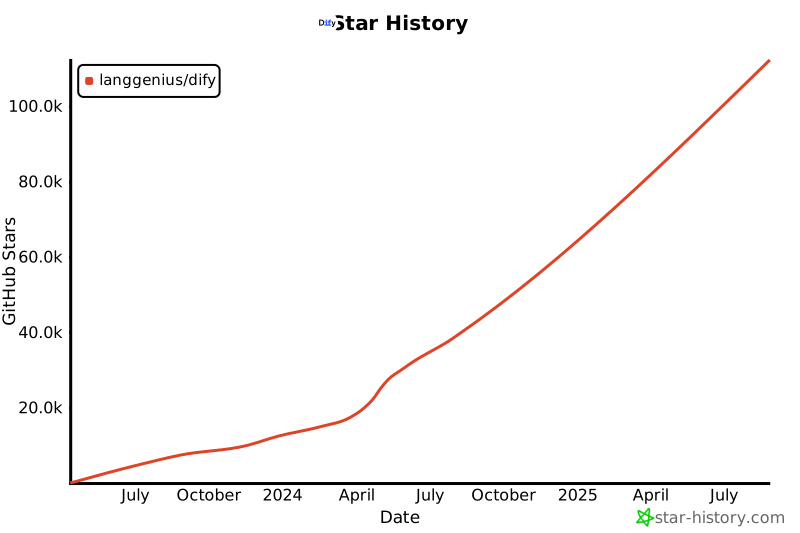](https://star-history.com/#langgenius/dify&Date)
|
||||
@@ -236,7 +232,7 @@ docker compose up -d
|
||||
- [GitHub Issues](https://github.com/langgenius/dify/issues)。👉:使用 Dify.AI 时遇到的错误和问题,请参阅[贡献指南](CONTRIBUTING.md)。
|
||||
- [电子邮件支持](mailto:hello@dify.ai?subject=[GitHub]Questions%20About%20Dify)。👉:关于使用 Dify.AI 的问题。
|
||||
- [Discord](https://discord.gg/FngNHpbcY7)。👉:分享您的应用程序并与社区交流。
|
||||
- [X(Twitter)](https://twitter.com/dify_ai)。👉:分享您的应用程序并与社区交流。
|
||||
- [Twitter](https://twitter.com/dify_ai)。👉:分享您的应用程序并与社区交流。
|
||||
- [商业许可](mailto:business@dify.ai?subject=[GitHub]Business%20License%20Inquiry)。👉:有关商业用途许可 Dify.AI 的商业咨询。
|
||||
- [微信]() 👉:扫描下方二维码,添加微信好友,备注 Dify,我们将邀请您加入 Dify 社区。
|
||||
<img src="./images/wechat.png" alt="wechat" width="100"/>
|
||||
|
||||
@@ -17,7 +17,7 @@
|
||||
alt="chat en Discord"></a>
|
||||
<a href="https://twitter.com/intent/follow?screen_name=dify_ai" target="_blank">
|
||||
<img src="https://img.shields.io/twitter/follow/dify_ai?logo=X&color=%20%23f5f5f5"
|
||||
alt="seguir en X(Twitter)"></a>
|
||||
alt="seguir en Twitter"></a>
|
||||
<a href="https://hub.docker.com/u/langgenius" target="_blank">
|
||||
<img alt="Descargas de Docker" src="https://img.shields.io/docker/pulls/langgenius/dify-web?labelColor=%20%23FDB062&color=%20%23f79009"></a>
|
||||
<a href="https://github.com/langgenius/dify/graphs/commit-activity" target="_blank">
|
||||
@@ -204,13 +204,10 @@ Si desea configurar una configuración de alta disponibilidad, la comunidad prop
|
||||
|
||||
#### Uso de Terraform para el despliegue
|
||||
|
||||
Despliega Dify en una plataforma en la nube con un solo clic utilizando [terraform](https://www.terraform.io/)
|
||||
|
||||
##### Azure Global
|
||||
Utiliza [terraform](https://www.terraform.io/) para desplegar Dify en Azure con un solo clic.
|
||||
- [Azure Terraform por @nikawang](https://github.com/nikawang/dify-azure-terraform)
|
||||
|
||||
##### Google Cloud
|
||||
- [Google Cloud Terraform por @sotazum](https://github.com/DeNA/dify-google-cloud-terraform)
|
||||
|
||||
## Contribuir
|
||||
|
||||
@@ -231,7 +228,7 @@ Al mismo tiempo, considera apoyar a Dify compartiéndolo en redes sociales y en
|
||||
* [Discusión en GitHub](https://github.com/langgenius/dify/discussions). Lo mejor para: compartir comentarios y hacer preguntas.
|
||||
* [Reporte de problemas en GitHub](https://github.com/langgenius/dify/issues). Lo mejor para: errores que encuentres usando Dify.AI y propuestas de características. Consulta nuestra [Guía de contribución](https://github.com/langgenius/dify/blob/main/CONTRIBUTING.md).
|
||||
* [Discord](https://discord.gg/FngNHpbcY7). Lo mejor para: compartir tus aplicaciones y pasar el rato con la comunidad.
|
||||
* [X(Twitter)](https://twitter.com/dify_ai). Lo mejor para: compartir tus aplicaciones y pasar el rato con la comunidad.
|
||||
* [Twitter](https://twitter.com/dify_ai). Lo mejor para: compartir tus aplicaciones y pasar el rato con la comunidad.
|
||||
|
||||
## Historial de Estrellas
|
||||
|
||||
|
||||
@@ -17,7 +17,7 @@
|
||||
alt="chat sur Discord"></a>
|
||||
<a href="https://twitter.com/intent/follow?screen_name=dify_ai" target="_blank">
|
||||
<img src="https://img.shields.io/twitter/follow/dify_ai?logo=X&color=%20%23f5f5f5"
|
||||
alt="suivre sur X(Twitter)"></a>
|
||||
alt="suivre sur Twitter"></a>
|
||||
<a href="https://hub.docker.com/u/langgenius" target="_blank">
|
||||
<img alt="Tirages Docker" src="https://img.shields.io/docker/pulls/langgenius/dify-web?labelColor=%20%23FDB062&color=%20%23f79009"></a>
|
||||
<a href="https://github.com/langgenius/dify/graphs/commit-activity" target="_blank">
|
||||
@@ -202,13 +202,10 @@ Si vous souhaitez configurer une configuration haute disponibilité, la communau
|
||||
|
||||
#### Utilisation de Terraform pour le déploiement
|
||||
|
||||
Déployez Dify sur une plateforme cloud en un clic en utilisant [terraform](https://www.terraform.io/)
|
||||
|
||||
##### Azure Global
|
||||
Utilisez [terraform](https://www.terraform.io/) pour déployer Dify sur Azure en un clic.
|
||||
- [Azure Terraform par @nikawang](https://github.com/nikawang/dify-azure-terraform)
|
||||
|
||||
##### Google Cloud
|
||||
- [Google Cloud Terraform par @sotazum](https://github.com/DeNA/dify-google-cloud-terraform)
|
||||
|
||||
## Contribuer
|
||||
|
||||
@@ -229,7 +226,7 @@ Dans le même temps, veuillez envisager de soutenir Dify en le partageant sur le
|
||||
* [Discussion GitHub](https://github.com/langgenius/dify/discussions). Meilleur pour: partager des commentaires et poser des questions.
|
||||
* [Problèmes GitHub](https://github.com/langgenius/dify/issues). Meilleur pour: les bogues que vous rencontrez en utilisant Dify.AI et les propositions de fonctionnalités. Consultez notre [Guide de contribution](https://github.com/langgenius/dify/blob/main/CONTRIBUTING.md).
|
||||
* [Discord](https://discord.gg/FngNHpbcY7). Meilleur pour: partager vos applications et passer du temps avec la communauté.
|
||||
* [X(Twitter)](https://twitter.com/dify_ai). Meilleur pour: partager vos applications et passer du temps avec la communauté.
|
||||
* [Twitter](https://twitter.com/dify_ai). Meilleur pour: partager vos applications et passer du temps avec la communauté.
|
||||
|
||||
## Historique des étoiles
|
||||
|
||||
|
||||
13
README_JA.md
13
README_JA.md
@@ -17,7 +17,7 @@
|
||||
alt="Discordでチャット"></a>
|
||||
<a href="https://twitter.com/intent/follow?screen_name=dify_ai" target="_blank">
|
||||
<img src="https://img.shields.io/twitter/follow/dify_ai?logo=X&color=%20%23f5f5f5"
|
||||
alt="X(Twitter)でフォロー"></a>
|
||||
alt="Twitterでフォロー"></a>
|
||||
<a href="https://hub.docker.com/u/langgenius" target="_blank">
|
||||
<img alt="Docker Pulls" src="https://img.shields.io/docker/pulls/langgenius/dify-web?labelColor=%20%23FDB062&color=%20%23f79009"></a>
|
||||
<a href="https://github.com/langgenius/dify/graphs/commit-activity" target="_blank">
|
||||
@@ -68,7 +68,7 @@ DifyはオープンソースのLLMアプリケーション開発プラットフ
|
||||
プロンプトの作成、モデルパフォーマンスの比較が行え、チャットベースのアプリに音声合成などの機能も追加できます。
|
||||
|
||||
**4. RAGパイプライン**:
|
||||
ドキュメントの取り込みから検索までをカバーする広範なRAG機能ができます。ほかにもPDF、PPT、その他の一般的なドキュメントフォーマットからのテキスト抽出のサポートも提供します。
|
||||
ドキュメントの取り込みから検索までをカバーする広範なRAG機能ができます。ほかにもPDF、PPT、その他の一般的なドキュメントフォーマットからのテキスト抽出のサーポイントも提供します。
|
||||
|
||||
**5. エージェント機能**:
|
||||
LLM Function CallingやReActに基づくエージェントの定義が可能で、AIエージェント用のプリビルトまたはカスタムツールを追加できます。Difyには、Google検索、DALL·E、Stable Diffusion、WolframAlphaなどのAIエージェント用の50以上の組み込みツールが提供します。
|
||||
@@ -201,13 +201,10 @@ docker compose up -d
|
||||
|
||||
#### Terraformを使用したデプロイ
|
||||
|
||||
[terraform](https://www.terraform.io/) を使用して、ワンクリックでDifyをクラウドプラットフォームにデプロイします
|
||||
|
||||
##### Azure Global
|
||||
- [@nikawangによるAzure Terraform](https://github.com/nikawang/dify-azure-terraform)
|
||||
[terraform](https://www.terraform.io/) を使用して、AzureにDifyをワンクリックでデプロイします。
|
||||
- [nikawangのAzure Terraform](https://github.com/nikawang/dify-azure-terraform)
|
||||
|
||||
##### Google Cloud
|
||||
- [@sotazumによるGoogle Cloud Terraform](https://github.com/DeNA/dify-google-cloud-terraform)
|
||||
|
||||
## 貢献
|
||||
|
||||
@@ -228,7 +225,7 @@ docker compose up -d
|
||||
* [Github Discussion](https://github.com/langgenius/dify/discussions). 主に: フィードバックの共有や質問。
|
||||
* [GitHub Issues](https://github.com/langgenius/dify/issues). 主に: Dify.AIを使用する際に発生するエラーや問題については、[貢献ガイド](CONTRIBUTING_JA.md)を参照してください
|
||||
* [Discord](https://discord.gg/FngNHpbcY7). 主に: アプリケーションの共有やコミュニティとの交流。
|
||||
* [X(Twitter)](https://twitter.com/dify_ai). 主に: アプリケーションの共有やコミュニティとの交流。
|
||||
* [Twitter](https://twitter.com/dify_ai). 主に: アプリケーションの共有やコミュニティとの交流。
|
||||
|
||||
|
||||
|
||||
|
||||
11
README_KL.md
11
README_KL.md
@@ -17,7 +17,7 @@
|
||||
alt="chat on Discord"></a>
|
||||
<a href="https://twitter.com/intent/follow?screen_name=dify_ai" target="_blank">
|
||||
<img src="https://img.shields.io/twitter/follow/dify_ai?logo=X&color=%20%23f5f5f5"
|
||||
alt="follow on X(Twitter)"></a>
|
||||
alt="follow on Twitter"></a>
|
||||
<a href="https://hub.docker.com/u/langgenius" target="_blank">
|
||||
<img alt="Docker Pulls" src="https://img.shields.io/docker/pulls/langgenius/dify-web?labelColor=%20%23FDB062&color=%20%23f79009"></a>
|
||||
<a href="https://github.com/langgenius/dify/graphs/commit-activity" target="_blank">
|
||||
@@ -202,13 +202,10 @@ If you'd like to configure a highly-available setup, there are community-contrib
|
||||
|
||||
#### Terraform atorlugu pilersitsineq
|
||||
|
||||
wa'logh nIqHom neH ghun deployment toy'wI' [terraform](https://www.terraform.io/) lo'laH.
|
||||
|
||||
##### Azure Global
|
||||
- [Azure Terraform mung @nikawang](https://github.com/nikawang/dify-azure-terraform)
|
||||
Atoruk [terraform](https://www.terraform.io/) Dify-mik Azure-mut ataatsikkut ikkussuilluarlugu.
|
||||
- [Azure Terraform atorlugu @nikawang](https://github.com/nikawang/dify-azure-terraform)
|
||||
|
||||
##### Google Cloud
|
||||
- [Google Cloud Terraform qachlot @sotazum](https://github.com/DeNA/dify-google-cloud-terraform)
|
||||
|
||||
## Contributing
|
||||
|
||||
@@ -231,7 +228,7 @@ At the same time, please consider supporting Dify by sharing it on social media
|
||||
). Best for: sharing feedback and asking questions.
|
||||
* [GitHub Issues](https://github.com/langgenius/dify/issues). Best for: bugs you encounter using Dify.AI, and feature proposals. See our [Contribution Guide](https://github.com/langgenius/dify/blob/main/CONTRIBUTING.md).
|
||||
* [Discord](https://discord.gg/FngNHpbcY7). Best for: sharing your applications and hanging out with the community.
|
||||
* [X(Twitter)](https://twitter.com/dify_ai). Best for: sharing your applications and hanging out with the community.
|
||||
* [Twitter](https://twitter.com/dify_ai). Best for: sharing your applications and hanging out with the community.
|
||||
|
||||
## Star History
|
||||
|
||||
|
||||
@@ -17,7 +17,7 @@
|
||||
alt="chat on Discord"></a>
|
||||
<a href="https://twitter.com/intent/follow?screen_name=dify_ai" target="_blank">
|
||||
<img src="https://img.shields.io/twitter/follow/dify_ai?logo=X&color=%20%23f5f5f5"
|
||||
alt="follow on X(Twitter)"></a>
|
||||
alt="follow on Twitter"></a>
|
||||
<a href="https://hub.docker.com/u/langgenius" target="_blank">
|
||||
<img alt="Docker Pulls" src="https://img.shields.io/docker/pulls/langgenius/dify-web?labelColor=%20%23FDB062&color=%20%23f79009"></a>
|
||||
<a href="https://github.com/langgenius/dify/graphs/commit-activity" target="_blank">
|
||||
@@ -39,6 +39,7 @@
|
||||
<a href="./README_AR.md"><img alt="README بالعربية" src="https://img.shields.io/badge/العربية-d9d9d9"></a>
|
||||
<a href="./README_TR.md"><img alt="Türkçe README" src="https://img.shields.io/badge/Türkçe-d9d9d9"></a>
|
||||
<a href="./README_VI.md"><img alt="README Tiếng Việt" src="https://img.shields.io/badge/Ti%E1%BA%BFng%20Vi%E1%BB%87t-d9d9d9"></a>
|
||||
|
||||
</p>
|
||||
|
||||
|
||||
@@ -194,14 +195,10 @@ Dify를 Kubernetes에 배포하고 프리미엄 스케일링 설정을 구성했
|
||||
|
||||
#### Terraform을 사용한 배포
|
||||
|
||||
[terraform](https://www.terraform.io/)을 사용하여 단 한 번의 클릭으로 Dify를 클라우드 플랫폼에 배포하십시오
|
||||
|
||||
##### Azure Global
|
||||
[terraform](https://www.terraform.io/)을 사용하여 Azure에 Dify를 원클릭으로 배포하세요.
|
||||
- [nikawang의 Azure Terraform](https://github.com/nikawang/dify-azure-terraform)
|
||||
|
||||
##### Google Cloud
|
||||
- [sotazum의 Google Cloud Terraform](https://github.com/DeNA/dify-google-cloud-terraform)
|
||||
|
||||
## 기여
|
||||
|
||||
코드에 기여하고 싶은 분들은 [기여 가이드](https://github.com/langgenius/dify/blob/main/CONTRIBUTING.md)를 참조하세요.
|
||||
|
||||
12
README_TR.md
12
README_TR.md
@@ -17,7 +17,7 @@
|
||||
alt="Discord'da sohbet et"></a>
|
||||
<a href="https://twitter.com/intent/follow?screen_name=dify_ai" target="_blank">
|
||||
<img src="https://img.shields.io/twitter/follow/dify_ai?logo=X&color=%20%23f5f5f5"
|
||||
alt="X(Twitter)'da takip et"></a>
|
||||
alt="Twitter'da takip et"></a>
|
||||
<a href="https://hub.docker.com/u/langgenius" target="_blank">
|
||||
<img alt="Docker Çekmeleri" src="https://img.shields.io/docker/pulls/langgenius/dify-web?labelColor=%20%23FDB062&color=%20%23f79009"></a>
|
||||
<a href="https://github.com/langgenius/dify/graphs/commit-activity" target="_blank">
|
||||
@@ -200,13 +200,9 @@ Yüksek kullanılabilirliğe sahip bir kurulum yapılandırmak isterseniz, Dify'
|
||||
|
||||
#### Dağıtım için Terraform Kullanımı
|
||||
|
||||
Dify'ı bulut platformuna tek tıklamayla dağıtın [terraform](https://www.terraform.io/) kullanarak
|
||||
|
||||
##### Azure Global
|
||||
- [Azure Terraform tarafından @nikawang](https://github.com/nikawang/dify-azure-terraform)
|
||||
|
||||
##### Google Cloud
|
||||
- [Google Cloud Terraform tarafından @sotazum](https://github.com/DeNA/dify-google-cloud-terraform)
|
||||
[Terraform](https://www.terraform.io/) kullanarak Dify'ı Azure'a tek tıklamayla dağıtın.
|
||||
- [@nikawang tarafından Azure Terraform](https://github.com/nikawang/dify-azure-terraform)
|
||||
|
||||
## Katkıda Bulunma
|
||||
|
||||
@@ -226,7 +222,7 @@ Aynı zamanda, lütfen Dify'ı sosyal medyada, etkinliklerde ve konferanslarda p
|
||||
* [Github Tartışmaları](https://github.com/langgenius/dify/discussions). En uygun: geri bildirim paylaşmak ve soru sormak için.
|
||||
* [GitHub Sorunları](https://github.com/langgenius/dify/issues). En uygun: Dify.AI kullanırken karşılaştığınız hatalar ve özellik önerileri için. [Katkı Kılavuzumuza](https://github.com/langgenius/dify/blob/main/CONTRIBUTING.md) bakın.
|
||||
* [Discord](https://discord.gg/FngNHpbcY7). En uygun: uygulamalarınızı paylaşmak ve toplulukla vakit geçirmek için.
|
||||
* [X(Twitter)](https://twitter.com/dify_ai). En uygun: uygulamalarınızı paylaşmak ve toplulukla vakit geçirmek için.
|
||||
* [Twitter](https://twitter.com/dify_ai). En uygun: uygulamalarınızı paylaşmak ve toplulukla vakit geçirmek için.
|
||||
|
||||
## Star history
|
||||
|
||||
|
||||
10
README_VI.md
10
README_VI.md
@@ -17,7 +17,7 @@
|
||||
alt="chat trên Discord"></a>
|
||||
<a href="https://twitter.com/intent/follow?screen_name=dify_ai" target="_blank">
|
||||
<img src="https://img.shields.io/twitter/follow/dify_ai?logo=X&color=%20%23f5f5f5"
|
||||
alt="theo dõi trên X(Twitter)"></a>
|
||||
alt="theo dõi trên Twitter"></a>
|
||||
<a href="https://hub.docker.com/u/langgenius" target="_blank">
|
||||
<img alt="Docker Pulls" src="https://img.shields.io/docker/pulls/langgenius/dify-web?labelColor=%20%23FDB062&color=%20%23f79009"></a>
|
||||
<a href="https://github.com/langgenius/dify/graphs/commit-activity" target="_blank">
|
||||
@@ -196,14 +196,10 @@ Nếu bạn muốn cấu hình một cài đặt có độ sẵn sàng cao, có
|
||||
|
||||
#### Sử dụng Terraform để Triển khai
|
||||
|
||||
Triển khai Dify lên nền tảng đám mây với một cú nhấp chuột bằng cách sử dụng [terraform](https://www.terraform.io/)
|
||||
|
||||
##### Azure Global
|
||||
Triển khai Dify lên Azure chỉ với một cú nhấp chuột bằng cách sử dụng [terraform](https://www.terraform.io/).
|
||||
- [Azure Terraform bởi @nikawang](https://github.com/nikawang/dify-azure-terraform)
|
||||
|
||||
##### Google Cloud
|
||||
- [Google Cloud Terraform bởi @sotazum](https://github.com/DeNA/dify-google-cloud-terraform)
|
||||
|
||||
## Đóng góp
|
||||
|
||||
Đối với những người muốn đóng góp mã, xem [Hướng dẫn Đóng góp](https://github.com/langgenius/dify/blob/main/CONTRIBUTING.md) của chúng tôi.
|
||||
@@ -223,7 +219,7 @@ Triển khai Dify lên nền tảng đám mây với một cú nhấp chuột b
|
||||
* [Thảo luận GitHub](https://github.com/langgenius/dify/discussions). Tốt nhất cho: chia sẻ phản hồi và đặt câu hỏi.
|
||||
* [Vấn đề GitHub](https://github.com/langgenius/dify/issues). Tốt nhất cho: lỗi bạn gặp phải khi sử dụng Dify.AI và đề xuất tính năng. Xem [Hướng dẫn Đóng góp](https://github.com/langgenius/dify/blob/main/CONTRIBUTING.md) của chúng tôi.
|
||||
* [Discord](https://discord.gg/FngNHpbcY7). Tốt nhất cho: chia sẻ ứng dụng của bạn và giao lưu với cộng đồng.
|
||||
* [X(Twitter)](https://twitter.com/dify_ai). Tốt nhất cho: chia sẻ ứng dụng của bạn và giao lưu với cộng đồng.
|
||||
* [Twitter](https://twitter.com/dify_ai). Tốt nhất cho: chia sẻ ứng dụng của bạn và giao lưu với cộng đồng.
|
||||
|
||||
## Lịch sử Yêu thích
|
||||
|
||||
|
||||
@@ -20,9 +20,6 @@ FILES_URL=http://127.0.0.1:5001
|
||||
# The time in seconds after the signature is rejected
|
||||
FILES_ACCESS_TIMEOUT=300
|
||||
|
||||
# Access token expiration time in minutes
|
||||
ACCESS_TOKEN_EXPIRE_MINUTES=60
|
||||
|
||||
# celery configuration
|
||||
CELERY_BROKER_URL=redis://:difyai123456@localhost:6379/1
|
||||
|
||||
@@ -31,17 +28,8 @@ REDIS_HOST=localhost
|
||||
REDIS_PORT=6379
|
||||
REDIS_USERNAME=
|
||||
REDIS_PASSWORD=difyai123456
|
||||
REDIS_USE_SSL=false
|
||||
REDIS_DB=0
|
||||
|
||||
# redis Sentinel configuration.
|
||||
REDIS_USE_SENTINEL=false
|
||||
REDIS_SENTINELS=
|
||||
REDIS_SENTINEL_SERVICE_NAME=
|
||||
REDIS_SENTINEL_USERNAME=
|
||||
REDIS_SENTINEL_PASSWORD=
|
||||
REDIS_SENTINEL_SOCKET_TIMEOUT=0.1
|
||||
|
||||
# PostgreSQL database configuration
|
||||
DB_USERNAME=postgres
|
||||
DB_PASSWORD=difyai123456
|
||||
@@ -51,7 +39,7 @@ DB_DATABASE=dify
|
||||
|
||||
# Storage configuration
|
||||
# use for store upload files, private keys...
|
||||
# storage type: local, s3, aliyun-oss, azure-blob, baidu-obs, google-storage, huawei-obs, oci-storage, tencent-cos, volcengine-tos, supabase
|
||||
# storage type: local, s3, azure-blob, google-storage
|
||||
STORAGE_TYPE=local
|
||||
STORAGE_LOCAL_PATH=storage
|
||||
S3_USE_AWS_MANAGED_IAM=false
|
||||
@@ -85,18 +73,6 @@ TENCENT_COS_SECRET_ID=your-secret-id
|
||||
TENCENT_COS_REGION=your-region
|
||||
TENCENT_COS_SCHEME=your-scheme
|
||||
|
||||
# Huawei OBS Storage Configuration
|
||||
HUAWEI_OBS_BUCKET_NAME=your-bucket-name
|
||||
HUAWEI_OBS_SECRET_KEY=your-secret-key
|
||||
HUAWEI_OBS_ACCESS_KEY=your-access-key
|
||||
HUAWEI_OBS_SERVER=your-server-url
|
||||
|
||||
# Baidu OBS Storage Configuration
|
||||
BAIDU_OBS_BUCKET_NAME=your-bucket-name
|
||||
BAIDU_OBS_SECRET_KEY=your-secret-key
|
||||
BAIDU_OBS_ACCESS_KEY=your-access-key
|
||||
BAIDU_OBS_ENDPOINT=your-server-url
|
||||
|
||||
# OCI Storage configuration
|
||||
OCI_ENDPOINT=your-endpoint
|
||||
OCI_BUCKET_NAME=your-bucket-name
|
||||
@@ -104,23 +80,11 @@ OCI_ACCESS_KEY=your-access-key
|
||||
OCI_SECRET_KEY=your-secret-key
|
||||
OCI_REGION=your-region
|
||||
|
||||
# Volcengine tos Storage configuration
|
||||
VOLCENGINE_TOS_ENDPOINT=your-endpoint
|
||||
VOLCENGINE_TOS_BUCKET_NAME=your-bucket-name
|
||||
VOLCENGINE_TOS_ACCESS_KEY=your-access-key
|
||||
VOLCENGINE_TOS_SECRET_KEY=your-secret-key
|
||||
VOLCENGINE_TOS_REGION=your-region
|
||||
|
||||
# Supabase Storage Configuration
|
||||
SUPABASE_BUCKET_NAME=your-bucket-name
|
||||
SUPABASE_API_KEY=your-access-key
|
||||
SUPABASE_URL=your-server-url
|
||||
|
||||
# CORS configuration
|
||||
WEB_API_CORS_ALLOW_ORIGINS=http://127.0.0.1:3000,*
|
||||
CONSOLE_CORS_ALLOW_ORIGINS=http://127.0.0.1:3000,*
|
||||
|
||||
# Vector database configuration, support: weaviate, qdrant, milvus, myscale, relyt, pgvecto_rs, pgvector, pgvector, chroma, opensearch, tidb_vector, vikingdb, upstash
|
||||
# Vector database configuration, support: weaviate, qdrant, milvus, myscale, relyt, pgvecto_rs, pgvector, pgvector, chroma, opensearch, tidb_vector
|
||||
VECTOR_STORE=weaviate
|
||||
|
||||
# Weaviate configuration
|
||||
@@ -137,10 +101,11 @@ QDRANT_GRPC_ENABLED=false
|
||||
QDRANT_GRPC_PORT=6334
|
||||
|
||||
# Milvus configuration
|
||||
MILVUS_URI=http://127.0.0.1:19530
|
||||
MILVUS_TOKEN=
|
||||
MILVUS_HOST=127.0.0.1
|
||||
MILVUS_PORT=19530
|
||||
MILVUS_USER=root
|
||||
MILVUS_PASSWORD=Milvus
|
||||
MILVUS_SECURE=false
|
||||
|
||||
# MyScale configuration
|
||||
MYSCALE_HOST=127.0.0.1
|
||||
@@ -185,8 +150,6 @@ PGVECTOR_PORT=5433
|
||||
PGVECTOR_USER=postgres
|
||||
PGVECTOR_PASSWORD=postgres
|
||||
PGVECTOR_DATABASE=postgres
|
||||
PGVECTOR_MIN_CONNECTION=1
|
||||
PGVECTOR_MAX_CONNECTION=5
|
||||
|
||||
# Tidb Vector configuration
|
||||
TIDB_VECTOR_HOST=xxx.eu-central-1.xxx.aws.tidbcloud.com
|
||||
@@ -220,39 +183,14 @@ OPENSEARCH_USER=admin
|
||||
OPENSEARCH_PASSWORD=admin
|
||||
OPENSEARCH_SECURE=true
|
||||
|
||||
# Baidu configuration
|
||||
BAIDU_VECTOR_DB_ENDPOINT=http://127.0.0.1:5287
|
||||
BAIDU_VECTOR_DB_CONNECTION_TIMEOUT_MS=30000
|
||||
BAIDU_VECTOR_DB_ACCOUNT=root
|
||||
BAIDU_VECTOR_DB_API_KEY=dify
|
||||
BAIDU_VECTOR_DB_DATABASE=dify
|
||||
BAIDU_VECTOR_DB_SHARD=1
|
||||
BAIDU_VECTOR_DB_REPLICAS=3
|
||||
|
||||
# Upstash configuration
|
||||
UPSTASH_VECTOR_URL=your-server-url
|
||||
UPSTASH_VECTOR_TOKEN=your-access-token
|
||||
|
||||
# ViKingDB configuration
|
||||
VIKINGDB_ACCESS_KEY=your-ak
|
||||
VIKINGDB_SECRET_KEY=your-sk
|
||||
VIKINGDB_REGION=cn-shanghai
|
||||
VIKINGDB_HOST=api-vikingdb.xxx.volces.com
|
||||
VIKINGDB_SCHEMA=http
|
||||
VIKINGDB_CONNECTION_TIMEOUT=30
|
||||
VIKINGDB_SOCKET_TIMEOUT=30
|
||||
|
||||
# Upload configuration
|
||||
UPLOAD_FILE_SIZE_LIMIT=15
|
||||
UPLOAD_FILE_BATCH_LIMIT=5
|
||||
UPLOAD_IMAGE_FILE_SIZE_LIMIT=10
|
||||
UPLOAD_VIDEO_FILE_SIZE_LIMIT=100
|
||||
UPLOAD_AUDIO_FILE_SIZE_LIMIT=50
|
||||
|
||||
# Model Configuration
|
||||
MULTIMODAL_SEND_IMAGE_FORMAT=base64
|
||||
PROMPT_GENERATION_MAX_TOKENS=512
|
||||
CODE_GENERATION_MAX_TOKENS=1024
|
||||
|
||||
# Mail configuration, support: resend, smtp
|
||||
MAIL_TYPE=
|
||||
@@ -313,15 +251,8 @@ HTTP_REQUEST_MAX_WRITE_TIMEOUT=600
|
||||
HTTP_REQUEST_NODE_MAX_BINARY_SIZE=10485760
|
||||
HTTP_REQUEST_NODE_MAX_TEXT_SIZE=1048576
|
||||
|
||||
# Respect X-* headers to redirect clients
|
||||
RESPECT_XFORWARD_HEADERS_ENABLED=false
|
||||
|
||||
# Log file path
|
||||
LOG_FILE=
|
||||
# Log file max size, the unit is MB
|
||||
LOG_FILE_MAX_SIZE=20
|
||||
# Log file max backup count
|
||||
LOG_FILE_BACKUP_COUNT=5
|
||||
|
||||
# Indexing configuration
|
||||
INDEXING_MAX_SEGMENTATION_TOKENS_LENGTH=1000
|
||||
@@ -330,7 +261,6 @@ INDEXING_MAX_SEGMENTATION_TOKENS_LENGTH=1000
|
||||
WORKFLOW_MAX_EXECUTION_STEPS=500
|
||||
WORKFLOW_MAX_EXECUTION_TIME=1200
|
||||
WORKFLOW_CALL_MAX_DEPTH=5
|
||||
MAX_VARIABLE_SIZE=204800
|
||||
|
||||
# App configuration
|
||||
APP_MAX_EXECUTION_TIME=1200
|
||||
@@ -348,6 +278,3 @@ POSITION_TOOL_EXCLUDES=
|
||||
POSITION_PROVIDER_PINS=
|
||||
POSITION_PROVIDER_INCLUDES=
|
||||
POSITION_PROVIDER_EXCLUDES=
|
||||
|
||||
# Reset password token expiry minutes
|
||||
RESET_PASSWORD_TOKEN_EXPIRY_MINUTES=5
|
||||
|
||||
15
api/.vscode/launch.json.example
vendored
15
api/.vscode/launch.json.example
vendored
@@ -1,15 +1,8 @@
|
||||
{
|
||||
"version": "0.2.0",
|
||||
"compounds": [
|
||||
{
|
||||
"name": "Launch Flask and Celery",
|
||||
"configurations": ["Python: Flask", "Python: Celery"]
|
||||
}
|
||||
],
|
||||
"configurations": [
|
||||
{
|
||||
"name": "Python: Flask",
|
||||
"consoleName": "Flask",
|
||||
"type": "debugpy",
|
||||
"request": "launch",
|
||||
"python": "${workspaceFolder}/.venv/bin/python",
|
||||
@@ -24,12 +17,12 @@
|
||||
},
|
||||
"args": [
|
||||
"run",
|
||||
"--host=0.0.0.0",
|
||||
"--port=5001"
|
||||
]
|
||||
},
|
||||
{
|
||||
"name": "Python: Celery",
|
||||
"consoleName": "Celery",
|
||||
"type": "debugpy",
|
||||
"request": "launch",
|
||||
"python": "${workspaceFolder}/.venv/bin/python",
|
||||
@@ -52,10 +45,10 @@
|
||||
"-c",
|
||||
"1",
|
||||
"--loglevel",
|
||||
"DEBUG",
|
||||
"info",
|
||||
"-Q",
|
||||
"dataset,generation,mail,ops_trace,app_deletion"
|
||||
]
|
||||
}
|
||||
},
|
||||
]
|
||||
}
|
||||
}
|
||||
@@ -4,7 +4,7 @@ FROM python:3.10-slim-bookworm AS base
|
||||
WORKDIR /app/api
|
||||
|
||||
# Install Poetry
|
||||
ENV POETRY_VERSION=1.8.4
|
||||
ENV POETRY_VERSION=1.8.3
|
||||
|
||||
# if you located in China, you can use aliyun mirror to speed up
|
||||
# RUN pip install --no-cache-dir poetry==${POETRY_VERSION} -i https://mirrors.aliyun.com/pypi/simple/
|
||||
@@ -55,9 +55,7 @@ RUN apt-get update \
|
||||
&& echo "deb http://deb.debian.org/debian testing main" > /etc/apt/sources.list \
|
||||
&& apt-get update \
|
||||
# For Security
|
||||
&& apt-get install -y --no-install-recommends expat=2.6.3-2 libldap-2.5-0=2.5.18+dfsg-3+b1 perl=5.40.0-6 libsqlite3-0=3.46.1-1 zlib1g=1:1.3.dfsg+really1.3.1-1+b1 \
|
||||
# install a chinese font to support the use of tools like matplotlib
|
||||
&& apt-get install -y fonts-noto-cjk \
|
||||
&& apt-get install -y --no-install-recommends zlib1g=1:1.3.dfsg+really1.3.1-1 expat=2.6.2-1 libldap-2.5-0=2.5.18+dfsg-3 perl=5.38.2-5 libsqlite3-0=3.46.0-1 \
|
||||
&& apt-get autoremove -y \
|
||||
&& rm -rf /var/lib/apt/lists/*
|
||||
|
||||
|
||||
@@ -65,12 +65,14 @@
|
||||
|
||||
8. Start Dify [web](../web) service.
|
||||
9. Setup your application by visiting `http://localhost:3000`...
|
||||
10. If you need to handle and debug the async tasks (e.g. dataset importing and documents indexing), please start the worker service.
|
||||
10. If you need to debug local async processing, please start the worker service.
|
||||
|
||||
```bash
|
||||
poetry run python -m celery -A app.celery worker -P gevent -c 1 --loglevel INFO -Q dataset,generation,mail,ops_trace,app_deletion
|
||||
```
|
||||
|
||||
The started celery app handles the async tasks, e.g. dataset importing and documents indexing.
|
||||
|
||||
## Testing
|
||||
|
||||
1. Install dependencies for both the backend and the test environment
|
||||
@@ -85,4 +87,3 @@
|
||||
cd ../
|
||||
poetry run -C api bash dev/pytest/pytest_all_tests.sh
|
||||
```
|
||||
|
||||
|
||||
230
api/app.py
230
api/app.py
@@ -1,7 +1,5 @@
|
||||
import os
|
||||
|
||||
from configs import dify_config
|
||||
|
||||
if os.environ.get("DEBUG", "false").lower() != "true":
|
||||
from gevent import monkey
|
||||
|
||||
@@ -12,37 +10,243 @@ if os.environ.get("DEBUG", "false").lower() != "true":
|
||||
grpc.experimental.gevent.init_gevent()
|
||||
|
||||
import json
|
||||
import logging
|
||||
import sys
|
||||
import threading
|
||||
import time
|
||||
import warnings
|
||||
from logging.handlers import RotatingFileHandler
|
||||
|
||||
from flask import Response
|
||||
from flask import Flask, Response, request
|
||||
from flask_cors import CORS
|
||||
from werkzeug.exceptions import Unauthorized
|
||||
|
||||
from app_factory import create_app
|
||||
import contexts
|
||||
from commands import register_commands
|
||||
from configs import dify_config
|
||||
|
||||
# DO NOT REMOVE BELOW
|
||||
from events import event_handlers # noqa: F401
|
||||
from events import event_handlers
|
||||
from extensions import (
|
||||
ext_celery,
|
||||
ext_code_based_extension,
|
||||
ext_compress,
|
||||
ext_database,
|
||||
ext_hosting_provider,
|
||||
ext_login,
|
||||
ext_mail,
|
||||
ext_migrate,
|
||||
ext_redis,
|
||||
ext_sentry,
|
||||
ext_storage,
|
||||
)
|
||||
from extensions.ext_database import db
|
||||
from extensions.ext_login import login_manager
|
||||
from libs.passport import PassportService
|
||||
|
||||
# TODO: Find a way to avoid importing models here
|
||||
from models import account, dataset, model, source, task, tool, tools, web # noqa: F401
|
||||
from models import account, dataset, model, source, task, tool, tools, web
|
||||
from services.account_service import AccountService
|
||||
|
||||
# DO NOT REMOVE ABOVE
|
||||
|
||||
|
||||
warnings.simplefilter("ignore", ResourceWarning)
|
||||
|
||||
os.environ["TZ"] = "UTC"
|
||||
# windows platform not support tzset
|
||||
if hasattr(time, "tzset"):
|
||||
# fix windows platform
|
||||
if os.name == "nt":
|
||||
os.system('tzutil /s "UTC"')
|
||||
else:
|
||||
os.environ["TZ"] = "UTC"
|
||||
time.tzset()
|
||||
|
||||
|
||||
class DifyApp(Flask):
|
||||
pass
|
||||
|
||||
|
||||
# -------------
|
||||
# Configuration
|
||||
# -------------
|
||||
|
||||
|
||||
config_type = os.getenv("EDITION", default="SELF_HOSTED") # ce edition first
|
||||
|
||||
|
||||
# ----------------------------
|
||||
# Application Factory Function
|
||||
# ----------------------------
|
||||
|
||||
|
||||
def create_flask_app_with_configs() -> Flask:
|
||||
"""
|
||||
create a raw flask app
|
||||
with configs loaded from .env file
|
||||
"""
|
||||
dify_app = DifyApp(__name__)
|
||||
dify_app.config.from_mapping(dify_config.model_dump())
|
||||
|
||||
# populate configs into system environment variables
|
||||
for key, value in dify_app.config.items():
|
||||
if isinstance(value, str):
|
||||
os.environ[key] = value
|
||||
elif isinstance(value, int | float | bool):
|
||||
os.environ[key] = str(value)
|
||||
elif value is None:
|
||||
os.environ[key] = ""
|
||||
|
||||
return dify_app
|
||||
|
||||
|
||||
def create_app() -> Flask:
|
||||
app = create_flask_app_with_configs()
|
||||
|
||||
app.secret_key = app.config["SECRET_KEY"]
|
||||
|
||||
log_handlers = None
|
||||
log_file = app.config.get("LOG_FILE")
|
||||
if log_file:
|
||||
log_dir = os.path.dirname(log_file)
|
||||
os.makedirs(log_dir, exist_ok=True)
|
||||
log_handlers = [
|
||||
RotatingFileHandler(
|
||||
filename=log_file,
|
||||
maxBytes=1024 * 1024 * 1024,
|
||||
backupCount=5,
|
||||
),
|
||||
logging.StreamHandler(sys.stdout),
|
||||
]
|
||||
|
||||
logging.basicConfig(
|
||||
level=app.config.get("LOG_LEVEL"),
|
||||
format=app.config.get("LOG_FORMAT"),
|
||||
datefmt=app.config.get("LOG_DATEFORMAT"),
|
||||
handlers=log_handlers,
|
||||
force=True,
|
||||
)
|
||||
log_tz = app.config.get("LOG_TZ")
|
||||
if log_tz:
|
||||
from datetime import datetime
|
||||
|
||||
import pytz
|
||||
|
||||
timezone = pytz.timezone(log_tz)
|
||||
|
||||
def time_converter(seconds):
|
||||
return datetime.utcfromtimestamp(seconds).astimezone(timezone).timetuple()
|
||||
|
||||
for handler in logging.root.handlers:
|
||||
handler.formatter.converter = time_converter
|
||||
initialize_extensions(app)
|
||||
register_blueprints(app)
|
||||
register_commands(app)
|
||||
|
||||
return app
|
||||
|
||||
|
||||
def initialize_extensions(app):
|
||||
# Since the application instance is now created, pass it to each Flask
|
||||
# extension instance to bind it to the Flask application instance (app)
|
||||
ext_compress.init_app(app)
|
||||
ext_code_based_extension.init()
|
||||
ext_database.init_app(app)
|
||||
ext_migrate.init(app, db)
|
||||
ext_redis.init_app(app)
|
||||
ext_storage.init_app(app)
|
||||
ext_celery.init_app(app)
|
||||
ext_login.init_app(app)
|
||||
ext_mail.init_app(app)
|
||||
ext_hosting_provider.init_app(app)
|
||||
ext_sentry.init_app(app)
|
||||
|
||||
|
||||
# Flask-Login configuration
|
||||
@login_manager.request_loader
|
||||
def load_user_from_request(request_from_flask_login):
|
||||
"""Load user based on the request."""
|
||||
if request.blueprint not in ["console", "inner_api"]:
|
||||
return None
|
||||
# Check if the user_id contains a dot, indicating the old format
|
||||
auth_header = request.headers.get("Authorization", "")
|
||||
if not auth_header:
|
||||
auth_token = request.args.get("_token")
|
||||
if not auth_token:
|
||||
raise Unauthorized("Invalid Authorization token.")
|
||||
else:
|
||||
if " " not in auth_header:
|
||||
raise Unauthorized("Invalid Authorization header format. Expected 'Bearer <api-key>' format.")
|
||||
auth_scheme, auth_token = auth_header.split(None, 1)
|
||||
auth_scheme = auth_scheme.lower()
|
||||
if auth_scheme != "bearer":
|
||||
raise Unauthorized("Invalid Authorization header format. Expected 'Bearer <api-key>' format.")
|
||||
|
||||
decoded = PassportService().verify(auth_token)
|
||||
user_id = decoded.get("user_id")
|
||||
|
||||
account = AccountService.load_logged_in_account(account_id=user_id, token=auth_token)
|
||||
if account:
|
||||
contexts.tenant_id.set(account.current_tenant_id)
|
||||
return account
|
||||
|
||||
|
||||
@login_manager.unauthorized_handler
|
||||
def unauthorized_handler():
|
||||
"""Handle unauthorized requests."""
|
||||
return Response(
|
||||
json.dumps({"code": "unauthorized", "message": "Unauthorized."}),
|
||||
status=401,
|
||||
content_type="application/json",
|
||||
)
|
||||
|
||||
|
||||
# register blueprint routers
|
||||
def register_blueprints(app):
|
||||
from controllers.console import bp as console_app_bp
|
||||
from controllers.files import bp as files_bp
|
||||
from controllers.inner_api import bp as inner_api_bp
|
||||
from controllers.service_api import bp as service_api_bp
|
||||
from controllers.web import bp as web_bp
|
||||
|
||||
CORS(
|
||||
service_api_bp,
|
||||
allow_headers=["Content-Type", "Authorization", "X-App-Code"],
|
||||
methods=["GET", "PUT", "POST", "DELETE", "OPTIONS", "PATCH"],
|
||||
)
|
||||
app.register_blueprint(service_api_bp)
|
||||
|
||||
CORS(
|
||||
web_bp,
|
||||
resources={r"/*": {"origins": app.config["WEB_API_CORS_ALLOW_ORIGINS"]}},
|
||||
supports_credentials=True,
|
||||
allow_headers=["Content-Type", "Authorization", "X-App-Code"],
|
||||
methods=["GET", "PUT", "POST", "DELETE", "OPTIONS", "PATCH"],
|
||||
expose_headers=["X-Version", "X-Env"],
|
||||
)
|
||||
|
||||
app.register_blueprint(web_bp)
|
||||
|
||||
CORS(
|
||||
console_app_bp,
|
||||
resources={r"/*": {"origins": app.config["CONSOLE_CORS_ALLOW_ORIGINS"]}},
|
||||
supports_credentials=True,
|
||||
allow_headers=["Content-Type", "Authorization"],
|
||||
methods=["GET", "PUT", "POST", "DELETE", "OPTIONS", "PATCH"],
|
||||
expose_headers=["X-Version", "X-Env"],
|
||||
)
|
||||
|
||||
app.register_blueprint(console_app_bp)
|
||||
|
||||
CORS(files_bp, allow_headers=["Content-Type"], methods=["GET", "PUT", "POST", "DELETE", "OPTIONS", "PATCH"])
|
||||
app.register_blueprint(files_bp)
|
||||
|
||||
app.register_blueprint(inner_api_bp)
|
||||
|
||||
|
||||
# create app
|
||||
app = create_app()
|
||||
celery = app.extensions["celery"]
|
||||
|
||||
if dify_config.TESTING:
|
||||
if app.config.get("TESTING"):
|
||||
print("App is running in TESTING mode")
|
||||
|
||||
|
||||
@@ -50,15 +254,15 @@ if dify_config.TESTING:
|
||||
def after_request(response):
|
||||
"""Add Version headers to the response."""
|
||||
response.set_cookie("remember_token", "", expires=0)
|
||||
response.headers.add("X-Version", dify_config.CURRENT_VERSION)
|
||||
response.headers.add("X-Env", dify_config.DEPLOY_ENV)
|
||||
response.headers.add("X-Version", app.config["CURRENT_VERSION"])
|
||||
response.headers.add("X-Env", app.config["DEPLOY_ENV"])
|
||||
return response
|
||||
|
||||
|
||||
@app.route("/health")
|
||||
def health():
|
||||
return Response(
|
||||
json.dumps({"pid": os.getpid(), "status": "ok", "version": dify_config.CURRENT_VERSION}),
|
||||
json.dumps({"pid": os.getpid(), "status": "ok", "version": app.config["CURRENT_VERSION"]}),
|
||||
status=200,
|
||||
content_type="application/json",
|
||||
)
|
||||
|
||||
@@ -1,176 +0,0 @@
|
||||
import os
|
||||
|
||||
if os.environ.get("DEBUG", "false").lower() != "true":
|
||||
from gevent import monkey
|
||||
|
||||
monkey.patch_all()
|
||||
|
||||
import grpc.experimental.gevent
|
||||
|
||||
grpc.experimental.gevent.init_gevent()
|
||||
|
||||
import json
|
||||
|
||||
from flask import Flask, Response, request
|
||||
from flask_cors import CORS
|
||||
from werkzeug.exceptions import Unauthorized
|
||||
|
||||
import contexts
|
||||
from commands import register_commands
|
||||
from configs import dify_config
|
||||
from extensions import (
|
||||
ext_celery,
|
||||
ext_code_based_extension,
|
||||
ext_compress,
|
||||
ext_database,
|
||||
ext_hosting_provider,
|
||||
ext_logging,
|
||||
ext_login,
|
||||
ext_mail,
|
||||
ext_migrate,
|
||||
ext_proxy_fix,
|
||||
ext_redis,
|
||||
ext_sentry,
|
||||
ext_storage,
|
||||
)
|
||||
from extensions.ext_database import db
|
||||
from extensions.ext_login import login_manager
|
||||
from libs.passport import PassportService
|
||||
from services.account_service import AccountService
|
||||
|
||||
|
||||
class DifyApp(Flask):
|
||||
pass
|
||||
|
||||
|
||||
# ----------------------------
|
||||
# Application Factory Function
|
||||
# ----------------------------
|
||||
def create_flask_app_with_configs() -> Flask:
|
||||
"""
|
||||
create a raw flask app
|
||||
with configs loaded from .env file
|
||||
"""
|
||||
dify_app = DifyApp(__name__)
|
||||
dify_app.config.from_mapping(dify_config.model_dump())
|
||||
|
||||
# populate configs into system environment variables
|
||||
for key, value in dify_app.config.items():
|
||||
if isinstance(value, str):
|
||||
os.environ[key] = value
|
||||
elif isinstance(value, int | float | bool):
|
||||
os.environ[key] = str(value)
|
||||
elif value is None:
|
||||
os.environ[key] = ""
|
||||
|
||||
return dify_app
|
||||
|
||||
|
||||
def create_app() -> Flask:
|
||||
app = create_flask_app_with_configs()
|
||||
app.secret_key = dify_config.SECRET_KEY
|
||||
initialize_extensions(app)
|
||||
register_blueprints(app)
|
||||
register_commands(app)
|
||||
|
||||
return app
|
||||
|
||||
|
||||
def initialize_extensions(app):
|
||||
# Since the application instance is now created, pass it to each Flask
|
||||
# extension instance to bind it to the Flask application instance (app)
|
||||
ext_logging.init_app(app)
|
||||
ext_compress.init_app(app)
|
||||
ext_code_based_extension.init()
|
||||
ext_database.init_app(app)
|
||||
ext_migrate.init(app, db)
|
||||
ext_redis.init_app(app)
|
||||
ext_storage.init_app(app)
|
||||
ext_celery.init_app(app)
|
||||
ext_login.init_app(app)
|
||||
ext_mail.init_app(app)
|
||||
ext_hosting_provider.init_app(app)
|
||||
ext_sentry.init_app(app)
|
||||
ext_proxy_fix.init_app(app)
|
||||
|
||||
|
||||
# Flask-Login configuration
|
||||
@login_manager.request_loader
|
||||
def load_user_from_request(request_from_flask_login):
|
||||
"""Load user based on the request."""
|
||||
if request.blueprint not in {"console", "inner_api"}:
|
||||
return None
|
||||
# Check if the user_id contains a dot, indicating the old format
|
||||
auth_header = request.headers.get("Authorization", "")
|
||||
if not auth_header:
|
||||
auth_token = request.args.get("_token")
|
||||
if not auth_token:
|
||||
raise Unauthorized("Invalid Authorization token.")
|
||||
else:
|
||||
if " " not in auth_header:
|
||||
raise Unauthorized("Invalid Authorization header format. Expected 'Bearer <api-key>' format.")
|
||||
auth_scheme, auth_token = auth_header.split(None, 1)
|
||||
auth_scheme = auth_scheme.lower()
|
||||
if auth_scheme != "bearer":
|
||||
raise Unauthorized("Invalid Authorization header format. Expected 'Bearer <api-key>' format.")
|
||||
|
||||
decoded = PassportService().verify(auth_token)
|
||||
user_id = decoded.get("user_id")
|
||||
|
||||
logged_in_account = AccountService.load_logged_in_account(account_id=user_id)
|
||||
if logged_in_account:
|
||||
contexts.tenant_id.set(logged_in_account.current_tenant_id)
|
||||
return logged_in_account
|
||||
|
||||
|
||||
@login_manager.unauthorized_handler
|
||||
def unauthorized_handler():
|
||||
"""Handle unauthorized requests."""
|
||||
return Response(
|
||||
json.dumps({"code": "unauthorized", "message": "Unauthorized."}),
|
||||
status=401,
|
||||
content_type="application/json",
|
||||
)
|
||||
|
||||
|
||||
# register blueprint routers
|
||||
def register_blueprints(app):
|
||||
from controllers.console import bp as console_app_bp
|
||||
from controllers.files import bp as files_bp
|
||||
from controllers.inner_api import bp as inner_api_bp
|
||||
from controllers.service_api import bp as service_api_bp
|
||||
from controllers.web import bp as web_bp
|
||||
|
||||
CORS(
|
||||
service_api_bp,
|
||||
allow_headers=["Content-Type", "Authorization", "X-App-Code"],
|
||||
methods=["GET", "PUT", "POST", "DELETE", "OPTIONS", "PATCH"],
|
||||
)
|
||||
app.register_blueprint(service_api_bp)
|
||||
|
||||
CORS(
|
||||
web_bp,
|
||||
resources={r"/*": {"origins": dify_config.WEB_API_CORS_ALLOW_ORIGINS}},
|
||||
supports_credentials=True,
|
||||
allow_headers=["Content-Type", "Authorization", "X-App-Code"],
|
||||
methods=["GET", "PUT", "POST", "DELETE", "OPTIONS", "PATCH"],
|
||||
expose_headers=["X-Version", "X-Env"],
|
||||
)
|
||||
|
||||
app.register_blueprint(web_bp)
|
||||
|
||||
CORS(
|
||||
console_app_bp,
|
||||
resources={r"/*": {"origins": dify_config.CONSOLE_CORS_ALLOW_ORIGINS}},
|
||||
supports_credentials=True,
|
||||
allow_headers=["Content-Type", "Authorization"],
|
||||
methods=["GET", "PUT", "POST", "DELETE", "OPTIONS", "PATCH"],
|
||||
expose_headers=["X-Version", "X-Env"],
|
||||
)
|
||||
|
||||
app.register_blueprint(console_app_bp)
|
||||
|
||||
CORS(files_bp, allow_headers=["Content-Type"], methods=["GET", "PUT", "POST", "DELETE", "OPTIONS", "PATCH"])
|
||||
app.register_blueprint(files_bp)
|
||||
|
||||
app.register_blueprint(inner_api_bp)
|
||||
226
api/commands.py
226
api/commands.py
@@ -19,7 +19,7 @@ from extensions.ext_redis import redis_client
|
||||
from libs.helper import email as email_validate
|
||||
from libs.password import hash_password, password_pattern, valid_password
|
||||
from libs.rsa import generate_key_pair
|
||||
from models import Tenant
|
||||
from models.account import Tenant
|
||||
from models.dataset import Dataset, DatasetCollectionBinding, DocumentSegment
|
||||
from models.dataset import Document as DatasetDocument
|
||||
from models.model import Account, App, AppAnnotationSetting, AppMode, Conversation, MessageAnnotation
|
||||
@@ -28,28 +28,28 @@ from services.account_service import RegisterService, TenantService
|
||||
|
||||
|
||||
@click.command("reset-password", help="Reset the account password.")
|
||||
@click.option("--email", prompt=True, help="Account email to reset password for")
|
||||
@click.option("--new-password", prompt=True, help="New password")
|
||||
@click.option("--password-confirm", prompt=True, help="Confirm new password")
|
||||
@click.option("--email", prompt=True, help="The email address of the account whose password you need to reset")
|
||||
@click.option("--new-password", prompt=True, help="the new password.")
|
||||
@click.option("--password-confirm", prompt=True, help="the new password confirm.")
|
||||
def reset_password(email, new_password, password_confirm):
|
||||
"""
|
||||
Reset password of owner account
|
||||
Only available in SELF_HOSTED mode
|
||||
"""
|
||||
if str(new_password).strip() != str(password_confirm).strip():
|
||||
click.echo(click.style("Passwords do not match.", fg="red"))
|
||||
click.echo(click.style("sorry. The two passwords do not match.", fg="red"))
|
||||
return
|
||||
|
||||
account = db.session.query(Account).filter(Account.email == email).one_or_none()
|
||||
|
||||
if not account:
|
||||
click.echo(click.style("Account not found for email: {}".format(email), fg="red"))
|
||||
click.echo(click.style("sorry. the account: [{}] not exist .".format(email), fg="red"))
|
||||
return
|
||||
|
||||
try:
|
||||
valid_password(new_password)
|
||||
except:
|
||||
click.echo(click.style("Invalid password. Must match {}".format(password_pattern), fg="red"))
|
||||
click.echo(click.style("sorry. The passwords must match {} ".format(password_pattern), fg="red"))
|
||||
return
|
||||
|
||||
# generate password salt
|
||||
@@ -62,37 +62,37 @@ def reset_password(email, new_password, password_confirm):
|
||||
account.password = base64_password_hashed
|
||||
account.password_salt = base64_salt
|
||||
db.session.commit()
|
||||
click.echo(click.style("Password reset successfully.", fg="green"))
|
||||
click.echo(click.style("Congratulations! Password has been reset.", fg="green"))
|
||||
|
||||
|
||||
@click.command("reset-email", help="Reset the account email.")
|
||||
@click.option("--email", prompt=True, help="Current account email")
|
||||
@click.option("--new-email", prompt=True, help="New email")
|
||||
@click.option("--email-confirm", prompt=True, help="Confirm new email")
|
||||
@click.option("--email", prompt=True, help="The old email address of the account whose email you need to reset")
|
||||
@click.option("--new-email", prompt=True, help="the new email.")
|
||||
@click.option("--email-confirm", prompt=True, help="the new email confirm.")
|
||||
def reset_email(email, new_email, email_confirm):
|
||||
"""
|
||||
Replace account email
|
||||
:return:
|
||||
"""
|
||||
if str(new_email).strip() != str(email_confirm).strip():
|
||||
click.echo(click.style("New emails do not match.", fg="red"))
|
||||
click.echo(click.style("Sorry, new email and confirm email do not match.", fg="red"))
|
||||
return
|
||||
|
||||
account = db.session.query(Account).filter(Account.email == email).one_or_none()
|
||||
|
||||
if not account:
|
||||
click.echo(click.style("Account not found for email: {}".format(email), fg="red"))
|
||||
click.echo(click.style("sorry. the account: [{}] not exist .".format(email), fg="red"))
|
||||
return
|
||||
|
||||
try:
|
||||
email_validate(new_email)
|
||||
except:
|
||||
click.echo(click.style("Invalid email: {}".format(new_email), fg="red"))
|
||||
click.echo(click.style("sorry. {} is not a valid email. ".format(email), fg="red"))
|
||||
return
|
||||
|
||||
account.email = new_email
|
||||
db.session.commit()
|
||||
click.echo(click.style("Email updated successfully.", fg="green"))
|
||||
click.echo(click.style("Congratulations!, email has been reset.", fg="green"))
|
||||
|
||||
|
||||
@click.command(
|
||||
@@ -104,7 +104,7 @@ def reset_email(email, new_email, email_confirm):
|
||||
)
|
||||
@click.confirmation_option(
|
||||
prompt=click.style(
|
||||
"Are you sure you want to reset encrypt key pair? This operation cannot be rolled back!", fg="red"
|
||||
"Are you sure you want to reset encrypt key pair?" " this operation cannot be rolled back!", fg="red"
|
||||
)
|
||||
)
|
||||
def reset_encrypt_key_pair():
|
||||
@@ -114,13 +114,13 @@ def reset_encrypt_key_pair():
|
||||
Only support SELF_HOSTED mode.
|
||||
"""
|
||||
if dify_config.EDITION != "SELF_HOSTED":
|
||||
click.echo(click.style("This command is only for SELF_HOSTED installations.", fg="red"))
|
||||
click.echo(click.style("Sorry, only support SELF_HOSTED mode.", fg="red"))
|
||||
return
|
||||
|
||||
tenants = db.session.query(Tenant).all()
|
||||
for tenant in tenants:
|
||||
if not tenant:
|
||||
click.echo(click.style("No workspaces found. Run /install first.", fg="red"))
|
||||
click.echo(click.style("Sorry, no workspace found. Please enter /install to initialize.", fg="red"))
|
||||
return
|
||||
|
||||
tenant.encrypt_public_key = generate_key_pair(tenant.id)
|
||||
@@ -131,18 +131,18 @@ def reset_encrypt_key_pair():
|
||||
|
||||
click.echo(
|
||||
click.style(
|
||||
"Congratulations! The asymmetric key pair of workspace {} has been reset.".format(tenant.id),
|
||||
"Congratulations! " "the asymmetric key pair of workspace {} has been reset.".format(tenant.id),
|
||||
fg="green",
|
||||
)
|
||||
)
|
||||
|
||||
|
||||
@click.command("vdb-migrate", help="Migrate vector db.")
|
||||
@click.command("vdb-migrate", help="migrate vector db.")
|
||||
@click.option("--scope", default="all", prompt=False, help="The scope of vector database to migrate, Default is All.")
|
||||
def vdb_migrate(scope: str):
|
||||
if scope in {"knowledge", "all"}:
|
||||
if scope in ["knowledge", "all"]:
|
||||
migrate_knowledge_vector_database()
|
||||
if scope in {"annotation", "all"}:
|
||||
if scope in ["annotation", "all"]:
|
||||
migrate_annotation_vector_database()
|
||||
|
||||
|
||||
@@ -150,7 +150,7 @@ def migrate_annotation_vector_database():
|
||||
"""
|
||||
Migrate annotation datas to target vector database .
|
||||
"""
|
||||
click.echo(click.style("Starting annotation data migration.", fg="green"))
|
||||
click.echo(click.style("Start migrate annotation data.", fg="green"))
|
||||
create_count = 0
|
||||
skipped_count = 0
|
||||
total_count = 0
|
||||
@@ -174,14 +174,14 @@ def migrate_annotation_vector_database():
|
||||
f"Processing the {total_count} app {app.id}. " + f"{create_count} created, {skipped_count} skipped."
|
||||
)
|
||||
try:
|
||||
click.echo("Creating app annotation index: {}".format(app.id))
|
||||
click.echo("Create app annotation index: {}".format(app.id))
|
||||
app_annotation_setting = (
|
||||
db.session.query(AppAnnotationSetting).filter(AppAnnotationSetting.app_id == app.id).first()
|
||||
)
|
||||
|
||||
if not app_annotation_setting:
|
||||
skipped_count = skipped_count + 1
|
||||
click.echo("App annotation setting disabled: {}".format(app.id))
|
||||
click.echo("App annotation setting is disabled: {}".format(app.id))
|
||||
continue
|
||||
# get dataset_collection_binding info
|
||||
dataset_collection_binding = (
|
||||
@@ -190,7 +190,7 @@ def migrate_annotation_vector_database():
|
||||
.first()
|
||||
)
|
||||
if not dataset_collection_binding:
|
||||
click.echo("App annotation collection binding not found: {}".format(app.id))
|
||||
click.echo("App annotation collection binding is not exist: {}".format(app.id))
|
||||
continue
|
||||
annotations = db.session.query(MessageAnnotation).filter(MessageAnnotation.app_id == app.id).all()
|
||||
dataset = Dataset(
|
||||
@@ -211,11 +211,11 @@ def migrate_annotation_vector_database():
|
||||
documents.append(document)
|
||||
|
||||
vector = Vector(dataset, attributes=["doc_id", "annotation_id", "app_id"])
|
||||
click.echo(f"Migrating annotations for app: {app.id}.")
|
||||
click.echo(f"Start to migrate annotation, app_id: {app.id}.")
|
||||
|
||||
try:
|
||||
vector.delete()
|
||||
click.echo(click.style(f"Deleted vector index for app {app.id}.", fg="green"))
|
||||
click.echo(click.style(f"Successfully delete vector index for app: {app.id}.", fg="green"))
|
||||
except Exception as e:
|
||||
click.echo(click.style(f"Failed to delete vector index for app {app.id}.", fg="red"))
|
||||
raise e
|
||||
@@ -223,12 +223,12 @@ def migrate_annotation_vector_database():
|
||||
try:
|
||||
click.echo(
|
||||
click.style(
|
||||
f"Creating vector index with {len(documents)} annotations for app {app.id}.",
|
||||
f"Start to created vector index with {len(documents)} annotations for app {app.id}.",
|
||||
fg="green",
|
||||
)
|
||||
)
|
||||
vector.create(documents)
|
||||
click.echo(click.style(f"Created vector index for app {app.id}.", fg="green"))
|
||||
click.echo(click.style(f"Successfully created vector index for app {app.id}.", fg="green"))
|
||||
except Exception as e:
|
||||
click.echo(click.style(f"Failed to created vector index for app {app.id}.", fg="red"))
|
||||
raise e
|
||||
@@ -237,14 +237,14 @@ def migrate_annotation_vector_database():
|
||||
except Exception as e:
|
||||
click.echo(
|
||||
click.style(
|
||||
"Error creating app annotation index: {} {}".format(e.__class__.__name__, str(e)), fg="red"
|
||||
"Create app annotation index error: {} {}".format(e.__class__.__name__, str(e)), fg="red"
|
||||
)
|
||||
)
|
||||
continue
|
||||
|
||||
click.echo(
|
||||
click.style(
|
||||
f"Migration complete. Created {create_count} app annotation indexes. Skipped {skipped_count} apps.",
|
||||
f"Congratulations! Create {create_count} app annotation indexes, and skipped {skipped_count} apps.",
|
||||
fg="green",
|
||||
)
|
||||
)
|
||||
@@ -254,31 +254,11 @@ def migrate_knowledge_vector_database():
|
||||
"""
|
||||
Migrate vector database datas to target vector database .
|
||||
"""
|
||||
click.echo(click.style("Starting vector database migration.", fg="green"))
|
||||
click.echo(click.style("Start migrate vector db.", fg="green"))
|
||||
create_count = 0
|
||||
skipped_count = 0
|
||||
total_count = 0
|
||||
vector_type = dify_config.VECTOR_STORE
|
||||
upper_colletion_vector_types = {
|
||||
VectorType.MILVUS,
|
||||
VectorType.PGVECTOR,
|
||||
VectorType.RELYT,
|
||||
VectorType.WEAVIATE,
|
||||
VectorType.ORACLE,
|
||||
VectorType.ELASTICSEARCH,
|
||||
}
|
||||
lower_colletion_vector_types = {
|
||||
VectorType.ANALYTICDB,
|
||||
VectorType.CHROMA,
|
||||
VectorType.MYSCALE,
|
||||
VectorType.PGVECTO_RS,
|
||||
VectorType.TIDB_VECTOR,
|
||||
VectorType.OPENSEARCH,
|
||||
VectorType.TENCENT,
|
||||
VectorType.BAIDU,
|
||||
VectorType.VIKINGDB,
|
||||
VectorType.UPSTASH,
|
||||
}
|
||||
page = 1
|
||||
while True:
|
||||
try:
|
||||
@@ -295,18 +275,21 @@ def migrate_knowledge_vector_database():
|
||||
for dataset in datasets:
|
||||
total_count = total_count + 1
|
||||
click.echo(
|
||||
f"Processing the {total_count} dataset {dataset.id}. {create_count} created, {skipped_count} skipped."
|
||||
f"Processing the {total_count} dataset {dataset.id}. "
|
||||
+ f"{create_count} created, {skipped_count} skipped."
|
||||
)
|
||||
try:
|
||||
click.echo("Creating dataset vector database index: {}".format(dataset.id))
|
||||
click.echo("Create dataset vdb index: {}".format(dataset.id))
|
||||
if dataset.index_struct_dict:
|
||||
if dataset.index_struct_dict["type"] == vector_type:
|
||||
skipped_count = skipped_count + 1
|
||||
continue
|
||||
collection_name = ""
|
||||
dataset_id = dataset.id
|
||||
if vector_type in upper_colletion_vector_types:
|
||||
if vector_type == VectorType.WEAVIATE:
|
||||
dataset_id = dataset.id
|
||||
collection_name = Dataset.gen_collection_name_by_id(dataset_id)
|
||||
index_struct_dict = {"type": VectorType.WEAVIATE, "vector_store": {"class_prefix": collection_name}}
|
||||
dataset.index_struct = json.dumps(index_struct_dict)
|
||||
elif vector_type == VectorType.QDRANT:
|
||||
if dataset.collection_binding_id:
|
||||
dataset_collection_binding = (
|
||||
@@ -317,24 +300,66 @@ def migrate_knowledge_vector_database():
|
||||
if dataset_collection_binding:
|
||||
collection_name = dataset_collection_binding.collection_name
|
||||
else:
|
||||
raise ValueError("Dataset Collection Binding not found")
|
||||
raise ValueError("Dataset Collection Bindings is not exist!")
|
||||
else:
|
||||
dataset_id = dataset.id
|
||||
collection_name = Dataset.gen_collection_name_by_id(dataset_id)
|
||||
index_struct_dict = {"type": VectorType.QDRANT, "vector_store": {"class_prefix": collection_name}}
|
||||
dataset.index_struct = json.dumps(index_struct_dict)
|
||||
|
||||
elif vector_type in lower_colletion_vector_types:
|
||||
collection_name = Dataset.gen_collection_name_by_id(dataset_id).lower()
|
||||
elif vector_type == VectorType.MILVUS:
|
||||
dataset_id = dataset.id
|
||||
collection_name = Dataset.gen_collection_name_by_id(dataset_id)
|
||||
index_struct_dict = {"type": VectorType.MILVUS, "vector_store": {"class_prefix": collection_name}}
|
||||
dataset.index_struct = json.dumps(index_struct_dict)
|
||||
elif vector_type == VectorType.RELYT:
|
||||
dataset_id = dataset.id
|
||||
collection_name = Dataset.gen_collection_name_by_id(dataset_id)
|
||||
index_struct_dict = {"type": "relyt", "vector_store": {"class_prefix": collection_name}}
|
||||
dataset.index_struct = json.dumps(index_struct_dict)
|
||||
elif vector_type == VectorType.TENCENT:
|
||||
dataset_id = dataset.id
|
||||
collection_name = Dataset.gen_collection_name_by_id(dataset_id)
|
||||
index_struct_dict = {"type": VectorType.TENCENT, "vector_store": {"class_prefix": collection_name}}
|
||||
dataset.index_struct = json.dumps(index_struct_dict)
|
||||
elif vector_type == VectorType.PGVECTOR:
|
||||
dataset_id = dataset.id
|
||||
collection_name = Dataset.gen_collection_name_by_id(dataset_id)
|
||||
index_struct_dict = {"type": VectorType.PGVECTOR, "vector_store": {"class_prefix": collection_name}}
|
||||
dataset.index_struct = json.dumps(index_struct_dict)
|
||||
elif vector_type == VectorType.OPENSEARCH:
|
||||
dataset_id = dataset.id
|
||||
collection_name = Dataset.gen_collection_name_by_id(dataset_id)
|
||||
index_struct_dict = {
|
||||
"type": VectorType.OPENSEARCH,
|
||||
"vector_store": {"class_prefix": collection_name},
|
||||
}
|
||||
dataset.index_struct = json.dumps(index_struct_dict)
|
||||
elif vector_type == VectorType.ANALYTICDB:
|
||||
dataset_id = dataset.id
|
||||
collection_name = Dataset.gen_collection_name_by_id(dataset_id)
|
||||
index_struct_dict = {
|
||||
"type": VectorType.ANALYTICDB,
|
||||
"vector_store": {"class_prefix": collection_name},
|
||||
}
|
||||
dataset.index_struct = json.dumps(index_struct_dict)
|
||||
elif vector_type == VectorType.ELASTICSEARCH:
|
||||
dataset_id = dataset.id
|
||||
index_name = Dataset.gen_collection_name_by_id(dataset_id)
|
||||
index_struct_dict = {"type": "elasticsearch", "vector_store": {"class_prefix": index_name}}
|
||||
dataset.index_struct = json.dumps(index_struct_dict)
|
||||
else:
|
||||
raise ValueError(f"Vector store {vector_type} is not supported.")
|
||||
|
||||
index_struct_dict = {"type": vector_type, "vector_store": {"class_prefix": collection_name}}
|
||||
dataset.index_struct = json.dumps(index_struct_dict)
|
||||
vector = Vector(dataset)
|
||||
click.echo(f"Migrating dataset {dataset.id}.")
|
||||
click.echo(f"Start to migrate dataset {dataset.id}.")
|
||||
|
||||
try:
|
||||
vector.delete()
|
||||
click.echo(
|
||||
click.style(f"Deleted vector index {collection_name} for dataset {dataset.id}.", fg="green")
|
||||
click.style(
|
||||
f"Successfully delete vector index {collection_name} for dataset {dataset.id}.", fg="green"
|
||||
)
|
||||
)
|
||||
except Exception as e:
|
||||
click.echo(
|
||||
@@ -386,13 +411,14 @@ def migrate_knowledge_vector_database():
|
||||
try:
|
||||
click.echo(
|
||||
click.style(
|
||||
f"Creating vector index with {len(documents)} documents of {segments_count}"
|
||||
f" segments for dataset {dataset.id}.",
|
||||
f"Start to created vector index with {len(documents)} documents of {segments_count} segments for dataset {dataset.id}.",
|
||||
fg="green",
|
||||
)
|
||||
)
|
||||
vector.create(documents)
|
||||
click.echo(click.style(f"Created vector index for dataset {dataset.id}.", fg="green"))
|
||||
click.echo(
|
||||
click.style(f"Successfully created vector index for dataset {dataset.id}.", fg="green")
|
||||
)
|
||||
except Exception as e:
|
||||
click.echo(click.style(f"Failed to created vector index for dataset {dataset.id}.", fg="red"))
|
||||
raise e
|
||||
@@ -403,13 +429,13 @@ def migrate_knowledge_vector_database():
|
||||
except Exception as e:
|
||||
db.session.rollback()
|
||||
click.echo(
|
||||
click.style("Error creating dataset index: {} {}".format(e.__class__.__name__, str(e)), fg="red")
|
||||
click.style("Create dataset index error: {} {}".format(e.__class__.__name__, str(e)), fg="red")
|
||||
)
|
||||
continue
|
||||
|
||||
click.echo(
|
||||
click.style(
|
||||
f"Migration complete. Created {create_count} dataset indexes. Skipped {skipped_count} datasets.", fg="green"
|
||||
f"Congratulations! Create {create_count} dataset indexes, and skipped {skipped_count} datasets.", fg="green"
|
||||
)
|
||||
)
|
||||
|
||||
@@ -419,7 +445,7 @@ def convert_to_agent_apps():
|
||||
"""
|
||||
Convert Agent Assistant to Agent App.
|
||||
"""
|
||||
click.echo(click.style("Starting convert to agent apps.", fg="green"))
|
||||
click.echo(click.style("Start convert to agent apps.", fg="green"))
|
||||
|
||||
proceeded_app_ids = []
|
||||
|
||||
@@ -427,14 +453,14 @@ def convert_to_agent_apps():
|
||||
# fetch first 1000 apps
|
||||
sql_query = """SELECT a.id AS id FROM apps a
|
||||
INNER JOIN app_model_configs am ON a.app_model_config_id=am.id
|
||||
WHERE a.mode = 'chat'
|
||||
AND am.agent_mode is not null
|
||||
WHERE a.mode = 'chat'
|
||||
AND am.agent_mode is not null
|
||||
AND (
|
||||
am.agent_mode like '%"strategy": "function_call"%'
|
||||
am.agent_mode like '%"strategy": "function_call"%'
|
||||
OR am.agent_mode like '%"strategy": "react"%'
|
||||
)
|
||||
)
|
||||
AND (
|
||||
am.agent_mode like '{"enabled": true%'
|
||||
am.agent_mode like '{"enabled": true%'
|
||||
OR am.agent_mode like '{"max_iteration": %'
|
||||
) ORDER BY a.created_at DESC LIMIT 1000
|
||||
"""
|
||||
@@ -470,23 +496,23 @@ def convert_to_agent_apps():
|
||||
except Exception as e:
|
||||
click.echo(click.style("Convert app error: {} {}".format(e.__class__.__name__, str(e)), fg="red"))
|
||||
|
||||
click.echo(click.style("Conversion complete. Converted {} agent apps.".format(len(proceeded_app_ids)), fg="green"))
|
||||
click.echo(click.style("Congratulations! Converted {} agent apps.".format(len(proceeded_app_ids)), fg="green"))
|
||||
|
||||
|
||||
@click.command("add-qdrant-doc-id-index", help="Add Qdrant doc_id index.")
|
||||
@click.option("--field", default="metadata.doc_id", prompt=False, help="Index field , default is metadata.doc_id.")
|
||||
@click.command("add-qdrant-doc-id-index", help="add qdrant doc_id index.")
|
||||
@click.option("--field", default="metadata.doc_id", prompt=False, help="index field , default is metadata.doc_id.")
|
||||
def add_qdrant_doc_id_index(field: str):
|
||||
click.echo(click.style("Starting Qdrant doc_id index creation.", fg="green"))
|
||||
click.echo(click.style("Start add qdrant doc_id index.", fg="green"))
|
||||
vector_type = dify_config.VECTOR_STORE
|
||||
if vector_type != "qdrant":
|
||||
click.echo(click.style("This command only supports Qdrant vector store.", fg="red"))
|
||||
click.echo(click.style("Sorry, only support qdrant vector store.", fg="red"))
|
||||
return
|
||||
create_count = 0
|
||||
|
||||
try:
|
||||
bindings = db.session.query(DatasetCollectionBinding).all()
|
||||
if not bindings:
|
||||
click.echo(click.style("No dataset collection bindings found.", fg="red"))
|
||||
click.echo(click.style("Sorry, no dataset collection bindings found.", fg="red"))
|
||||
return
|
||||
import qdrant_client
|
||||
from qdrant_client.http.exceptions import UnexpectedResponse
|
||||
@@ -496,7 +522,7 @@ def add_qdrant_doc_id_index(field: str):
|
||||
|
||||
for binding in bindings:
|
||||
if dify_config.QDRANT_URL is None:
|
||||
raise ValueError("Qdrant URL is required.")
|
||||
raise ValueError("Qdrant url is required.")
|
||||
qdrant_config = QdrantConfig(
|
||||
endpoint=dify_config.QDRANT_URL,
|
||||
api_key=dify_config.QDRANT_API_KEY,
|
||||
@@ -513,39 +539,41 @@ def add_qdrant_doc_id_index(field: str):
|
||||
except UnexpectedResponse as e:
|
||||
# Collection does not exist, so return
|
||||
if e.status_code == 404:
|
||||
click.echo(click.style(f"Collection not found: {binding.collection_name}.", fg="red"))
|
||||
click.echo(
|
||||
click.style(f"Collection not found, collection_name:{binding.collection_name}.", fg="red")
|
||||
)
|
||||
continue
|
||||
# Some other error occurred, so re-raise the exception
|
||||
else:
|
||||
click.echo(
|
||||
click.style(
|
||||
f"Failed to create Qdrant index for collection: {binding.collection_name}.", fg="red"
|
||||
f"Failed to create qdrant index, collection_name:{binding.collection_name}.", fg="red"
|
||||
)
|
||||
)
|
||||
|
||||
except Exception as e:
|
||||
click.echo(click.style("Failed to create Qdrant client.", fg="red"))
|
||||
click.echo(click.style("Failed to create qdrant client.", fg="red"))
|
||||
|
||||
click.echo(click.style(f"Index creation complete. Created {create_count} collection indexes.", fg="green"))
|
||||
click.echo(click.style(f"Congratulations! Create {create_count} collection indexes.", fg="green"))
|
||||
|
||||
|
||||
@click.command("create-tenant", help="Create account and tenant.")
|
||||
@click.option("--email", prompt=True, help="Tenant account email.")
|
||||
@click.option("--name", prompt=True, help="Workspace name.")
|
||||
@click.option("--email", prompt=True, help="The email address of the tenant account.")
|
||||
@click.option("--name", prompt=True, help="The workspace name of the tenant account.")
|
||||
@click.option("--language", prompt=True, help="Account language, default: en-US.")
|
||||
def create_tenant(email: str, language: Optional[str] = None, name: Optional[str] = None):
|
||||
"""
|
||||
Create tenant account
|
||||
"""
|
||||
if not email:
|
||||
click.echo(click.style("Email is required.", fg="red"))
|
||||
click.echo(click.style("Sorry, email is required.", fg="red"))
|
||||
return
|
||||
|
||||
# Create account
|
||||
email = email.strip()
|
||||
|
||||
if "@" not in email:
|
||||
click.echo(click.style("Invalid email address.", fg="red"))
|
||||
click.echo(click.style("Sorry, invalid email address.", fg="red"))
|
||||
return
|
||||
|
||||
account_name = email.split("@")[0]
|
||||
@@ -565,19 +593,19 @@ def create_tenant(email: str, language: Optional[str] = None, name: Optional[str
|
||||
|
||||
click.echo(
|
||||
click.style(
|
||||
"Account and tenant created.\nAccount: {}\nPassword: {}".format(email, new_password),
|
||||
"Congratulations! Account and tenant created.\n" "Account: {}\nPassword: {}".format(email, new_password),
|
||||
fg="green",
|
||||
)
|
||||
)
|
||||
|
||||
|
||||
@click.command("upgrade-db", help="Upgrade the database")
|
||||
@click.command("upgrade-db", help="upgrade the database")
|
||||
def upgrade_db():
|
||||
click.echo("Preparing database migration...")
|
||||
lock = redis_client.lock(name="db_upgrade_lock", timeout=60)
|
||||
if lock.acquire(blocking=False):
|
||||
try:
|
||||
click.echo(click.style("Starting database migration.", fg="green"))
|
||||
click.echo(click.style("Start database migration.", fg="green"))
|
||||
|
||||
# run db migration
|
||||
import flask_migrate
|
||||
@@ -587,7 +615,7 @@ def upgrade_db():
|
||||
click.echo(click.style("Database migration successful!", fg="green"))
|
||||
|
||||
except Exception as e:
|
||||
logging.exception(f"Database migration failed: {e}")
|
||||
logging.exception(f"Database migration failed, error: {e}")
|
||||
finally:
|
||||
lock.release()
|
||||
else:
|
||||
@@ -599,7 +627,7 @@ def fix_app_site_missing():
|
||||
"""
|
||||
Fix app related site missing issue.
|
||||
"""
|
||||
click.echo(click.style("Starting fix for missing app-related sites.", fg="green"))
|
||||
click.echo(click.style("Start fix app related site missing issue.", fg="green"))
|
||||
|
||||
failed_app_ids = []
|
||||
while True:
|
||||
@@ -622,22 +650,22 @@ where sites.id is null limit 1000"""
|
||||
if tenant:
|
||||
accounts = tenant.get_accounts()
|
||||
if not accounts:
|
||||
print("Fix failed for app {}".format(app.id))
|
||||
print("Fix app {} failed.".format(app.id))
|
||||
continue
|
||||
|
||||
account = accounts[0]
|
||||
print("Fixing missing site for app {}".format(app.id))
|
||||
print("Fix app {} related site missing issue.".format(app.id))
|
||||
app_was_created.send(app, account=account)
|
||||
except Exception as e:
|
||||
failed_app_ids.append(app_id)
|
||||
click.echo(click.style("Failed to fix missing site for app {}".format(app_id), fg="red"))
|
||||
click.echo(click.style("Fix app {} related site missing issue failed!".format(app_id), fg="red"))
|
||||
logging.exception(f"Fix app related site missing issue failed, error: {e}")
|
||||
continue
|
||||
|
||||
if not processed_count:
|
||||
break
|
||||
|
||||
click.echo(click.style("Fix for missing app-related sites completed successfully!", fg="green"))
|
||||
click.echo(click.style("Congratulations! Fix app related site missing issue successful!", fg="green"))
|
||||
|
||||
|
||||
def register_commands(app):
|
||||
|
||||
@@ -4,30 +4,30 @@ from pydantic_settings import BaseSettings
|
||||
|
||||
class DeploymentConfig(BaseSettings):
|
||||
"""
|
||||
Configuration settings for application deployment
|
||||
Deployment configs
|
||||
"""
|
||||
|
||||
APPLICATION_NAME: str = Field(
|
||||
description="Name of the application, used for identification and logging purposes",
|
||||
description="application name",
|
||||
default="langgenius/dify",
|
||||
)
|
||||
|
||||
DEBUG: bool = Field(
|
||||
description="Enable debug mode for additional logging and development features",
|
||||
description="whether to enable debug mode.",
|
||||
default=False,
|
||||
)
|
||||
|
||||
TESTING: bool = Field(
|
||||
description="Enable testing mode for running automated tests",
|
||||
description="",
|
||||
default=False,
|
||||
)
|
||||
|
||||
EDITION: str = Field(
|
||||
description="Deployment edition of the application (e.g., 'SELF_HOSTED', 'CLOUD')",
|
||||
description="deployment edition",
|
||||
default="SELF_HOSTED",
|
||||
)
|
||||
|
||||
DEPLOY_ENV: str = Field(
|
||||
description="Deployment environment (e.g., 'PRODUCTION', 'DEVELOPMENT'), default to PRODUCTION",
|
||||
description="deployment environment, default to PRODUCTION.",
|
||||
default="PRODUCTION",
|
||||
)
|
||||
|
||||
@@ -4,17 +4,17 @@ from pydantic_settings import BaseSettings
|
||||
|
||||
class EnterpriseFeatureConfig(BaseSettings):
|
||||
"""
|
||||
Configuration for enterprise-level features.
|
||||
Enterprise feature configs.
|
||||
**Before using, please contact business@dify.ai by email to inquire about licensing matters.**
|
||||
"""
|
||||
|
||||
ENTERPRISE_ENABLED: bool = Field(
|
||||
description="Enable or disable enterprise-level features."
|
||||
description="whether to enable enterprise features."
|
||||
"Before using, please contact business@dify.ai by email to inquire about licensing matters.",
|
||||
default=False,
|
||||
)
|
||||
|
||||
CAN_REPLACE_LOGO: bool = Field(
|
||||
description="Allow customization of the enterprise logo.",
|
||||
description="whether to allow replacing enterprise logo.",
|
||||
default=False,
|
||||
)
|
||||
|
||||
@@ -6,31 +6,30 @@ from pydantic_settings import BaseSettings
|
||||
|
||||
class NotionConfig(BaseSettings):
|
||||
"""
|
||||
Configuration settings for Notion integration
|
||||
Notion integration configs
|
||||
"""
|
||||
|
||||
NOTION_CLIENT_ID: Optional[str] = Field(
|
||||
description="Client ID for Notion API authentication. Required for OAuth 2.0 flow.",
|
||||
description="Notion client ID",
|
||||
default=None,
|
||||
)
|
||||
|
||||
NOTION_CLIENT_SECRET: Optional[str] = Field(
|
||||
description="Client secret for Notion API authentication. Required for OAuth 2.0 flow.",
|
||||
description="Notion client secret key",
|
||||
default=None,
|
||||
)
|
||||
|
||||
NOTION_INTEGRATION_TYPE: Optional[str] = Field(
|
||||
description="Type of Notion integration."
|
||||
" Set to 'internal' for internal integrations, or None for public integrations.",
|
||||
description="Notion integration type, default to None, available values: internal.",
|
||||
default=None,
|
||||
)
|
||||
|
||||
NOTION_INTERNAL_SECRET: Optional[str] = Field(
|
||||
description="Secret key for internal Notion integrations. Required when NOTION_INTEGRATION_TYPE is 'internal'.",
|
||||
description="Notion internal secret key",
|
||||
default=None,
|
||||
)
|
||||
|
||||
NOTION_INTEGRATION_TOKEN: Optional[str] = Field(
|
||||
description="Integration token for Notion API access. Used for direct API calls without OAuth flow.",
|
||||
description="Notion integration token",
|
||||
default=None,
|
||||
)
|
||||
|
||||
@@ -6,23 +6,20 @@ from pydantic_settings import BaseSettings
|
||||
|
||||
class SentryConfig(BaseSettings):
|
||||
"""
|
||||
Configuration settings for Sentry error tracking and performance monitoring
|
||||
Sentry configs
|
||||
"""
|
||||
|
||||
SENTRY_DSN: Optional[str] = Field(
|
||||
description="Sentry Data Source Name (DSN)."
|
||||
" This is the unique identifier of your Sentry project, used to send events to the correct project.",
|
||||
description="Sentry DSN",
|
||||
default=None,
|
||||
)
|
||||
|
||||
SENTRY_TRACES_SAMPLE_RATE: NonNegativeFloat = Field(
|
||||
description="Sample rate for Sentry performance monitoring traces."
|
||||
" Value between 0.0 and 1.0, where 1.0 means 100% of traces are sent to Sentry.",
|
||||
description="Sentry trace sample rate",
|
||||
default=1.0,
|
||||
)
|
||||
|
||||
SENTRY_PROFILES_SAMPLE_RATE: NonNegativeFloat = Field(
|
||||
description="Sample rate for Sentry profiling."
|
||||
" Value between 0.0 and 1.0, where 1.0 means 100% of profiles are sent to Sentry.",
|
||||
description="Sentry profiles sample rate",
|
||||
default=1.0,
|
||||
)
|
||||
|
||||
@@ -1,15 +1,6 @@
|
||||
from typing import Annotated, Literal, Optional
|
||||
from typing import Annotated, Optional
|
||||
|
||||
from pydantic import (
|
||||
AliasChoices,
|
||||
Field,
|
||||
HttpUrl,
|
||||
NegativeInt,
|
||||
NonNegativeInt,
|
||||
PositiveFloat,
|
||||
PositiveInt,
|
||||
computed_field,
|
||||
)
|
||||
from pydantic import AliasChoices, Field, HttpUrl, NegativeInt, NonNegativeInt, PositiveInt, computed_field
|
||||
from pydantic_settings import BaseSettings
|
||||
|
||||
from configs.feature.hosted_service import HostedServiceConfig
|
||||
@@ -17,158 +8,145 @@ from configs.feature.hosted_service import HostedServiceConfig
|
||||
|
||||
class SecurityConfig(BaseSettings):
|
||||
"""
|
||||
Security-related configurations for the application
|
||||
Secret Key configs
|
||||
"""
|
||||
|
||||
SECRET_KEY: str = Field(
|
||||
description="Secret key for secure session cookie signing."
|
||||
SECRET_KEY: Optional[str] = Field(
|
||||
description="Your App secret key will be used for securely signing the session cookie"
|
||||
"Make sure you are changing this key for your deployment with a strong key."
|
||||
"Generate a strong key using `openssl rand -base64 42` or set via the `SECRET_KEY` environment variable.",
|
||||
default="",
|
||||
)
|
||||
|
||||
RESET_PASSWORD_TOKEN_EXPIRY_MINUTES: PositiveInt = Field(
|
||||
description="Duration in minutes for which a password reset token remains valid",
|
||||
default=5,
|
||||
)
|
||||
|
||||
LOGIN_DISABLED: bool = Field(
|
||||
description="Whether to disable login checks",
|
||||
default=False,
|
||||
)
|
||||
|
||||
ADMIN_API_KEY_ENABLE: bool = Field(
|
||||
description="Whether to enable admin api key for authentication",
|
||||
default=False,
|
||||
)
|
||||
|
||||
ADMIN_API_KEY: Optional[str] = Field(
|
||||
description="admin api key for authentication",
|
||||
"You can generate a strong key using `openssl rand -base64 42`."
|
||||
"Alternatively you can set it with `SECRET_KEY` environment variable.",
|
||||
default=None,
|
||||
)
|
||||
|
||||
RESET_PASSWORD_TOKEN_EXPIRY_HOURS: PositiveInt = Field(
|
||||
description="Expiry time in hours for reset token",
|
||||
default=24,
|
||||
)
|
||||
|
||||
|
||||
class AppExecutionConfig(BaseSettings):
|
||||
"""
|
||||
Configuration parameters for application execution
|
||||
App Execution configs
|
||||
"""
|
||||
|
||||
APP_MAX_EXECUTION_TIME: PositiveInt = Field(
|
||||
description="Maximum allowed execution time for the application in seconds",
|
||||
description="execution timeout in seconds for app execution",
|
||||
default=1200,
|
||||
)
|
||||
APP_MAX_ACTIVE_REQUESTS: NonNegativeInt = Field(
|
||||
description="Maximum number of concurrent active requests per app (0 for unlimited)",
|
||||
description="max active request per app, 0 means unlimited",
|
||||
default=0,
|
||||
)
|
||||
|
||||
|
||||
class CodeExecutionSandboxConfig(BaseSettings):
|
||||
"""
|
||||
Configuration for the code execution sandbox environment
|
||||
Code Execution Sandbox configs
|
||||
"""
|
||||
|
||||
CODE_EXECUTION_ENDPOINT: HttpUrl = Field(
|
||||
description="URL endpoint for the code execution service",
|
||||
description="endpoint URL of code execution servcie",
|
||||
default="http://sandbox:8194",
|
||||
)
|
||||
|
||||
CODE_EXECUTION_API_KEY: str = Field(
|
||||
description="API key for accessing the code execution service",
|
||||
description="API key for code execution service",
|
||||
default="dify-sandbox",
|
||||
)
|
||||
|
||||
CODE_EXECUTION_CONNECT_TIMEOUT: Optional[float] = Field(
|
||||
description="Connection timeout in seconds for code execution requests",
|
||||
description="connect timeout in seconds for code execution request",
|
||||
default=10.0,
|
||||
)
|
||||
|
||||
CODE_EXECUTION_READ_TIMEOUT: Optional[float] = Field(
|
||||
description="Read timeout in seconds for code execution requests",
|
||||
description="read timeout in seconds for code execution request",
|
||||
default=60.0,
|
||||
)
|
||||
|
||||
CODE_EXECUTION_WRITE_TIMEOUT: Optional[float] = Field(
|
||||
description="Write timeout in seconds for code execution request",
|
||||
description="write timeout in seconds for code execution request",
|
||||
default=10.0,
|
||||
)
|
||||
|
||||
CODE_MAX_NUMBER: PositiveInt = Field(
|
||||
description="Maximum allowed numeric value in code execution",
|
||||
description="max depth for code execution",
|
||||
default=9223372036854775807,
|
||||
)
|
||||
|
||||
CODE_MIN_NUMBER: NegativeInt = Field(
|
||||
description="Minimum allowed numeric value in code execution",
|
||||
description="",
|
||||
default=-9223372036854775807,
|
||||
)
|
||||
|
||||
CODE_MAX_DEPTH: PositiveInt = Field(
|
||||
description="Maximum allowed depth for nested structures in code execution",
|
||||
description="max depth for code execution",
|
||||
default=5,
|
||||
)
|
||||
|
||||
CODE_MAX_PRECISION: PositiveInt = Field(
|
||||
description="mMaximum number of decimal places for floating-point numbers in code execution",
|
||||
description="max precision digits for float type in code execution",
|
||||
default=20,
|
||||
)
|
||||
|
||||
CODE_MAX_STRING_LENGTH: PositiveInt = Field(
|
||||
description="Maximum allowed length for strings in code execution",
|
||||
description="max string length for code execution",
|
||||
default=80000,
|
||||
)
|
||||
|
||||
CODE_MAX_STRING_ARRAY_LENGTH: PositiveInt = Field(
|
||||
description="Maximum allowed length for string arrays in code execution",
|
||||
description="",
|
||||
default=30,
|
||||
)
|
||||
|
||||
CODE_MAX_OBJECT_ARRAY_LENGTH: PositiveInt = Field(
|
||||
description="Maximum allowed length for object arrays in code execution",
|
||||
description="",
|
||||
default=30,
|
||||
)
|
||||
|
||||
CODE_MAX_NUMBER_ARRAY_LENGTH: PositiveInt = Field(
|
||||
description="Maximum allowed length for numeric arrays in code execution",
|
||||
description="",
|
||||
default=1000,
|
||||
)
|
||||
|
||||
|
||||
class EndpointConfig(BaseSettings):
|
||||
"""
|
||||
Configuration for various application endpoints and URLs
|
||||
Module URL configs
|
||||
"""
|
||||
|
||||
CONSOLE_API_URL: str = Field(
|
||||
description="Base URL for the console API,"
|
||||
"used for login authentication callback or notion integration callbacks",
|
||||
description="The backend URL prefix of the console API."
|
||||
"used to concatenate the login authorization callback or notion integration callback.",
|
||||
default="",
|
||||
)
|
||||
|
||||
CONSOLE_WEB_URL: str = Field(
|
||||
description="Base URL for the console web interface," "used for frontend references and CORS configuration",
|
||||
description="The front-end URL prefix of the console web."
|
||||
"used to concatenate some front-end addresses and for CORS configuration use.",
|
||||
default="",
|
||||
)
|
||||
|
||||
SERVICE_API_URL: str = Field(
|
||||
description="Base URL for the service API, displayed to users for API access",
|
||||
description="Service API Url prefix." "used to display Service API Base Url to the front-end.",
|
||||
default="",
|
||||
)
|
||||
|
||||
APP_WEB_URL: str = Field(
|
||||
description="Base URL for the web application, used for frontend references",
|
||||
description="WebApp Url prefix." "used to display WebAPP API Base Url to the front-end.",
|
||||
default="",
|
||||
)
|
||||
|
||||
|
||||
class FileAccessConfig(BaseSettings):
|
||||
"""
|
||||
Configuration for file access and handling
|
||||
File Access configs
|
||||
"""
|
||||
|
||||
FILES_URL: str = Field(
|
||||
description="Base URL for file preview or download,"
|
||||
" used for frontend display and multi-model inputs"
|
||||
description="File preview or download Url prefix."
|
||||
" used to display File preview or download Url to the front-end or as Multi-model inputs;"
|
||||
"Url is signed and has expiration time.",
|
||||
validation_alias=AliasChoices("FILES_URL", "CONSOLE_API_URL"),
|
||||
alias_priority=1,
|
||||
@@ -176,59 +154,49 @@ class FileAccessConfig(BaseSettings):
|
||||
)
|
||||
|
||||
FILES_ACCESS_TIMEOUT: int = Field(
|
||||
description="Expiration time in seconds for file access URLs",
|
||||
description="timeout in seconds for file accessing",
|
||||
default=300,
|
||||
)
|
||||
|
||||
|
||||
class FileUploadConfig(BaseSettings):
|
||||
"""
|
||||
Configuration for file upload limitations
|
||||
File Uploading configs
|
||||
"""
|
||||
|
||||
UPLOAD_FILE_SIZE_LIMIT: NonNegativeInt = Field(
|
||||
description="Maximum allowed file size for uploads in megabytes",
|
||||
description="size limit in Megabytes for uploading files",
|
||||
default=15,
|
||||
)
|
||||
|
||||
UPLOAD_FILE_BATCH_LIMIT: NonNegativeInt = Field(
|
||||
description="Maximum number of files allowed in a single upload batch",
|
||||
description="batch size limit for uploading files",
|
||||
default=5,
|
||||
)
|
||||
|
||||
UPLOAD_IMAGE_FILE_SIZE_LIMIT: NonNegativeInt = Field(
|
||||
description="Maximum allowed image file size for uploads in megabytes",
|
||||
description="image file size limit in Megabytes for uploading files",
|
||||
default=10,
|
||||
)
|
||||
|
||||
UPLOAD_VIDEO_FILE_SIZE_LIMIT: NonNegativeInt = Field(
|
||||
description="video file size limit in Megabytes for uploading files",
|
||||
default=100,
|
||||
)
|
||||
|
||||
UPLOAD_AUDIO_FILE_SIZE_LIMIT: NonNegativeInt = Field(
|
||||
description="audio file size limit in Megabytes for uploading files",
|
||||
default=50,
|
||||
)
|
||||
|
||||
BATCH_UPLOAD_LIMIT: NonNegativeInt = Field(
|
||||
description="Maximum number of files allowed in a batch upload operation",
|
||||
description="", # todo: to be clarified
|
||||
default=20,
|
||||
)
|
||||
|
||||
|
||||
class HttpConfig(BaseSettings):
|
||||
"""
|
||||
HTTP-related configurations for the application
|
||||
HTTP configs
|
||||
"""
|
||||
|
||||
API_COMPRESSION_ENABLED: bool = Field(
|
||||
description="Enable or disable gzip compression for HTTP responses",
|
||||
description="whether to enable HTTP response compression of gzip",
|
||||
default=False,
|
||||
)
|
||||
|
||||
inner_CONSOLE_CORS_ALLOW_ORIGINS: str = Field(
|
||||
description="Comma-separated list of allowed origins for CORS in the console",
|
||||
description="",
|
||||
validation_alias=AliasChoices("CONSOLE_CORS_ALLOW_ORIGINS", "CONSOLE_WEB_URL"),
|
||||
default="",
|
||||
)
|
||||
@@ -250,397 +218,359 @@ class HttpConfig(BaseSettings):
|
||||
return self.inner_WEB_API_CORS_ALLOW_ORIGINS.split(",")
|
||||
|
||||
HTTP_REQUEST_MAX_CONNECT_TIMEOUT: Annotated[
|
||||
PositiveInt, Field(ge=10, description="Maximum connection timeout in seconds for HTTP requests")
|
||||
PositiveInt, Field(ge=10, description="connect timeout in seconds for HTTP request")
|
||||
] = 10
|
||||
|
||||
HTTP_REQUEST_MAX_READ_TIMEOUT: Annotated[
|
||||
PositiveInt, Field(ge=60, description="Maximum read timeout in seconds for HTTP requests")
|
||||
PositiveInt, Field(ge=60, description="read timeout in seconds for HTTP request")
|
||||
] = 60
|
||||
|
||||
HTTP_REQUEST_MAX_WRITE_TIMEOUT: Annotated[
|
||||
PositiveInt, Field(ge=10, description="Maximum write timeout in seconds for HTTP requests")
|
||||
PositiveInt, Field(ge=10, description="read timeout in seconds for HTTP request")
|
||||
] = 20
|
||||
|
||||
HTTP_REQUEST_NODE_MAX_BINARY_SIZE: PositiveInt = Field(
|
||||
description="Maximum allowed size in bytes for binary data in HTTP requests",
|
||||
description="",
|
||||
default=10 * 1024 * 1024,
|
||||
)
|
||||
|
||||
HTTP_REQUEST_NODE_MAX_TEXT_SIZE: PositiveInt = Field(
|
||||
description="Maximum allowed size in bytes for text data in HTTP requests",
|
||||
description="",
|
||||
default=1 * 1024 * 1024,
|
||||
)
|
||||
|
||||
SSRF_PROXY_HTTP_URL: Optional[str] = Field(
|
||||
description="Proxy URL for HTTP requests to prevent Server-Side Request Forgery (SSRF)",
|
||||
description="HTTP URL for SSRF proxy",
|
||||
default=None,
|
||||
)
|
||||
|
||||
SSRF_PROXY_HTTPS_URL: Optional[str] = Field(
|
||||
description="Proxy URL for HTTPS requests to prevent Server-Side Request Forgery (SSRF)",
|
||||
description="HTTPS URL for SSRF proxy",
|
||||
default=None,
|
||||
)
|
||||
|
||||
RESPECT_XFORWARD_HEADERS_ENABLED: bool = Field(
|
||||
description="Enable or disable the X-Forwarded-For Proxy Fix middleware from Werkzeug"
|
||||
" to respect X-* headers to redirect clients",
|
||||
default=False,
|
||||
)
|
||||
|
||||
|
||||
class InnerAPIConfig(BaseSettings):
|
||||
"""
|
||||
Configuration for internal API functionality
|
||||
Inner API configs
|
||||
"""
|
||||
|
||||
INNER_API: bool = Field(
|
||||
description="Enable or disable the internal API",
|
||||
description="whether to enable the inner API",
|
||||
default=False,
|
||||
)
|
||||
|
||||
INNER_API_KEY: Optional[str] = Field(
|
||||
description="API key for accessing the internal API",
|
||||
description="The inner API key is used to authenticate the inner API",
|
||||
default=None,
|
||||
)
|
||||
|
||||
|
||||
class LoggingConfig(BaseSettings):
|
||||
"""
|
||||
Configuration for application logging
|
||||
Logging configs
|
||||
"""
|
||||
|
||||
LOG_LEVEL: str = Field(
|
||||
description="Logging level, default to INFO. Set to ERROR for production environments.",
|
||||
description="Log output level, default to INFO." "It is recommended to set it to ERROR for production.",
|
||||
default="INFO",
|
||||
)
|
||||
|
||||
LOG_FILE: Optional[str] = Field(
|
||||
description="File path for log output.",
|
||||
description="logging output file path",
|
||||
default=None,
|
||||
)
|
||||
|
||||
LOG_FILE_MAX_SIZE: PositiveInt = Field(
|
||||
description="Maximum file size for file rotation retention, the unit is megabytes (MB)",
|
||||
default=20,
|
||||
)
|
||||
|
||||
LOG_FILE_BACKUP_COUNT: PositiveInt = Field(
|
||||
description="Maximum file backup count file rotation retention",
|
||||
default=5,
|
||||
)
|
||||
|
||||
LOG_FORMAT: str = Field(
|
||||
description="Format string for log messages",
|
||||
description="log format",
|
||||
default="%(asctime)s.%(msecs)03d %(levelname)s [%(threadName)s] [%(filename)s:%(lineno)d] - %(message)s",
|
||||
)
|
||||
|
||||
LOG_DATEFORMAT: Optional[str] = Field(
|
||||
description="Date format string for log timestamps",
|
||||
description="log date format",
|
||||
default=None,
|
||||
)
|
||||
|
||||
LOG_TZ: Optional[str] = Field(
|
||||
description="Timezone for log timestamps (e.g., 'America/New_York')",
|
||||
description="specify log timezone, eg: America/New_York",
|
||||
default=None,
|
||||
)
|
||||
|
||||
|
||||
class ModelLoadBalanceConfig(BaseSettings):
|
||||
"""
|
||||
Configuration for model load balancing
|
||||
Model load balance configs
|
||||
"""
|
||||
|
||||
MODEL_LB_ENABLED: bool = Field(
|
||||
description="Enable or disable load balancing for models",
|
||||
description="whether to enable model load balancing",
|
||||
default=False,
|
||||
)
|
||||
|
||||
|
||||
class BillingConfig(BaseSettings):
|
||||
"""
|
||||
Configuration for platform billing features
|
||||
Platform Billing Configurations
|
||||
"""
|
||||
|
||||
BILLING_ENABLED: bool = Field(
|
||||
description="Enable or disable billing functionality",
|
||||
description="whether to enable billing",
|
||||
default=False,
|
||||
)
|
||||
|
||||
|
||||
class UpdateConfig(BaseSettings):
|
||||
"""
|
||||
Configuration for application update checks
|
||||
Update configs
|
||||
"""
|
||||
|
||||
CHECK_UPDATE_URL: str = Field(
|
||||
description="URL to check for application updates",
|
||||
description="url for checking updates",
|
||||
default="https://updates.dify.ai",
|
||||
)
|
||||
|
||||
|
||||
class WorkflowConfig(BaseSettings):
|
||||
"""
|
||||
Configuration for workflow execution
|
||||
Workflow feature configs
|
||||
"""
|
||||
|
||||
WORKFLOW_MAX_EXECUTION_STEPS: PositiveInt = Field(
|
||||
description="Maximum number of steps allowed in a single workflow execution",
|
||||
description="max execution steps in single workflow execution",
|
||||
default=500,
|
||||
)
|
||||
|
||||
WORKFLOW_MAX_EXECUTION_TIME: PositiveInt = Field(
|
||||
description="Maximum execution time in seconds for a single workflow",
|
||||
description="max execution time in seconds in single workflow execution",
|
||||
default=1200,
|
||||
)
|
||||
|
||||
WORKFLOW_CALL_MAX_DEPTH: PositiveInt = Field(
|
||||
description="Maximum allowed depth for nested workflow calls",
|
||||
description="max depth of calling in single workflow execution",
|
||||
default=5,
|
||||
)
|
||||
|
||||
MAX_VARIABLE_SIZE: PositiveInt = Field(
|
||||
description="Maximum size in bytes for a single variable in workflows. Default to 200 KB.",
|
||||
default=200 * 1024,
|
||||
description="The maximum size in bytes of a variable. default to 5KB.",
|
||||
default=5 * 1024,
|
||||
)
|
||||
|
||||
|
||||
class AuthConfig(BaseSettings):
|
||||
class OAuthConfig(BaseSettings):
|
||||
"""
|
||||
Configuration for authentication and OAuth
|
||||
oauth configs
|
||||
"""
|
||||
|
||||
OAUTH_REDIRECT_PATH: str = Field(
|
||||
description="Redirect path for OAuth authentication callbacks",
|
||||
description="redirect path for OAuth",
|
||||
default="/console/api/oauth/authorize",
|
||||
)
|
||||
|
||||
GITHUB_CLIENT_ID: Optional[str] = Field(
|
||||
description="GitHub OAuth client ID",
|
||||
description="GitHub client id for OAuth",
|
||||
default=None,
|
||||
)
|
||||
|
||||
GITHUB_CLIENT_SECRET: Optional[str] = Field(
|
||||
description="GitHub OAuth client secret",
|
||||
description="GitHub client secret key for OAuth",
|
||||
default=None,
|
||||
)
|
||||
|
||||
GOOGLE_CLIENT_ID: Optional[str] = Field(
|
||||
description="Google OAuth client ID",
|
||||
description="Google client id for OAuth",
|
||||
default=None,
|
||||
)
|
||||
|
||||
GOOGLE_CLIENT_SECRET: Optional[str] = Field(
|
||||
description="Google OAuth client secret",
|
||||
description="Google client secret key for OAuth",
|
||||
default=None,
|
||||
)
|
||||
|
||||
ACCESS_TOKEN_EXPIRE_MINUTES: PositiveInt = Field(
|
||||
description="Expiration time for access tokens in minutes",
|
||||
default=60,
|
||||
)
|
||||
|
||||
|
||||
class ModerationConfig(BaseSettings):
|
||||
"""
|
||||
Configuration for content moderation
|
||||
Moderation in app configs.
|
||||
"""
|
||||
|
||||
MODERATION_BUFFER_SIZE: PositiveInt = Field(
|
||||
description="Size of the buffer for content moderation processing",
|
||||
description="buffer size for moderation",
|
||||
default=300,
|
||||
)
|
||||
|
||||
|
||||
class ToolConfig(BaseSettings):
|
||||
"""
|
||||
Configuration for tool management
|
||||
Tool configs
|
||||
"""
|
||||
|
||||
TOOL_ICON_CACHE_MAX_AGE: PositiveInt = Field(
|
||||
description="Maximum age in seconds for caching tool icons",
|
||||
description="max age in seconds for tool icon caching",
|
||||
default=3600,
|
||||
)
|
||||
|
||||
|
||||
class MailConfig(BaseSettings):
|
||||
"""
|
||||
Configuration for email services
|
||||
Mail Configurations
|
||||
"""
|
||||
|
||||
MAIL_TYPE: Optional[str] = Field(
|
||||
description="Email service provider type ('smtp' or 'resend'), default to None.",
|
||||
description="Mail provider type name, default to None, availabile values are `smtp` and `resend`.",
|
||||
default=None,
|
||||
)
|
||||
|
||||
MAIL_DEFAULT_SEND_FROM: Optional[str] = Field(
|
||||
description="Default email address to use as the sender",
|
||||
description="default email address for sending from ",
|
||||
default=None,
|
||||
)
|
||||
|
||||
RESEND_API_KEY: Optional[str] = Field(
|
||||
description="API key for Resend email service",
|
||||
description="API key for Resend",
|
||||
default=None,
|
||||
)
|
||||
|
||||
RESEND_API_URL: Optional[str] = Field(
|
||||
description="API URL for Resend email service",
|
||||
description="API URL for Resend",
|
||||
default=None,
|
||||
)
|
||||
|
||||
SMTP_SERVER: Optional[str] = Field(
|
||||
description="SMTP server hostname",
|
||||
description="smtp server host",
|
||||
default=None,
|
||||
)
|
||||
|
||||
SMTP_PORT: Optional[int] = Field(
|
||||
description="SMTP server port number",
|
||||
description="smtp server port",
|
||||
default=465,
|
||||
)
|
||||
|
||||
SMTP_USERNAME: Optional[str] = Field(
|
||||
description="Username for SMTP authentication",
|
||||
description="smtp server username",
|
||||
default=None,
|
||||
)
|
||||
|
||||
SMTP_PASSWORD: Optional[str] = Field(
|
||||
description="Password for SMTP authentication",
|
||||
description="smtp server password",
|
||||
default=None,
|
||||
)
|
||||
|
||||
SMTP_USE_TLS: bool = Field(
|
||||
description="Enable TLS encryption for SMTP connections",
|
||||
description="whether to use TLS connection to smtp server",
|
||||
default=False,
|
||||
)
|
||||
|
||||
SMTP_OPPORTUNISTIC_TLS: bool = Field(
|
||||
description="Enable opportunistic TLS for SMTP connections",
|
||||
description="whether to use opportunistic TLS connection to smtp server",
|
||||
default=False,
|
||||
)
|
||||
|
||||
EMAIL_SEND_IP_LIMIT_PER_MINUTE: PositiveInt = Field(
|
||||
description="Maximum number of emails allowed to be sent from the same IP address in a minute",
|
||||
default=50,
|
||||
)
|
||||
|
||||
|
||||
class RagEtlConfig(BaseSettings):
|
||||
"""
|
||||
Configuration for RAG ETL processes
|
||||
RAG ETL Configurations.
|
||||
"""
|
||||
|
||||
# TODO: This config is not only for rag etl, it is also for file upload, we should move it to file upload config
|
||||
ETL_TYPE: str = Field(
|
||||
description="RAG ETL type ('dify' or 'Unstructured'), default to 'dify'",
|
||||
description="RAG ETL type name, default to `dify`, available values are `dify` and `Unstructured`. ",
|
||||
default="dify",
|
||||
)
|
||||
|
||||
KEYWORD_DATA_SOURCE_TYPE: str = Field(
|
||||
description="Data source type for keyword extraction"
|
||||
" ('database' or other supported types), default to 'database'",
|
||||
description="source type for keyword data, default to `database`, available values are `database` .",
|
||||
default="database",
|
||||
)
|
||||
|
||||
UNSTRUCTURED_API_URL: Optional[str] = Field(
|
||||
description="API URL for Unstructured.io service",
|
||||
description="API URL for Unstructured",
|
||||
default=None,
|
||||
)
|
||||
|
||||
UNSTRUCTURED_API_KEY: Optional[str] = Field(
|
||||
description="API key for Unstructured.io service",
|
||||
description="API key for Unstructured",
|
||||
default=None,
|
||||
)
|
||||
|
||||
|
||||
class DataSetConfig(BaseSettings):
|
||||
"""
|
||||
Configuration for dataset management
|
||||
Dataset configs
|
||||
"""
|
||||
|
||||
PLAN_SANDBOX_CLEAN_DAY_SETTING: PositiveInt = Field(
|
||||
description="Interval in days for dataset cleanup operations - plan: sandbox",
|
||||
CLEAN_DAY_SETTING: PositiveInt = Field(
|
||||
description="interval in days for cleaning up dataset",
|
||||
default=30,
|
||||
)
|
||||
|
||||
PLAN_PRO_CLEAN_DAY_SETTING: PositiveInt = Field(
|
||||
description="Interval in days for dataset cleanup operations - plan: pro and team",
|
||||
default=7,
|
||||
)
|
||||
|
||||
DATASET_OPERATOR_ENABLED: bool = Field(
|
||||
description="Enable or disable dataset operator functionality",
|
||||
description="whether to enable dataset operator",
|
||||
default=False,
|
||||
)
|
||||
|
||||
TIDB_SERVERLESS_NUMBER: PositiveInt = Field(
|
||||
description="number of tidb serverless cluster",
|
||||
default=500,
|
||||
)
|
||||
|
||||
|
||||
class WorkspaceConfig(BaseSettings):
|
||||
"""
|
||||
Configuration for workspace management
|
||||
Workspace configs
|
||||
"""
|
||||
|
||||
INVITE_EXPIRY_HOURS: PositiveInt = Field(
|
||||
description="Expiration time in hours for workspace invitation links",
|
||||
description="workspaces invitation expiration in hours",
|
||||
default=72,
|
||||
)
|
||||
|
||||
|
||||
class IndexingConfig(BaseSettings):
|
||||
"""
|
||||
Configuration for indexing operations
|
||||
Indexing configs.
|
||||
"""
|
||||
|
||||
INDEXING_MAX_SEGMENTATION_TOKENS_LENGTH: PositiveInt = Field(
|
||||
description="Maximum token length for text segmentation during indexing",
|
||||
description="max segmentation token length for indexing",
|
||||
default=1000,
|
||||
)
|
||||
|
||||
|
||||
class ImageFormatConfig(BaseSettings):
|
||||
MULTIMODAL_SEND_IMAGE_FORMAT: Literal["base64", "url"] = Field(
|
||||
description="Format for sending images in multimodal contexts ('base64' or 'url'), default is base64",
|
||||
MULTIMODAL_SEND_IMAGE_FORMAT: str = Field(
|
||||
description="multi model send image format, support base64, url, default is base64",
|
||||
default="base64",
|
||||
)
|
||||
|
||||
|
||||
class CeleryBeatConfig(BaseSettings):
|
||||
CELERY_BEAT_SCHEDULER_TIME: int = Field(
|
||||
description="Interval in days for Celery Beat scheduler execution, default to 1 day",
|
||||
description="the time of the celery scheduler, default to 1 day",
|
||||
default=1,
|
||||
)
|
||||
|
||||
|
||||
class PositionConfig(BaseSettings):
|
||||
POSITION_PROVIDER_PINS: str = Field(
|
||||
description="Comma-separated list of pinned model providers",
|
||||
description="The heads of model providers",
|
||||
default="",
|
||||
)
|
||||
|
||||
POSITION_PROVIDER_INCLUDES: str = Field(
|
||||
description="Comma-separated list of included model providers",
|
||||
description="The included model providers",
|
||||
default="",
|
||||
)
|
||||
|
||||
POSITION_PROVIDER_EXCLUDES: str = Field(
|
||||
description="Comma-separated list of excluded model providers",
|
||||
description="The excluded model providers",
|
||||
default="",
|
||||
)
|
||||
|
||||
POSITION_TOOL_PINS: str = Field(
|
||||
description="Comma-separated list of pinned tools",
|
||||
description="The heads of tools",
|
||||
default="",
|
||||
)
|
||||
|
||||
POSITION_TOOL_INCLUDES: str = Field(
|
||||
description="Comma-separated list of included tools",
|
||||
description="The included tools",
|
||||
default="",
|
||||
)
|
||||
|
||||
POSITION_TOOL_EXCLUDES: str = Field(
|
||||
description="Comma-separated list of excluded tools",
|
||||
description="The excluded tools",
|
||||
default="",
|
||||
)
|
||||
|
||||
@@ -669,37 +599,9 @@ class PositionConfig(BaseSettings):
|
||||
return {item.strip() for item in self.POSITION_TOOL_EXCLUDES.split(",") if item.strip() != ""}
|
||||
|
||||
|
||||
class LoginConfig(BaseSettings):
|
||||
ENABLE_EMAIL_CODE_LOGIN: bool = Field(
|
||||
description="whether to enable email code login",
|
||||
default=False,
|
||||
)
|
||||
ENABLE_EMAIL_PASSWORD_LOGIN: bool = Field(
|
||||
description="whether to enable email password login",
|
||||
default=True,
|
||||
)
|
||||
ENABLE_SOCIAL_OAUTH_LOGIN: bool = Field(
|
||||
description="whether to enable github/google oauth login",
|
||||
default=False,
|
||||
)
|
||||
EMAIL_CODE_LOGIN_TOKEN_EXPIRY_MINUTES: PositiveInt = Field(
|
||||
description="expiry time in minutes for email code login token",
|
||||
default=5,
|
||||
)
|
||||
ALLOW_REGISTER: bool = Field(
|
||||
description="whether to enable register",
|
||||
default=False,
|
||||
)
|
||||
ALLOW_CREATE_WORKSPACE: bool = Field(
|
||||
description="whether to enable create workspace",
|
||||
default=False,
|
||||
)
|
||||
|
||||
|
||||
class FeatureConfig(
|
||||
# place the configs in alphabet order
|
||||
AppExecutionConfig,
|
||||
AuthConfig, # Changed from OAuthConfig to AuthConfig
|
||||
BillingConfig,
|
||||
CodeExecutionSandboxConfig,
|
||||
DataSetConfig,
|
||||
@@ -714,14 +616,14 @@ class FeatureConfig(
|
||||
MailConfig,
|
||||
ModelLoadBalanceConfig,
|
||||
ModerationConfig,
|
||||
PositionConfig,
|
||||
OAuthConfig,
|
||||
RagEtlConfig,
|
||||
SecurityConfig,
|
||||
ToolConfig,
|
||||
UpdateConfig,
|
||||
WorkflowConfig,
|
||||
WorkspaceConfig,
|
||||
LoginConfig,
|
||||
PositionConfig,
|
||||
# hosted services config
|
||||
HostedServiceConfig,
|
||||
CeleryBeatConfig,
|
||||
|
||||
@@ -6,31 +6,31 @@ from pydantic_settings import BaseSettings
|
||||
|
||||
class HostedOpenAiConfig(BaseSettings):
|
||||
"""
|
||||
Configuration for hosted OpenAI service
|
||||
Hosted OpenAI service config
|
||||
"""
|
||||
|
||||
HOSTED_OPENAI_API_KEY: Optional[str] = Field(
|
||||
description="API key for hosted OpenAI service",
|
||||
description="",
|
||||
default=None,
|
||||
)
|
||||
|
||||
HOSTED_OPENAI_API_BASE: Optional[str] = Field(
|
||||
description="Base URL for hosted OpenAI API",
|
||||
description="",
|
||||
default=None,
|
||||
)
|
||||
|
||||
HOSTED_OPENAI_API_ORGANIZATION: Optional[str] = Field(
|
||||
description="Organization ID for hosted OpenAI service",
|
||||
description="",
|
||||
default=None,
|
||||
)
|
||||
|
||||
HOSTED_OPENAI_TRIAL_ENABLED: bool = Field(
|
||||
description="Enable trial access to hosted OpenAI service",
|
||||
description="",
|
||||
default=False,
|
||||
)
|
||||
|
||||
HOSTED_OPENAI_TRIAL_MODELS: str = Field(
|
||||
description="Comma-separated list of available models for trial access",
|
||||
description="",
|
||||
default="gpt-3.5-turbo,"
|
||||
"gpt-3.5-turbo-1106,"
|
||||
"gpt-3.5-turbo-instruct,"
|
||||
@@ -42,17 +42,17 @@ class HostedOpenAiConfig(BaseSettings):
|
||||
)
|
||||
|
||||
HOSTED_OPENAI_QUOTA_LIMIT: NonNegativeInt = Field(
|
||||
description="Quota limit for hosted OpenAI service usage",
|
||||
description="",
|
||||
default=200,
|
||||
)
|
||||
|
||||
HOSTED_OPENAI_PAID_ENABLED: bool = Field(
|
||||
description="Enable paid access to hosted OpenAI service",
|
||||
description="",
|
||||
default=False,
|
||||
)
|
||||
|
||||
HOSTED_OPENAI_PAID_MODELS: str = Field(
|
||||
description="Comma-separated list of available models for paid access",
|
||||
description="",
|
||||
default="gpt-4,"
|
||||
"gpt-4-turbo-preview,"
|
||||
"gpt-4-turbo-2024-04-09,"
|
||||
@@ -71,122 +71,124 @@ class HostedOpenAiConfig(BaseSettings):
|
||||
|
||||
class HostedAzureOpenAiConfig(BaseSettings):
|
||||
"""
|
||||
Configuration for hosted Azure OpenAI service
|
||||
Hosted OpenAI service config
|
||||
"""
|
||||
|
||||
HOSTED_AZURE_OPENAI_ENABLED: bool = Field(
|
||||
description="Enable hosted Azure OpenAI service",
|
||||
description="",
|
||||
default=False,
|
||||
)
|
||||
|
||||
HOSTED_AZURE_OPENAI_API_KEY: Optional[str] = Field(
|
||||
description="API key for hosted Azure OpenAI service",
|
||||
description="",
|
||||
default=None,
|
||||
)
|
||||
|
||||
HOSTED_AZURE_OPENAI_API_BASE: Optional[str] = Field(
|
||||
description="Base URL for hosted Azure OpenAI API",
|
||||
description="",
|
||||
default=None,
|
||||
)
|
||||
|
||||
HOSTED_AZURE_OPENAI_QUOTA_LIMIT: NonNegativeInt = Field(
|
||||
description="Quota limit for hosted Azure OpenAI service usage",
|
||||
description="",
|
||||
default=200,
|
||||
)
|
||||
|
||||
|
||||
class HostedAnthropicConfig(BaseSettings):
|
||||
"""
|
||||
Configuration for hosted Anthropic service
|
||||
Hosted Azure OpenAI service config
|
||||
"""
|
||||
|
||||
HOSTED_ANTHROPIC_API_BASE: Optional[str] = Field(
|
||||
description="Base URL for hosted Anthropic API",
|
||||
description="",
|
||||
default=None,
|
||||
)
|
||||
|
||||
HOSTED_ANTHROPIC_API_KEY: Optional[str] = Field(
|
||||
description="API key for hosted Anthropic service",
|
||||
description="",
|
||||
default=None,
|
||||
)
|
||||
|
||||
HOSTED_ANTHROPIC_TRIAL_ENABLED: bool = Field(
|
||||
description="Enable trial access to hosted Anthropic service",
|
||||
description="",
|
||||
default=False,
|
||||
)
|
||||
|
||||
HOSTED_ANTHROPIC_QUOTA_LIMIT: NonNegativeInt = Field(
|
||||
description="Quota limit for hosted Anthropic service usage",
|
||||
description="",
|
||||
default=600000,
|
||||
)
|
||||
|
||||
HOSTED_ANTHROPIC_PAID_ENABLED: bool = Field(
|
||||
description="Enable paid access to hosted Anthropic service",
|
||||
description="",
|
||||
default=False,
|
||||
)
|
||||
|
||||
|
||||
class HostedMinmaxConfig(BaseSettings):
|
||||
"""
|
||||
Configuration for hosted Minmax service
|
||||
Hosted Minmax service config
|
||||
"""
|
||||
|
||||
HOSTED_MINIMAX_ENABLED: bool = Field(
|
||||
description="Enable hosted Minmax service",
|
||||
description="",
|
||||
default=False,
|
||||
)
|
||||
|
||||
|
||||
class HostedSparkConfig(BaseSettings):
|
||||
"""
|
||||
Configuration for hosted Spark service
|
||||
Hosted Spark service config
|
||||
"""
|
||||
|
||||
HOSTED_SPARK_ENABLED: bool = Field(
|
||||
description="Enable hosted Spark service",
|
||||
description="",
|
||||
default=False,
|
||||
)
|
||||
|
||||
|
||||
class HostedZhipuAIConfig(BaseSettings):
|
||||
"""
|
||||
Configuration for hosted ZhipuAI service
|
||||
Hosted Minmax service config
|
||||
"""
|
||||
|
||||
HOSTED_ZHIPUAI_ENABLED: bool = Field(
|
||||
description="Enable hosted ZhipuAI service",
|
||||
description="",
|
||||
default=False,
|
||||
)
|
||||
|
||||
|
||||
class HostedModerationConfig(BaseSettings):
|
||||
"""
|
||||
Configuration for hosted Moderation service
|
||||
Hosted Moderation service config
|
||||
"""
|
||||
|
||||
HOSTED_MODERATION_ENABLED: bool = Field(
|
||||
description="Enable hosted Moderation service",
|
||||
description="",
|
||||
default=False,
|
||||
)
|
||||
|
||||
HOSTED_MODERATION_PROVIDERS: str = Field(
|
||||
description="Comma-separated list of moderation providers",
|
||||
description="",
|
||||
default="",
|
||||
)
|
||||
|
||||
|
||||
class HostedFetchAppTemplateConfig(BaseSettings):
|
||||
"""
|
||||
Configuration for fetching app templates
|
||||
Hosted Moderation service config
|
||||
"""
|
||||
|
||||
HOSTED_FETCH_APP_TEMPLATES_MODE: str = Field(
|
||||
description="Mode for fetching app templates: remote, db, or builtin" " default to remote,",
|
||||
description="the mode for fetching app templates,"
|
||||
" default to remote,"
|
||||
" available values: remote, db, builtin",
|
||||
default="remote",
|
||||
)
|
||||
|
||||
HOSTED_FETCH_APP_TEMPLATES_REMOTE_DOMAIN: str = Field(
|
||||
description="Domain for fetching remote app templates",
|
||||
description="the domain for fetching remote app templates",
|
||||
default="https://tmpl.dify.ai",
|
||||
)
|
||||
|
||||
|
||||
@@ -1,20 +1,16 @@
|
||||
from typing import Any, Optional
|
||||
from urllib.parse import quote_plus
|
||||
|
||||
from pydantic import Field, NonNegativeInt, PositiveFloat, PositiveInt, computed_field
|
||||
from pydantic import Field, NonNegativeInt, PositiveInt, computed_field
|
||||
from pydantic_settings import BaseSettings
|
||||
|
||||
from configs.middleware.cache.redis_config import RedisConfig
|
||||
from configs.middleware.storage.aliyun_oss_storage_config import AliyunOSSStorageConfig
|
||||
from configs.middleware.storage.amazon_s3_storage_config import S3StorageConfig
|
||||
from configs.middleware.storage.azure_blob_storage_config import AzureBlobStorageConfig
|
||||
from configs.middleware.storage.baidu_obs_storage_config import BaiduOBSStorageConfig
|
||||
from configs.middleware.storage.google_cloud_storage_config import GoogleCloudStorageConfig
|
||||
from configs.middleware.storage.huawei_obs_storage_config import HuaweiCloudOBSStorageConfig
|
||||
from configs.middleware.storage.oci_storage_config import OCIStorageConfig
|
||||
from configs.middleware.storage.supabase_storage_config import SupabaseStorageConfig
|
||||
from configs.middleware.storage.tencent_cos_storage_config import TencentCloudCOSStorageConfig
|
||||
from configs.middleware.storage.volcengine_tos_storage_config import VolcengineTOSStorageConfig
|
||||
from configs.middleware.vdb.analyticdb_config import AnalyticdbConfig
|
||||
from configs.middleware.vdb.chroma_config import ChromaConfig
|
||||
from configs.middleware.vdb.elasticsearch_config import ElasticsearchConfig
|
||||
@@ -27,86 +23,76 @@ from configs.middleware.vdb.pgvectors_config import PGVectoRSConfig
|
||||
from configs.middleware.vdb.qdrant_config import QdrantConfig
|
||||
from configs.middleware.vdb.relyt_config import RelytConfig
|
||||
from configs.middleware.vdb.tencent_vector_config import TencentVectorDBConfig
|
||||
from configs.middleware.vdb.tidb_on_qdrant_config import TidbOnQdrantConfig
|
||||
from configs.middleware.vdb.tidb_vector_config import TiDBVectorConfig
|
||||
from configs.middleware.vdb.upstash_config import UpstashConfig
|
||||
from configs.middleware.vdb.vikingdb_config import VikingDBConfig
|
||||
from configs.middleware.vdb.weaviate_config import WeaviateConfig
|
||||
|
||||
|
||||
class StorageConfig(BaseSettings):
|
||||
STORAGE_TYPE: str = Field(
|
||||
description="Type of storage to use."
|
||||
" Options: 'local', 's3', 'aliyun-oss', 'azure-blob', 'baidu-obs', 'google-storage', 'huawei-obs', "
|
||||
"'oci-storage', 'tencent-cos', 'volcengine-tos', 'supabase'. Default is 'local'.",
|
||||
description="storage type,"
|
||||
" default to `local`,"
|
||||
" available values are `local`, `s3`, `azure-blob`, `aliyun-oss`, `google-storage`.",
|
||||
default="local",
|
||||
)
|
||||
|
||||
STORAGE_LOCAL_PATH: str = Field(
|
||||
description="Path for local storage when STORAGE_TYPE is set to 'local'.",
|
||||
description="local storage path",
|
||||
default="storage",
|
||||
)
|
||||
|
||||
|
||||
class VectorStoreConfig(BaseSettings):
|
||||
VECTOR_STORE: Optional[str] = Field(
|
||||
description="Type of vector store to use for efficient similarity search."
|
||||
" Set to None if not using a vector store.",
|
||||
description="vector store type",
|
||||
default=None,
|
||||
)
|
||||
|
||||
VECTOR_STORE_WHITELIST_ENABLE: Optional[bool] = Field(
|
||||
description="Enable whitelist for vector store.",
|
||||
default=False,
|
||||
)
|
||||
|
||||
|
||||
class KeywordStoreConfig(BaseSettings):
|
||||
KEYWORD_STORE: str = Field(
|
||||
description="Method for keyword extraction and storage."
|
||||
" Default is 'jieba', a Chinese text segmentation library.",
|
||||
description="keyword store type",
|
||||
default="jieba",
|
||||
)
|
||||
|
||||
|
||||
class DatabaseConfig:
|
||||
DB_HOST: str = Field(
|
||||
description="Hostname or IP address of the database server.",
|
||||
description="db host",
|
||||
default="localhost",
|
||||
)
|
||||
|
||||
DB_PORT: PositiveInt = Field(
|
||||
description="Port number for database connection.",
|
||||
description="db port",
|
||||
default=5432,
|
||||
)
|
||||
|
||||
DB_USERNAME: str = Field(
|
||||
description="Username for database authentication.",
|
||||
description="db username",
|
||||
default="postgres",
|
||||
)
|
||||
|
||||
DB_PASSWORD: str = Field(
|
||||
description="Password for database authentication.",
|
||||
description="db password",
|
||||
default="",
|
||||
)
|
||||
|
||||
DB_DATABASE: str = Field(
|
||||
description="Name of the database to connect to.",
|
||||
description="db database",
|
||||
default="dify",
|
||||
)
|
||||
|
||||
DB_CHARSET: str = Field(
|
||||
description="Character set for database connection.",
|
||||
description="db charset",
|
||||
default="",
|
||||
)
|
||||
|
||||
DB_EXTRAS: str = Field(
|
||||
description="Additional database connection parameters. Example: 'keepalives_idle=60&keepalives=1'",
|
||||
description="db extras options. Example: keepalives_idle=60&keepalives=1",
|
||||
default="",
|
||||
)
|
||||
|
||||
SQLALCHEMY_DATABASE_URI_SCHEME: str = Field(
|
||||
description="Database URI scheme for SQLAlchemy connection.",
|
||||
description="db uri scheme",
|
||||
default="postgresql",
|
||||
)
|
||||
|
||||
@@ -124,27 +110,27 @@ class DatabaseConfig:
|
||||
)
|
||||
|
||||
SQLALCHEMY_POOL_SIZE: NonNegativeInt = Field(
|
||||
description="Maximum number of database connections in the pool.",
|
||||
description="pool size of SqlAlchemy",
|
||||
default=30,
|
||||
)
|
||||
|
||||
SQLALCHEMY_MAX_OVERFLOW: NonNegativeInt = Field(
|
||||
description="Maximum number of connections that can be created beyond the pool_size.",
|
||||
description="max overflows for SqlAlchemy",
|
||||
default=10,
|
||||
)
|
||||
|
||||
SQLALCHEMY_POOL_RECYCLE: NonNegativeInt = Field(
|
||||
description="Number of seconds after which a connection is automatically recycled.",
|
||||
description="SqlAlchemy pool recycle",
|
||||
default=3600,
|
||||
)
|
||||
|
||||
SQLALCHEMY_POOL_PRE_PING: bool = Field(
|
||||
description="If True, enables connection pool pre-ping feature to check connections.",
|
||||
description="whether to enable pool pre-ping in SqlAlchemy",
|
||||
default=False,
|
||||
)
|
||||
|
||||
SQLALCHEMY_ECHO: bool | str = Field(
|
||||
description="If True, SQLAlchemy will log all SQL statements.",
|
||||
description="whether to enable SqlAlchemy echo",
|
||||
default=False,
|
||||
)
|
||||
|
||||
@@ -162,30 +148,15 @@ class DatabaseConfig:
|
||||
|
||||
class CeleryConfig(DatabaseConfig):
|
||||
CELERY_BACKEND: str = Field(
|
||||
description="Backend for Celery task results. Options: 'database', 'redis'.",
|
||||
description="Celery backend, available values are `database`, `redis`",
|
||||
default="database",
|
||||
)
|
||||
|
||||
CELERY_BROKER_URL: Optional[str] = Field(
|
||||
description="URL of the message broker for Celery tasks.",
|
||||
description="CELERY_BROKER_URL",
|
||||
default=None,
|
||||
)
|
||||
|
||||
CELERY_USE_SENTINEL: Optional[bool] = Field(
|
||||
description="Whether to use Redis Sentinel for high availability.",
|
||||
default=False,
|
||||
)
|
||||
|
||||
CELERY_SENTINEL_MASTER_NAME: Optional[str] = Field(
|
||||
description="Name of the Redis Sentinel master.",
|
||||
default=None,
|
||||
)
|
||||
|
||||
CELERY_SENTINEL_SOCKET_TIMEOUT: Optional[PositiveFloat] = Field(
|
||||
description="Timeout for Redis Sentinel socket operations in seconds.",
|
||||
default=0.1,
|
||||
)
|
||||
|
||||
@computed_field
|
||||
@property
|
||||
def CELERY_RESULT_BACKEND(self) -> str | None:
|
||||
@@ -201,22 +172,6 @@ class CeleryConfig(DatabaseConfig):
|
||||
return self.CELERY_BROKER_URL.startswith("rediss://") if self.CELERY_BROKER_URL else False
|
||||
|
||||
|
||||
class InternalTestConfig(BaseSettings):
|
||||
"""
|
||||
Configuration settings for Internal Test
|
||||
"""
|
||||
|
||||
AWS_SECRET_ACCESS_KEY: Optional[str] = Field(
|
||||
description="Internal test AWS secret access key",
|
||||
default=None,
|
||||
)
|
||||
|
||||
AWS_ACCESS_KEY_ID: Optional[str] = Field(
|
||||
description="Internal test AWS access key ID",
|
||||
default=None,
|
||||
)
|
||||
|
||||
|
||||
class MiddlewareConfig(
|
||||
# place the configs in alphabet order
|
||||
CeleryConfig,
|
||||
@@ -227,14 +182,10 @@ class MiddlewareConfig(
|
||||
StorageConfig,
|
||||
AliyunOSSStorageConfig,
|
||||
AzureBlobStorageConfig,
|
||||
BaiduOBSStorageConfig,
|
||||
GoogleCloudStorageConfig,
|
||||
HuaweiCloudOBSStorageConfig,
|
||||
OCIStorageConfig,
|
||||
S3StorageConfig,
|
||||
SupabaseStorageConfig,
|
||||
TencentCloudCOSStorageConfig,
|
||||
VolcengineTOSStorageConfig,
|
||||
S3StorageConfig,
|
||||
OCIStorageConfig,
|
||||
# configs of vdb and vdb providers
|
||||
VectorStoreConfig,
|
||||
AnalyticdbConfig,
|
||||
@@ -251,9 +202,5 @@ class MiddlewareConfig(
|
||||
TiDBVectorConfig,
|
||||
WeaviateConfig,
|
||||
ElasticsearchConfig,
|
||||
InternalTestConfig,
|
||||
VikingDBConfig,
|
||||
UpstashConfig,
|
||||
TidbOnQdrantConfig,
|
||||
):
|
||||
pass
|
||||
|
||||
46
api/configs/middleware/cache/redis_config.py
vendored
46
api/configs/middleware/cache/redis_config.py
vendored
@@ -1,70 +1,40 @@
|
||||
from typing import Optional
|
||||
|
||||
from pydantic import Field, NonNegativeInt, PositiveFloat, PositiveInt
|
||||
from pydantic import Field, NonNegativeInt, PositiveInt
|
||||
from pydantic_settings import BaseSettings
|
||||
|
||||
|
||||
class RedisConfig(BaseSettings):
|
||||
"""
|
||||
Configuration settings for Redis connection
|
||||
Redis configs
|
||||
"""
|
||||
|
||||
REDIS_HOST: str = Field(
|
||||
description="Hostname or IP address of the Redis server",
|
||||
description="Redis host",
|
||||
default="localhost",
|
||||
)
|
||||
|
||||
REDIS_PORT: PositiveInt = Field(
|
||||
description="Port number on which the Redis server is listening",
|
||||
description="Redis port",
|
||||
default=6379,
|
||||
)
|
||||
|
||||
REDIS_USERNAME: Optional[str] = Field(
|
||||
description="Username for Redis authentication (if required)",
|
||||
description="Redis username",
|
||||
default=None,
|
||||
)
|
||||
|
||||
REDIS_PASSWORD: Optional[str] = Field(
|
||||
description="Password for Redis authentication (if required)",
|
||||
description="Redis password",
|
||||
default=None,
|
||||
)
|
||||
|
||||
REDIS_DB: NonNegativeInt = Field(
|
||||
description="Redis database number to use (0-15)",
|
||||
description="Redis database id, default to 0",
|
||||
default=0,
|
||||
)
|
||||
|
||||
REDIS_USE_SSL: bool = Field(
|
||||
description="Enable SSL/TLS for the Redis connection",
|
||||
description="whether to use SSL for Redis connection",
|
||||
default=False,
|
||||
)
|
||||
|
||||
REDIS_USE_SENTINEL: Optional[bool] = Field(
|
||||
description="Enable Redis Sentinel mode for high availability",
|
||||
default=False,
|
||||
)
|
||||
|
||||
REDIS_SENTINELS: Optional[str] = Field(
|
||||
description="Comma-separated list of Redis Sentinel nodes (host:port)",
|
||||
default=None,
|
||||
)
|
||||
|
||||
REDIS_SENTINEL_SERVICE_NAME: Optional[str] = Field(
|
||||
description="Name of the Redis Sentinel service to monitor",
|
||||
default=None,
|
||||
)
|
||||
|
||||
REDIS_SENTINEL_USERNAME: Optional[str] = Field(
|
||||
description="Username for Redis Sentinel authentication (if required)",
|
||||
default=None,
|
||||
)
|
||||
|
||||
REDIS_SENTINEL_PASSWORD: Optional[str] = Field(
|
||||
description="Password for Redis Sentinel authentication (if required)",
|
||||
default=None,
|
||||
)
|
||||
|
||||
REDIS_SENTINEL_SOCKET_TIMEOUT: Optional[PositiveFloat] = Field(
|
||||
description="Socket timeout in seconds for Redis Sentinel connections",
|
||||
default=0.1,
|
||||
)
|
||||
|
||||
@@ -6,40 +6,40 @@ from pydantic_settings import BaseSettings
|
||||
|
||||
class AliyunOSSStorageConfig(BaseSettings):
|
||||
"""
|
||||
Configuration settings for Aliyun Object Storage Service (OSS)
|
||||
Aliyun storage configs
|
||||
"""
|
||||
|
||||
ALIYUN_OSS_BUCKET_NAME: Optional[str] = Field(
|
||||
description="Name of the Aliyun OSS bucket to store and retrieve objects",
|
||||
description="Aliyun OSS bucket name",
|
||||
default=None,
|
||||
)
|
||||
|
||||
ALIYUN_OSS_ACCESS_KEY: Optional[str] = Field(
|
||||
description="Access key ID for authenticating with Aliyun OSS",
|
||||
description="Aliyun OSS access key",
|
||||
default=None,
|
||||
)
|
||||
|
||||
ALIYUN_OSS_SECRET_KEY: Optional[str] = Field(
|
||||
description="Secret access key for authenticating with Aliyun OSS",
|
||||
description="Aliyun OSS secret key",
|
||||
default=None,
|
||||
)
|
||||
|
||||
ALIYUN_OSS_ENDPOINT: Optional[str] = Field(
|
||||
description="URL of the Aliyun OSS endpoint for your chosen region",
|
||||
description="Aliyun OSS endpoint URL",
|
||||
default=None,
|
||||
)
|
||||
|
||||
ALIYUN_OSS_REGION: Optional[str] = Field(
|
||||
description="Aliyun OSS region where your bucket is located (e.g., 'oss-cn-hangzhou')",
|
||||
description="Aliyun OSS region",
|
||||
default=None,
|
||||
)
|
||||
|
||||
ALIYUN_OSS_AUTH_VERSION: Optional[str] = Field(
|
||||
description="Version of the authentication protocol to use with Aliyun OSS (e.g., 'v4')",
|
||||
description="Aliyun OSS authentication version",
|
||||
default=None,
|
||||
)
|
||||
|
||||
ALIYUN_OSS_PATH: Optional[str] = Field(
|
||||
description="Base path within the bucket to store objects (e.g., 'my-app-data/')",
|
||||
description="Aliyun OSS path",
|
||||
default=None,
|
||||
)
|
||||
|
||||
@@ -6,40 +6,40 @@ from pydantic_settings import BaseSettings
|
||||
|
||||
class S3StorageConfig(BaseSettings):
|
||||
"""
|
||||
Configuration settings for S3-compatible object storage
|
||||
S3 storage configs
|
||||
"""
|
||||
|
||||
S3_ENDPOINT: Optional[str] = Field(
|
||||
description="URL of the S3-compatible storage endpoint (e.g., 'https://s3.amazonaws.com')",
|
||||
description="S3 storage endpoint",
|
||||
default=None,
|
||||
)
|
||||
|
||||
S3_REGION: Optional[str] = Field(
|
||||
description="Region where the S3 bucket is located (e.g., 'us-east-1')",
|
||||
description="S3 storage region",
|
||||
default=None,
|
||||
)
|
||||
|
||||
S3_BUCKET_NAME: Optional[str] = Field(
|
||||
description="Name of the S3 bucket to store and retrieve objects",
|
||||
description="S3 storage bucket name",
|
||||
default=None,
|
||||
)
|
||||
|
||||
S3_ACCESS_KEY: Optional[str] = Field(
|
||||
description="Access key ID for authenticating with the S3 service",
|
||||
description="S3 storage access key",
|
||||
default=None,
|
||||
)
|
||||
|
||||
S3_SECRET_KEY: Optional[str] = Field(
|
||||
description="Secret access key for authenticating with the S3 service",
|
||||
description="S3 storage secret key",
|
||||
default=None,
|
||||
)
|
||||
|
||||
S3_ADDRESS_STYLE: str = Field(
|
||||
description="S3 addressing style: 'auto', 'path', or 'virtual'",
|
||||
description="S3 storage address style",
|
||||
default="auto",
|
||||
)
|
||||
|
||||
S3_USE_AWS_MANAGED_IAM: bool = Field(
|
||||
description="Use AWS managed IAM roles for authentication instead of access/secret keys",
|
||||
description="whether to use aws managed IAM for S3",
|
||||
default=False,
|
||||
)
|
||||
|
||||
@@ -6,25 +6,25 @@ from pydantic_settings import BaseSettings
|
||||
|
||||
class AzureBlobStorageConfig(BaseSettings):
|
||||
"""
|
||||
Configuration settings for Azure Blob Storage
|
||||
Azure Blob storage configs
|
||||
"""
|
||||
|
||||
AZURE_BLOB_ACCOUNT_NAME: Optional[str] = Field(
|
||||
description="Name of the Azure Storage account (e.g., 'mystorageaccount')",
|
||||
description="Azure Blob account name",
|
||||
default=None,
|
||||
)
|
||||
|
||||
AZURE_BLOB_ACCOUNT_KEY: Optional[str] = Field(
|
||||
description="Access key for authenticating with the Azure Storage account",
|
||||
description="Azure Blob account key",
|
||||
default=None,
|
||||
)
|
||||
|
||||
AZURE_BLOB_CONTAINER_NAME: Optional[str] = Field(
|
||||
description="Name of the Azure Blob container to store and retrieve objects",
|
||||
description="Azure Blob container name",
|
||||
default=None,
|
||||
)
|
||||
|
||||
AZURE_BLOB_ACCOUNT_URL: Optional[str] = Field(
|
||||
description="URL of the Azure Blob storage endpoint (e.g., 'https://mystorageaccount.blob.core.windows.net')",
|
||||
description="Azure Blob account URL",
|
||||
default=None,
|
||||
)
|
||||
|
||||
@@ -1,29 +0,0 @@
|
||||
from typing import Optional
|
||||
|
||||
from pydantic import BaseModel, Field
|
||||
|
||||
|
||||
class BaiduOBSStorageConfig(BaseModel):
|
||||
"""
|
||||
Configuration settings for Baidu Object Storage Service (OBS)
|
||||
"""
|
||||
|
||||
BAIDU_OBS_BUCKET_NAME: Optional[str] = Field(
|
||||
description="Name of the Baidu OBS bucket to store and retrieve objects (e.g., 'my-obs-bucket')",
|
||||
default=None,
|
||||
)
|
||||
|
||||
BAIDU_OBS_ACCESS_KEY: Optional[str] = Field(
|
||||
description="Access Key ID for authenticating with Baidu OBS",
|
||||
default=None,
|
||||
)
|
||||
|
||||
BAIDU_OBS_SECRET_KEY: Optional[str] = Field(
|
||||
description="Secret Access Key for authenticating with Baidu OBS",
|
||||
default=None,
|
||||
)
|
||||
|
||||
BAIDU_OBS_ENDPOINT: Optional[str] = Field(
|
||||
description="URL of the Baidu OSS endpoint for your chosen region (e.g., 'https://.bj.bcebos.com')",
|
||||
default=None,
|
||||
)
|
||||
@@ -6,15 +6,15 @@ from pydantic_settings import BaseSettings
|
||||
|
||||
class GoogleCloudStorageConfig(BaseSettings):
|
||||
"""
|
||||
Configuration settings for Google Cloud Storage
|
||||
Google Cloud storage configs
|
||||
"""
|
||||
|
||||
GOOGLE_STORAGE_BUCKET_NAME: Optional[str] = Field(
|
||||
description="Name of the Google Cloud Storage bucket to store and retrieve objects (e.g., 'my-gcs-bucket')",
|
||||
description="Google Cloud storage bucket name",
|
||||
default=None,
|
||||
)
|
||||
|
||||
GOOGLE_STORAGE_SERVICE_ACCOUNT_JSON_BASE64: Optional[str] = Field(
|
||||
description="Base64-encoded JSON key file for Google Cloud service account authentication",
|
||||
description="Google Cloud storage service account json base64",
|
||||
default=None,
|
||||
)
|
||||
|
||||
@@ -1,29 +0,0 @@
|
||||
from typing import Optional
|
||||
|
||||
from pydantic import BaseModel, Field
|
||||
|
||||
|
||||
class HuaweiCloudOBSStorageConfig(BaseModel):
|
||||
"""
|
||||
Configuration settings for Huawei Cloud Object Storage Service (OBS)
|
||||
"""
|
||||
|
||||
HUAWEI_OBS_BUCKET_NAME: Optional[str] = Field(
|
||||
description="Name of the Huawei Cloud OBS bucket to store and retrieve objects (e.g., 'my-obs-bucket')",
|
||||
default=None,
|
||||
)
|
||||
|
||||
HUAWEI_OBS_ACCESS_KEY: Optional[str] = Field(
|
||||
description="Access Key ID for authenticating with Huawei Cloud OBS",
|
||||
default=None,
|
||||
)
|
||||
|
||||
HUAWEI_OBS_SECRET_KEY: Optional[str] = Field(
|
||||
description="Secret Access Key for authenticating with Huawei Cloud OBS",
|
||||
default=None,
|
||||
)
|
||||
|
||||
HUAWEI_OBS_SERVER: Optional[str] = Field(
|
||||
description="Endpoint URL for Huawei Cloud OBS (e.g., 'https://obs.cn-north-4.myhuaweicloud.com')",
|
||||
default=None,
|
||||
)
|
||||
@@ -6,30 +6,30 @@ from pydantic_settings import BaseSettings
|
||||
|
||||
class OCIStorageConfig(BaseSettings):
|
||||
"""
|
||||
Configuration settings for Oracle Cloud Infrastructure (OCI) Object Storage
|
||||
OCI storage configs
|
||||
"""
|
||||
|
||||
OCI_ENDPOINT: Optional[str] = Field(
|
||||
description="URL of the OCI Object Storage endpoint (e.g., 'https://objectstorage.us-phoenix-1.oraclecloud.com')",
|
||||
description="OCI storage endpoint",
|
||||
default=None,
|
||||
)
|
||||
|
||||
OCI_REGION: Optional[str] = Field(
|
||||
description="OCI region where the bucket is located (e.g., 'us-phoenix-1')",
|
||||
description="OCI storage region",
|
||||
default=None,
|
||||
)
|
||||
|
||||
OCI_BUCKET_NAME: Optional[str] = Field(
|
||||
description="Name of the OCI Object Storage bucket to store and retrieve objects (e.g., 'my-oci-bucket')",
|
||||
description="OCI storage bucket name",
|
||||
default=None,
|
||||
)
|
||||
|
||||
OCI_ACCESS_KEY: Optional[str] = Field(
|
||||
description="Access key (also known as API key) for authenticating with OCI Object Storage",
|
||||
description="OCI storage access key",
|
||||
default=None,
|
||||
)
|
||||
|
||||
OCI_SECRET_KEY: Optional[str] = Field(
|
||||
description="Secret key associated with the access key for authenticating with OCI Object Storage",
|
||||
description="OCI storage secret key",
|
||||
default=None,
|
||||
)
|
||||
|
||||
@@ -1,24 +0,0 @@
|
||||
from typing import Optional
|
||||
|
||||
from pydantic import BaseModel, Field
|
||||
|
||||
|
||||
class SupabaseStorageConfig(BaseModel):
|
||||
"""
|
||||
Configuration settings for Supabase Object Storage Service
|
||||
"""
|
||||
|
||||
SUPABASE_BUCKET_NAME: Optional[str] = Field(
|
||||
description="Name of the Supabase bucket to store and retrieve objects (e.g., 'dify-bucket')",
|
||||
default=None,
|
||||
)
|
||||
|
||||
SUPABASE_API_KEY: Optional[str] = Field(
|
||||
description="API KEY for authenticating with Supabase",
|
||||
default=None,
|
||||
)
|
||||
|
||||
SUPABASE_URL: Optional[str] = Field(
|
||||
description="URL of the Supabase",
|
||||
default=None,
|
||||
)
|
||||
@@ -6,30 +6,30 @@ from pydantic_settings import BaseSettings
|
||||
|
||||
class TencentCloudCOSStorageConfig(BaseSettings):
|
||||
"""
|
||||
Configuration settings for Tencent Cloud Object Storage (COS)
|
||||
Tencent Cloud COS storage configs
|
||||
"""
|
||||
|
||||
TENCENT_COS_BUCKET_NAME: Optional[str] = Field(
|
||||
description="Name of the Tencent Cloud COS bucket to store and retrieve objects",
|
||||
description="Tencent Cloud COS bucket name",
|
||||
default=None,
|
||||
)
|
||||
|
||||
TENCENT_COS_REGION: Optional[str] = Field(
|
||||
description="Tencent Cloud region where the COS bucket is located (e.g., 'ap-guangzhou')",
|
||||
description="Tencent Cloud COS region",
|
||||
default=None,
|
||||
)
|
||||
|
||||
TENCENT_COS_SECRET_ID: Optional[str] = Field(
|
||||
description="SecretId for authenticating with Tencent Cloud COS (part of API credentials)",
|
||||
description="Tencent Cloud COS secret id",
|
||||
default=None,
|
||||
)
|
||||
|
||||
TENCENT_COS_SECRET_KEY: Optional[str] = Field(
|
||||
description="SecretKey for authenticating with Tencent Cloud COS (part of API credentials)",
|
||||
description="Tencent Cloud COS secret key",
|
||||
default=None,
|
||||
)
|
||||
|
||||
TENCENT_COS_SCHEME: Optional[str] = Field(
|
||||
description="Protocol scheme for COS requests: 'https' (recommended) or 'http'",
|
||||
description="Tencent Cloud COS scheme",
|
||||
default=None,
|
||||
)
|
||||
|
||||
@@ -1,34 +0,0 @@
|
||||
from typing import Optional
|
||||
|
||||
from pydantic import BaseModel, Field
|
||||
|
||||
|
||||
class VolcengineTOSStorageConfig(BaseModel):
|
||||
"""
|
||||
Configuration settings for Volcengine Tinder Object Storage (TOS)
|
||||
"""
|
||||
|
||||
VOLCENGINE_TOS_BUCKET_NAME: Optional[str] = Field(
|
||||
description="Name of the Volcengine TOS bucket to store and retrieve objects (e.g., 'my-tos-bucket')",
|
||||
default=None,
|
||||
)
|
||||
|
||||
VOLCENGINE_TOS_ACCESS_KEY: Optional[str] = Field(
|
||||
description="Access Key ID for authenticating with Volcengine TOS",
|
||||
default=None,
|
||||
)
|
||||
|
||||
VOLCENGINE_TOS_SECRET_KEY: Optional[str] = Field(
|
||||
description="Secret Access Key for authenticating with Volcengine TOS",
|
||||
default=None,
|
||||
)
|
||||
|
||||
VOLCENGINE_TOS_ENDPOINT: Optional[str] = Field(
|
||||
description="URL of the Volcengine TOS endpoint (e.g., 'https://tos-cn-beijing.volces.com')",
|
||||
default=None,
|
||||
)
|
||||
|
||||
VOLCENGINE_TOS_REGION: Optional[str] = Field(
|
||||
description="Volcengine region where the TOS bucket is located (e.g., 'cn-beijing')",
|
||||
default=None,
|
||||
)
|
||||
@@ -5,38 +5,33 @@ from pydantic import BaseModel, Field
|
||||
|
||||
class AnalyticdbConfig(BaseModel):
|
||||
"""
|
||||
Configuration for connecting to Alibaba Cloud AnalyticDB for PostgreSQL.
|
||||
Configuration for connecting to AnalyticDB.
|
||||
Refer to the following documentation for details on obtaining credentials:
|
||||
https://www.alibabacloud.com/help/en/analyticdb-for-postgresql/getting-started/create-an-instance-instances-with-vector-engine-optimization-enabled
|
||||
"""
|
||||
|
||||
ANALYTICDB_KEY_ID: Optional[str] = Field(
|
||||
default=None, description="The Access Key ID provided by Alibaba Cloud for API authentication."
|
||||
default=None, description="The Access Key ID provided by Alibaba Cloud for authentication."
|
||||
)
|
||||
ANALYTICDB_KEY_SECRET: Optional[str] = Field(
|
||||
default=None, description="The Secret Access Key corresponding to the Access Key ID for secure API access."
|
||||
default=None, description="The Secret Access Key corresponding to the Access Key ID for secure access."
|
||||
)
|
||||
ANALYTICDB_REGION_ID: Optional[str] = Field(
|
||||
default=None,
|
||||
description="The region where the AnalyticDB instance is deployed (e.g., 'cn-hangzhou', 'ap-southeast-1').",
|
||||
default=None, description="The region where the AnalyticDB instance is deployed (e.g., 'cn-hangzhou')."
|
||||
)
|
||||
ANALYTICDB_INSTANCE_ID: Optional[str] = Field(
|
||||
default=None,
|
||||
description="The unique identifier of the AnalyticDB instance you want to connect to.",
|
||||
description="The unique identifier of the AnalyticDB instance you want to connect to (e.g., 'gp-ab123456')..",
|
||||
)
|
||||
ANALYTICDB_ACCOUNT: Optional[str] = Field(
|
||||
default=None,
|
||||
description="The account name used to log in to the AnalyticDB instance"
|
||||
" (usually the initial account created with the instance).",
|
||||
default=None, description="The account name used to log in to the AnalyticDB instance."
|
||||
)
|
||||
ANALYTICDB_PASSWORD: Optional[str] = Field(
|
||||
default=None, description="The password associated with the AnalyticDB account for database authentication."
|
||||
default=None, description="The password associated with the AnalyticDB account for authentication."
|
||||
)
|
||||
ANALYTICDB_NAMESPACE: Optional[str] = Field(
|
||||
default=None, description="The namespace within AnalyticDB for schema isolation (if using namespace feature)."
|
||||
default=None, description="The namespace within AnalyticDB for schema isolation."
|
||||
)
|
||||
ANALYTICDB_NAMESPACE_PASSWORD: Optional[str] = Field(
|
||||
default=None,
|
||||
description="The password for accessing the specified namespace within the AnalyticDB instance"
|
||||
" (if namespace feature is enabled).",
|
||||
default=None, description="The password for accessing the specified namespace within the AnalyticDB instance."
|
||||
)
|
||||
|
||||
@@ -1,45 +0,0 @@
|
||||
from typing import Optional
|
||||
|
||||
from pydantic import Field, NonNegativeInt, PositiveInt
|
||||
from pydantic_settings import BaseSettings
|
||||
|
||||
|
||||
class BaiduVectorDBConfig(BaseSettings):
|
||||
"""
|
||||
Configuration settings for Baidu Vector Database
|
||||
"""
|
||||
|
||||
BAIDU_VECTOR_DB_ENDPOINT: Optional[str] = Field(
|
||||
description="URL of the Baidu Vector Database service (e.g., 'http://vdb.bj.baidubce.com')",
|
||||
default=None,
|
||||
)
|
||||
|
||||
BAIDU_VECTOR_DB_CONNECTION_TIMEOUT_MS: PositiveInt = Field(
|
||||
description="Timeout in milliseconds for Baidu Vector Database operations (default is 30000 milliseconds)",
|
||||
default=30000,
|
||||
)
|
||||
|
||||
BAIDU_VECTOR_DB_ACCOUNT: Optional[str] = Field(
|
||||
description="Account for authenticating with the Baidu Vector Database",
|
||||
default=None,
|
||||
)
|
||||
|
||||
BAIDU_VECTOR_DB_API_KEY: Optional[str] = Field(
|
||||
description="API key for authenticating with the Baidu Vector Database service",
|
||||
default=None,
|
||||
)
|
||||
|
||||
BAIDU_VECTOR_DB_DATABASE: Optional[str] = Field(
|
||||
description="Name of the specific Baidu Vector Database to connect to",
|
||||
default=None,
|
||||
)
|
||||
|
||||
BAIDU_VECTOR_DB_SHARD: PositiveInt = Field(
|
||||
description="Number of shards for the Baidu Vector Database (default is 1)",
|
||||
default=1,
|
||||
)
|
||||
|
||||
BAIDU_VECTOR_DB_REPLICAS: NonNegativeInt = Field(
|
||||
description="Number of replicas for the Baidu Vector Database (default is 3)",
|
||||
default=3,
|
||||
)
|
||||
@@ -6,35 +6,35 @@ from pydantic_settings import BaseSettings
|
||||
|
||||
class ChromaConfig(BaseSettings):
|
||||
"""
|
||||
Configuration settings for Chroma vector database
|
||||
Chroma configs
|
||||
"""
|
||||
|
||||
CHROMA_HOST: Optional[str] = Field(
|
||||
description="Hostname or IP address of the Chroma server (e.g., 'localhost' or '192.168.1.100')",
|
||||
description="Chroma host",
|
||||
default=None,
|
||||
)
|
||||
|
||||
CHROMA_PORT: PositiveInt = Field(
|
||||
description="Port number on which the Chroma server is listening (default is 8000)",
|
||||
description="Chroma port",
|
||||
default=8000,
|
||||
)
|
||||
|
||||
CHROMA_TENANT: Optional[str] = Field(
|
||||
description="Tenant identifier for multi-tenancy support in Chroma",
|
||||
description="Chroma database",
|
||||
default=None,
|
||||
)
|
||||
|
||||
CHROMA_DATABASE: Optional[str] = Field(
|
||||
description="Name of the Chroma database to connect to",
|
||||
description="Chroma database",
|
||||
default=None,
|
||||
)
|
||||
|
||||
CHROMA_AUTH_PROVIDER: Optional[str] = Field(
|
||||
description="Authentication provider for Chroma (e.g., 'basic', 'token', or a custom provider)",
|
||||
description="Chroma authentication provider",
|
||||
default=None,
|
||||
)
|
||||
|
||||
CHROMA_AUTH_CREDENTIALS: Optional[str] = Field(
|
||||
description="Authentication credentials for Chroma (format depends on the auth provider)",
|
||||
description="Chroma authentication credentials",
|
||||
default=None,
|
||||
)
|
||||
|
||||
@@ -6,25 +6,25 @@ from pydantic_settings import BaseSettings
|
||||
|
||||
class ElasticsearchConfig(BaseSettings):
|
||||
"""
|
||||
Configuration settings for Elasticsearch
|
||||
Elasticsearch configs
|
||||
"""
|
||||
|
||||
ELASTICSEARCH_HOST: Optional[str] = Field(
|
||||
description="Hostname or IP address of the Elasticsearch server (e.g., 'localhost' or '192.168.1.100')",
|
||||
description="Elasticsearch host",
|
||||
default="127.0.0.1",
|
||||
)
|
||||
|
||||
ELASTICSEARCH_PORT: PositiveInt = Field(
|
||||
description="Port number on which the Elasticsearch server is listening (default is 9200)",
|
||||
description="Elasticsearch port",
|
||||
default=9200,
|
||||
)
|
||||
|
||||
ELASTICSEARCH_USERNAME: Optional[str] = Field(
|
||||
description="Username for authenticating with Elasticsearch (default is 'elastic')",
|
||||
description="Elasticsearch username",
|
||||
default="elastic",
|
||||
)
|
||||
|
||||
ELASTICSEARCH_PASSWORD: Optional[str] = Field(
|
||||
description="Password for authenticating with Elasticsearch (default is 'elastic')",
|
||||
description="Elasticsearch password",
|
||||
default="elastic",
|
||||
)
|
||||
|
||||
@@ -1,35 +1,40 @@
|
||||
from typing import Optional
|
||||
|
||||
from pydantic import Field
|
||||
from pydantic import Field, PositiveInt
|
||||
from pydantic_settings import BaseSettings
|
||||
|
||||
|
||||
class MilvusConfig(BaseSettings):
|
||||
"""
|
||||
Configuration settings for Milvus vector database
|
||||
Milvus configs
|
||||
"""
|
||||
|
||||
MILVUS_URI: Optional[str] = Field(
|
||||
description="URI for connecting to the Milvus server (e.g., 'http://localhost:19530' or 'https://milvus-instance.example.com:19530')",
|
||||
default="http://127.0.0.1:19530",
|
||||
)
|
||||
|
||||
MILVUS_TOKEN: Optional[str] = Field(
|
||||
description="Authentication token for Milvus, if token-based authentication is enabled",
|
||||
MILVUS_HOST: Optional[str] = Field(
|
||||
description="Milvus host",
|
||||
default=None,
|
||||
)
|
||||
|
||||
MILVUS_PORT: PositiveInt = Field(
|
||||
description="Milvus RestFul API port",
|
||||
default=9091,
|
||||
)
|
||||
|
||||
MILVUS_USER: Optional[str] = Field(
|
||||
description="Username for authenticating with Milvus, if username/password authentication is enabled",
|
||||
description="Milvus user",
|
||||
default=None,
|
||||
)
|
||||
|
||||
MILVUS_PASSWORD: Optional[str] = Field(
|
||||
description="Password for authenticating with Milvus, if username/password authentication is enabled",
|
||||
description="Milvus password",
|
||||
default=None,
|
||||
)
|
||||
|
||||
MILVUS_SECURE: bool = Field(
|
||||
description="whether to use SSL connection for Milvus",
|
||||
default=False,
|
||||
)
|
||||
|
||||
MILVUS_DATABASE: str = Field(
|
||||
description="Name of the Milvus database to connect to (default is 'default')",
|
||||
description="Milvus database, default to `default`",
|
||||
default="default",
|
||||
)
|
||||
|
||||
@@ -3,35 +3,35 @@ from pydantic import BaseModel, Field, PositiveInt
|
||||
|
||||
class MyScaleConfig(BaseModel):
|
||||
"""
|
||||
Configuration settings for MyScale vector database
|
||||
MyScale configs
|
||||
"""
|
||||
|
||||
MYSCALE_HOST: str = Field(
|
||||
description="Hostname or IP address of the MyScale server (e.g., 'localhost' or 'myscale.example.com')",
|
||||
description="MyScale host",
|
||||
default="localhost",
|
||||
)
|
||||
|
||||
MYSCALE_PORT: PositiveInt = Field(
|
||||
description="Port number on which the MyScale server is listening (default is 8123)",
|
||||
description="MyScale port",
|
||||
default=8123,
|
||||
)
|
||||
|
||||
MYSCALE_USER: str = Field(
|
||||
description="Username for authenticating with MyScale (default is 'default')",
|
||||
description="MyScale user",
|
||||
default="default",
|
||||
)
|
||||
|
||||
MYSCALE_PASSWORD: str = Field(
|
||||
description="Password for authenticating with MyScale (default is an empty string)",
|
||||
description="MyScale password",
|
||||
default="",
|
||||
)
|
||||
|
||||
MYSCALE_DATABASE: str = Field(
|
||||
description="Name of the MyScale database to connect to (default is 'default')",
|
||||
description="MyScale database name",
|
||||
default="default",
|
||||
)
|
||||
|
||||
MYSCALE_FTS_PARAMS: str = Field(
|
||||
description="Additional parameters for MyScale Full Text Search index)",
|
||||
description="MyScale fts index parameters",
|
||||
default="",
|
||||
)
|
||||
|
||||
@@ -6,30 +6,30 @@ from pydantic_settings import BaseSettings
|
||||
|
||||
class OpenSearchConfig(BaseSettings):
|
||||
"""
|
||||
Configuration settings for OpenSearch
|
||||
OpenSearch configs
|
||||
"""
|
||||
|
||||
OPENSEARCH_HOST: Optional[str] = Field(
|
||||
description="Hostname or IP address of the OpenSearch server (e.g., 'localhost' or 'opensearch.example.com')",
|
||||
description="OpenSearch host",
|
||||
default=None,
|
||||
)
|
||||
|
||||
OPENSEARCH_PORT: PositiveInt = Field(
|
||||
description="Port number on which the OpenSearch server is listening (default is 9200)",
|
||||
description="OpenSearch port",
|
||||
default=9200,
|
||||
)
|
||||
|
||||
OPENSEARCH_USER: Optional[str] = Field(
|
||||
description="Username for authenticating with OpenSearch",
|
||||
description="OpenSearch user",
|
||||
default=None,
|
||||
)
|
||||
|
||||
OPENSEARCH_PASSWORD: Optional[str] = Field(
|
||||
description="Password for authenticating with OpenSearch",
|
||||
description="OpenSearch password",
|
||||
default=None,
|
||||
)
|
||||
|
||||
OPENSEARCH_SECURE: bool = Field(
|
||||
description="Whether to use SSL/TLS encrypted connection for OpenSearch (True for HTTPS, False for HTTP)",
|
||||
description="whether to use SSL connection for OpenSearch",
|
||||
default=False,
|
||||
)
|
||||
|
||||
@@ -6,30 +6,30 @@ from pydantic_settings import BaseSettings
|
||||
|
||||
class OracleConfig(BaseSettings):
|
||||
"""
|
||||
Configuration settings for Oracle database
|
||||
ORACLE configs
|
||||
"""
|
||||
|
||||
ORACLE_HOST: Optional[str] = Field(
|
||||
description="Hostname or IP address of the Oracle database server (e.g., 'localhost' or 'oracle.example.com')",
|
||||
description="ORACLE host",
|
||||
default=None,
|
||||
)
|
||||
|
||||
ORACLE_PORT: PositiveInt = Field(
|
||||
description="Port number on which the Oracle database server is listening (default is 1521)",
|
||||
ORACLE_PORT: Optional[PositiveInt] = Field(
|
||||
description="ORACLE port",
|
||||
default=1521,
|
||||
)
|
||||
|
||||
ORACLE_USER: Optional[str] = Field(
|
||||
description="Username for authenticating with the Oracle database",
|
||||
description="ORACLE user",
|
||||
default=None,
|
||||
)
|
||||
|
||||
ORACLE_PASSWORD: Optional[str] = Field(
|
||||
description="Password for authenticating with the Oracle database",
|
||||
description="ORACLE password",
|
||||
default=None,
|
||||
)
|
||||
|
||||
ORACLE_DATABASE: Optional[str] = Field(
|
||||
description="Name of the Oracle database or service to connect to (e.g., 'ORCL' or 'pdborcl')",
|
||||
description="ORACLE database",
|
||||
default=None,
|
||||
)
|
||||
|
||||
@@ -6,40 +6,30 @@ from pydantic_settings import BaseSettings
|
||||
|
||||
class PGVectorConfig(BaseSettings):
|
||||
"""
|
||||
Configuration settings for PGVector (PostgreSQL with vector extension)
|
||||
PGVector configs
|
||||
"""
|
||||
|
||||
PGVECTOR_HOST: Optional[str] = Field(
|
||||
description="Hostname or IP address of the PostgreSQL server with PGVector extension (e.g., 'localhost')",
|
||||
description="PGVector host",
|
||||
default=None,
|
||||
)
|
||||
|
||||
PGVECTOR_PORT: PositiveInt = Field(
|
||||
description="Port number on which the PostgreSQL server is listening (default is 5433)",
|
||||
PGVECTOR_PORT: Optional[PositiveInt] = Field(
|
||||
description="PGVector port",
|
||||
default=5433,
|
||||
)
|
||||
|
||||
PGVECTOR_USER: Optional[str] = Field(
|
||||
description="Username for authenticating with the PostgreSQL database",
|
||||
description="PGVector user",
|
||||
default=None,
|
||||
)
|
||||
|
||||
PGVECTOR_PASSWORD: Optional[str] = Field(
|
||||
description="Password for authenticating with the PostgreSQL database",
|
||||
description="PGVector password",
|
||||
default=None,
|
||||
)
|
||||
|
||||
PGVECTOR_DATABASE: Optional[str] = Field(
|
||||
description="Name of the PostgreSQL database to connect to",
|
||||
description="PGVector database",
|
||||
default=None,
|
||||
)
|
||||
|
||||
PGVECTOR_MIN_CONNECTION: PositiveInt = Field(
|
||||
description="Min connection of the PostgreSQL database",
|
||||
default=1,
|
||||
)
|
||||
|
||||
PGVECTOR_MAX_CONNECTION: PositiveInt = Field(
|
||||
description="Max connection of the PostgreSQL database",
|
||||
default=5,
|
||||
)
|
||||
|
||||
@@ -6,30 +6,30 @@ from pydantic_settings import BaseSettings
|
||||
|
||||
class PGVectoRSConfig(BaseSettings):
|
||||
"""
|
||||
Configuration settings for PGVecto.RS (Rust-based vector extension for PostgreSQL)
|
||||
PGVectoRS configs
|
||||
"""
|
||||
|
||||
PGVECTO_RS_HOST: Optional[str] = Field(
|
||||
description="Hostname or IP address of the PostgreSQL server with PGVecto.RS extension (e.g., 'localhost')",
|
||||
description="PGVectoRS host",
|
||||
default=None,
|
||||
)
|
||||
|
||||
PGVECTO_RS_PORT: PositiveInt = Field(
|
||||
description="Port number on which the PostgreSQL server with PGVecto.RS is listening (default is 5431)",
|
||||
PGVECTO_RS_PORT: Optional[PositiveInt] = Field(
|
||||
description="PGVectoRS port",
|
||||
default=5431,
|
||||
)
|
||||
|
||||
PGVECTO_RS_USER: Optional[str] = Field(
|
||||
description="Username for authenticating with the PostgreSQL database using PGVecto.RS",
|
||||
description="PGVectoRS user",
|
||||
default=None,
|
||||
)
|
||||
|
||||
PGVECTO_RS_PASSWORD: Optional[str] = Field(
|
||||
description="Password for authenticating with the PostgreSQL database using PGVecto.RS",
|
||||
description="PGVectoRS password",
|
||||
default=None,
|
||||
)
|
||||
|
||||
PGVECTO_RS_DATABASE: Optional[str] = Field(
|
||||
description="Name of the PostgreSQL database with PGVecto.RS extension to connect to",
|
||||
description="PGVectoRS database",
|
||||
default=None,
|
||||
)
|
||||
|
||||
@@ -6,30 +6,30 @@ from pydantic_settings import BaseSettings
|
||||
|
||||
class QdrantConfig(BaseSettings):
|
||||
"""
|
||||
Configuration settings for Qdrant vector database
|
||||
Qdrant configs
|
||||
"""
|
||||
|
||||
QDRANT_URL: Optional[str] = Field(
|
||||
description="URL of the Qdrant server (e.g., 'http://localhost:6333' or 'https://qdrant.example.com')",
|
||||
description="Qdrant url",
|
||||
default=None,
|
||||
)
|
||||
|
||||
QDRANT_API_KEY: Optional[str] = Field(
|
||||
description="API key for authenticating with the Qdrant server",
|
||||
description="Qdrant api key",
|
||||
default=None,
|
||||
)
|
||||
|
||||
QDRANT_CLIENT_TIMEOUT: NonNegativeInt = Field(
|
||||
description="Timeout in seconds for Qdrant client operations (default is 20 seconds)",
|
||||
description="Qdrant client timeout in seconds",
|
||||
default=20,
|
||||
)
|
||||
|
||||
QDRANT_GRPC_ENABLED: bool = Field(
|
||||
description="Whether to enable gRPC support for Qdrant connection (True for gRPC, False for HTTP)",
|
||||
description="whether enable grpc support for Qdrant connection",
|
||||
default=False,
|
||||
)
|
||||
|
||||
QDRANT_GRPC_PORT: PositiveInt = Field(
|
||||
description="Port number for gRPC connection to Qdrant server (default is 6334)",
|
||||
description="Qdrant grpc port",
|
||||
default=6334,
|
||||
)
|
||||
|
||||
@@ -6,30 +6,30 @@ from pydantic_settings import BaseSettings
|
||||
|
||||
class RelytConfig(BaseSettings):
|
||||
"""
|
||||
Configuration settings for Relyt database
|
||||
Relyt configs
|
||||
"""
|
||||
|
||||
RELYT_HOST: Optional[str] = Field(
|
||||
description="Hostname or IP address of the Relyt server (e.g., 'localhost' or 'relyt.example.com')",
|
||||
description="Relyt host",
|
||||
default=None,
|
||||
)
|
||||
|
||||
RELYT_PORT: PositiveInt = Field(
|
||||
description="Port number on which the Relyt server is listening (default is 9200)",
|
||||
description="Relyt port",
|
||||
default=9200,
|
||||
)
|
||||
|
||||
RELYT_USER: Optional[str] = Field(
|
||||
description="Username for authenticating with the Relyt database",
|
||||
description="Relyt user",
|
||||
default=None,
|
||||
)
|
||||
|
||||
RELYT_PASSWORD: Optional[str] = Field(
|
||||
description="Password for authenticating with the Relyt database",
|
||||
description="Relyt password",
|
||||
default=None,
|
||||
)
|
||||
|
||||
RELYT_DATABASE: Optional[str] = Field(
|
||||
description="Name of the Relyt database to connect to (default is 'default')",
|
||||
description="Relyt database",
|
||||
default="default",
|
||||
)
|
||||
|
||||
@@ -6,45 +6,45 @@ from pydantic_settings import BaseSettings
|
||||
|
||||
class TencentVectorDBConfig(BaseSettings):
|
||||
"""
|
||||
Configuration settings for Tencent Vector Database
|
||||
Tencent Vector configs
|
||||
"""
|
||||
|
||||
TENCENT_VECTOR_DB_URL: Optional[str] = Field(
|
||||
description="URL of the Tencent Vector Database service (e.g., 'https://vectordb.tencentcloudapi.com')",
|
||||
description="Tencent Vector URL",
|
||||
default=None,
|
||||
)
|
||||
|
||||
TENCENT_VECTOR_DB_API_KEY: Optional[str] = Field(
|
||||
description="API key for authenticating with the Tencent Vector Database service",
|
||||
description="Tencent Vector API key",
|
||||
default=None,
|
||||
)
|
||||
|
||||
TENCENT_VECTOR_DB_TIMEOUT: PositiveInt = Field(
|
||||
description="Timeout in seconds for Tencent Vector Database operations (default is 30 seconds)",
|
||||
description="Tencent Vector timeout in seconds",
|
||||
default=30,
|
||||
)
|
||||
|
||||
TENCENT_VECTOR_DB_USERNAME: Optional[str] = Field(
|
||||
description="Username for authenticating with the Tencent Vector Database (if required)",
|
||||
description="Tencent Vector username",
|
||||
default=None,
|
||||
)
|
||||
|
||||
TENCENT_VECTOR_DB_PASSWORD: Optional[str] = Field(
|
||||
description="Password for authenticating with the Tencent Vector Database (if required)",
|
||||
description="Tencent Vector password",
|
||||
default=None,
|
||||
)
|
||||
|
||||
TENCENT_VECTOR_DB_SHARD: PositiveInt = Field(
|
||||
description="Number of shards for the Tencent Vector Database (default is 1)",
|
||||
description="Tencent Vector sharding number",
|
||||
default=1,
|
||||
)
|
||||
|
||||
TENCENT_VECTOR_DB_REPLICAS: NonNegativeInt = Field(
|
||||
description="Number of replicas for the Tencent Vector Database (default is 2)",
|
||||
description="Tencent Vector replicas",
|
||||
default=2,
|
||||
)
|
||||
|
||||
TENCENT_VECTOR_DB_DATABASE: Optional[str] = Field(
|
||||
description="Name of the specific Tencent Vector Database to connect to",
|
||||
description="Tencent Vector Database",
|
||||
default=None,
|
||||
)
|
||||
|
||||
@@ -1,65 +0,0 @@
|
||||
from typing import Optional
|
||||
|
||||
from pydantic import Field, NonNegativeInt, PositiveInt
|
||||
from pydantic_settings import BaseSettings
|
||||
|
||||
|
||||
class TidbOnQdrantConfig(BaseSettings):
|
||||
"""
|
||||
Tidb on Qdrant configs
|
||||
"""
|
||||
|
||||
TIDB_ON_QDRANT_URL: Optional[str] = Field(
|
||||
description="Tidb on Qdrant url",
|
||||
default=None,
|
||||
)
|
||||
|
||||
TIDB_ON_QDRANT_API_KEY: Optional[str] = Field(
|
||||
description="Tidb on Qdrant api key",
|
||||
default=None,
|
||||
)
|
||||
|
||||
TIDB_ON_QDRANT_CLIENT_TIMEOUT: NonNegativeInt = Field(
|
||||
description="Tidb on Qdrant client timeout in seconds",
|
||||
default=20,
|
||||
)
|
||||
|
||||
TIDB_ON_QDRANT_GRPC_ENABLED: bool = Field(
|
||||
description="whether enable grpc support for Tidb on Qdrant connection",
|
||||
default=False,
|
||||
)
|
||||
|
||||
TIDB_ON_QDRANT_GRPC_PORT: PositiveInt = Field(
|
||||
description="Tidb on Qdrant grpc port",
|
||||
default=6334,
|
||||
)
|
||||
|
||||
TIDB_PUBLIC_KEY: Optional[str] = Field(
|
||||
description="Tidb account public key",
|
||||
default=None,
|
||||
)
|
||||
|
||||
TIDB_PRIVATE_KEY: Optional[str] = Field(
|
||||
description="Tidb account private key",
|
||||
default=None,
|
||||
)
|
||||
|
||||
TIDB_API_URL: Optional[str] = Field(
|
||||
description="Tidb API url",
|
||||
default=None,
|
||||
)
|
||||
|
||||
TIDB_IAM_API_URL: Optional[str] = Field(
|
||||
description="Tidb IAM API url",
|
||||
default=None,
|
||||
)
|
||||
|
||||
TIDB_REGION: Optional[str] = Field(
|
||||
description="Tidb serverless region",
|
||||
default="regions/aws-us-east-1",
|
||||
)
|
||||
|
||||
TIDB_PROJECT_ID: Optional[str] = Field(
|
||||
description="Tidb project id",
|
||||
default=None,
|
||||
)
|
||||
@@ -6,30 +6,30 @@ from pydantic_settings import BaseSettings
|
||||
|
||||
class TiDBVectorConfig(BaseSettings):
|
||||
"""
|
||||
Configuration settings for TiDB Vector database
|
||||
TiDB Vector configs
|
||||
"""
|
||||
|
||||
TIDB_VECTOR_HOST: Optional[str] = Field(
|
||||
description="Hostname or IP address of the TiDB Vector server (e.g., 'localhost' or 'tidb.example.com')",
|
||||
description="TiDB Vector host",
|
||||
default=None,
|
||||
)
|
||||
|
||||
TIDB_VECTOR_PORT: Optional[PositiveInt] = Field(
|
||||
description="Port number on which the TiDB Vector server is listening (default is 4000)",
|
||||
description="TiDB Vector port",
|
||||
default=4000,
|
||||
)
|
||||
|
||||
TIDB_VECTOR_USER: Optional[str] = Field(
|
||||
description="Username for authenticating with the TiDB Vector database",
|
||||
description="TiDB Vector user",
|
||||
default=None,
|
||||
)
|
||||
|
||||
TIDB_VECTOR_PASSWORD: Optional[str] = Field(
|
||||
description="Password for authenticating with the TiDB Vector database",
|
||||
description="TiDB Vector password",
|
||||
default=None,
|
||||
)
|
||||
|
||||
TIDB_VECTOR_DATABASE: Optional[str] = Field(
|
||||
description="Name of the TiDB Vector database to connect to",
|
||||
description="TiDB Vector database",
|
||||
default=None,
|
||||
)
|
||||
|
||||
@@ -1,20 +0,0 @@
|
||||
from typing import Optional
|
||||
|
||||
from pydantic import Field
|
||||
from pydantic_settings import BaseSettings
|
||||
|
||||
|
||||
class UpstashConfig(BaseSettings):
|
||||
"""
|
||||
Configuration settings for Upstash vector database
|
||||
"""
|
||||
|
||||
UPSTASH_VECTOR_URL: Optional[str] = Field(
|
||||
description="URL of the upstash server (e.g., 'https://vector.upstash.io')",
|
||||
default=None,
|
||||
)
|
||||
|
||||
UPSTASH_VECTOR_TOKEN: Optional[str] = Field(
|
||||
description="Token for authenticating with the upstash server",
|
||||
default=None,
|
||||
)
|
||||
@@ -1,49 +0,0 @@
|
||||
from typing import Optional
|
||||
|
||||
from pydantic import BaseModel, Field
|
||||
|
||||
|
||||
class VikingDBConfig(BaseModel):
|
||||
"""
|
||||
Configuration for connecting to Volcengine VikingDB.
|
||||
Refer to the following documentation for details on obtaining credentials:
|
||||
https://www.volcengine.com/docs/6291/65568
|
||||
"""
|
||||
|
||||
VIKINGDB_ACCESS_KEY: Optional[str] = Field(
|
||||
description="The Access Key provided by Volcengine VikingDB for API authentication."
|
||||
"Refer to the following documentation for details on obtaining credentials:"
|
||||
"https://www.volcengine.com/docs/6291/65568",
|
||||
default=None,
|
||||
)
|
||||
|
||||
VIKINGDB_SECRET_KEY: Optional[str] = Field(
|
||||
description="The Secret Key provided by Volcengine VikingDB for API authentication.",
|
||||
default=None,
|
||||
)
|
||||
|
||||
VIKINGDB_REGION: str = Field(
|
||||
description="The region of the Volcengine VikingDB service.(e.g., 'cn-shanghai', 'cn-beijing').",
|
||||
default="cn-shanghai",
|
||||
)
|
||||
|
||||
VIKINGDB_HOST: str = Field(
|
||||
description="The host of the Volcengine VikingDB service.(e.g., 'api-vikingdb.volces.com', \
|
||||
'api-vikingdb.mlp.cn-shanghai.volces.com')",
|
||||
default="api-vikingdb.mlp.cn-shanghai.volces.com",
|
||||
)
|
||||
|
||||
VIKINGDB_SCHEME: str = Field(
|
||||
description="The scheme of the Volcengine VikingDB service.(e.g., 'http', 'https').",
|
||||
default="http",
|
||||
)
|
||||
|
||||
VIKINGDB_CONNECTION_TIMEOUT: int = Field(
|
||||
description="The connection timeout of the Volcengine VikingDB service.",
|
||||
default=30,
|
||||
)
|
||||
|
||||
VIKINGDB_SOCKET_TIMEOUT: int = Field(
|
||||
description="The socket timeout of the Volcengine VikingDB service.",
|
||||
default=30,
|
||||
)
|
||||
@@ -6,25 +6,25 @@ from pydantic_settings import BaseSettings
|
||||
|
||||
class WeaviateConfig(BaseSettings):
|
||||
"""
|
||||
Configuration settings for Weaviate vector database
|
||||
Weaviate configs
|
||||
"""
|
||||
|
||||
WEAVIATE_ENDPOINT: Optional[str] = Field(
|
||||
description="URL of the Weaviate server (e.g., 'http://localhost:8080' or 'https://weaviate.example.com')",
|
||||
description="Weaviate endpoint URL",
|
||||
default=None,
|
||||
)
|
||||
|
||||
WEAVIATE_API_KEY: Optional[str] = Field(
|
||||
description="API key for authenticating with the Weaviate server",
|
||||
description="Weaviate API key",
|
||||
default=None,
|
||||
)
|
||||
|
||||
WEAVIATE_GRPC_ENABLED: bool = Field(
|
||||
description="Whether to enable gRPC for Weaviate connection (True for gRPC, False for HTTP)",
|
||||
description="whether to enable gRPC for Weaviate connection",
|
||||
default=True,
|
||||
)
|
||||
|
||||
WEAVIATE_BATCH_SIZE: PositiveInt = Field(
|
||||
description="Number of objects to be processed in a single batch operation (default is 100)",
|
||||
description="Weaviate batch size",
|
||||
default=100,
|
||||
)
|
||||
|
||||
@@ -9,7 +9,7 @@ class PackagingInfo(BaseSettings):
|
||||
|
||||
CURRENT_VERSION: str = Field(
|
||||
description="Dify version",
|
||||
default="0.10.2-fix1",
|
||||
default="0.7.2",
|
||||
)
|
||||
|
||||
COMMIT_SHA: str = Field(
|
||||
|
||||
@@ -1,24 +1 @@
|
||||
from configs import dify_config
|
||||
|
||||
HIDDEN_VALUE = "[__HIDDEN__]"
|
||||
UUID_NIL = "00000000-0000-0000-0000-000000000000"
|
||||
|
||||
IMAGE_EXTENSIONS = ["jpg", "jpeg", "png", "webp", "gif", "svg"]
|
||||
IMAGE_EXTENSIONS.extend([ext.upper() for ext in IMAGE_EXTENSIONS])
|
||||
|
||||
VIDEO_EXTENSIONS = ["mp4", "mov", "mpeg", "mpga"]
|
||||
VIDEO_EXTENSIONS.extend([ext.upper() for ext in VIDEO_EXTENSIONS])
|
||||
|
||||
AUDIO_EXTENSIONS = ["mp3", "m4a", "wav", "webm", "amr"]
|
||||
AUDIO_EXTENSIONS.extend([ext.upper() for ext in AUDIO_EXTENSIONS])
|
||||
|
||||
|
||||
if dify_config.ETL_TYPE == "Unstructured":
|
||||
DOCUMENT_EXTENSIONS = ["txt", "markdown", "md", "pdf", "html", "htm", "xlsx", "xls"]
|
||||
DOCUMENT_EXTENSIONS.extend(("docx", "csv", "eml", "msg", "pptx", "xml", "epub"))
|
||||
if dify_config.UNSTRUCTURED_API_URL:
|
||||
DOCUMENT_EXTENSIONS.append("ppt")
|
||||
DOCUMENT_EXTENSIONS.extend([ext.upper() for ext in DOCUMENT_EXTENSIONS])
|
||||
else:
|
||||
DOCUMENT_EXTENSIONS = ["txt", "markdown", "md", "pdf", "html", "htm", "xlsx", "xls", "docx", "csv"]
|
||||
DOCUMENT_EXTENSIONS.extend([ext.upper() for ext in DOCUMENT_EXTENSIONS])
|
||||
|
||||
File diff suppressed because one or more lines are too long
@@ -1,9 +1,7 @@
|
||||
from contextvars import ContextVar
|
||||
from typing import TYPE_CHECKING
|
||||
|
||||
if TYPE_CHECKING:
|
||||
from core.workflow.entities.variable_pool import VariablePool
|
||||
from core.workflow.entities.variable_pool import VariablePool
|
||||
|
||||
tenant_id: ContextVar[str] = ContextVar("tenant_id")
|
||||
|
||||
workflow_variable_pool: ContextVar["VariablePool"] = ContextVar("workflow_variable_pool")
|
||||
workflow_variable_pool: ContextVar[VariablePool] = ContextVar("workflow_variable_pool")
|
||||
|
||||
@@ -37,16 +37,7 @@ from .auth import activate, data_source_bearer_auth, data_source_oauth, forgot_p
|
||||
from .billing import billing
|
||||
|
||||
# Import datasets controllers
|
||||
from .datasets import (
|
||||
data_source,
|
||||
datasets,
|
||||
datasets_document,
|
||||
datasets_segments,
|
||||
external,
|
||||
file,
|
||||
hit_testing,
|
||||
website,
|
||||
)
|
||||
from .datasets import data_source, datasets, datasets_document, datasets_segments, file, hit_testing, website
|
||||
|
||||
# Import explore controllers
|
||||
from .explore import (
|
||||
|
||||
@@ -1,10 +1,10 @@
|
||||
import os
|
||||
from functools import wraps
|
||||
|
||||
from flask import request
|
||||
from flask_restful import Resource, reqparse
|
||||
from werkzeug.exceptions import NotFound, Unauthorized
|
||||
|
||||
from configs import dify_config
|
||||
from constants.languages import supported_language
|
||||
from controllers.console import api
|
||||
from controllers.console.wraps import only_edition_cloud
|
||||
@@ -15,7 +15,7 @@ from models.model import App, InstalledApp, RecommendedApp
|
||||
def admin_required(view):
|
||||
@wraps(view)
|
||||
def decorated(*args, **kwargs):
|
||||
if not dify_config.ADMIN_API_KEY:
|
||||
if not os.getenv("ADMIN_API_KEY"):
|
||||
raise Unauthorized("API key is invalid.")
|
||||
|
||||
auth_header = request.headers.get("Authorization")
|
||||
@@ -31,7 +31,7 @@ def admin_required(view):
|
||||
if auth_scheme != "bearer":
|
||||
raise Unauthorized("Invalid Authorization header format. Expected 'Bearer <api-key>' format.")
|
||||
|
||||
if dify_config.ADMIN_API_KEY != auth_token:
|
||||
if os.getenv("ADMIN_API_KEY") != auth_token:
|
||||
raise Unauthorized("API key is invalid.")
|
||||
|
||||
return view(*args, **kwargs)
|
||||
@@ -60,15 +60,23 @@ class InsertExploreAppListApi(Resource):
|
||||
|
||||
site = app.site
|
||||
if not site:
|
||||
desc = args["desc"] or ""
|
||||
copy_right = args["copyright"] or ""
|
||||
privacy_policy = args["privacy_policy"] or ""
|
||||
custom_disclaimer = args["custom_disclaimer"] or ""
|
||||
desc = args["desc"] if args["desc"] else ""
|
||||
copy_right = args["copyright"] if args["copyright"] else ""
|
||||
privacy_policy = args["privacy_policy"] if args["privacy_policy"] else ""
|
||||
custom_disclaimer = args["custom_disclaimer"] if args["custom_disclaimer"] else ""
|
||||
else:
|
||||
desc = site.description or args["desc"] or ""
|
||||
copy_right = site.copyright or args["copyright"] or ""
|
||||
privacy_policy = site.privacy_policy or args["privacy_policy"] or ""
|
||||
custom_disclaimer = site.custom_disclaimer or args["custom_disclaimer"] or ""
|
||||
desc = site.description if site.description else args["desc"] if args["desc"] else ""
|
||||
copy_right = site.copyright if site.copyright else args["copyright"] if args["copyright"] else ""
|
||||
privacy_policy = (
|
||||
site.privacy_policy if site.privacy_policy else args["privacy_policy"] if args["privacy_policy"] else ""
|
||||
)
|
||||
custom_disclaimer = (
|
||||
site.custom_disclaimer
|
||||
if site.custom_disclaimer
|
||||
else args["custom_disclaimer"]
|
||||
if args["custom_disclaimer"]
|
||||
else ""
|
||||
)
|
||||
|
||||
recommended_app = RecommendedApp.query.filter(RecommendedApp.app_id == args["app_id"]).first()
|
||||
|
||||
|
||||
@@ -57,7 +57,7 @@ class BaseApiKeyListResource(Resource):
|
||||
def post(self, resource_id):
|
||||
resource_id = str(resource_id)
|
||||
_get_resource(resource_id, current_user.current_tenant_id, self.resource_model)
|
||||
if not current_user.is_editor:
|
||||
if not current_user.is_admin_or_owner:
|
||||
raise Forbidden()
|
||||
|
||||
current_key_count = (
|
||||
|
||||
@@ -174,7 +174,6 @@ class AppApi(Resource):
|
||||
parser.add_argument("icon", type=str, location="json")
|
||||
parser.add_argument("icon_background", type=str, location="json")
|
||||
parser.add_argument("max_active_requests", type=int, location="json")
|
||||
parser.add_argument("use_icon_as_answer_icon", type=bool, location="json")
|
||||
args = parser.parse_args()
|
||||
|
||||
app_service = AppService()
|
||||
|
||||
@@ -94,15 +94,19 @@ class ChatMessageTextApi(Resource):
|
||||
message_id = args.get("message_id", None)
|
||||
text = args.get("text", None)
|
||||
if (
|
||||
app_model.mode in {AppMode.ADVANCED_CHAT.value, AppMode.WORKFLOW.value}
|
||||
app_model.mode in [AppMode.ADVANCED_CHAT.value, AppMode.WORKFLOW.value]
|
||||
and app_model.workflow
|
||||
and app_model.workflow.features_dict
|
||||
):
|
||||
text_to_speech = app_model.workflow.features_dict.get("text_to_speech")
|
||||
voice = args.get("voice") or text_to_speech.get("voice")
|
||||
voice = args.get("voice") if args.get("voice") else text_to_speech.get("voice")
|
||||
else:
|
||||
try:
|
||||
voice = args.get("voice") or app_model.app_model_config.text_to_speech_dict.get("voice")
|
||||
voice = (
|
||||
args.get("voice")
|
||||
if args.get("voice")
|
||||
else app_model.app_model_config.text_to_speech_dict.get("voice")
|
||||
)
|
||||
except Exception:
|
||||
voice = None
|
||||
response = AudioService.transcript_tts(app_model=app_model, text=text, message_id=message_id, voice=voice)
|
||||
|
||||
@@ -109,7 +109,6 @@ class ChatMessageApi(Resource):
|
||||
parser.add_argument("files", type=list, required=False, location="json")
|
||||
parser.add_argument("model_config", type=dict, required=True, location="json")
|
||||
parser.add_argument("conversation_id", type=uuid_value, location="json")
|
||||
parser.add_argument("parent_message_id", type=uuid_value, required=False, location="json")
|
||||
parser.add_argument("response_mode", type=str, choices=["blocking", "streaming"], location="json")
|
||||
parser.add_argument("retriever_from", type=str, required=False, default="dev", location="json")
|
||||
args = parser.parse_args()
|
||||
|
||||
@@ -20,10 +20,9 @@ from fields.conversation_fields import (
|
||||
conversation_pagination_fields,
|
||||
conversation_with_summary_pagination_fields,
|
||||
)
|
||||
from libs.helper import DatetimeString
|
||||
from libs.helper import datetime_string
|
||||
from libs.login import login_required
|
||||
from models import Conversation, EndUser, Message, MessageAnnotation
|
||||
from models.model import AppMode
|
||||
from models.model import AppMode, Conversation, EndUser, Message, MessageAnnotation
|
||||
|
||||
|
||||
class CompletionConversationApi(Resource):
|
||||
@@ -37,8 +36,8 @@ class CompletionConversationApi(Resource):
|
||||
raise Forbidden()
|
||||
parser = reqparse.RequestParser()
|
||||
parser.add_argument("keyword", type=str, location="args")
|
||||
parser.add_argument("start", type=DatetimeString("%Y-%m-%d %H:%M"), location="args")
|
||||
parser.add_argument("end", type=DatetimeString("%Y-%m-%d %H:%M"), location="args")
|
||||
parser.add_argument("start", type=datetime_string("%Y-%m-%d %H:%M"), location="args")
|
||||
parser.add_argument("end", type=datetime_string("%Y-%m-%d %H:%M"), location="args")
|
||||
parser.add_argument(
|
||||
"annotation_status", type=str, choices=["annotated", "not_annotated", "all"], default="all", location="args"
|
||||
)
|
||||
@@ -144,8 +143,8 @@ class ChatConversationApi(Resource):
|
||||
raise Forbidden()
|
||||
parser = reqparse.RequestParser()
|
||||
parser.add_argument("keyword", type=str, location="args")
|
||||
parser.add_argument("start", type=DatetimeString("%Y-%m-%d %H:%M"), location="args")
|
||||
parser.add_argument("end", type=DatetimeString("%Y-%m-%d %H:%M"), location="args")
|
||||
parser.add_argument("start", type=datetime_string("%Y-%m-%d %H:%M"), location="args")
|
||||
parser.add_argument("end", type=datetime_string("%Y-%m-%d %H:%M"), location="args")
|
||||
parser.add_argument(
|
||||
"annotation_status", type=str, choices=["annotated", "not_annotated", "all"], default="all", location="args"
|
||||
)
|
||||
@@ -174,22 +173,18 @@ class ChatConversationApi(Resource):
|
||||
|
||||
if args["keyword"]:
|
||||
keyword_filter = "%{}%".format(args["keyword"])
|
||||
query = (
|
||||
query.join(
|
||||
Message,
|
||||
Message.conversation_id == Conversation.id,
|
||||
)
|
||||
.join(subquery, subquery.c.conversation_id == Conversation.id)
|
||||
.filter(
|
||||
or_(
|
||||
Message.query.ilike(keyword_filter),
|
||||
Message.answer.ilike(keyword_filter),
|
||||
Conversation.name.ilike(keyword_filter),
|
||||
Conversation.introduction.ilike(keyword_filter),
|
||||
subquery.c.from_end_user_session_id.ilike(keyword_filter),
|
||||
),
|
||||
)
|
||||
.group_by(Conversation.id)
|
||||
message_subquery = (
|
||||
db.session.query(Message.conversation_id)
|
||||
.filter(or_(Message.query.ilike(keyword_filter), Message.answer.ilike(keyword_filter)))
|
||||
.subquery()
|
||||
)
|
||||
query = query.join(subquery, subquery.c.conversation_id == Conversation.id).filter(
|
||||
or_(
|
||||
Conversation.id.in_(message_subquery),
|
||||
Conversation.name.ilike(keyword_filter),
|
||||
Conversation.introduction.ilike(keyword_filter),
|
||||
subquery.c.from_end_user_session_id.ilike(keyword_filter),
|
||||
),
|
||||
)
|
||||
|
||||
account = current_user
|
||||
@@ -203,11 +198,7 @@ class ChatConversationApi(Resource):
|
||||
start_datetime_timezone = timezone.localize(start_datetime)
|
||||
start_datetime_utc = start_datetime_timezone.astimezone(utc_timezone)
|
||||
|
||||
match args["sort_by"]:
|
||||
case "updated_at" | "-updated_at":
|
||||
query = query.where(Conversation.updated_at >= start_datetime_utc)
|
||||
case "created_at" | "-created_at" | _:
|
||||
query = query.where(Conversation.created_at >= start_datetime_utc)
|
||||
query = query.where(Conversation.created_at >= start_datetime_utc)
|
||||
|
||||
if args["end"]:
|
||||
end_datetime = datetime.strptime(args["end"], "%Y-%m-%d %H:%M")
|
||||
@@ -216,11 +207,7 @@ class ChatConversationApi(Resource):
|
||||
end_datetime_timezone = timezone.localize(end_datetime)
|
||||
end_datetime_utc = end_datetime_timezone.astimezone(utc_timezone)
|
||||
|
||||
match args["sort_by"]:
|
||||
case "updated_at" | "-updated_at":
|
||||
query = query.where(Conversation.updated_at <= end_datetime_utc)
|
||||
case "created_at" | "-created_at" | _:
|
||||
query = query.where(Conversation.created_at <= end_datetime_utc)
|
||||
query = query.where(Conversation.created_at < end_datetime_utc)
|
||||
|
||||
if args["annotation_status"] == "annotated":
|
||||
query = query.options(joinedload(Conversation.message_annotations)).join(
|
||||
|
||||
@@ -52,39 +52,4 @@ class RuleGenerateApi(Resource):
|
||||
return rules
|
||||
|
||||
|
||||
class RuleCodeGenerateApi(Resource):
|
||||
@setup_required
|
||||
@login_required
|
||||
@account_initialization_required
|
||||
def post(self):
|
||||
parser = reqparse.RequestParser()
|
||||
parser.add_argument("instruction", type=str, required=True, nullable=False, location="json")
|
||||
parser.add_argument("model_config", type=dict, required=True, nullable=False, location="json")
|
||||
parser.add_argument("no_variable", type=bool, required=True, default=False, location="json")
|
||||
parser.add_argument("code_language", type=str, required=False, default="javascript", location="json")
|
||||
args = parser.parse_args()
|
||||
|
||||
account = current_user
|
||||
CODE_GENERATION_MAX_TOKENS = int(os.getenv("CODE_GENERATION_MAX_TOKENS", "1024"))
|
||||
try:
|
||||
code_result = LLMGenerator.generate_code(
|
||||
tenant_id=account.current_tenant_id,
|
||||
instruction=args["instruction"],
|
||||
model_config=args["model_config"],
|
||||
code_language=args["code_language"],
|
||||
max_tokens=CODE_GENERATION_MAX_TOKENS,
|
||||
)
|
||||
except ProviderTokenNotInitError as ex:
|
||||
raise ProviderNotInitializeError(ex.description)
|
||||
except QuotaExceededError:
|
||||
raise ProviderQuotaExceededError()
|
||||
except ModelCurrentlyNotSupportError:
|
||||
raise ProviderModelCurrentlyNotSupportError()
|
||||
except InvokeError as e:
|
||||
raise CompletionRequestError(e.description)
|
||||
|
||||
return code_result
|
||||
|
||||
|
||||
api.add_resource(RuleGenerateApi, "/rule-generate")
|
||||
api.add_resource(RuleCodeGenerateApi, "/rule-code-generate")
|
||||
|
||||
@@ -12,7 +12,7 @@ from controllers.console.wraps import account_initialization_required
|
||||
from extensions.ext_database import db
|
||||
from fields.app_fields import app_site_fields
|
||||
from libs.login import login_required
|
||||
from models import Site
|
||||
from models.model import Site
|
||||
|
||||
|
||||
def parse_app_site_args():
|
||||
@@ -34,7 +34,6 @@ def parse_app_site_args():
|
||||
)
|
||||
parser.add_argument("prompt_public", type=bool, required=False, location="json")
|
||||
parser.add_argument("show_workflow_steps", type=bool, required=False, location="json")
|
||||
parser.add_argument("use_icon_as_answer_icon", type=bool, required=False, location="json")
|
||||
return parser.parse_args()
|
||||
|
||||
|
||||
@@ -69,7 +68,6 @@ class AppSite(Resource):
|
||||
"customize_token_strategy",
|
||||
"prompt_public",
|
||||
"show_workflow_steps",
|
||||
"use_icon_as_answer_icon",
|
||||
]:
|
||||
value = args.get(attr_name)
|
||||
if value is not None:
|
||||
|
||||
@@ -11,7 +11,7 @@ from controllers.console.app.wraps import get_app_model
|
||||
from controllers.console.setup import setup_required
|
||||
from controllers.console.wraps import account_initialization_required
|
||||
from extensions.ext_database import db
|
||||
from libs.helper import DatetimeString
|
||||
from libs.helper import datetime_string
|
||||
from libs.login import login_required
|
||||
from models.model import AppMode
|
||||
|
||||
@@ -25,17 +25,14 @@ class DailyMessageStatistic(Resource):
|
||||
account = current_user
|
||||
|
||||
parser = reqparse.RequestParser()
|
||||
parser.add_argument("start", type=DatetimeString("%Y-%m-%d %H:%M"), location="args")
|
||||
parser.add_argument("end", type=DatetimeString("%Y-%m-%d %H:%M"), location="args")
|
||||
parser.add_argument("start", type=datetime_string("%Y-%m-%d %H:%M"), location="args")
|
||||
parser.add_argument("end", type=datetime_string("%Y-%m-%d %H:%M"), location="args")
|
||||
args = parser.parse_args()
|
||||
|
||||
sql_query = """SELECT
|
||||
DATE(DATE_TRUNC('day', created_at AT TIME ZONE 'UTC' AT TIME ZONE :tz )) AS date,
|
||||
COUNT(*) AS message_count
|
||||
FROM
|
||||
messages
|
||||
WHERE
|
||||
app_id = :app_id"""
|
||||
sql_query = """
|
||||
SELECT date(DATE_TRUNC('day', created_at AT TIME ZONE 'UTC' AT TIME ZONE :tz )) AS date, count(*) AS message_count
|
||||
FROM messages where app_id = :app_id
|
||||
"""
|
||||
arg_dict = {"tz": account.timezone, "app_id": app_model.id}
|
||||
|
||||
timezone = pytz.timezone(account.timezone)
|
||||
@@ -48,7 +45,7 @@ WHERE
|
||||
start_datetime_timezone = timezone.localize(start_datetime)
|
||||
start_datetime_utc = start_datetime_timezone.astimezone(utc_timezone)
|
||||
|
||||
sql_query += " AND created_at >= :start"
|
||||
sql_query += " and created_at >= :start"
|
||||
arg_dict["start"] = start_datetime_utc
|
||||
|
||||
if args["end"]:
|
||||
@@ -58,10 +55,10 @@ WHERE
|
||||
end_datetime_timezone = timezone.localize(end_datetime)
|
||||
end_datetime_utc = end_datetime_timezone.astimezone(utc_timezone)
|
||||
|
||||
sql_query += " AND created_at < :end"
|
||||
sql_query += " and created_at < :end"
|
||||
arg_dict["end"] = end_datetime_utc
|
||||
|
||||
sql_query += " GROUP BY date ORDER BY date"
|
||||
sql_query += " GROUP BY date order by date"
|
||||
|
||||
response_data = []
|
||||
|
||||
@@ -82,17 +79,14 @@ class DailyConversationStatistic(Resource):
|
||||
account = current_user
|
||||
|
||||
parser = reqparse.RequestParser()
|
||||
parser.add_argument("start", type=DatetimeString("%Y-%m-%d %H:%M"), location="args")
|
||||
parser.add_argument("end", type=DatetimeString("%Y-%m-%d %H:%M"), location="args")
|
||||
parser.add_argument("start", type=datetime_string("%Y-%m-%d %H:%M"), location="args")
|
||||
parser.add_argument("end", type=datetime_string("%Y-%m-%d %H:%M"), location="args")
|
||||
args = parser.parse_args()
|
||||
|
||||
sql_query = """SELECT
|
||||
DATE(DATE_TRUNC('day', created_at AT TIME ZONE 'UTC' AT TIME ZONE :tz )) AS date,
|
||||
COUNT(DISTINCT messages.conversation_id) AS conversation_count
|
||||
FROM
|
||||
messages
|
||||
WHERE
|
||||
app_id = :app_id"""
|
||||
sql_query = """
|
||||
SELECT date(DATE_TRUNC('day', created_at AT TIME ZONE 'UTC' AT TIME ZONE :tz )) AS date, count(distinct messages.conversation_id) AS conversation_count
|
||||
FROM messages where app_id = :app_id
|
||||
"""
|
||||
arg_dict = {"tz": account.timezone, "app_id": app_model.id}
|
||||
|
||||
timezone = pytz.timezone(account.timezone)
|
||||
@@ -105,7 +99,7 @@ WHERE
|
||||
start_datetime_timezone = timezone.localize(start_datetime)
|
||||
start_datetime_utc = start_datetime_timezone.astimezone(utc_timezone)
|
||||
|
||||
sql_query += " AND created_at >= :start"
|
||||
sql_query += " and created_at >= :start"
|
||||
arg_dict["start"] = start_datetime_utc
|
||||
|
||||
if args["end"]:
|
||||
@@ -115,10 +109,10 @@ WHERE
|
||||
end_datetime_timezone = timezone.localize(end_datetime)
|
||||
end_datetime_utc = end_datetime_timezone.astimezone(utc_timezone)
|
||||
|
||||
sql_query += " AND created_at < :end"
|
||||
sql_query += " and created_at < :end"
|
||||
arg_dict["end"] = end_datetime_utc
|
||||
|
||||
sql_query += " GROUP BY date ORDER BY date"
|
||||
sql_query += " GROUP BY date order by date"
|
||||
|
||||
response_data = []
|
||||
|
||||
@@ -139,17 +133,14 @@ class DailyTerminalsStatistic(Resource):
|
||||
account = current_user
|
||||
|
||||
parser = reqparse.RequestParser()
|
||||
parser.add_argument("start", type=DatetimeString("%Y-%m-%d %H:%M"), location="args")
|
||||
parser.add_argument("end", type=DatetimeString("%Y-%m-%d %H:%M"), location="args")
|
||||
parser.add_argument("start", type=datetime_string("%Y-%m-%d %H:%M"), location="args")
|
||||
parser.add_argument("end", type=datetime_string("%Y-%m-%d %H:%M"), location="args")
|
||||
args = parser.parse_args()
|
||||
|
||||
sql_query = """SELECT
|
||||
DATE(DATE_TRUNC('day', created_at AT TIME ZONE 'UTC' AT TIME ZONE :tz )) AS date,
|
||||
COUNT(DISTINCT messages.from_end_user_id) AS terminal_count
|
||||
FROM
|
||||
messages
|
||||
WHERE
|
||||
app_id = :app_id"""
|
||||
sql_query = """
|
||||
SELECT date(DATE_TRUNC('day', created_at AT TIME ZONE 'UTC' AT TIME ZONE :tz )) AS date, count(distinct messages.from_end_user_id) AS terminal_count
|
||||
FROM messages where app_id = :app_id
|
||||
"""
|
||||
arg_dict = {"tz": account.timezone, "app_id": app_model.id}
|
||||
|
||||
timezone = pytz.timezone(account.timezone)
|
||||
@@ -162,7 +153,7 @@ WHERE
|
||||
start_datetime_timezone = timezone.localize(start_datetime)
|
||||
start_datetime_utc = start_datetime_timezone.astimezone(utc_timezone)
|
||||
|
||||
sql_query += " AND created_at >= :start"
|
||||
sql_query += " and created_at >= :start"
|
||||
arg_dict["start"] = start_datetime_utc
|
||||
|
||||
if args["end"]:
|
||||
@@ -172,10 +163,10 @@ WHERE
|
||||
end_datetime_timezone = timezone.localize(end_datetime)
|
||||
end_datetime_utc = end_datetime_timezone.astimezone(utc_timezone)
|
||||
|
||||
sql_query += " AND created_at < :end"
|
||||
sql_query += " and created_at < :end"
|
||||
arg_dict["end"] = end_datetime_utc
|
||||
|
||||
sql_query += " GROUP BY date ORDER BY date"
|
||||
sql_query += " GROUP BY date order by date"
|
||||
|
||||
response_data = []
|
||||
|
||||
@@ -196,18 +187,16 @@ class DailyTokenCostStatistic(Resource):
|
||||
account = current_user
|
||||
|
||||
parser = reqparse.RequestParser()
|
||||
parser.add_argument("start", type=DatetimeString("%Y-%m-%d %H:%M"), location="args")
|
||||
parser.add_argument("end", type=DatetimeString("%Y-%m-%d %H:%M"), location="args")
|
||||
parser.add_argument("start", type=datetime_string("%Y-%m-%d %H:%M"), location="args")
|
||||
parser.add_argument("end", type=datetime_string("%Y-%m-%d %H:%M"), location="args")
|
||||
args = parser.parse_args()
|
||||
|
||||
sql_query = """SELECT
|
||||
DATE(DATE_TRUNC('day', created_at AT TIME ZONE 'UTC' AT TIME ZONE :tz )) AS date,
|
||||
(SUM(messages.message_tokens) + SUM(messages.answer_tokens)) AS token_count,
|
||||
SUM(total_price) AS total_price
|
||||
FROM
|
||||
messages
|
||||
WHERE
|
||||
app_id = :app_id"""
|
||||
sql_query = """
|
||||
SELECT date(DATE_TRUNC('day', created_at AT TIME ZONE 'UTC' AT TIME ZONE :tz )) AS date,
|
||||
(sum(messages.message_tokens) + sum(messages.answer_tokens)) as token_count,
|
||||
sum(total_price) as total_price
|
||||
FROM messages where app_id = :app_id
|
||||
"""
|
||||
arg_dict = {"tz": account.timezone, "app_id": app_model.id}
|
||||
|
||||
timezone = pytz.timezone(account.timezone)
|
||||
@@ -220,7 +209,7 @@ WHERE
|
||||
start_datetime_timezone = timezone.localize(start_datetime)
|
||||
start_datetime_utc = start_datetime_timezone.astimezone(utc_timezone)
|
||||
|
||||
sql_query += " AND created_at >= :start"
|
||||
sql_query += " and created_at >= :start"
|
||||
arg_dict["start"] = start_datetime_utc
|
||||
|
||||
if args["end"]:
|
||||
@@ -230,10 +219,10 @@ WHERE
|
||||
end_datetime_timezone = timezone.localize(end_datetime)
|
||||
end_datetime_utc = end_datetime_timezone.astimezone(utc_timezone)
|
||||
|
||||
sql_query += " AND created_at < :end"
|
||||
sql_query += " and created_at < :end"
|
||||
arg_dict["end"] = end_datetime_utc
|
||||
|
||||
sql_query += " GROUP BY date ORDER BY date"
|
||||
sql_query += " GROUP BY date order by date"
|
||||
|
||||
response_data = []
|
||||
|
||||
@@ -256,26 +245,16 @@ class AverageSessionInteractionStatistic(Resource):
|
||||
account = current_user
|
||||
|
||||
parser = reqparse.RequestParser()
|
||||
parser.add_argument("start", type=DatetimeString("%Y-%m-%d %H:%M"), location="args")
|
||||
parser.add_argument("end", type=DatetimeString("%Y-%m-%d %H:%M"), location="args")
|
||||
parser.add_argument("start", type=datetime_string("%Y-%m-%d %H:%M"), location="args")
|
||||
parser.add_argument("end", type=datetime_string("%Y-%m-%d %H:%M"), location="args")
|
||||
args = parser.parse_args()
|
||||
|
||||
sql_query = """SELECT
|
||||
DATE(DATE_TRUNC('day', c.created_at AT TIME ZONE 'UTC' AT TIME ZONE :tz )) AS date,
|
||||
AVG(subquery.message_count) AS interactions
|
||||
FROM
|
||||
(
|
||||
SELECT
|
||||
m.conversation_id,
|
||||
COUNT(m.id) AS message_count
|
||||
FROM
|
||||
conversations c
|
||||
JOIN
|
||||
messages m
|
||||
ON c.id = m.conversation_id
|
||||
WHERE
|
||||
c.override_model_configs IS NULL
|
||||
AND c.app_id = :app_id"""
|
||||
sql_query = """SELECT date(DATE_TRUNC('day', c.created_at AT TIME ZONE 'UTC' AT TIME ZONE :tz )) AS date,
|
||||
AVG(subquery.message_count) AS interactions
|
||||
FROM (SELECT m.conversation_id, COUNT(m.id) AS message_count
|
||||
FROM conversations c
|
||||
JOIN messages m ON c.id = m.conversation_id
|
||||
WHERE c.override_model_configs IS NULL AND c.app_id = :app_id"""
|
||||
arg_dict = {"tz": account.timezone, "app_id": app_model.id}
|
||||
|
||||
timezone = pytz.timezone(account.timezone)
|
||||
@@ -288,7 +267,7 @@ FROM
|
||||
start_datetime_timezone = timezone.localize(start_datetime)
|
||||
start_datetime_utc = start_datetime_timezone.astimezone(utc_timezone)
|
||||
|
||||
sql_query += " AND c.created_at >= :start"
|
||||
sql_query += " and c.created_at >= :start"
|
||||
arg_dict["start"] = start_datetime_utc
|
||||
|
||||
if args["end"]:
|
||||
@@ -298,19 +277,14 @@ FROM
|
||||
end_datetime_timezone = timezone.localize(end_datetime)
|
||||
end_datetime_utc = end_datetime_timezone.astimezone(utc_timezone)
|
||||
|
||||
sql_query += " AND c.created_at < :end"
|
||||
sql_query += " and c.created_at < :end"
|
||||
arg_dict["end"] = end_datetime_utc
|
||||
|
||||
sql_query += """
|
||||
GROUP BY m.conversation_id
|
||||
) subquery
|
||||
LEFT JOIN
|
||||
conversations c
|
||||
ON c.id = subquery.conversation_id
|
||||
GROUP BY
|
||||
date
|
||||
ORDER BY
|
||||
date"""
|
||||
GROUP BY m.conversation_id) subquery
|
||||
LEFT JOIN conversations c on c.id=subquery.conversation_id
|
||||
GROUP BY date
|
||||
ORDER BY date"""
|
||||
|
||||
response_data = []
|
||||
|
||||
@@ -333,21 +307,17 @@ class UserSatisfactionRateStatistic(Resource):
|
||||
account = current_user
|
||||
|
||||
parser = reqparse.RequestParser()
|
||||
parser.add_argument("start", type=DatetimeString("%Y-%m-%d %H:%M"), location="args")
|
||||
parser.add_argument("end", type=DatetimeString("%Y-%m-%d %H:%M"), location="args")
|
||||
parser.add_argument("start", type=datetime_string("%Y-%m-%d %H:%M"), location="args")
|
||||
parser.add_argument("end", type=datetime_string("%Y-%m-%d %H:%M"), location="args")
|
||||
args = parser.parse_args()
|
||||
|
||||
sql_query = """SELECT
|
||||
DATE(DATE_TRUNC('day', m.created_at AT TIME ZONE 'UTC' AT TIME ZONE :tz )) AS date,
|
||||
COUNT(m.id) AS message_count,
|
||||
COUNT(mf.id) AS feedback_count
|
||||
FROM
|
||||
messages m
|
||||
LEFT JOIN
|
||||
message_feedbacks mf
|
||||
ON mf.message_id=m.id AND mf.rating='like'
|
||||
WHERE
|
||||
m.app_id = :app_id"""
|
||||
sql_query = """
|
||||
SELECT date(DATE_TRUNC('day', m.created_at AT TIME ZONE 'UTC' AT TIME ZONE :tz )) AS date,
|
||||
COUNT(m.id) as message_count, COUNT(mf.id) as feedback_count
|
||||
FROM messages m
|
||||
LEFT JOIN message_feedbacks mf on mf.message_id=m.id and mf.rating='like'
|
||||
WHERE m.app_id = :app_id
|
||||
"""
|
||||
arg_dict = {"tz": account.timezone, "app_id": app_model.id}
|
||||
|
||||
timezone = pytz.timezone(account.timezone)
|
||||
@@ -360,7 +330,7 @@ WHERE
|
||||
start_datetime_timezone = timezone.localize(start_datetime)
|
||||
start_datetime_utc = start_datetime_timezone.astimezone(utc_timezone)
|
||||
|
||||
sql_query += " AND m.created_at >= :start"
|
||||
sql_query += " and m.created_at >= :start"
|
||||
arg_dict["start"] = start_datetime_utc
|
||||
|
||||
if args["end"]:
|
||||
@@ -370,10 +340,10 @@ WHERE
|
||||
end_datetime_timezone = timezone.localize(end_datetime)
|
||||
end_datetime_utc = end_datetime_timezone.astimezone(utc_timezone)
|
||||
|
||||
sql_query += " AND m.created_at < :end"
|
||||
sql_query += " and m.created_at < :end"
|
||||
arg_dict["end"] = end_datetime_utc
|
||||
|
||||
sql_query += " GROUP BY date ORDER BY date"
|
||||
sql_query += " GROUP BY date order by date"
|
||||
|
||||
response_data = []
|
||||
|
||||
@@ -399,17 +369,16 @@ class AverageResponseTimeStatistic(Resource):
|
||||
account = current_user
|
||||
|
||||
parser = reqparse.RequestParser()
|
||||
parser.add_argument("start", type=DatetimeString("%Y-%m-%d %H:%M"), location="args")
|
||||
parser.add_argument("end", type=DatetimeString("%Y-%m-%d %H:%M"), location="args")
|
||||
parser.add_argument("start", type=datetime_string("%Y-%m-%d %H:%M"), location="args")
|
||||
parser.add_argument("end", type=datetime_string("%Y-%m-%d %H:%M"), location="args")
|
||||
args = parser.parse_args()
|
||||
|
||||
sql_query = """SELECT
|
||||
DATE(DATE_TRUNC('day', created_at AT TIME ZONE 'UTC' AT TIME ZONE :tz )) AS date,
|
||||
AVG(provider_response_latency) AS latency
|
||||
FROM
|
||||
messages
|
||||
WHERE
|
||||
app_id = :app_id"""
|
||||
sql_query = """
|
||||
SELECT date(DATE_TRUNC('day', created_at AT TIME ZONE 'UTC' AT TIME ZONE :tz )) AS date,
|
||||
AVG(provider_response_latency) as latency
|
||||
FROM messages
|
||||
WHERE app_id = :app_id
|
||||
"""
|
||||
arg_dict = {"tz": account.timezone, "app_id": app_model.id}
|
||||
|
||||
timezone = pytz.timezone(account.timezone)
|
||||
@@ -422,7 +391,7 @@ WHERE
|
||||
start_datetime_timezone = timezone.localize(start_datetime)
|
||||
start_datetime_utc = start_datetime_timezone.astimezone(utc_timezone)
|
||||
|
||||
sql_query += " AND created_at >= :start"
|
||||
sql_query += " and created_at >= :start"
|
||||
arg_dict["start"] = start_datetime_utc
|
||||
|
||||
if args["end"]:
|
||||
@@ -432,10 +401,10 @@ WHERE
|
||||
end_datetime_timezone = timezone.localize(end_datetime)
|
||||
end_datetime_utc = end_datetime_timezone.astimezone(utc_timezone)
|
||||
|
||||
sql_query += " AND created_at < :end"
|
||||
sql_query += " and created_at < :end"
|
||||
arg_dict["end"] = end_datetime_utc
|
||||
|
||||
sql_query += " GROUP BY date ORDER BY date"
|
||||
sql_query += " GROUP BY date order by date"
|
||||
|
||||
response_data = []
|
||||
|
||||
@@ -456,20 +425,17 @@ class TokensPerSecondStatistic(Resource):
|
||||
account = current_user
|
||||
|
||||
parser = reqparse.RequestParser()
|
||||
parser.add_argument("start", type=DatetimeString("%Y-%m-%d %H:%M"), location="args")
|
||||
parser.add_argument("end", type=DatetimeString("%Y-%m-%d %H:%M"), location="args")
|
||||
parser.add_argument("start", type=datetime_string("%Y-%m-%d %H:%M"), location="args")
|
||||
parser.add_argument("end", type=datetime_string("%Y-%m-%d %H:%M"), location="args")
|
||||
args = parser.parse_args()
|
||||
|
||||
sql_query = """SELECT
|
||||
DATE(DATE_TRUNC('day', created_at AT TIME ZONE 'UTC' AT TIME ZONE :tz )) AS date,
|
||||
CASE
|
||||
sql_query = """SELECT date(DATE_TRUNC('day', created_at AT TIME ZONE 'UTC' AT TIME ZONE :tz )) AS date,
|
||||
CASE
|
||||
WHEN SUM(provider_response_latency) = 0 THEN 0
|
||||
ELSE (SUM(answer_tokens) / SUM(provider_response_latency))
|
||||
END as tokens_per_second
|
||||
FROM
|
||||
messages
|
||||
WHERE
|
||||
app_id = :app_id"""
|
||||
FROM messages
|
||||
WHERE app_id = :app_id"""
|
||||
arg_dict = {"tz": account.timezone, "app_id": app_model.id}
|
||||
|
||||
timezone = pytz.timezone(account.timezone)
|
||||
@@ -482,7 +448,7 @@ WHERE
|
||||
start_datetime_timezone = timezone.localize(start_datetime)
|
||||
start_datetime_utc = start_datetime_timezone.astimezone(utc_timezone)
|
||||
|
||||
sql_query += " AND created_at >= :start"
|
||||
sql_query += " and created_at >= :start"
|
||||
arg_dict["start"] = start_datetime_utc
|
||||
|
||||
if args["end"]:
|
||||
@@ -492,10 +458,10 @@ WHERE
|
||||
end_datetime_timezone = timezone.localize(end_datetime)
|
||||
end_datetime_utc = end_datetime_timezone.astimezone(utc_timezone)
|
||||
|
||||
sql_query += " AND created_at < :end"
|
||||
sql_query += " and created_at < :end"
|
||||
arg_dict["end"] = end_datetime_utc
|
||||
|
||||
sql_query += " GROUP BY date ORDER BY date"
|
||||
sql_query += " GROUP BY date order by date"
|
||||
|
||||
response_data = []
|
||||
|
||||
|
||||
@@ -13,14 +13,14 @@ from controllers.console.setup import setup_required
|
||||
from controllers.console.wraps import account_initialization_required
|
||||
from core.app.apps.base_app_queue_manager import AppQueueManager
|
||||
from core.app.entities.app_invoke_entities import InvokeFrom
|
||||
from factories import variable_factory
|
||||
from core.app.segments import factory
|
||||
from core.errors.error import AppInvokeQuotaExceededError
|
||||
from fields.workflow_fields import workflow_fields
|
||||
from fields.workflow_run_fields import workflow_run_node_execution_fields
|
||||
from libs import helper
|
||||
from libs.helper import TimestampField, uuid_value
|
||||
from libs.login import current_user, login_required
|
||||
from models import App
|
||||
from models.model import AppMode
|
||||
from models.model import App, AppMode
|
||||
from services.app_dsl_service import AppDslService
|
||||
from services.app_generate_service import AppGenerateService
|
||||
from services.errors.app import WorkflowHashNotEqualError
|
||||
@@ -101,13 +101,9 @@ class DraftWorkflowApi(Resource):
|
||||
|
||||
try:
|
||||
environment_variables_list = args.get("environment_variables") or []
|
||||
environment_variables = [
|
||||
variable_factory.build_variable_from_mapping(obj) for obj in environment_variables_list
|
||||
]
|
||||
environment_variables = [factory.build_variable_from_mapping(obj) for obj in environment_variables_list]
|
||||
conversation_variables_list = args.get("conversation_variables") or []
|
||||
conversation_variables = [
|
||||
variable_factory.build_variable_from_mapping(obj) for obj in conversation_variables_list
|
||||
]
|
||||
conversation_variables = [factory.build_variable_from_mapping(obj) for obj in conversation_variables_list]
|
||||
workflow = workflow_service.sync_draft_workflow(
|
||||
app_model=app_model,
|
||||
graph=args["graph"],
|
||||
@@ -170,8 +166,6 @@ class AdvancedChatDraftWorkflowRunApi(Resource):
|
||||
parser.add_argument("query", type=str, required=True, location="json", default="")
|
||||
parser.add_argument("files", type=list, location="json")
|
||||
parser.add_argument("conversation_id", type=uuid_value, location="json")
|
||||
parser.add_argument("parent_message_id", type=uuid_value, required=False, location="json")
|
||||
|
||||
args = parser.parse_args()
|
||||
|
||||
try:
|
||||
@@ -277,15 +271,17 @@ class DraftWorkflowRunApi(Resource):
|
||||
parser.add_argument("files", type=list, required=False, location="json")
|
||||
args = parser.parse_args()
|
||||
|
||||
response = AppGenerateService.generate(
|
||||
app_model=app_model,
|
||||
user=current_user,
|
||||
args=args,
|
||||
invoke_from=InvokeFrom.DEBUGGER,
|
||||
streaming=True,
|
||||
)
|
||||
try:
|
||||
response = AppGenerateService.generate(
|
||||
app_model=app_model, user=current_user, args=args, invoke_from=InvokeFrom.DEBUGGER, streaming=True
|
||||
)
|
||||
|
||||
return helper.compact_generate_response(response)
|
||||
return helper.compact_generate_response(response)
|
||||
except (ValueError, AppInvokeQuotaExceededError) as e:
|
||||
raise e
|
||||
except Exception as e:
|
||||
logging.exception("internal server error.")
|
||||
raise InternalServerError()
|
||||
|
||||
|
||||
class WorkflowTaskStopApi(Resource):
|
||||
@@ -469,6 +465,6 @@ api.add_resource(
|
||||
api.add_resource(PublishedWorkflowApi, "/apps/<uuid:app_id>/workflows/publish")
|
||||
api.add_resource(DefaultBlockConfigsApi, "/apps/<uuid:app_id>/workflows/default-workflow-block-configs")
|
||||
api.add_resource(
|
||||
DefaultBlockConfigApi, "/apps/<uuid:app_id>/workflows/default-workflow-block-configs/<string:block_type>"
|
||||
DefaultBlockConfigApi, "/apps/<uuid:app_id>/workflows/default-workflow-block-configs" "/<string:block_type>"
|
||||
)
|
||||
api.add_resource(ConvertToWorkflowApi, "/apps/<uuid:app_id>/convert-to-workflow")
|
||||
|
||||
@@ -7,8 +7,7 @@ from controllers.console.setup import setup_required
|
||||
from controllers.console.wraps import account_initialization_required
|
||||
from fields.workflow_app_log_fields import workflow_app_log_pagination_fields
|
||||
from libs.login import login_required
|
||||
from models import App
|
||||
from models.model import AppMode
|
||||
from models.model import App, AppMode
|
||||
from services.workflow_app_service import WorkflowAppService
|
||||
|
||||
|
||||
|
||||
@@ -13,8 +13,7 @@ from fields.workflow_run_fields import (
|
||||
)
|
||||
from libs.helper import uuid_value
|
||||
from libs.login import login_required
|
||||
from models import App
|
||||
from models.model import AppMode
|
||||
from models.model import App, AppMode
|
||||
from services.workflow_run_service import WorkflowRunService
|
||||
|
||||
|
||||
|
||||
@@ -11,10 +11,10 @@ from controllers.console.app.wraps import get_app_model
|
||||
from controllers.console.setup import setup_required
|
||||
from controllers.console.wraps import account_initialization_required
|
||||
from extensions.ext_database import db
|
||||
from libs.helper import DatetimeString
|
||||
from libs.helper import datetime_string
|
||||
from libs.login import login_required
|
||||
from models.enums import WorkflowRunTriggeredFrom
|
||||
from models.model import AppMode
|
||||
from models.workflow import WorkflowRunTriggeredFrom
|
||||
|
||||
|
||||
class WorkflowDailyRunsStatistic(Resource):
|
||||
@@ -26,18 +26,16 @@ class WorkflowDailyRunsStatistic(Resource):
|
||||
account = current_user
|
||||
|
||||
parser = reqparse.RequestParser()
|
||||
parser.add_argument("start", type=DatetimeString("%Y-%m-%d %H:%M"), location="args")
|
||||
parser.add_argument("end", type=DatetimeString("%Y-%m-%d %H:%M"), location="args")
|
||||
parser.add_argument("start", type=datetime_string("%Y-%m-%d %H:%M"), location="args")
|
||||
parser.add_argument("end", type=datetime_string("%Y-%m-%d %H:%M"), location="args")
|
||||
args = parser.parse_args()
|
||||
|
||||
sql_query = """SELECT
|
||||
DATE(DATE_TRUNC('day', created_at AT TIME ZONE 'UTC' AT TIME ZONE :tz )) AS date,
|
||||
COUNT(id) AS runs
|
||||
FROM
|
||||
workflow_runs
|
||||
WHERE
|
||||
app_id = :app_id
|
||||
AND triggered_from = :triggered_from"""
|
||||
sql_query = """
|
||||
SELECT date(DATE_TRUNC('day', created_at AT TIME ZONE 'UTC' AT TIME ZONE :tz )) AS date, count(id) AS runs
|
||||
FROM workflow_runs
|
||||
WHERE app_id = :app_id
|
||||
AND triggered_from = :triggered_from
|
||||
"""
|
||||
arg_dict = {
|
||||
"tz": account.timezone,
|
||||
"app_id": app_model.id,
|
||||
@@ -54,7 +52,7 @@ WHERE
|
||||
start_datetime_timezone = timezone.localize(start_datetime)
|
||||
start_datetime_utc = start_datetime_timezone.astimezone(utc_timezone)
|
||||
|
||||
sql_query += " AND created_at >= :start"
|
||||
sql_query += " and created_at >= :start"
|
||||
arg_dict["start"] = start_datetime_utc
|
||||
|
||||
if args["end"]:
|
||||
@@ -64,10 +62,10 @@ WHERE
|
||||
end_datetime_timezone = timezone.localize(end_datetime)
|
||||
end_datetime_utc = end_datetime_timezone.astimezone(utc_timezone)
|
||||
|
||||
sql_query += " AND created_at < :end"
|
||||
sql_query += " and created_at < :end"
|
||||
arg_dict["end"] = end_datetime_utc
|
||||
|
||||
sql_query += " GROUP BY date ORDER BY date"
|
||||
sql_query += " GROUP BY date order by date"
|
||||
|
||||
response_data = []
|
||||
|
||||
@@ -88,18 +86,16 @@ class WorkflowDailyTerminalsStatistic(Resource):
|
||||
account = current_user
|
||||
|
||||
parser = reqparse.RequestParser()
|
||||
parser.add_argument("start", type=DatetimeString("%Y-%m-%d %H:%M"), location="args")
|
||||
parser.add_argument("end", type=DatetimeString("%Y-%m-%d %H:%M"), location="args")
|
||||
parser.add_argument("start", type=datetime_string("%Y-%m-%d %H:%M"), location="args")
|
||||
parser.add_argument("end", type=datetime_string("%Y-%m-%d %H:%M"), location="args")
|
||||
args = parser.parse_args()
|
||||
|
||||
sql_query = """SELECT
|
||||
DATE(DATE_TRUNC('day', created_at AT TIME ZONE 'UTC' AT TIME ZONE :tz )) AS date,
|
||||
COUNT(DISTINCT workflow_runs.created_by) AS terminal_count
|
||||
FROM
|
||||
workflow_runs
|
||||
WHERE
|
||||
app_id = :app_id
|
||||
AND triggered_from = :triggered_from"""
|
||||
sql_query = """
|
||||
SELECT date(DATE_TRUNC('day', created_at AT TIME ZONE 'UTC' AT TIME ZONE :tz )) AS date, count(distinct workflow_runs.created_by) AS terminal_count
|
||||
FROM workflow_runs
|
||||
WHERE app_id = :app_id
|
||||
AND triggered_from = :triggered_from
|
||||
"""
|
||||
arg_dict = {
|
||||
"tz": account.timezone,
|
||||
"app_id": app_model.id,
|
||||
@@ -116,7 +112,7 @@ WHERE
|
||||
start_datetime_timezone = timezone.localize(start_datetime)
|
||||
start_datetime_utc = start_datetime_timezone.astimezone(utc_timezone)
|
||||
|
||||
sql_query += " AND created_at >= :start"
|
||||
sql_query += " and created_at >= :start"
|
||||
arg_dict["start"] = start_datetime_utc
|
||||
|
||||
if args["end"]:
|
||||
@@ -126,10 +122,10 @@ WHERE
|
||||
end_datetime_timezone = timezone.localize(end_datetime)
|
||||
end_datetime_utc = end_datetime_timezone.astimezone(utc_timezone)
|
||||
|
||||
sql_query += " AND created_at < :end"
|
||||
sql_query += " and created_at < :end"
|
||||
arg_dict["end"] = end_datetime_utc
|
||||
|
||||
sql_query += " GROUP BY date ORDER BY date"
|
||||
sql_query += " GROUP BY date order by date"
|
||||
|
||||
response_data = []
|
||||
|
||||
@@ -150,18 +146,18 @@ class WorkflowDailyTokenCostStatistic(Resource):
|
||||
account = current_user
|
||||
|
||||
parser = reqparse.RequestParser()
|
||||
parser.add_argument("start", type=DatetimeString("%Y-%m-%d %H:%M"), location="args")
|
||||
parser.add_argument("end", type=DatetimeString("%Y-%m-%d %H:%M"), location="args")
|
||||
parser.add_argument("start", type=datetime_string("%Y-%m-%d %H:%M"), location="args")
|
||||
parser.add_argument("end", type=datetime_string("%Y-%m-%d %H:%M"), location="args")
|
||||
args = parser.parse_args()
|
||||
|
||||
sql_query = """SELECT
|
||||
DATE(DATE_TRUNC('day', created_at AT TIME ZONE 'UTC' AT TIME ZONE :tz )) AS date,
|
||||
SUM(workflow_runs.total_tokens) AS token_count
|
||||
FROM
|
||||
workflow_runs
|
||||
WHERE
|
||||
app_id = :app_id
|
||||
AND triggered_from = :triggered_from"""
|
||||
sql_query = """
|
||||
SELECT
|
||||
date(DATE_TRUNC('day', created_at AT TIME ZONE 'UTC' AT TIME ZONE :tz )) AS date,
|
||||
SUM(workflow_runs.total_tokens) as token_count
|
||||
FROM workflow_runs
|
||||
WHERE app_id = :app_id
|
||||
AND triggered_from = :triggered_from
|
||||
"""
|
||||
arg_dict = {
|
||||
"tz": account.timezone,
|
||||
"app_id": app_model.id,
|
||||
@@ -178,7 +174,7 @@ WHERE
|
||||
start_datetime_timezone = timezone.localize(start_datetime)
|
||||
start_datetime_utc = start_datetime_timezone.astimezone(utc_timezone)
|
||||
|
||||
sql_query += " AND created_at >= :start"
|
||||
sql_query += " and created_at >= :start"
|
||||
arg_dict["start"] = start_datetime_utc
|
||||
|
||||
if args["end"]:
|
||||
@@ -188,10 +184,10 @@ WHERE
|
||||
end_datetime_timezone = timezone.localize(end_datetime)
|
||||
end_datetime_utc = end_datetime_timezone.astimezone(utc_timezone)
|
||||
|
||||
sql_query += " AND created_at < :end"
|
||||
sql_query += " and created_at < :end"
|
||||
arg_dict["end"] = end_datetime_utc
|
||||
|
||||
sql_query += " GROUP BY date ORDER BY date"
|
||||
sql_query += " GROUP BY date order by date"
|
||||
|
||||
response_data = []
|
||||
|
||||
@@ -217,31 +213,27 @@ class WorkflowAverageAppInteractionStatistic(Resource):
|
||||
account = current_user
|
||||
|
||||
parser = reqparse.RequestParser()
|
||||
parser.add_argument("start", type=DatetimeString("%Y-%m-%d %H:%M"), location="args")
|
||||
parser.add_argument("end", type=DatetimeString("%Y-%m-%d %H:%M"), location="args")
|
||||
parser.add_argument("start", type=datetime_string("%Y-%m-%d %H:%M"), location="args")
|
||||
parser.add_argument("end", type=datetime_string("%Y-%m-%d %H:%M"), location="args")
|
||||
args = parser.parse_args()
|
||||
|
||||
sql_query = """SELECT
|
||||
AVG(sub.interactions) AS interactions,
|
||||
sub.date
|
||||
FROM
|
||||
(
|
||||
SELECT
|
||||
DATE(DATE_TRUNC('day', c.created_at AT TIME ZONE 'UTC' AT TIME ZONE :tz )) AS date,
|
||||
c.created_by,
|
||||
COUNT(c.id) AS interactions
|
||||
FROM
|
||||
workflow_runs c
|
||||
WHERE
|
||||
c.app_id = :app_id
|
||||
AND c.triggered_from = :triggered_from
|
||||
{{start}}
|
||||
{{end}}
|
||||
GROUP BY
|
||||
date, c.created_by
|
||||
) sub
|
||||
GROUP BY
|
||||
sub.date"""
|
||||
sql_query = """
|
||||
SELECT
|
||||
AVG(sub.interactions) as interactions,
|
||||
sub.date
|
||||
FROM
|
||||
(SELECT
|
||||
date(DATE_TRUNC('day', c.created_at AT TIME ZONE 'UTC' AT TIME ZONE :tz )) AS date,
|
||||
c.created_by,
|
||||
COUNT(c.id) AS interactions
|
||||
FROM workflow_runs c
|
||||
WHERE c.app_id = :app_id
|
||||
AND c.triggered_from = :triggered_from
|
||||
{{start}}
|
||||
{{end}}
|
||||
GROUP BY date, c.created_by) sub
|
||||
GROUP BY sub.date
|
||||
"""
|
||||
arg_dict = {
|
||||
"tz": account.timezone,
|
||||
"app_id": app_model.id,
|
||||
@@ -270,7 +262,7 @@ GROUP BY
|
||||
end_datetime_timezone = timezone.localize(end_datetime)
|
||||
end_datetime_utc = end_datetime_timezone.astimezone(utc_timezone)
|
||||
|
||||
sql_query = sql_query.replace("{{end}}", " AND c.created_at < :end")
|
||||
sql_query = sql_query.replace("{{end}}", " and c.created_at < :end")
|
||||
arg_dict["end"] = end_datetime_utc
|
||||
else:
|
||||
sql_query = sql_query.replace("{{end}}", "")
|
||||
|
||||
@@ -5,8 +5,7 @@ from typing import Optional, Union
|
||||
from controllers.console.app.error import AppNotFoundError
|
||||
from extensions.ext_database import db
|
||||
from libs.login import current_user
|
||||
from models import App
|
||||
from models.model import AppMode
|
||||
from models.model import App, AppMode
|
||||
|
||||
|
||||
def get_app_model(view: Optional[Callable] = None, *, mode: Union[AppMode, list[AppMode]] = None):
|
||||
|
||||
@@ -1,15 +1,17 @@
|
||||
import base64
|
||||
import datetime
|
||||
import secrets
|
||||
|
||||
from flask import request
|
||||
from flask_restful import Resource, reqparse
|
||||
|
||||
from constants.languages import supported_language
|
||||
from controllers.console import api
|
||||
from controllers.console.error import AlreadyActivateError
|
||||
from extensions.ext_database import db
|
||||
from libs.helper import StrLen, email, extract_remote_ip, timezone
|
||||
from models.account import AccountStatus, Tenant
|
||||
from services.account_service import AccountService, RegisterService
|
||||
from libs.helper import email, str_len, timezone
|
||||
from libs.password import hash_password, valid_password
|
||||
from models.account import AccountStatus
|
||||
from services.account_service import RegisterService
|
||||
|
||||
|
||||
class ActivateCheckApi(Resource):
|
||||
@@ -25,18 +27,8 @@ class ActivateCheckApi(Resource):
|
||||
token = args["token"]
|
||||
|
||||
invitation = RegisterService.get_invitation_if_token_valid(workspaceId, reg_email, token)
|
||||
if invitation:
|
||||
data = invitation.get("data", {})
|
||||
tenant: Tenant = invitation.get("tenant", None)
|
||||
workspace_name = tenant.name if tenant else None
|
||||
workspace_id = tenant.id if tenant else None
|
||||
invitee_email = data.get("email") if data else None
|
||||
return {
|
||||
"is_valid": invitation is not None,
|
||||
"data": {"workspace_name": workspace_name, "workspace_id": workspace_id, "email": invitee_email},
|
||||
}
|
||||
else:
|
||||
return {"is_valid": False}
|
||||
|
||||
return {"is_valid": invitation is not None, "workspace_name": invitation["tenant"].name if invitation else None}
|
||||
|
||||
|
||||
class ActivateApi(Resource):
|
||||
@@ -45,7 +37,8 @@ class ActivateApi(Resource):
|
||||
parser.add_argument("workspace_id", type=str, required=False, nullable=True, location="json")
|
||||
parser.add_argument("email", type=email, required=False, nullable=True, location="json")
|
||||
parser.add_argument("token", type=str, required=True, nullable=False, location="json")
|
||||
parser.add_argument("name", type=StrLen(30), required=True, nullable=False, location="json")
|
||||
parser.add_argument("name", type=str_len(30), required=True, nullable=False, location="json")
|
||||
parser.add_argument("password", type=valid_password, required=True, nullable=False, location="json")
|
||||
parser.add_argument(
|
||||
"interface_language", type=supported_language, required=True, nullable=False, location="json"
|
||||
)
|
||||
@@ -61,6 +54,15 @@ class ActivateApi(Resource):
|
||||
account = invitation["account"]
|
||||
account.name = args["name"]
|
||||
|
||||
# generate password salt
|
||||
salt = secrets.token_bytes(16)
|
||||
base64_salt = base64.b64encode(salt).decode()
|
||||
|
||||
# encrypt password with salt
|
||||
password_hashed = hash_password(args["password"], salt)
|
||||
base64_password_hashed = base64.b64encode(password_hashed).decode()
|
||||
account.password = base64_password_hashed
|
||||
account.password_salt = base64_salt
|
||||
account.interface_language = args["interface_language"]
|
||||
account.timezone = args["timezone"]
|
||||
account.interface_theme = "light"
|
||||
@@ -68,9 +70,7 @@ class ActivateApi(Resource):
|
||||
account.initialized_at = datetime.datetime.now(datetime.timezone.utc).replace(tzinfo=None)
|
||||
db.session.commit()
|
||||
|
||||
token_pair = AccountService.login(account, ip_address=extract_remote_ip(request))
|
||||
|
||||
return {"result": "success", "data": token_pair.model_dump()}
|
||||
return {"result": "success"}
|
||||
|
||||
|
||||
api.add_resource(ActivateCheckApi, "/activate/check")
|
||||
|
||||
@@ -27,29 +27,5 @@ class InvalidTokenError(BaseHTTPException):
|
||||
|
||||
class PasswordResetRateLimitExceededError(BaseHTTPException):
|
||||
error_code = "password_reset_rate_limit_exceeded"
|
||||
description = "Too many password reset emails have been sent. Please try again in 1 minutes."
|
||||
code = 429
|
||||
|
||||
|
||||
class EmailCodeError(BaseHTTPException):
|
||||
error_code = "email_code_error"
|
||||
description = "Email code is invalid or expired."
|
||||
code = 400
|
||||
|
||||
|
||||
class EmailOrPasswordMismatchError(BaseHTTPException):
|
||||
error_code = "email_or_password_mismatch"
|
||||
description = "The email or password is mismatched."
|
||||
code = 400
|
||||
|
||||
|
||||
class EmailPasswordLoginLimitError(BaseHTTPException):
|
||||
error_code = "email_code_login_limit"
|
||||
description = "Too many incorrect password attempts. Please try again later."
|
||||
code = 429
|
||||
|
||||
|
||||
class EmailCodeLoginRateLimitExceededError(BaseHTTPException):
|
||||
error_code = "email_code_login_rate_limit_exceeded"
|
||||
description = "Too many login emails have been sent. Please try again in 5 minutes."
|
||||
description = "Password reset rate limit exceeded. Try again later."
|
||||
code = 429
|
||||
|
||||
@@ -1,82 +1,65 @@
|
||||
import base64
|
||||
import logging
|
||||
import secrets
|
||||
|
||||
from flask import request
|
||||
from flask_restful import Resource, reqparse
|
||||
|
||||
from constants.languages import languages
|
||||
from controllers.console import api
|
||||
from controllers.console.auth.error import (
|
||||
EmailCodeError,
|
||||
InvalidEmailError,
|
||||
InvalidTokenError,
|
||||
PasswordMismatchError,
|
||||
PasswordResetRateLimitExceededError,
|
||||
)
|
||||
from controllers.console.error import EmailSendIpLimitError, NotAllowedRegister
|
||||
from controllers.console.setup import setup_required
|
||||
from events.tenant_event import tenant_was_created
|
||||
from extensions.ext_database import db
|
||||
from libs.helper import email, extract_remote_ip
|
||||
from libs.helper import email as email_validate
|
||||
from libs.password import hash_password, valid_password
|
||||
from models.account import Account
|
||||
from services.account_service import AccountService, TenantService
|
||||
from services.errors.workspace import WorkSpaceNotAllowedCreateError
|
||||
from services.feature_service import FeatureService
|
||||
from services.account_service import AccountService
|
||||
from services.errors.account import RateLimitExceededError
|
||||
|
||||
|
||||
class ForgotPasswordSendEmailApi(Resource):
|
||||
@setup_required
|
||||
def post(self):
|
||||
parser = reqparse.RequestParser()
|
||||
parser.add_argument("email", type=email, required=True, location="json")
|
||||
parser.add_argument("language", type=str, required=False, location="json")
|
||||
parser.add_argument("email", type=str, required=True, location="json")
|
||||
args = parser.parse_args()
|
||||
|
||||
ip_address = extract_remote_ip(request)
|
||||
if AccountService.is_email_send_ip_limit(ip_address):
|
||||
raise EmailSendIpLimitError()
|
||||
email = args["email"]
|
||||
|
||||
if args["language"] is not None and args["language"] == "zh-Hans":
|
||||
language = "zh-Hans"
|
||||
if not email_validate(email):
|
||||
raise InvalidEmailError()
|
||||
|
||||
account = Account.query.filter_by(email=email).first()
|
||||
|
||||
if account:
|
||||
try:
|
||||
AccountService.send_reset_password_email(account=account)
|
||||
except RateLimitExceededError:
|
||||
logging.warning(f"Rate limit exceeded for email: {account.email}")
|
||||
raise PasswordResetRateLimitExceededError()
|
||||
else:
|
||||
language = "en-US"
|
||||
# Return success to avoid revealing email registration status
|
||||
logging.warning(f"Attempt to reset password for unregistered email: {email}")
|
||||
|
||||
account = Account.query.filter_by(email=args["email"]).first()
|
||||
token = None
|
||||
if account is None:
|
||||
if FeatureService.get_system_features().is_allow_register:
|
||||
token = AccountService.send_reset_password_email(email=args["email"], language=language)
|
||||
return {"result": "fail", "data": token, "code": "account_not_found"}
|
||||
else:
|
||||
raise NotAllowedRegister()
|
||||
else:
|
||||
token = AccountService.send_reset_password_email(account=account, email=args["email"], language=language)
|
||||
|
||||
return {"result": "success", "data": token}
|
||||
return {"result": "success"}
|
||||
|
||||
|
||||
class ForgotPasswordCheckApi(Resource):
|
||||
@setup_required
|
||||
def post(self):
|
||||
parser = reqparse.RequestParser()
|
||||
parser.add_argument("email", type=str, required=True, location="json")
|
||||
parser.add_argument("code", type=str, required=True, location="json")
|
||||
parser.add_argument("token", type=str, required=True, nullable=False, location="json")
|
||||
args = parser.parse_args()
|
||||
token = args["token"]
|
||||
|
||||
user_email = args["email"]
|
||||
reset_data = AccountService.get_reset_password_data(token)
|
||||
|
||||
token_data = AccountService.get_reset_password_data(args["token"])
|
||||
if token_data is None:
|
||||
raise InvalidTokenError()
|
||||
|
||||
if user_email != token_data.get("email"):
|
||||
raise InvalidEmailError()
|
||||
|
||||
if args["code"] != token_data.get("code"):
|
||||
raise EmailCodeError()
|
||||
|
||||
return {"is_valid": True, "email": token_data.get("email")}
|
||||
if reset_data is None:
|
||||
return {"is_valid": False, "email": None}
|
||||
return {"is_valid": True, "email": reset_data.get("email")}
|
||||
|
||||
|
||||
class ForgotPasswordResetApi(Resource):
|
||||
@@ -109,26 +92,9 @@ class ForgotPasswordResetApi(Resource):
|
||||
base64_password_hashed = base64.b64encode(password_hashed).decode()
|
||||
|
||||
account = Account.query.filter_by(email=reset_data.get("email")).first()
|
||||
if account:
|
||||
account.password = base64_password_hashed
|
||||
account.password_salt = base64_salt
|
||||
db.session.commit()
|
||||
tenant = TenantService.get_join_tenants(account)
|
||||
if not tenant and not FeatureService.get_system_features().is_allow_create_workspace:
|
||||
tenant = TenantService.create_tenant(f"{account.name}'s Workspace")
|
||||
TenantService.create_tenant_member(tenant, account, role="owner")
|
||||
account.current_tenant = tenant
|
||||
tenant_was_created.send(tenant)
|
||||
else:
|
||||
try:
|
||||
account = AccountService.create_account_and_tenant(
|
||||
email=reset_data.get("email"),
|
||||
name=reset_data.get("email"),
|
||||
password=password_confirm,
|
||||
interface_language=languages[0],
|
||||
)
|
||||
except WorkSpaceNotAllowedCreateError:
|
||||
pass
|
||||
account.password = base64_password_hashed
|
||||
account.password_salt = base64_salt
|
||||
db.session.commit()
|
||||
|
||||
return {"result": "success"}
|
||||
|
||||
|
||||
@@ -5,29 +5,12 @@ from flask import request
|
||||
from flask_restful import Resource, reqparse
|
||||
|
||||
import services
|
||||
from constants.languages import languages
|
||||
from controllers.console import api
|
||||
from controllers.console.auth.error import (
|
||||
EmailCodeError,
|
||||
EmailOrPasswordMismatchError,
|
||||
EmailPasswordLoginLimitError,
|
||||
InvalidEmailError,
|
||||
InvalidTokenError,
|
||||
)
|
||||
from controllers.console.error import (
|
||||
AccountBannedError,
|
||||
EmailSendIpLimitError,
|
||||
NotAllowedCreateWorkspace,
|
||||
NotAllowedRegister,
|
||||
)
|
||||
from controllers.console.setup import setup_required
|
||||
from events.tenant_event import tenant_was_created
|
||||
from libs.helper import email, extract_remote_ip
|
||||
from libs.helper import email, get_remote_ip
|
||||
from libs.password import valid_password
|
||||
from models.account import Account
|
||||
from services.account_service import AccountService, RegisterService, TenantService
|
||||
from services.errors.workspace import WorkSpaceNotAllowedCreateError
|
||||
from services.feature_service import FeatureService
|
||||
from services.account_service import AccountService, TenantService
|
||||
|
||||
|
||||
class LoginApi(Resource):
|
||||
@@ -40,43 +23,15 @@ class LoginApi(Resource):
|
||||
parser.add_argument("email", type=email, required=True, location="json")
|
||||
parser.add_argument("password", type=valid_password, required=True, location="json")
|
||||
parser.add_argument("remember_me", type=bool, required=False, default=False, location="json")
|
||||
parser.add_argument("invite_token", type=str, required=False, default=None, location="json")
|
||||
parser.add_argument("language", type=str, required=False, default="en-US", location="json")
|
||||
args = parser.parse_args()
|
||||
|
||||
is_login_error_rate_limit = AccountService.is_login_error_rate_limit(args["email"])
|
||||
if is_login_error_rate_limit:
|
||||
raise EmailPasswordLoginLimitError()
|
||||
|
||||
invitation = args["invite_token"]
|
||||
if invitation:
|
||||
invitation = RegisterService.get_invitation_if_token_valid(None, args["email"], invitation)
|
||||
|
||||
if args["language"] is not None and args["language"] == "zh-Hans":
|
||||
language = "zh-Hans"
|
||||
else:
|
||||
language = "en-US"
|
||||
# todo: Verify the recaptcha
|
||||
|
||||
try:
|
||||
if invitation:
|
||||
data = invitation.get("data", {})
|
||||
invitee_email = data.get("email") if data else None
|
||||
if invitee_email != args["email"]:
|
||||
raise InvalidEmailError()
|
||||
account = AccountService.authenticate(args["email"], args["password"], args["invite_token"])
|
||||
else:
|
||||
account = AccountService.authenticate(args["email"], args["password"])
|
||||
except services.errors.account.AccountLoginError:
|
||||
raise AccountBannedError()
|
||||
except services.errors.account.AccountPasswordError:
|
||||
AccountService.add_login_error_rate_limit(args["email"])
|
||||
raise EmailOrPasswordMismatchError()
|
||||
except services.errors.account.AccountNotFoundError:
|
||||
if FeatureService.get_system_features().is_allow_register:
|
||||
token = AccountService.send_reset_password_email(email=args["email"], language=language)
|
||||
return {"result": "fail", "data": token, "code": "account_not_found"}
|
||||
else:
|
||||
raise NotAllowedRegister()
|
||||
account = AccountService.authenticate(args["email"], args["password"])
|
||||
except services.errors.account.AccountLoginError as e:
|
||||
return {"code": "unauthorized", "message": str(e)}, 401
|
||||
|
||||
# SELF_HOSTED only have one workspace
|
||||
tenants = TenantService.get_join_tenants(account)
|
||||
if len(tenants) == 0:
|
||||
@@ -85,138 +40,71 @@ class LoginApi(Resource):
|
||||
"data": "workspace not found, please contact system admin to invite you to join in a workspace",
|
||||
}
|
||||
|
||||
token_pair = AccountService.login(account=account, ip_address=extract_remote_ip(request))
|
||||
AccountService.reset_login_error_rate_limit(args["email"])
|
||||
return {"result": "success", "data": token_pair.model_dump()}
|
||||
token = AccountService.login(account, ip_address=get_remote_ip(request))
|
||||
|
||||
return {"result": "success", "data": token}
|
||||
|
||||
|
||||
class LogoutApi(Resource):
|
||||
@setup_required
|
||||
def get(self):
|
||||
account = cast(Account, flask_login.current_user)
|
||||
if isinstance(account, flask_login.AnonymousUserMixin):
|
||||
return {"result": "success"}
|
||||
AccountService.logout(account=account)
|
||||
token = request.headers.get("Authorization", "").split(" ")[1]
|
||||
AccountService.logout(account=account, token=token)
|
||||
flask_login.logout_user()
|
||||
return {"result": "success"}
|
||||
|
||||
|
||||
class ResetPasswordSendEmailApi(Resource):
|
||||
class ResetPasswordApi(Resource):
|
||||
@setup_required
|
||||
def post(self):
|
||||
parser = reqparse.RequestParser()
|
||||
parser.add_argument("email", type=email, required=True, location="json")
|
||||
parser.add_argument("language", type=str, required=False, location="json")
|
||||
args = parser.parse_args()
|
||||
def get(self):
|
||||
# parser = reqparse.RequestParser()
|
||||
# parser.add_argument('email', type=email, required=True, location='json')
|
||||
# args = parser.parse_args()
|
||||
|
||||
if args["language"] is not None and args["language"] == "zh-Hans":
|
||||
language = "zh-Hans"
|
||||
else:
|
||||
language = "en-US"
|
||||
# import mailchimp_transactional as MailchimpTransactional
|
||||
# from mailchimp_transactional.api_client import ApiClientError
|
||||
|
||||
account = AccountService.get_user_through_email(args["email"])
|
||||
if account is None:
|
||||
if FeatureService.get_system_features().is_allow_register:
|
||||
token = AccountService.send_reset_password_email(email=args["email"], language=language)
|
||||
else:
|
||||
raise NotAllowedRegister()
|
||||
else:
|
||||
token = AccountService.send_reset_password_email(account=account, language=language)
|
||||
# account = {'email': args['email']}
|
||||
# account = AccountService.get_by_email(args['email'])
|
||||
# if account is None:
|
||||
# raise ValueError('Email not found')
|
||||
# new_password = AccountService.generate_password()
|
||||
# AccountService.update_password(account, new_password)
|
||||
|
||||
return {"result": "success", "data": token}
|
||||
# todo: Send email
|
||||
# MAILCHIMP_API_KEY = dify_config.MAILCHIMP_TRANSACTIONAL_API_KEY
|
||||
# mailchimp = MailchimpTransactional(MAILCHIMP_API_KEY)
|
||||
|
||||
# message = {
|
||||
# 'from_email': 'noreply@example.com',
|
||||
# 'to': [{'email': account['email']}],
|
||||
# 'subject': 'Reset your Dify password',
|
||||
# 'html': """
|
||||
# <p>Dear User,</p>
|
||||
# <p>The Dify team has generated a new password for you, details as follows:</p>
|
||||
# <p><strong>{new_password}</strong></p>
|
||||
# <p>Please change your password to log in as soon as possible.</p>
|
||||
# <p>Regards,</p>
|
||||
# <p>The Dify Team</p>
|
||||
# """
|
||||
# }
|
||||
|
||||
class EmailCodeLoginSendEmailApi(Resource):
|
||||
@setup_required
|
||||
def post(self):
|
||||
parser = reqparse.RequestParser()
|
||||
parser.add_argument("email", type=email, required=True, location="json")
|
||||
parser.add_argument("language", type=str, required=False, location="json")
|
||||
args = parser.parse_args()
|
||||
# response = mailchimp.messages.send({
|
||||
# 'message': message,
|
||||
# # required for transactional email
|
||||
# ' settings': {
|
||||
# 'sandbox_mode': dify_config.MAILCHIMP_SANDBOX_MODE,
|
||||
# },
|
||||
# })
|
||||
|
||||
ip_address = extract_remote_ip(request)
|
||||
if AccountService.is_email_send_ip_limit(ip_address):
|
||||
raise EmailSendIpLimitError()
|
||||
# Check if MSG was sent
|
||||
# if response.status_code != 200:
|
||||
# # handle error
|
||||
# pass
|
||||
|
||||
if args["language"] is not None and args["language"] == "zh-Hans":
|
||||
language = "zh-Hans"
|
||||
else:
|
||||
language = "en-US"
|
||||
|
||||
account = AccountService.get_user_through_email(args["email"])
|
||||
if account is None:
|
||||
if FeatureService.get_system_features().is_allow_register:
|
||||
token = AccountService.send_email_code_login_email(email=args["email"], language=language)
|
||||
else:
|
||||
raise NotAllowedRegister()
|
||||
else:
|
||||
token = AccountService.send_email_code_login_email(account=account, language=language)
|
||||
|
||||
return {"result": "success", "data": token}
|
||||
|
||||
|
||||
class EmailCodeLoginApi(Resource):
|
||||
@setup_required
|
||||
def post(self):
|
||||
parser = reqparse.RequestParser()
|
||||
parser.add_argument("email", type=str, required=True, location="json")
|
||||
parser.add_argument("code", type=str, required=True, location="json")
|
||||
parser.add_argument("token", type=str, required=True, location="json")
|
||||
args = parser.parse_args()
|
||||
|
||||
user_email = args["email"]
|
||||
|
||||
token_data = AccountService.get_email_code_login_data(args["token"])
|
||||
if token_data is None:
|
||||
raise InvalidTokenError()
|
||||
|
||||
if token_data["email"] != args["email"]:
|
||||
raise InvalidEmailError()
|
||||
|
||||
if token_data["code"] != args["code"]:
|
||||
raise EmailCodeError()
|
||||
|
||||
AccountService.revoke_email_code_login_token(args["token"])
|
||||
account = AccountService.get_user_through_email(user_email)
|
||||
if account:
|
||||
tenant = TenantService.get_join_tenants(account)
|
||||
if not tenant:
|
||||
if not FeatureService.get_system_features().is_allow_create_workspace:
|
||||
raise NotAllowedCreateWorkspace()
|
||||
else:
|
||||
tenant = TenantService.create_tenant(f"{account.name}'s Workspace")
|
||||
TenantService.create_tenant_member(tenant, account, role="owner")
|
||||
account.current_tenant = tenant
|
||||
tenant_was_created.send(tenant)
|
||||
|
||||
if account is None:
|
||||
try:
|
||||
account = AccountService.create_account_and_tenant(
|
||||
email=user_email, name=user_email, interface_language=languages[0]
|
||||
)
|
||||
except WorkSpaceNotAllowedCreateError:
|
||||
return NotAllowedCreateWorkspace()
|
||||
token_pair = AccountService.login(account, ip_address=extract_remote_ip(request))
|
||||
AccountService.reset_login_error_rate_limit(args["email"])
|
||||
return {"result": "success", "data": token_pair.model_dump()}
|
||||
|
||||
|
||||
class RefreshTokenApi(Resource):
|
||||
def post(self):
|
||||
parser = reqparse.RequestParser()
|
||||
parser.add_argument("refresh_token", type=str, required=True, location="json")
|
||||
args = parser.parse_args()
|
||||
|
||||
try:
|
||||
new_token_pair = AccountService.refresh_token(args["refresh_token"])
|
||||
return {"result": "success", "data": new_token_pair.model_dump()}
|
||||
except Exception as e:
|
||||
return {"result": "fail", "data": str(e)}, 401
|
||||
return {"result": "success"}
|
||||
|
||||
|
||||
api.add_resource(LoginApi, "/login")
|
||||
api.add_resource(LogoutApi, "/logout")
|
||||
api.add_resource(EmailCodeLoginSendEmailApi, "/email-code-login")
|
||||
api.add_resource(EmailCodeLoginApi, "/email-code-login/validity")
|
||||
api.add_resource(ResetPasswordSendEmailApi, "/reset-password")
|
||||
api.add_resource(RefreshTokenApi, "/refresh-token")
|
||||
|
||||
@@ -5,20 +5,14 @@ from typing import Optional
|
||||
import requests
|
||||
from flask import current_app, redirect, request
|
||||
from flask_restful import Resource
|
||||
from werkzeug.exceptions import Unauthorized
|
||||
|
||||
from configs import dify_config
|
||||
from constants.languages import languages
|
||||
from events.tenant_event import tenant_was_created
|
||||
from extensions.ext_database import db
|
||||
from libs.helper import extract_remote_ip
|
||||
from libs.helper import get_remote_ip
|
||||
from libs.oauth import GitHubOAuth, GoogleOAuth, OAuthUserInfo
|
||||
from models import Account
|
||||
from models.account import AccountStatus
|
||||
from models.account import Account, AccountStatus
|
||||
from services.account_service import AccountService, RegisterService, TenantService
|
||||
from services.errors.account import AccountNotFoundError
|
||||
from services.errors.workspace import WorkSpaceNotAllowedCreateError, WorkSpaceNotFoundError
|
||||
from services.feature_service import FeatureService
|
||||
|
||||
from .. import api
|
||||
|
||||
@@ -48,7 +42,6 @@ def get_oauth_providers():
|
||||
|
||||
class OAuthLogin(Resource):
|
||||
def get(self, provider: str):
|
||||
invite_token = request.args.get("invite_token") or None
|
||||
OAUTH_PROVIDERS = get_oauth_providers()
|
||||
with current_app.app_context():
|
||||
oauth_provider = OAUTH_PROVIDERS.get(provider)
|
||||
@@ -56,7 +49,7 @@ class OAuthLogin(Resource):
|
||||
if not oauth_provider:
|
||||
return {"error": "Invalid provider"}, 400
|
||||
|
||||
auth_url = oauth_provider.get_authorization_url(invite_token=invite_token)
|
||||
auth_url = oauth_provider.get_authorization_url()
|
||||
return redirect(auth_url)
|
||||
|
||||
|
||||
@@ -69,11 +62,6 @@ class OAuthCallback(Resource):
|
||||
return {"error": "Invalid provider"}, 400
|
||||
|
||||
code = request.args.get("code")
|
||||
state = request.args.get("state")
|
||||
invite_token = None
|
||||
if state:
|
||||
invite_token = state
|
||||
|
||||
try:
|
||||
token = oauth_provider.get_access_token(code)
|
||||
user_info = oauth_provider.get_user_info(token)
|
||||
@@ -81,52 +69,21 @@ class OAuthCallback(Resource):
|
||||
logging.exception(f"An error occurred during the OAuth process with {provider}: {e.response.text}")
|
||||
return {"error": "OAuth process failed"}, 400
|
||||
|
||||
if invite_token and RegisterService.is_valid_invite_token(invite_token):
|
||||
invitation = RegisterService._get_invitation_by_token(token=invite_token)
|
||||
if invitation:
|
||||
invitation_email = invitation.get("email", None)
|
||||
if invitation_email != user_info.email:
|
||||
return redirect(f"{dify_config.CONSOLE_WEB_URL}/signin?message=Invalid invitation token.")
|
||||
|
||||
return redirect(f"{dify_config.CONSOLE_WEB_URL}/signin/invite-settings?invite_token={invite_token}")
|
||||
|
||||
try:
|
||||
account = _generate_account(provider, user_info)
|
||||
except AccountNotFoundError:
|
||||
return redirect(f"{dify_config.CONSOLE_WEB_URL}/signin?message=Account not found.")
|
||||
except (WorkSpaceNotFoundError, WorkSpaceNotAllowedCreateError):
|
||||
return redirect(
|
||||
f"{dify_config.CONSOLE_WEB_URL}/signin"
|
||||
"?message=Workspace not found, please contact system admin to invite you to join in a workspace."
|
||||
)
|
||||
|
||||
account = _generate_account(provider, user_info)
|
||||
# Check account status
|
||||
if account.status == AccountStatus.BANNED.value:
|
||||
return redirect(f"{dify_config.CONSOLE_WEB_URL}/signin?message=Account is banned.")
|
||||
if account.status == AccountStatus.BANNED.value or account.status == AccountStatus.CLOSED.value:
|
||||
return {"error": "Account is banned or closed."}, 403
|
||||
|
||||
if account.status == AccountStatus.PENDING.value:
|
||||
account.status = AccountStatus.ACTIVE.value
|
||||
account.initialized_at = datetime.now(timezone.utc).replace(tzinfo=None)
|
||||
db.session.commit()
|
||||
|
||||
try:
|
||||
TenantService.create_owner_tenant_if_not_exist(account)
|
||||
except Unauthorized:
|
||||
return redirect(f"{dify_config.CONSOLE_WEB_URL}/signin?message=Workspace not found.")
|
||||
except WorkSpaceNotAllowedCreateError:
|
||||
return redirect(
|
||||
f"{dify_config.CONSOLE_WEB_URL}/signin"
|
||||
"?message=Workspace not found, please contact system admin to invite you to join in a workspace."
|
||||
)
|
||||
TenantService.create_owner_tenant_if_not_exist(account)
|
||||
|
||||
token_pair = AccountService.login(
|
||||
account=account,
|
||||
ip_address=extract_remote_ip(request),
|
||||
)
|
||||
token = AccountService.login(account, ip_address=get_remote_ip(request))
|
||||
|
||||
return redirect(
|
||||
f"{dify_config.CONSOLE_WEB_URL}?access_token={token_pair.access_token}&refresh_token={token_pair.refresh_token}"
|
||||
)
|
||||
return redirect(f"{dify_config.CONSOLE_WEB_URL}?console_token={token}")
|
||||
|
||||
|
||||
def _get_account_by_openid_or_email(provider: str, user_info: OAuthUserInfo) -> Optional[Account]:
|
||||
@@ -142,21 +99,9 @@ def _generate_account(provider: str, user_info: OAuthUserInfo):
|
||||
# Get account by openid or email.
|
||||
account = _get_account_by_openid_or_email(provider, user_info)
|
||||
|
||||
if account:
|
||||
tenant = TenantService.get_join_tenants(account)
|
||||
if not tenant:
|
||||
if not FeatureService.get_system_features().is_allow_create_workspace:
|
||||
raise WorkSpaceNotAllowedCreateError()
|
||||
else:
|
||||
tenant = TenantService.create_tenant(f"{account.name}'s Workspace")
|
||||
TenantService.create_tenant_member(tenant, account, role="owner")
|
||||
account.current_tenant = tenant
|
||||
tenant_was_created.send(tenant)
|
||||
|
||||
if not account:
|
||||
if not FeatureService.get_system_features().is_allow_register:
|
||||
raise AccountNotFoundError()
|
||||
account_name = user_info.name or "Dify"
|
||||
# Create account
|
||||
account_name = user_info.name if user_info.name else "Dify"
|
||||
account = RegisterService.register(
|
||||
email=user_info.email, name=account_name, password=None, open_id=user_info.id, provider=provider
|
||||
)
|
||||
|
||||
@@ -15,7 +15,8 @@ from core.rag.extractor.notion_extractor import NotionExtractor
|
||||
from extensions.ext_database import db
|
||||
from fields.data_source_fields import integrate_list_fields, integrate_notion_info_list_fields
|
||||
from libs.login import login_required
|
||||
from models import DataSourceOauthBinding, Document
|
||||
from models.dataset import Document
|
||||
from models.source import DataSourceOauthBinding
|
||||
from services.dataset_service import DatasetService, DocumentService
|
||||
from tasks.document_indexing_sync_task import document_indexing_sync_task
|
||||
|
||||
|
||||
@@ -18,14 +18,14 @@ from core.model_runtime.entities.model_entities import ModelType
|
||||
from core.provider_manager import ProviderManager
|
||||
from core.rag.datasource.vdb.vector_type import VectorType
|
||||
from core.rag.extractor.entity.extract_setting import ExtractSetting
|
||||
from core.rag.retrieval.retrieval_methods import RetrievalMethod
|
||||
from core.rag.retrieval.retrival_methods import RetrievalMethod
|
||||
from extensions.ext_database import db
|
||||
from fields.app_fields import related_app_list
|
||||
from fields.dataset_fields import dataset_detail_fields, dataset_query_detail_fields
|
||||
from fields.document_fields import document_status_fields
|
||||
from libs.login import login_required
|
||||
from models import ApiToken, Dataset, Document, DocumentSegment, UploadFile
|
||||
from models.dataset import DatasetPermissionEnum
|
||||
from models.dataset import Dataset, DatasetPermissionEnum, Document, DocumentSegment
|
||||
from models.model import ApiToken, UploadFile
|
||||
from services.dataset_service import DatasetPermissionService, DatasetService, DocumentService
|
||||
|
||||
|
||||
@@ -49,7 +49,7 @@ class DatasetListApi(Resource):
|
||||
page = request.args.get("page", default=1, type=int)
|
||||
limit = request.args.get("limit", default=20, type=int)
|
||||
ids = request.args.getlist("ids")
|
||||
# provider = request.args.get("provider", default="vendor")
|
||||
provider = request.args.get("provider", default="vendor")
|
||||
search = request.args.get("keyword", default=None, type=str)
|
||||
tag_ids = request.args.getlist("tag_ids")
|
||||
|
||||
@@ -57,7 +57,7 @@ class DatasetListApi(Resource):
|
||||
datasets, total = DatasetService.get_datasets_by_ids(ids, current_user.current_tenant_id)
|
||||
else:
|
||||
datasets, total = DatasetService.get_datasets(
|
||||
page, limit, current_user.current_tenant_id, current_user, search, tag_ids
|
||||
page, limit, provider, current_user.current_tenant_id, current_user, search, tag_ids
|
||||
)
|
||||
|
||||
# check embedding setting
|
||||
@@ -102,13 +102,6 @@ class DatasetListApi(Resource):
|
||||
help="type is required. Name must be between 1 to 40 characters.",
|
||||
type=_validate_name,
|
||||
)
|
||||
parser.add_argument(
|
||||
"description",
|
||||
type=str,
|
||||
nullable=True,
|
||||
required=False,
|
||||
default="",
|
||||
)
|
||||
parser.add_argument(
|
||||
"indexing_technique",
|
||||
type=str,
|
||||
@@ -117,26 +110,6 @@ class DatasetListApi(Resource):
|
||||
nullable=True,
|
||||
help="Invalid indexing technique.",
|
||||
)
|
||||
parser.add_argument(
|
||||
"external_knowledge_api_id",
|
||||
type=str,
|
||||
nullable=True,
|
||||
required=False,
|
||||
)
|
||||
parser.add_argument(
|
||||
"provider",
|
||||
type=str,
|
||||
nullable=True,
|
||||
choices=Dataset.PROVIDER_LIST,
|
||||
required=False,
|
||||
default="vendor",
|
||||
)
|
||||
parser.add_argument(
|
||||
"external_knowledge_id",
|
||||
type=str,
|
||||
nullable=True,
|
||||
required=False,
|
||||
)
|
||||
args = parser.parse_args()
|
||||
|
||||
# The role of the current user in the ta table must be admin, owner, or editor, or dataset_operator
|
||||
@@ -147,13 +120,9 @@ class DatasetListApi(Resource):
|
||||
dataset = DatasetService.create_empty_dataset(
|
||||
tenant_id=current_user.current_tenant_id,
|
||||
name=args["name"],
|
||||
description=args["description"],
|
||||
indexing_technique=args["indexing_technique"],
|
||||
account=current_user,
|
||||
permission=DatasetPermissionEnum.ONLY_ME,
|
||||
provider=args["provider"],
|
||||
external_knowledge_api_id=args["external_knowledge_api_id"],
|
||||
external_knowledge_id=args["external_knowledge_id"],
|
||||
)
|
||||
except services.errors.dataset.DatasetNameDuplicateError:
|
||||
raise DatasetNameDuplicateError()
|
||||
@@ -242,33 +211,6 @@ class DatasetApi(Resource):
|
||||
)
|
||||
parser.add_argument("retrieval_model", type=dict, location="json", help="Invalid retrieval model.")
|
||||
parser.add_argument("partial_member_list", type=list, location="json", help="Invalid parent user list.")
|
||||
|
||||
parser.add_argument(
|
||||
"external_retrieval_model",
|
||||
type=dict,
|
||||
required=False,
|
||||
nullable=True,
|
||||
location="json",
|
||||
help="Invalid external retrieval model.",
|
||||
)
|
||||
|
||||
parser.add_argument(
|
||||
"external_knowledge_id",
|
||||
type=str,
|
||||
required=False,
|
||||
nullable=True,
|
||||
location="json",
|
||||
help="Invalid external knowledge id.",
|
||||
)
|
||||
|
||||
parser.add_argument(
|
||||
"external_knowledge_api_id",
|
||||
type=str,
|
||||
required=False,
|
||||
nullable=True,
|
||||
location="json",
|
||||
help="Invalid external knowledge api id.",
|
||||
)
|
||||
args = parser.parse_args()
|
||||
data = request.get_json()
|
||||
|
||||
@@ -457,7 +399,7 @@ class DatasetIndexingEstimateApi(Resource):
|
||||
)
|
||||
except LLMBadRequestError:
|
||||
raise ProviderNotInitializeError(
|
||||
"No Embedding Model available. Please configure a valid provider in the Settings -> Model Provider."
|
||||
"No Embedding Model available. Please configure a valid provider " "in the Settings -> Model Provider."
|
||||
)
|
||||
except ProviderTokenNotInitError as ex:
|
||||
raise ProviderNotInitializeError(ex.description)
|
||||
@@ -608,7 +550,12 @@ class DatasetApiBaseUrlApi(Resource):
|
||||
@login_required
|
||||
@account_initialization_required
|
||||
def get(self):
|
||||
return {"api_base_url": (dify_config.SERVICE_API_URL or request.host_url.rstrip("/")) + "/v1"}
|
||||
return {
|
||||
"api_base_url": (
|
||||
dify_config.SERVICE_API_URL if dify_config.SERVICE_API_URL else request.host_url.rstrip("/")
|
||||
)
|
||||
+ "/v1"
|
||||
}
|
||||
|
||||
|
||||
class DatasetRetrievalSettingApi(Resource):
|
||||
@@ -621,13 +568,10 @@ class DatasetRetrievalSettingApi(Resource):
|
||||
case (
|
||||
VectorType.MILVUS
|
||||
| VectorType.RELYT
|
||||
| VectorType.PGVECTOR
|
||||
| VectorType.TIDB_VECTOR
|
||||
| VectorType.CHROMA
|
||||
| VectorType.TENCENT
|
||||
| VectorType.PGVECTO_RS
|
||||
| VectorType.BAIDU
|
||||
| VectorType.VIKINGDB
|
||||
| VectorType.UPSTASH
|
||||
):
|
||||
return {"retrieval_method": [RetrievalMethod.SEMANTIC_SEARCH.value]}
|
||||
case (
|
||||
@@ -638,8 +582,6 @@ class DatasetRetrievalSettingApi(Resource):
|
||||
| VectorType.MYSCALE
|
||||
| VectorType.ORACLE
|
||||
| VectorType.ELASTICSEARCH
|
||||
| VectorType.PGVECTOR
|
||||
| VectorType.TIDB_ON_QDRANT
|
||||
):
|
||||
return {
|
||||
"retrieval_method": [
|
||||
@@ -665,9 +607,6 @@ class DatasetRetrievalSettingMockApi(Resource):
|
||||
| VectorType.CHROMA
|
||||
| VectorType.TENCENT
|
||||
| VectorType.PGVECTO_RS
|
||||
| VectorType.BAIDU
|
||||
| VectorType.VIKINGDB
|
||||
| VectorType.UPSTASH
|
||||
):
|
||||
return {"retrieval_method": [RetrievalMethod.SEMANTIC_SEARCH.value]}
|
||||
case (
|
||||
|
||||
@@ -46,7 +46,8 @@ from fields.document_fields import (
|
||||
document_with_segments_fields,
|
||||
)
|
||||
from libs.login import login_required
|
||||
from models import Dataset, DatasetProcessRule, Document, DocumentSegment, UploadFile
|
||||
from models.dataset import Dataset, DatasetProcessRule, Document, DocumentSegment
|
||||
from models.model import UploadFile
|
||||
from services.dataset_service import DatasetService, DocumentService
|
||||
from tasks.add_document_to_index_task import add_document_to_index_task
|
||||
from tasks.remove_document_from_index_task import remove_document_from_index_task
|
||||
@@ -301,8 +302,6 @@ class DatasetInitApi(Resource):
|
||||
"doc_language", type=str, default="English", required=False, nullable=False, location="json"
|
||||
)
|
||||
parser.add_argument("retrieval_model", type=dict, required=False, nullable=False, location="json")
|
||||
parser.add_argument("embedding_model", type=str, required=False, nullable=True, location="json")
|
||||
parser.add_argument("embedding_model_provider", type=str, required=False, nullable=True, location="json")
|
||||
args = parser.parse_args()
|
||||
|
||||
# The role of the current user in the ta table must be admin, owner, or editor, or dataset_operator
|
||||
@@ -310,8 +309,6 @@ class DatasetInitApi(Resource):
|
||||
raise Forbidden()
|
||||
|
||||
if args["indexing_technique"] == "high_quality":
|
||||
if args["embedding_model"] is None or args["embedding_model_provider"] is None:
|
||||
raise ValueError("embedding model and embedding model provider are required for high quality indexing.")
|
||||
try:
|
||||
model_manager = ModelManager()
|
||||
model_manager.get_default_model_instance(
|
||||
@@ -353,7 +350,7 @@ class DocumentIndexingEstimateApi(DocumentResource):
|
||||
document_id = str(document_id)
|
||||
document = self.get_document(dataset_id, document_id)
|
||||
|
||||
if document.indexing_status in {"completed", "error"}:
|
||||
if document.indexing_status in ["completed", "error"]:
|
||||
raise DocumentAlreadyFinishedError()
|
||||
|
||||
data_process_rule = document.dataset_process_rule
|
||||
@@ -420,7 +417,7 @@ class DocumentBatchIndexingEstimateApi(DocumentResource):
|
||||
info_list = []
|
||||
extract_settings = []
|
||||
for document in documents:
|
||||
if document.indexing_status in {"completed", "error"}:
|
||||
if document.indexing_status in ["completed", "error"]:
|
||||
raise DocumentAlreadyFinishedError()
|
||||
data_source_info = document.data_source_info_dict
|
||||
# format document files info
|
||||
@@ -664,7 +661,7 @@ class DocumentProcessingApi(DocumentResource):
|
||||
db.session.commit()
|
||||
|
||||
elif action == "resume":
|
||||
if document.indexing_status not in {"paused", "error"}:
|
||||
if document.indexing_status not in ["paused", "error"]:
|
||||
raise InvalidActionError("Document not in paused or error state.")
|
||||
|
||||
document.paused_by = None
|
||||
|
||||
@@ -24,7 +24,7 @@ from extensions.ext_database import db
|
||||
from extensions.ext_redis import redis_client
|
||||
from fields.segment_fields import segment_fields
|
||||
from libs.login import login_required
|
||||
from models import DocumentSegment
|
||||
from models.dataset import DocumentSegment
|
||||
from services.dataset_service import DatasetService, DocumentService, SegmentService
|
||||
from tasks.batch_create_segment_to_index_task import batch_create_segment_to_index_task
|
||||
from tasks.disable_segment_from_index_task import disable_segment_from_index_task
|
||||
|
||||
@@ -1,263 +0,0 @@
|
||||
from flask import request
|
||||
from flask_login import current_user
|
||||
from flask_restful import Resource, marshal, reqparse
|
||||
from werkzeug.exceptions import Forbidden, InternalServerError, NotFound
|
||||
|
||||
import services
|
||||
from controllers.console import api
|
||||
from controllers.console.datasets.error import DatasetNameDuplicateError
|
||||
from controllers.console.setup import setup_required
|
||||
from controllers.console.wraps import account_initialization_required
|
||||
from fields.dataset_fields import dataset_detail_fields
|
||||
from libs.login import login_required
|
||||
from services.dataset_service import DatasetService
|
||||
from services.external_knowledge_service import ExternalDatasetService
|
||||
from services.hit_testing_service import HitTestingService
|
||||
from services.knowledge_service import ExternalDatasetTestService
|
||||
|
||||
|
||||
def _validate_name(name):
|
||||
if not name or len(name) < 1 or len(name) > 100:
|
||||
raise ValueError("Name must be between 1 to 100 characters.")
|
||||
return name
|
||||
|
||||
|
||||
def _validate_description_length(description):
|
||||
if description and len(description) > 400:
|
||||
raise ValueError("Description cannot exceed 400 characters.")
|
||||
return description
|
||||
|
||||
|
||||
class ExternalApiTemplateListApi(Resource):
|
||||
@setup_required
|
||||
@login_required
|
||||
@account_initialization_required
|
||||
def get(self):
|
||||
page = request.args.get("page", default=1, type=int)
|
||||
limit = request.args.get("limit", default=20, type=int)
|
||||
search = request.args.get("keyword", default=None, type=str)
|
||||
|
||||
external_knowledge_apis, total = ExternalDatasetService.get_external_knowledge_apis(
|
||||
page, limit, current_user.current_tenant_id, search
|
||||
)
|
||||
response = {
|
||||
"data": [item.to_dict() for item in external_knowledge_apis],
|
||||
"has_more": len(external_knowledge_apis) == limit,
|
||||
"limit": limit,
|
||||
"total": total,
|
||||
"page": page,
|
||||
}
|
||||
return response, 200
|
||||
|
||||
@setup_required
|
||||
@login_required
|
||||
@account_initialization_required
|
||||
def post(self):
|
||||
parser = reqparse.RequestParser()
|
||||
parser.add_argument(
|
||||
"name",
|
||||
nullable=False,
|
||||
required=True,
|
||||
help="Name is required. Name must be between 1 to 100 characters.",
|
||||
type=_validate_name,
|
||||
)
|
||||
parser.add_argument(
|
||||
"settings",
|
||||
type=dict,
|
||||
location="json",
|
||||
nullable=False,
|
||||
required=True,
|
||||
)
|
||||
args = parser.parse_args()
|
||||
|
||||
ExternalDatasetService.validate_api_list(args["settings"])
|
||||
|
||||
# The role of the current user in the ta table must be admin, owner, or editor, or dataset_operator
|
||||
if not current_user.is_dataset_editor:
|
||||
raise Forbidden()
|
||||
|
||||
try:
|
||||
external_knowledge_api = ExternalDatasetService.create_external_knowledge_api(
|
||||
tenant_id=current_user.current_tenant_id, user_id=current_user.id, args=args
|
||||
)
|
||||
except services.errors.dataset.DatasetNameDuplicateError:
|
||||
raise DatasetNameDuplicateError()
|
||||
|
||||
return external_knowledge_api.to_dict(), 201
|
||||
|
||||
|
||||
class ExternalApiTemplateApi(Resource):
|
||||
@setup_required
|
||||
@login_required
|
||||
@account_initialization_required
|
||||
def get(self, external_knowledge_api_id):
|
||||
external_knowledge_api_id = str(external_knowledge_api_id)
|
||||
external_knowledge_api = ExternalDatasetService.get_external_knowledge_api(external_knowledge_api_id)
|
||||
if external_knowledge_api is None:
|
||||
raise NotFound("API template not found.")
|
||||
|
||||
return external_knowledge_api.to_dict(), 200
|
||||
|
||||
@setup_required
|
||||
@login_required
|
||||
@account_initialization_required
|
||||
def patch(self, external_knowledge_api_id):
|
||||
external_knowledge_api_id = str(external_knowledge_api_id)
|
||||
|
||||
parser = reqparse.RequestParser()
|
||||
parser.add_argument(
|
||||
"name",
|
||||
nullable=False,
|
||||
required=True,
|
||||
help="type is required. Name must be between 1 to 100 characters.",
|
||||
type=_validate_name,
|
||||
)
|
||||
parser.add_argument(
|
||||
"settings",
|
||||
type=dict,
|
||||
location="json",
|
||||
nullable=False,
|
||||
required=True,
|
||||
)
|
||||
args = parser.parse_args()
|
||||
ExternalDatasetService.validate_api_list(args["settings"])
|
||||
|
||||
external_knowledge_api = ExternalDatasetService.update_external_knowledge_api(
|
||||
tenant_id=current_user.current_tenant_id,
|
||||
user_id=current_user.id,
|
||||
external_knowledge_api_id=external_knowledge_api_id,
|
||||
args=args,
|
||||
)
|
||||
|
||||
return external_knowledge_api.to_dict(), 200
|
||||
|
||||
@setup_required
|
||||
@login_required
|
||||
@account_initialization_required
|
||||
def delete(self, external_knowledge_api_id):
|
||||
external_knowledge_api_id = str(external_knowledge_api_id)
|
||||
|
||||
# The role of the current user in the ta table must be admin, owner, or editor
|
||||
if not current_user.is_editor or current_user.is_dataset_operator:
|
||||
raise Forbidden()
|
||||
|
||||
ExternalDatasetService.delete_external_knowledge_api(current_user.current_tenant_id, external_knowledge_api_id)
|
||||
return {"result": "success"}, 200
|
||||
|
||||
|
||||
class ExternalApiUseCheckApi(Resource):
|
||||
@setup_required
|
||||
@login_required
|
||||
@account_initialization_required
|
||||
def get(self, external_knowledge_api_id):
|
||||
external_knowledge_api_id = str(external_knowledge_api_id)
|
||||
|
||||
external_knowledge_api_is_using, count = ExternalDatasetService.external_knowledge_api_use_check(
|
||||
external_knowledge_api_id
|
||||
)
|
||||
return {"is_using": external_knowledge_api_is_using, "count": count}, 200
|
||||
|
||||
|
||||
class ExternalDatasetCreateApi(Resource):
|
||||
@setup_required
|
||||
@login_required
|
||||
@account_initialization_required
|
||||
def post(self):
|
||||
# The role of the current user in the ta table must be admin, owner, or editor
|
||||
if not current_user.is_editor:
|
||||
raise Forbidden()
|
||||
|
||||
parser = reqparse.RequestParser()
|
||||
parser.add_argument("external_knowledge_api_id", type=str, required=True, nullable=False, location="json")
|
||||
parser.add_argument("external_knowledge_id", type=str, required=True, nullable=False, location="json")
|
||||
parser.add_argument(
|
||||
"name",
|
||||
nullable=False,
|
||||
required=True,
|
||||
help="name is required. Name must be between 1 to 100 characters.",
|
||||
type=_validate_name,
|
||||
)
|
||||
parser.add_argument("description", type=str, required=False, nullable=True, location="json")
|
||||
parser.add_argument("external_retrieval_model", type=dict, required=False, location="json")
|
||||
|
||||
args = parser.parse_args()
|
||||
|
||||
# The role of the current user in the ta table must be admin, owner, or editor, or dataset_operator
|
||||
if not current_user.is_dataset_editor:
|
||||
raise Forbidden()
|
||||
|
||||
try:
|
||||
dataset = ExternalDatasetService.create_external_dataset(
|
||||
tenant_id=current_user.current_tenant_id,
|
||||
user_id=current_user.id,
|
||||
args=args,
|
||||
)
|
||||
except services.errors.dataset.DatasetNameDuplicateError:
|
||||
raise DatasetNameDuplicateError()
|
||||
|
||||
return marshal(dataset, dataset_detail_fields), 201
|
||||
|
||||
|
||||
class ExternalKnowledgeHitTestingApi(Resource):
|
||||
@setup_required
|
||||
@login_required
|
||||
@account_initialization_required
|
||||
def post(self, dataset_id):
|
||||
dataset_id_str = str(dataset_id)
|
||||
dataset = DatasetService.get_dataset(dataset_id_str)
|
||||
if dataset is None:
|
||||
raise NotFound("Dataset not found.")
|
||||
|
||||
try:
|
||||
DatasetService.check_dataset_permission(dataset, current_user)
|
||||
except services.errors.account.NoPermissionError as e:
|
||||
raise Forbidden(str(e))
|
||||
|
||||
parser = reqparse.RequestParser()
|
||||
parser.add_argument("query", type=str, location="json")
|
||||
parser.add_argument("external_retrieval_model", type=dict, required=False, location="json")
|
||||
args = parser.parse_args()
|
||||
|
||||
HitTestingService.hit_testing_args_check(args)
|
||||
|
||||
try:
|
||||
response = HitTestingService.external_retrieve(
|
||||
dataset=dataset,
|
||||
query=args["query"],
|
||||
account=current_user,
|
||||
external_retrieval_model=args["external_retrieval_model"],
|
||||
)
|
||||
|
||||
return response
|
||||
except Exception as e:
|
||||
raise InternalServerError(str(e))
|
||||
|
||||
|
||||
class BedrockRetrievalApi(Resource):
|
||||
# this api is only for internal testing
|
||||
def post(self):
|
||||
parser = reqparse.RequestParser()
|
||||
parser.add_argument("retrieval_setting", nullable=False, required=True, type=dict, location="json")
|
||||
parser.add_argument(
|
||||
"query",
|
||||
nullable=False,
|
||||
required=True,
|
||||
type=str,
|
||||
)
|
||||
parser.add_argument("knowledge_id", nullable=False, required=True, type=str)
|
||||
args = parser.parse_args()
|
||||
|
||||
# Call the knowledge retrieval service
|
||||
result = ExternalDatasetTestService.knowledge_retrieval(
|
||||
args["retrieval_setting"], args["query"], args["knowledge_id"]
|
||||
)
|
||||
return result, 200
|
||||
|
||||
|
||||
api.add_resource(ExternalKnowledgeHitTestingApi, "/datasets/<uuid:dataset_id>/external-hit-testing")
|
||||
api.add_resource(ExternalDatasetCreateApi, "/datasets/external")
|
||||
api.add_resource(ExternalApiTemplateListApi, "/datasets/external-knowledge-api")
|
||||
api.add_resource(ExternalApiTemplateApi, "/datasets/external-knowledge-api/<uuid:external_knowledge_api_id>")
|
||||
api.add_resource(ExternalApiUseCheckApi, "/datasets/external-knowledge-api/<uuid:external_knowledge_api_id>/use-check")
|
||||
# this api is only for internal test
|
||||
api.add_resource(BedrockRetrievalApi, "/test/retrieval")
|
||||
@@ -1,12 +1,9 @@
|
||||
import urllib.parse
|
||||
|
||||
from flask import request
|
||||
from flask_login import current_user
|
||||
from flask_restful import Resource, marshal_with, reqparse
|
||||
from flask_restful import Resource, marshal_with
|
||||
|
||||
import services
|
||||
from configs import dify_config
|
||||
from constants import DOCUMENT_EXTENSIONS
|
||||
from controllers.console import api
|
||||
from controllers.console.datasets.error import (
|
||||
FileTooLargeError,
|
||||
@@ -16,10 +13,9 @@ from controllers.console.datasets.error import (
|
||||
)
|
||||
from controllers.console.setup import setup_required
|
||||
from controllers.console.wraps import account_initialization_required, cloud_edition_billing_resource_check
|
||||
from core.helper import ssrf_proxy
|
||||
from fields.file_fields import file_fields, remote_file_info_fields, upload_config_fields
|
||||
from fields.file_fields import file_fields, upload_config_fields
|
||||
from libs.login import login_required
|
||||
from services.file_service import FileService
|
||||
from services.file_service import ALLOWED_EXTENSIONS, UNSTRUCTURED_ALLOWED_EXTENSIONS, FileService
|
||||
|
||||
PREVIEW_WORDS_LIMIT = 3000
|
||||
|
||||
@@ -30,12 +26,13 @@ class FileApi(Resource):
|
||||
@account_initialization_required
|
||||
@marshal_with(upload_config_fields)
|
||||
def get(self):
|
||||
file_size_limit = dify_config.UPLOAD_FILE_SIZE_LIMIT
|
||||
batch_count_limit = dify_config.UPLOAD_FILE_BATCH_LIMIT
|
||||
image_file_size_limit = dify_config.UPLOAD_IMAGE_FILE_SIZE_LIMIT
|
||||
return {
|
||||
"file_size_limit": dify_config.UPLOAD_FILE_SIZE_LIMIT,
|
||||
"batch_count_limit": dify_config.UPLOAD_FILE_BATCH_LIMIT,
|
||||
"image_file_size_limit": dify_config.UPLOAD_IMAGE_FILE_SIZE_LIMIT,
|
||||
"video_file_size_limit": dify_config.UPLOAD_VIDEO_FILE_SIZE_LIMIT,
|
||||
"audio_file_size_limit": dify_config.UPLOAD_AUDIO_FILE_SIZE_LIMIT,
|
||||
"file_size_limit": file_size_limit,
|
||||
"batch_count_limit": batch_count_limit,
|
||||
"image_file_size_limit": image_file_size_limit,
|
||||
}, 200
|
||||
|
||||
@setup_required
|
||||
@@ -47,10 +44,6 @@ class FileApi(Resource):
|
||||
# get file from request
|
||||
file = request.files["file"]
|
||||
|
||||
parser = reqparse.RequestParser()
|
||||
parser.add_argument("source", type=str, required=False, location="args")
|
||||
source = parser.parse_args().get("source")
|
||||
|
||||
# check file
|
||||
if "file" not in request.files:
|
||||
raise NoFileUploadedError()
|
||||
@@ -58,7 +51,7 @@ class FileApi(Resource):
|
||||
if len(request.files) > 1:
|
||||
raise TooManyFilesError()
|
||||
try:
|
||||
upload_file = FileService.upload_file(file=file, user=current_user, source=source)
|
||||
upload_file = FileService.upload_file(file, current_user)
|
||||
except services.errors.file.FileTooLargeError as file_too_large_error:
|
||||
raise FileTooLargeError(file_too_large_error.description)
|
||||
except services.errors.file.UnsupportedFileTypeError:
|
||||
@@ -82,23 +75,11 @@ class FileSupportTypeApi(Resource):
|
||||
@login_required
|
||||
@account_initialization_required
|
||||
def get(self):
|
||||
return {"allowed_extensions": DOCUMENT_EXTENSIONS}
|
||||
|
||||
|
||||
class RemoteFileInfoApi(Resource):
|
||||
@marshal_with(remote_file_info_fields)
|
||||
def get(self, url):
|
||||
decoded_url = urllib.parse.unquote(url)
|
||||
resp = ssrf_proxy.head(decoded_url)
|
||||
if resp.status_code != 200:
|
||||
resp = ssrf_proxy.get(decoded_url, timeout=3)
|
||||
return {
|
||||
"file_type": resp.headers.get("Content-Type", "application/octet-stream"),
|
||||
"file_length": int(resp.headers.get("Content-Length", 0)),
|
||||
}
|
||||
etl_type = dify_config.ETL_TYPE
|
||||
allowed_extensions = UNSTRUCTURED_ALLOWED_EXTENSIONS if etl_type == "Unstructured" else ALLOWED_EXTENSIONS
|
||||
return {"allowed_extensions": allowed_extensions}
|
||||
|
||||
|
||||
api.add_resource(FileApi, "/files/upload")
|
||||
api.add_resource(FilePreviewApi, "/files/<uuid:file_id>/preview")
|
||||
api.add_resource(FileSupportTypeApi, "/files/support-type")
|
||||
api.add_resource(RemoteFileInfoApi, "/remote-files/<path:url>")
|
||||
|
||||
@@ -1,24 +1,86 @@
|
||||
from flask_restful import Resource
|
||||
import logging
|
||||
|
||||
from flask_login import current_user
|
||||
from flask_restful import Resource, marshal, reqparse
|
||||
from werkzeug.exceptions import Forbidden, InternalServerError, NotFound
|
||||
|
||||
import services
|
||||
from controllers.console import api
|
||||
from controllers.console.datasets.hit_testing_base import DatasetsHitTestingBase
|
||||
from controllers.console.app.error import (
|
||||
CompletionRequestError,
|
||||
ProviderModelCurrentlyNotSupportError,
|
||||
ProviderNotInitializeError,
|
||||
ProviderQuotaExceededError,
|
||||
)
|
||||
from controllers.console.datasets.error import DatasetNotInitializedError
|
||||
from controllers.console.setup import setup_required
|
||||
from controllers.console.wraps import account_initialization_required
|
||||
from core.errors.error import (
|
||||
LLMBadRequestError,
|
||||
ModelCurrentlyNotSupportError,
|
||||
ProviderTokenNotInitError,
|
||||
QuotaExceededError,
|
||||
)
|
||||
from core.model_runtime.errors.invoke import InvokeError
|
||||
from fields.hit_testing_fields import hit_testing_record_fields
|
||||
from libs.login import login_required
|
||||
from services.dataset_service import DatasetService
|
||||
from services.hit_testing_service import HitTestingService
|
||||
|
||||
|
||||
class HitTestingApi(Resource, DatasetsHitTestingBase):
|
||||
class HitTestingApi(Resource):
|
||||
@setup_required
|
||||
@login_required
|
||||
@account_initialization_required
|
||||
def post(self, dataset_id):
|
||||
dataset_id_str = str(dataset_id)
|
||||
|
||||
dataset = self.get_and_validate_dataset(dataset_id_str)
|
||||
args = self.parse_args()
|
||||
self.hit_testing_args_check(args)
|
||||
dataset = DatasetService.get_dataset(dataset_id_str)
|
||||
if dataset is None:
|
||||
raise NotFound("Dataset not found.")
|
||||
|
||||
return self.perform_hit_testing(dataset, args)
|
||||
try:
|
||||
DatasetService.check_dataset_permission(dataset, current_user)
|
||||
except services.errors.account.NoPermissionError as e:
|
||||
raise Forbidden(str(e))
|
||||
|
||||
parser = reqparse.RequestParser()
|
||||
parser.add_argument("query", type=str, location="json")
|
||||
parser.add_argument("retrieval_model", type=dict, required=False, location="json")
|
||||
args = parser.parse_args()
|
||||
|
||||
HitTestingService.hit_testing_args_check(args)
|
||||
|
||||
try:
|
||||
response = HitTestingService.retrieve(
|
||||
dataset=dataset,
|
||||
query=args["query"],
|
||||
account=current_user,
|
||||
retrieval_model=args["retrieval_model"],
|
||||
limit=10,
|
||||
)
|
||||
|
||||
return {"query": response["query"], "records": marshal(response["records"], hit_testing_record_fields)}
|
||||
except services.errors.index.IndexNotInitializedError:
|
||||
raise DatasetNotInitializedError()
|
||||
except ProviderTokenNotInitError as ex:
|
||||
raise ProviderNotInitializeError(ex.description)
|
||||
except QuotaExceededError:
|
||||
raise ProviderQuotaExceededError()
|
||||
except ModelCurrentlyNotSupportError:
|
||||
raise ProviderModelCurrentlyNotSupportError()
|
||||
except LLMBadRequestError:
|
||||
raise ProviderNotInitializeError(
|
||||
"No Embedding Model or Reranking Model available. Please configure a valid provider "
|
||||
"in the Settings -> Model Provider."
|
||||
)
|
||||
except InvokeError as e:
|
||||
raise CompletionRequestError(e.description)
|
||||
except ValueError as e:
|
||||
raise ValueError(str(e))
|
||||
except Exception as e:
|
||||
logging.exception("Hit testing failed.")
|
||||
raise InternalServerError(str(e))
|
||||
|
||||
|
||||
api.add_resource(HitTestingApi, "/datasets/<uuid:dataset_id>/hit-testing")
|
||||
|
||||
@@ -1,85 +0,0 @@
|
||||
import logging
|
||||
|
||||
from flask_login import current_user
|
||||
from flask_restful import marshal, reqparse
|
||||
from werkzeug.exceptions import Forbidden, InternalServerError, NotFound
|
||||
|
||||
import services.dataset_service
|
||||
from controllers.console.app.error import (
|
||||
CompletionRequestError,
|
||||
ProviderModelCurrentlyNotSupportError,
|
||||
ProviderNotInitializeError,
|
||||
ProviderQuotaExceededError,
|
||||
)
|
||||
from controllers.console.datasets.error import DatasetNotInitializedError
|
||||
from core.errors.error import (
|
||||
LLMBadRequestError,
|
||||
ModelCurrentlyNotSupportError,
|
||||
ProviderTokenNotInitError,
|
||||
QuotaExceededError,
|
||||
)
|
||||
from core.model_runtime.errors.invoke import InvokeError
|
||||
from fields.hit_testing_fields import hit_testing_record_fields
|
||||
from services.dataset_service import DatasetService
|
||||
from services.hit_testing_service import HitTestingService
|
||||
|
||||
|
||||
class DatasetsHitTestingBase:
|
||||
@staticmethod
|
||||
def get_and_validate_dataset(dataset_id: str):
|
||||
dataset = DatasetService.get_dataset(dataset_id)
|
||||
if dataset is None:
|
||||
raise NotFound("Dataset not found.")
|
||||
|
||||
try:
|
||||
DatasetService.check_dataset_permission(dataset, current_user)
|
||||
except services.errors.account.NoPermissionError as e:
|
||||
raise Forbidden(str(e))
|
||||
|
||||
return dataset
|
||||
|
||||
@staticmethod
|
||||
def hit_testing_args_check(args):
|
||||
HitTestingService.hit_testing_args_check(args)
|
||||
|
||||
@staticmethod
|
||||
def parse_args():
|
||||
parser = reqparse.RequestParser()
|
||||
|
||||
parser.add_argument("query", type=str, location="json")
|
||||
parser.add_argument("retrieval_model", type=dict, required=False, location="json")
|
||||
parser.add_argument("external_retrieval_model", type=dict, required=False, location="json")
|
||||
return parser.parse_args()
|
||||
|
||||
@staticmethod
|
||||
def perform_hit_testing(dataset, args):
|
||||
try:
|
||||
response = HitTestingService.retrieve(
|
||||
dataset=dataset,
|
||||
query=args["query"],
|
||||
account=current_user,
|
||||
retrieval_model=args["retrieval_model"],
|
||||
external_retrieval_model=args["external_retrieval_model"],
|
||||
limit=10,
|
||||
)
|
||||
return {"query": response["query"], "records": marshal(response["records"], hit_testing_record_fields)}
|
||||
except services.errors.index.IndexNotInitializedError:
|
||||
raise DatasetNotInitializedError()
|
||||
except ProviderTokenNotInitError as ex:
|
||||
raise ProviderNotInitializeError(ex.description)
|
||||
except QuotaExceededError:
|
||||
raise ProviderQuotaExceededError()
|
||||
except ModelCurrentlyNotSupportError:
|
||||
raise ProviderModelCurrentlyNotSupportError()
|
||||
except LLMBadRequestError:
|
||||
raise ProviderNotInitializeError(
|
||||
"No Embedding Model or Reranking Model available. Please configure a valid provider "
|
||||
"in the Settings -> Model Provider."
|
||||
)
|
||||
except InvokeError as e:
|
||||
raise CompletionRequestError(e.description)
|
||||
except ValueError as e:
|
||||
raise ValueError(str(e))
|
||||
except Exception as e:
|
||||
logging.exception("Hit testing failed.")
|
||||
raise InternalServerError(str(e))
|
||||
@@ -14,9 +14,7 @@ class WebsiteCrawlApi(Resource):
|
||||
@account_initialization_required
|
||||
def post(self):
|
||||
parser = reqparse.RequestParser()
|
||||
parser.add_argument(
|
||||
"provider", type=str, choices=["firecrawl", "jinareader"], required=True, nullable=True, location="json"
|
||||
)
|
||||
parser.add_argument("provider", type=str, choices=["firecrawl"], required=True, nullable=True, location="json")
|
||||
parser.add_argument("url", type=str, required=True, nullable=True, location="json")
|
||||
parser.add_argument("options", type=dict, required=True, nullable=True, location="json")
|
||||
args = parser.parse_args()
|
||||
@@ -35,7 +33,7 @@ class WebsiteCrawlStatusApi(Resource):
|
||||
@account_initialization_required
|
||||
def get(self, job_id: str):
|
||||
parser = reqparse.RequestParser()
|
||||
parser.add_argument("provider", type=str, choices=["firecrawl", "jinareader"], required=True, location="args")
|
||||
parser.add_argument("provider", type=str, choices=["firecrawl"], required=True, location="args")
|
||||
args = parser.parse_args()
|
||||
# get crawl status
|
||||
try:
|
||||
|
||||
@@ -18,7 +18,9 @@ class NotSetupError(BaseHTTPException):
|
||||
|
||||
class NotInitValidateError(BaseHTTPException):
|
||||
error_code = "not_init_validated"
|
||||
description = "Init validation has not been completed yet. Please proceed with the init validation process first."
|
||||
description = (
|
||||
"Init validation has not been completed yet. " "Please proceed with the init validation process first."
|
||||
)
|
||||
code = 401
|
||||
|
||||
|
||||
@@ -38,27 +40,3 @@ class AlreadyActivateError(BaseHTTPException):
|
||||
error_code = "already_activate"
|
||||
description = "Auth Token is invalid or account already activated, please check again."
|
||||
code = 403
|
||||
|
||||
|
||||
class NotAllowedCreateWorkspace(BaseHTTPException):
|
||||
error_code = "not_allowed_create_workspace"
|
||||
description = "Workspace not found, please contact system admin to invite you to join in a workspace."
|
||||
code = 400
|
||||
|
||||
|
||||
class AccountBannedError(BaseHTTPException):
|
||||
error_code = "account_banned"
|
||||
description = "Account is banned."
|
||||
code = 400
|
||||
|
||||
|
||||
class NotAllowedRegister(BaseHTTPException):
|
||||
error_code = "unauthorized"
|
||||
description = "Account not found."
|
||||
code = 400
|
||||
|
||||
|
||||
class EmailSendIpLimitError(BaseHTTPException):
|
||||
error_code = "email_send_ip_limit"
|
||||
description = "Too many emails have been sent from this IP address recently. Please try again later."
|
||||
code = 429
|
||||
|
||||
@@ -81,15 +81,19 @@ class ChatTextApi(InstalledAppResource):
|
||||
message_id = args.get("message_id", None)
|
||||
text = args.get("text", None)
|
||||
if (
|
||||
app_model.mode in {AppMode.ADVANCED_CHAT.value, AppMode.WORKFLOW.value}
|
||||
app_model.mode in [AppMode.ADVANCED_CHAT.value, AppMode.WORKFLOW.value]
|
||||
and app_model.workflow
|
||||
and app_model.workflow.features_dict
|
||||
):
|
||||
text_to_speech = app_model.workflow.features_dict.get("text_to_speech")
|
||||
voice = args.get("voice") or text_to_speech.get("voice")
|
||||
voice = args.get("voice") if args.get("voice") else text_to_speech.get("voice")
|
||||
else:
|
||||
try:
|
||||
voice = args.get("voice") or app_model.app_model_config.text_to_speech_dict.get("voice")
|
||||
voice = (
|
||||
args.get("voice")
|
||||
if args.get("voice")
|
||||
else app_model.app_model_config.text_to_speech_dict.get("voice")
|
||||
)
|
||||
except Exception:
|
||||
voice = None
|
||||
response = AudioService.transcript_tts(app_model=app_model, message_id=message_id, voice=voice, text=text)
|
||||
|
||||
@@ -92,7 +92,7 @@ class ChatApi(InstalledAppResource):
|
||||
def post(self, installed_app):
|
||||
app_model = installed_app.app
|
||||
app_mode = AppMode.value_of(app_model.mode)
|
||||
if app_mode not in {AppMode.CHAT, AppMode.AGENT_CHAT, AppMode.ADVANCED_CHAT}:
|
||||
if app_mode not in [AppMode.CHAT, AppMode.AGENT_CHAT, AppMode.ADVANCED_CHAT]:
|
||||
raise NotChatAppError()
|
||||
|
||||
parser = reqparse.RequestParser()
|
||||
@@ -100,7 +100,6 @@ class ChatApi(InstalledAppResource):
|
||||
parser.add_argument("query", type=str, required=True, location="json")
|
||||
parser.add_argument("files", type=list, required=False, location="json")
|
||||
parser.add_argument("conversation_id", type=uuid_value, location="json")
|
||||
parser.add_argument("parent_message_id", type=uuid_value, required=False, location="json")
|
||||
parser.add_argument("retriever_from", type=str, required=False, default="explore_app", location="json")
|
||||
args = parser.parse_args()
|
||||
|
||||
@@ -141,7 +140,7 @@ class ChatStopApi(InstalledAppResource):
|
||||
def post(self, installed_app, task_id):
|
||||
app_model = installed_app.app
|
||||
app_mode = AppMode.value_of(app_model.mode)
|
||||
if app_mode not in {AppMode.CHAT, AppMode.AGENT_CHAT, AppMode.ADVANCED_CHAT}:
|
||||
if app_mode not in [AppMode.CHAT, AppMode.AGENT_CHAT, AppMode.ADVANCED_CHAT]:
|
||||
raise NotChatAppError()
|
||||
|
||||
AppQueueManager.set_stop_flag(task_id, InvokeFrom.EXPLORE, current_user.id)
|
||||
|
||||
@@ -20,7 +20,7 @@ class ConversationListApi(InstalledAppResource):
|
||||
def get(self, installed_app):
|
||||
app_model = installed_app.app
|
||||
app_mode = AppMode.value_of(app_model.mode)
|
||||
if app_mode not in {AppMode.CHAT, AppMode.AGENT_CHAT, AppMode.ADVANCED_CHAT}:
|
||||
if app_mode not in [AppMode.CHAT, AppMode.AGENT_CHAT, AppMode.ADVANCED_CHAT]:
|
||||
raise NotChatAppError()
|
||||
|
||||
parser = reqparse.RequestParser()
|
||||
@@ -50,7 +50,7 @@ class ConversationApi(InstalledAppResource):
|
||||
def delete(self, installed_app, c_id):
|
||||
app_model = installed_app.app
|
||||
app_mode = AppMode.value_of(app_model.mode)
|
||||
if app_mode not in {AppMode.CHAT, AppMode.AGENT_CHAT, AppMode.ADVANCED_CHAT}:
|
||||
if app_mode not in [AppMode.CHAT, AppMode.AGENT_CHAT, AppMode.ADVANCED_CHAT]:
|
||||
raise NotChatAppError()
|
||||
|
||||
conversation_id = str(c_id)
|
||||
@@ -68,7 +68,7 @@ class ConversationRenameApi(InstalledAppResource):
|
||||
def post(self, installed_app, c_id):
|
||||
app_model = installed_app.app
|
||||
app_mode = AppMode.value_of(app_model.mode)
|
||||
if app_mode not in {AppMode.CHAT, AppMode.AGENT_CHAT, AppMode.ADVANCED_CHAT}:
|
||||
if app_mode not in [AppMode.CHAT, AppMode.AGENT_CHAT, AppMode.ADVANCED_CHAT]:
|
||||
raise NotChatAppError()
|
||||
|
||||
conversation_id = str(c_id)
|
||||
@@ -90,7 +90,7 @@ class ConversationPinApi(InstalledAppResource):
|
||||
def patch(self, installed_app, c_id):
|
||||
app_model = installed_app.app
|
||||
app_mode = AppMode.value_of(app_model.mode)
|
||||
if app_mode not in {AppMode.CHAT, AppMode.AGENT_CHAT, AppMode.ADVANCED_CHAT}:
|
||||
if app_mode not in [AppMode.CHAT, AppMode.AGENT_CHAT, AppMode.ADVANCED_CHAT]:
|
||||
raise NotChatAppError()
|
||||
|
||||
conversation_id = str(c_id)
|
||||
@@ -107,7 +107,7 @@ class ConversationUnPinApi(InstalledAppResource):
|
||||
def patch(self, installed_app, c_id):
|
||||
app_model = installed_app.app
|
||||
app_mode = AppMode.value_of(app_model.mode)
|
||||
if app_mode not in {AppMode.CHAT, AppMode.AGENT_CHAT, AppMode.ADVANCED_CHAT}:
|
||||
if app_mode not in [AppMode.CHAT, AppMode.AGENT_CHAT, AppMode.ADVANCED_CHAT]:
|
||||
raise NotChatAppError()
|
||||
|
||||
conversation_id = str(c_id)
|
||||
|
||||
@@ -11,7 +11,7 @@ from controllers.console.wraps import account_initialization_required, cloud_edi
|
||||
from extensions.ext_database import db
|
||||
from fields.installed_app_fields import installed_app_list_fields
|
||||
from libs.login import login_required
|
||||
from models import App, InstalledApp, RecommendedApp
|
||||
from models.model import App, InstalledApp, RecommendedApp
|
||||
from services.account_service import TenantService
|
||||
|
||||
|
||||
@@ -31,7 +31,7 @@ class InstalledAppsListApi(Resource):
|
||||
"app_owner_tenant_id": installed_app.app_owner_tenant_id,
|
||||
"is_pinned": installed_app.is_pinned,
|
||||
"last_used_at": installed_app.last_used_at,
|
||||
"editable": current_user.role in {"owner", "admin"},
|
||||
"editable": current_user.role in ["owner", "admin"],
|
||||
"uninstallable": current_tenant_id == installed_app.app_owner_tenant_id,
|
||||
}
|
||||
for installed_app in installed_apps
|
||||
|
||||
Some files were not shown because too many files have changed in this diff Show More
Reference in New Issue
Block a user